

Today’s NCLEX-RN® question of the day focuses on newborn’s attachment. Do you know the answer? Let’s find out!
The nurse in the pediatric clinic is assessing an infant who presents with their caregiver for a well-baby appointment. Which of the following actions by the newborn indicates they have proper attachment to their caregiver?
A. Demonstrating the rooting reflex
B. Falling asleep while being held in their caregiver’s arms
C. Crying when the nurse auscultates lung sounds
D. Visually tracking the face of the caregiver
Scroll down for the correct answer!
The correct answer to today’s NCLEX® Question is…
D. Visually tracking the face of the caregiver
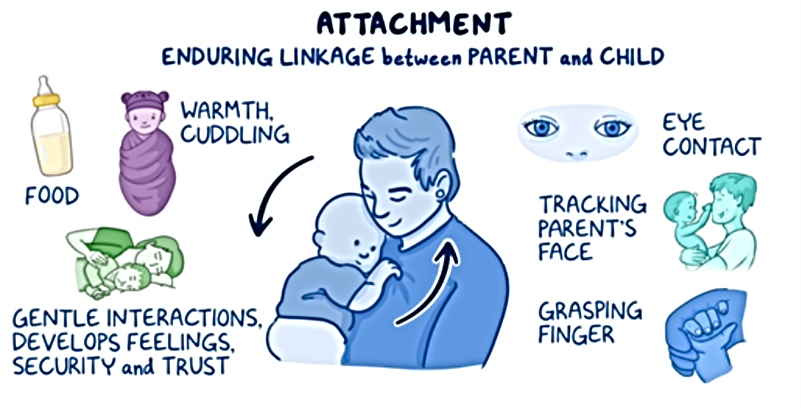
Rationale: Attachment between the parents and a baby is reciprocal. The baby receives food, warmth, cuddling, and gentle interaction and develops feelings of security and trust. In turn, the baby demonstrates reciprocal attachment behaviors, including making eye contact, tracking their parent’s face, or grasping their finger.
Main Takeaway
Attachment refers to an enduring linkage between the parents and their child. It is a reciprocal relationship where the baby receives food, warmth, cuddling, and gentle interaction and develops feelings of security and trust. In other words, babies can anticipate that their parents or caregivers will be available to support them in times of need. In turn, the baby demonstrates reciprocal attachment behaviors, including making eye contact, tracking their parent’s face, or grasping their finger.
Incorrect Answer Explanations
A. Demonstrating the rooting reflex
Rationale: The rooting reflex is when the infant turns their head and opens their mouth to follow when the side of their cheek is stroked. Although this reflex helps the infant to feed, it does not demonstrate attachment.
B. Falling asleep while being held in their caregiver’s arms
Rationale: Falling asleep in the arms of a caregiver symbolizes infant comfort and fatigue but does not necessarily indicate attachment.
C. Crying when the nurse auscultates lung sounds
Rationale: Crying when the nurse auscultates lung sounds does not indicate attachment to the caregiver.
Want to learn more about this topic?
Watch the Osmosis video: Psychosocial changes – Postpartum: Nursing

Try Osmosis from Elsevier today! Access your free trial to find out why future clinicians and caregivers love learning by Osmosis.
Leave a Reply