
Category: NCLEX-RN
-
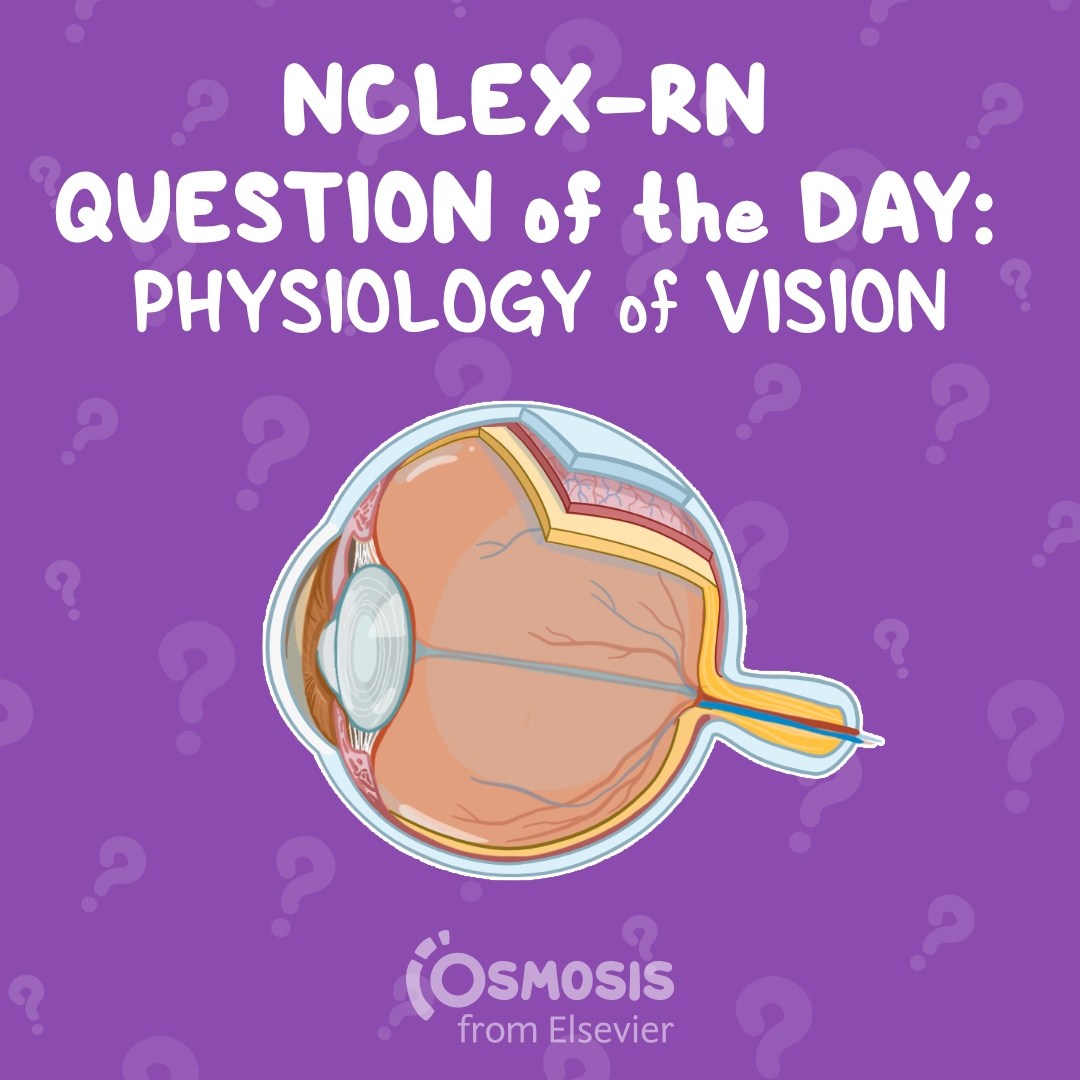
NCLEX-RN® Question of the Day: Physiology of vision
— Updated:
Can you identify the retinal receptors responsible for detecting light? Strengthen your understanding of infant visual development and eye physiology with this NCLEX-style question.
-
NCLEX-RN® Question of the Day: Altered level of consciousness
— Updated:
A postoperative patient receiving patient-controlled analgesia develops changes in mental status. Can you identify the signs of an altered level of consciousness in this NCLEX-style clinical scenario?
-
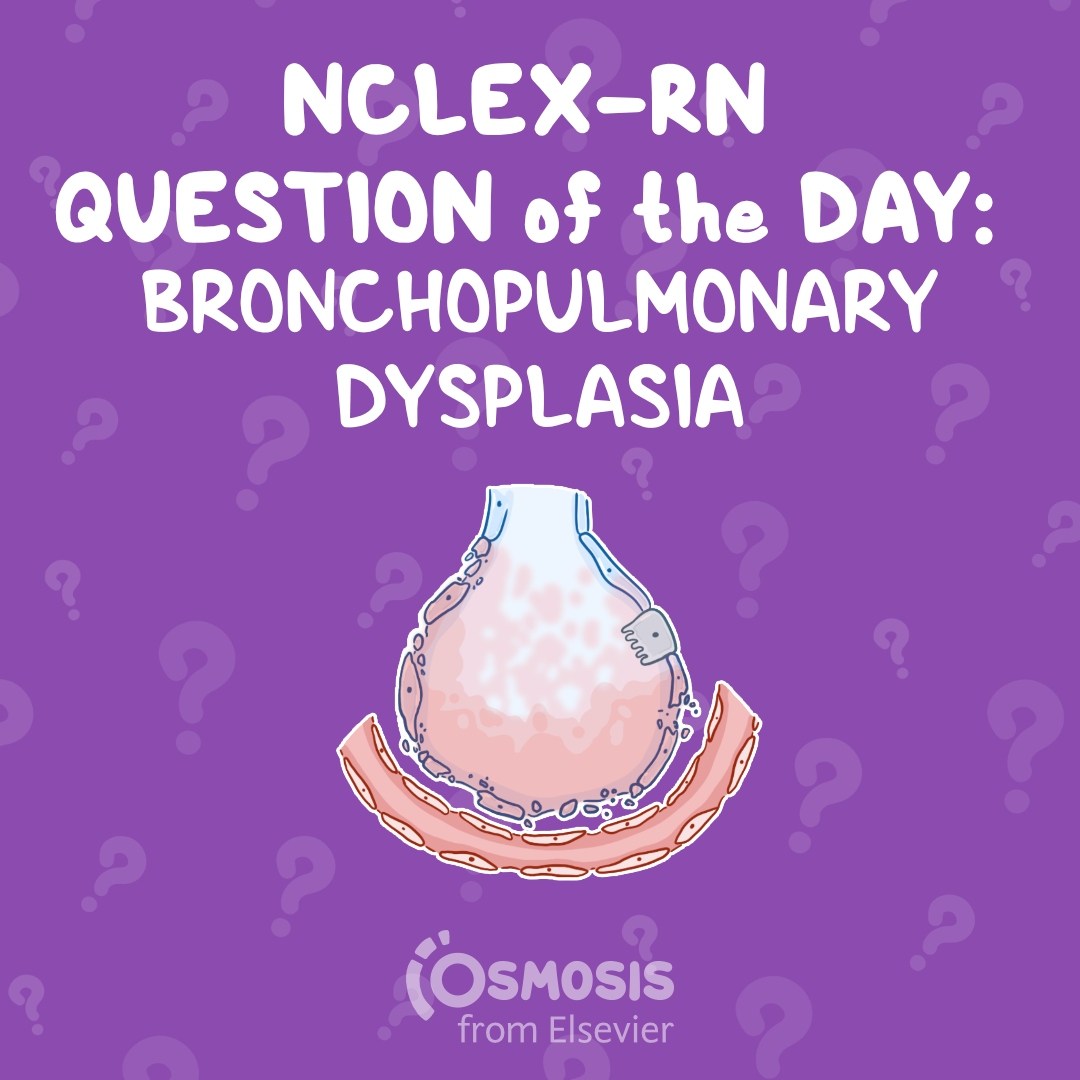
NCLEX-RN® Question of the Day: Bronchopulmonary dysplasia
— Updated:
Can you identify the term that best describes bronchopulmonary dysplasia? Strengthen your understanding of this common neonatal respiratory condition with a high-yield NCLEX-style question.
-
NCLEX-RN® Question of the Day: Juvenile idiopathic arthritis
— Updated:
Can you recognize the hallmark assessment findings of juvenile idiopathic arthritis? Challenge your pediatric nursing knowledge with this NCLEX-RN style question on autoimmune joint disease.
-
NCLEX-RN® Question of the Day: Discharge process
— Updated:
Effective discharge planning is essential for safe transitions from the hospital to home or another care setting. Test your understanding of this core nursing responsibility with this NCLEX-style question.
-
NCLEX-RN® Question of the Day: Health-related misinformation
— Updated:
Health misinformation can influence treatment decisions and patient outcomes in powerful ways. Explore this NCLEX-style question on evidence-based care, patient education, and the nurse’s role in combating misinformation.
-
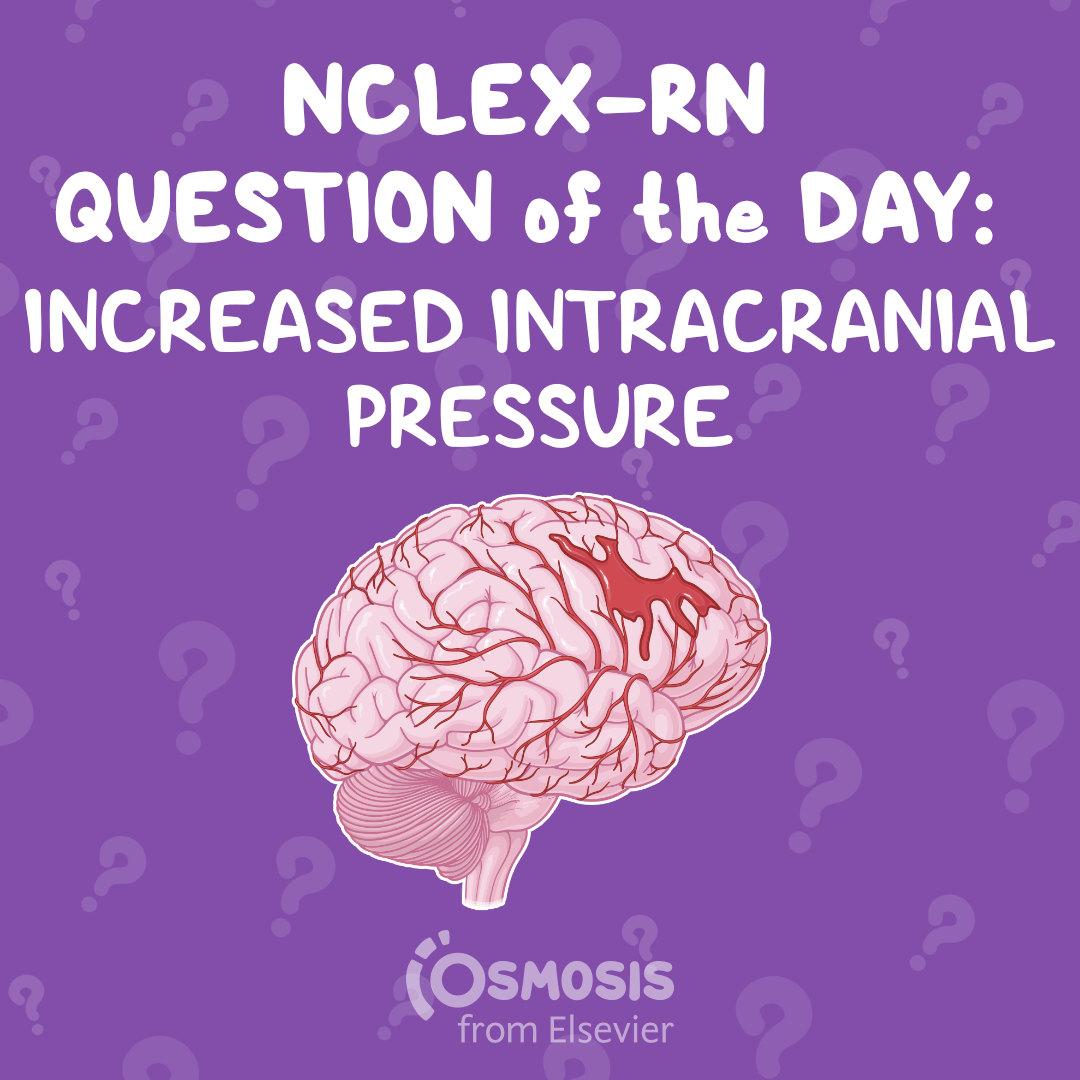
NCLEX-RN® Question of the Day: Increased intracranial pressure
— Updated:
Can you distinguish between the different causes of cerebral edema? Challenge your understanding of increased intracranial pressure (ICP) and neuro pathophysiology with this NCLEX-RN style question.
-
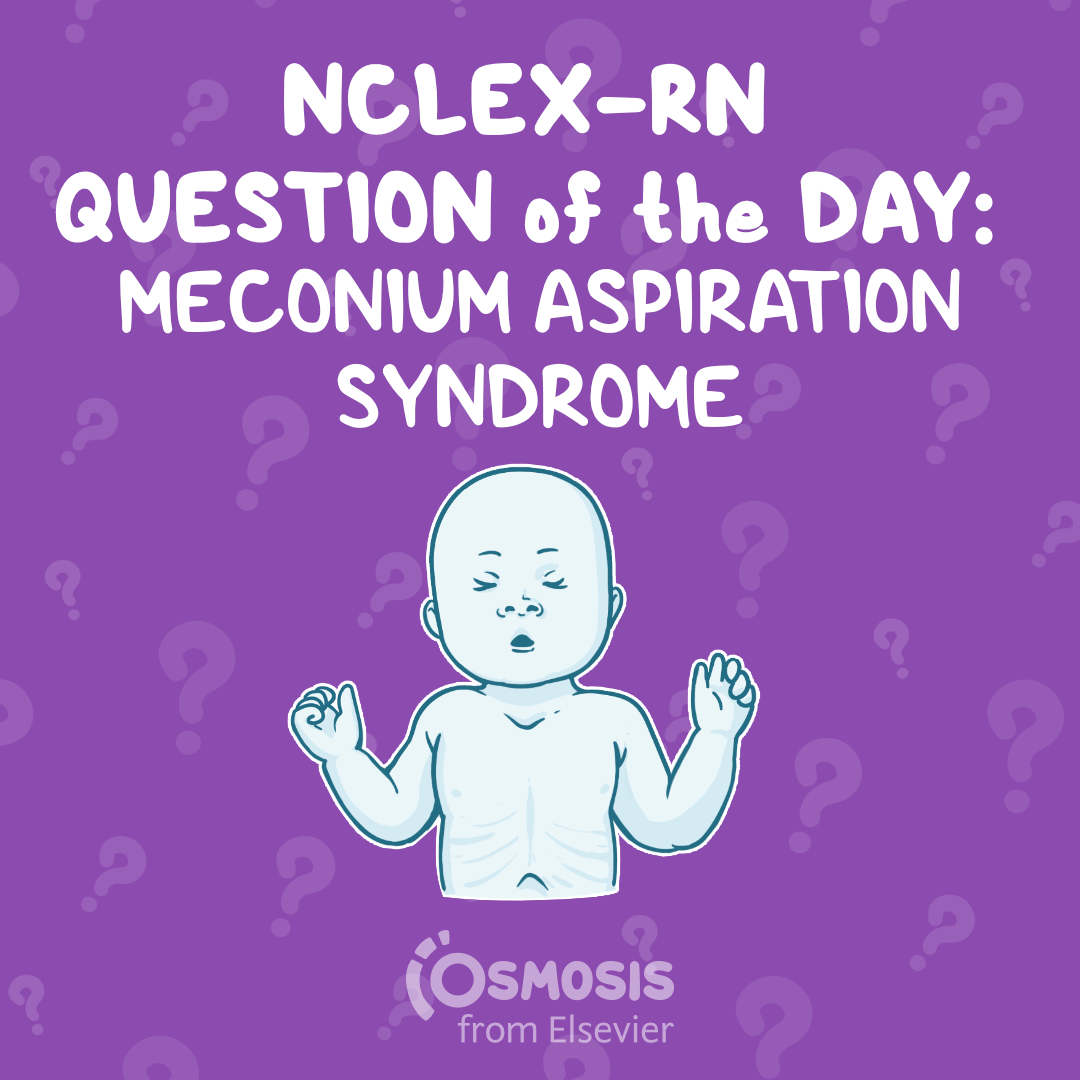
NCLEX-RN® Question of the Day: Meconium aspiration syndrome
— Updated:
A newborn is suspected of having meconium aspiration syndrome. Can you identify the diagnostic test most commonly used to support the diagnosis in this NCLEX-RN scenario?
-
NCLEX-RN® Question of the Day: Altered mental status
— Updated:
A patient presents with altered mental status and suspected substance intoxication. Can you identify the most appropriate next diagnostic step in this NCLEX-RN style clinical scenario?
-
NCLEX-RN® Question of the Day: Reverse isolation
— Updated:
Why are some patients placed in reverse isolation? Explore this NCLEX-RN style question on infection prevention, protective precautions, and caring for immunocompromised patients.
-

NCLEX-RN® Question of the Day: Newborn attachment
— Updated:
Can you identify the behavior that best reflects healthy infant attachment? Explore this NCLEX-RN style pediatric question on newborn development, bonding, and caregiver relationships.
-
NCLEX-RN® Question of the Day: Therapeutic communication
— Updated:
Therapeutic communication may sound simple, but many get it wrong. Can you identify the best response? Explore common misconceptions, real-world communication pitfalls, and how nurses build trust in this question of the day.
-
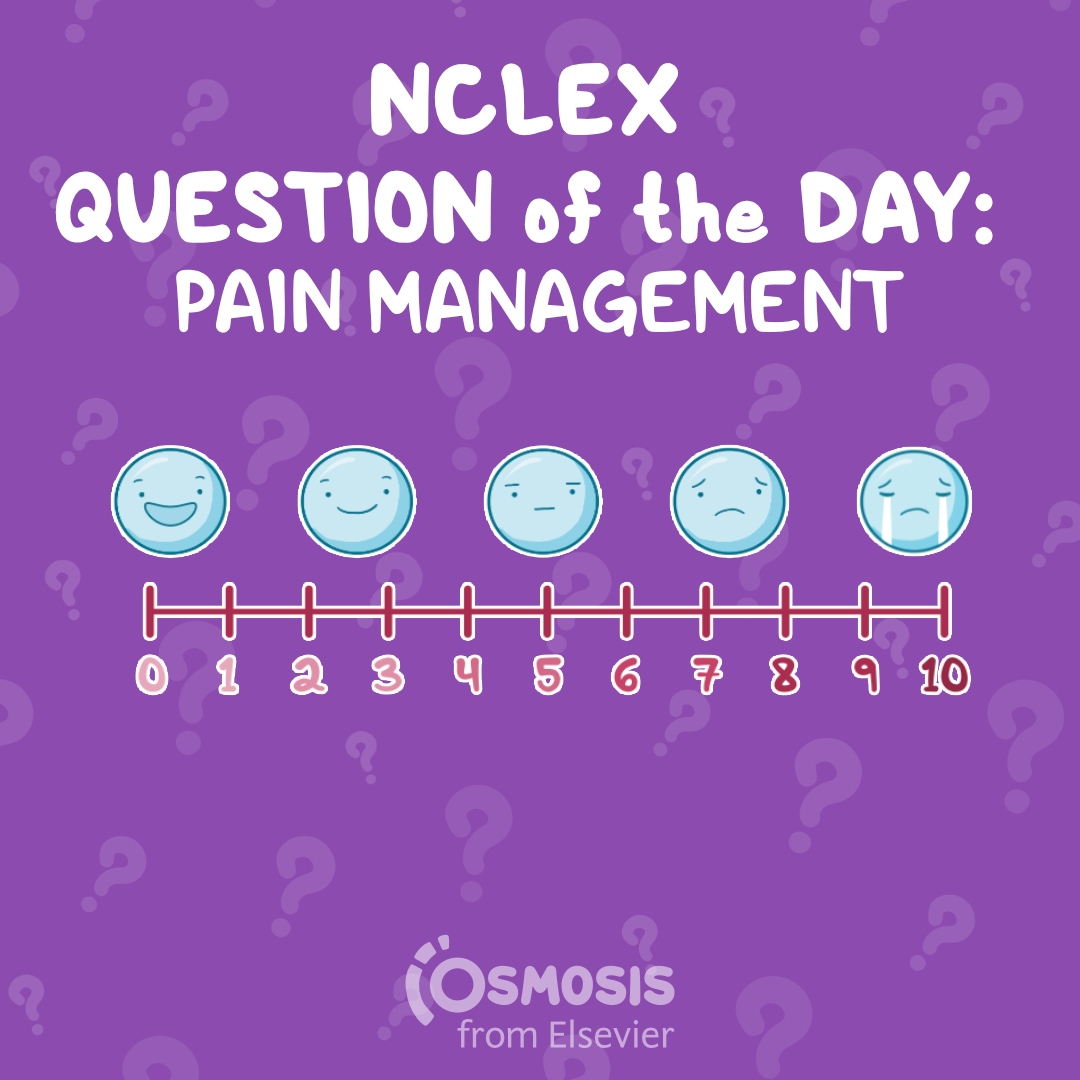
NCLEX-RN® Question of the Day: Pain management
— Updated:
A hospitalized patient receives IV morphine after reporting severe pain. What’s the most appropriate way to evaluate if his pain management is working?
-
NCLEX-RN® Question of the Day: Health literacy
— Updated:
Review this RN-focused look at promoting health literacy through plain-language materials, visuals, and timely follow-up, with practical tips for effective patient education.
-
NCLEX-RN® Question of the Day: Culturally competent care
— Updated:
When culturally competent care situations arise in diverse patient populations, a practical approach matters. Learn how nurses structure history, apply key cultural clues, and design respectful care plans that honor beliefs while ensuring safe, effective treatment and clear communication.
-
NCLEX-RN® Question of the Day: Depression
— Updated:
This NCLEX-RN® question of the day explores how nurses evaluate and implement a plan of care for a patient with depression, emphasizing pharmacologic and psychotherapeutic strategies, patient participation, and the therapeutic nurse-patient relationship.
-
NCLEX-RN® Question of the Day: Diabetic ketoacidosis
— Updated:
This nursing question of the day examines how gastroenteritis affects diabetes care and patient outcomes, highlighting symptoms, adherence, and access to care in shaping management decisions.
-
NCLEX-RN® Question of the Day: Nursing care plan
— Updated:
Learn how RNs structure conversations, identify ethical cues, and design patient-centered care plans that empower patients to express their goals and preferences, guiding compassionate and safe care.
-

NCLEX-RN® Question of the Day: Pertussis Teaching Plan
— Updated:
An RN guides the mother of a child with pertussis through a structured teaching plan, covering home care for cough, vaccination schedule, infection-control practices, and when to seek urgent care.
-
NCLEX-RN® Question of the Day: Hyperpituitarism
— Updated:
A nurse reviews hyperpituitarism concepts in a clinical teaching scenario, focusing on common causes, hereditary links, and risk factors. Learn how to structure patient education and clinical discussions to cover the endocrine condition, its assessment, and appropriate nursing considerations.
-

NCLEX-RN® Question of the Day: T1D
— Updated:
A patient with newly diagnosed type 1 diabetes presents with pneumonia. Learn a structured nursing approach to spotting a potential life-threatening diabetic emergency, including key assessment steps, monitoring priorities, and when to escalate care to the provider.
-
NCLEX-RN® Question of the Day: Cardiogenic shock
— Updated:
Understand important clinical findings to watch for in patients at risk of cardiogenic shock following myocardial infarction. Early identification guides care.
-
NCLEX-RN® Question of the Day: Perineal care
— Updated:
Nurses performing perineal care must recognize and report critical findings promptly. Learn which abnormalities require immediate healthcare provider notification.
-
NCLEX-RN® Question of the Day: Sexual orientation
— Updated:
Understand sexual orientation basics and correct terminology to provide respectful, informed care to diverse patients in nursing practice.
-
NCLEX-RN® Question of the Day: Laparoscopic cholecystectomy
— Updated:
Effective discharge teaching after laparoscopic cholecystectomy covers lifting restrictions, incision care, expected drainage, and dietary advice to promote healing and prevent complications.
-
NCLEX-RN® Question of the Day: Risk management
— Updated:
A medication safety error occurs when a nurse omits barcode scanning, causing patient harm. Understand the legal implications and terminology involved in nursing practice.
-
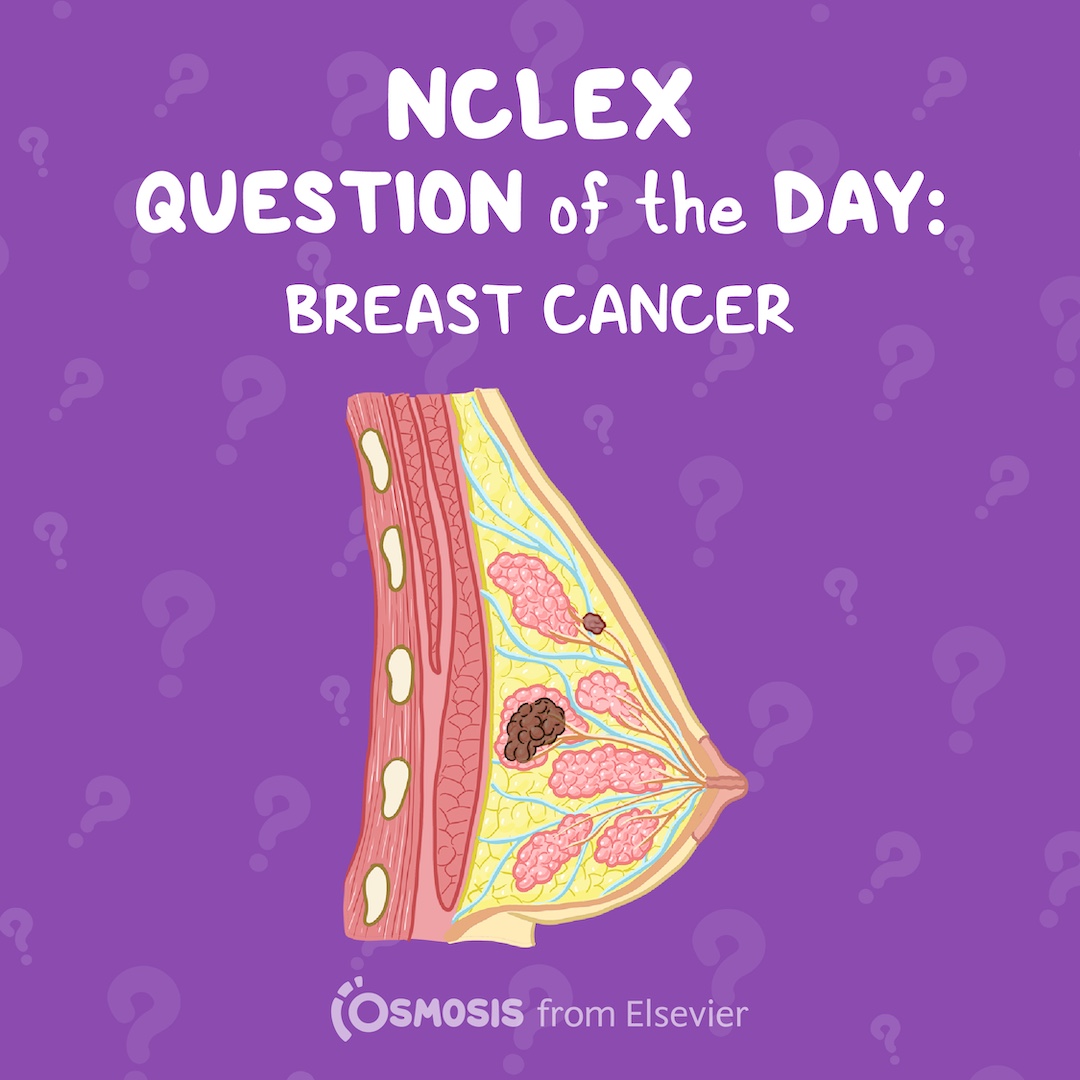
NCLEX-RN® Question of the Day: Breast cancer
— Updated:
What does it mean when abnormal breast cells cross the thin barrier that once contained them? Explore the pivotal microscopic change that marks a shift in tumor behavior, and why it matters for diagnosis and care.
-
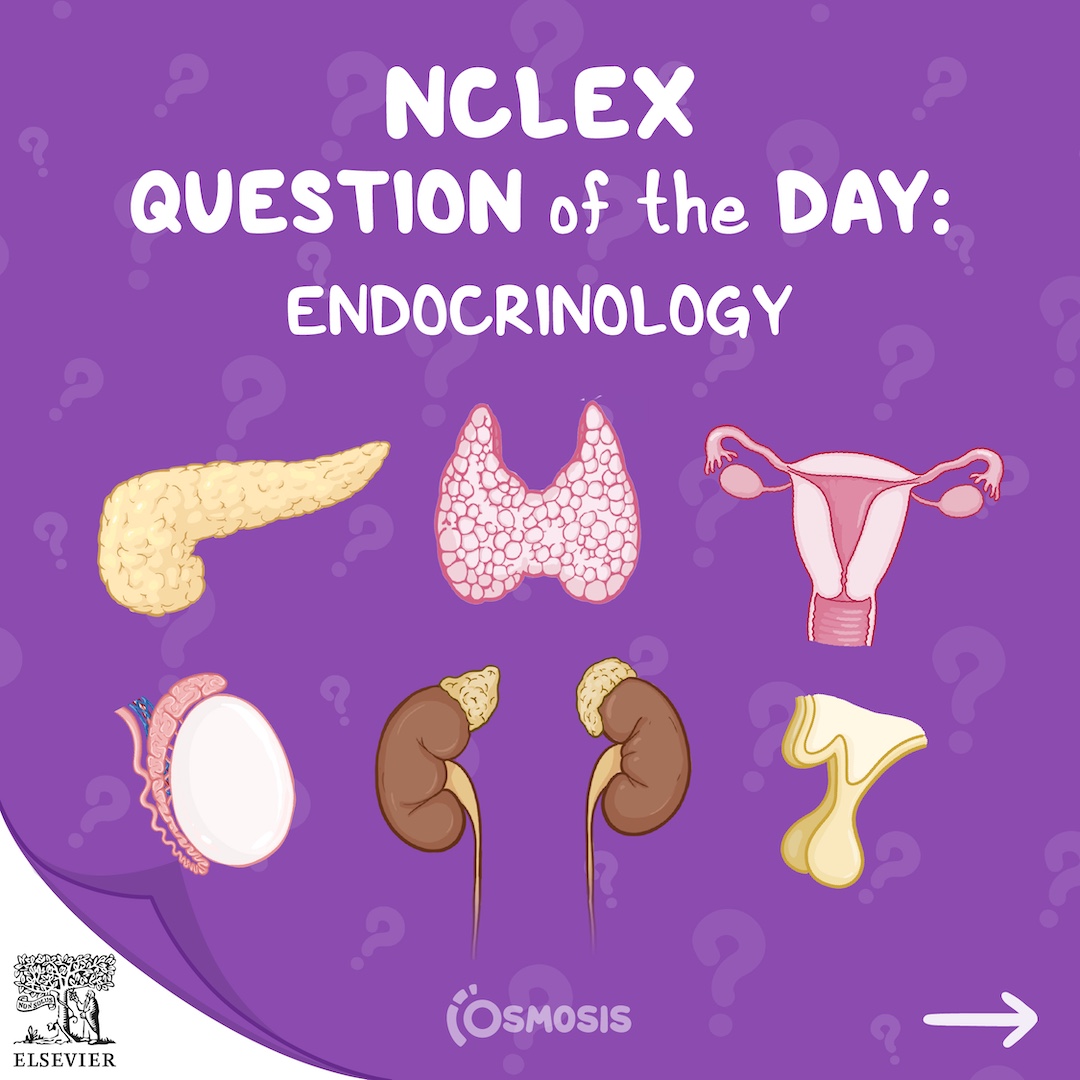
NCLEX-RN® Question of the Day: Endocrinology
— Updated:
Explore key risk factors influencing diabetes development for this retired long-haul truck driver with obesity and hypertension.
-
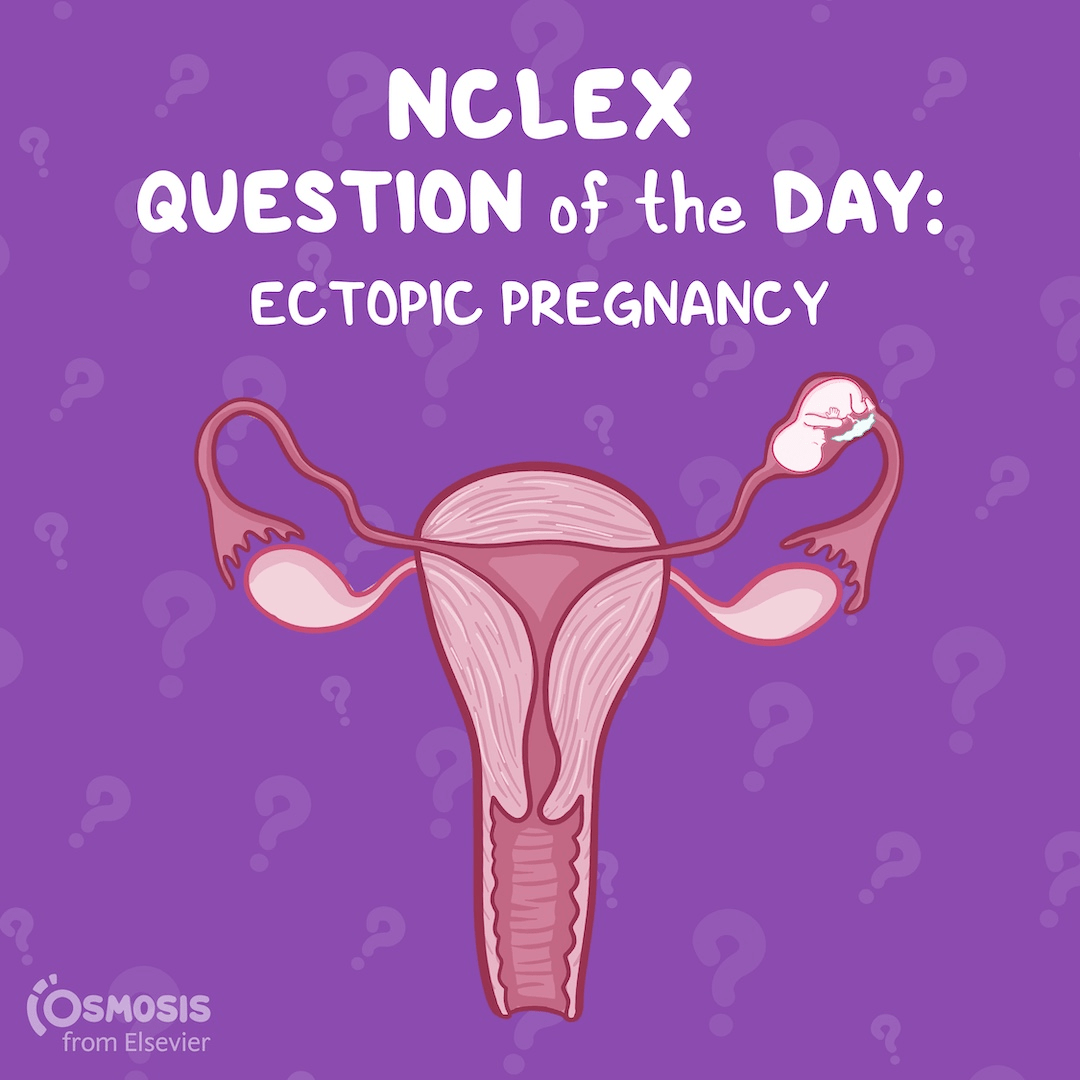
NCLEX-RN® Question of the Day: Ectopic pregnancy
— Updated:
When ectopic pregnancy is suspected, confirming pregnancy with the right test is crucial. Discover how beta human chorionic gonadotropin (β-hCG) assists in diagnosis and management.
-

NCLEX-RN® Question of the Day: Second-Degree Heart Block
— Updated:
Learn how certain medications can lead to second-degree heart block, particularly in patients with kidney impairment.