One of the most common causes of pustules are bacterial infections, typically due to Gram positive bacteria, such as Staphylococcus aureus or Streptococcus pyogenes. Examples of such infections include impetigo, which is a superficial, highly contagious infection typically affecting young children between the ages of two and five years old; folliculitis, which is a superficial infection of the hair follicles; furuncles, which are deeper infections of the hair follicles and surrounding tissue; and carbuncles, which are groups of two or more furuncles. Several viral infections can also lead to pustules, including chickenpox, a highly contagious infectious disease caused by Varicella Zoster virus, or VZV, and smallpox, a very contagious and potentially fatal disease caused by Variola virus. Fungal infections, such as dermatophyte infections (also known as tinea) as well as thrush (an oral infection due to Candida albicans) can also cause pustules. Additionally, pustules can develop in parasitic skin infections, such as scabies, which is an infestation of mites called Sarcoptes scabiei that cause intense itching.
Pustules can also develop from non-infectious diseases. These include acne, a common skin condition in adolescents and young adults in which pores of the skin become blocked by ingrown
hairs, oil, bacteria, or dead skin cells. Other non-infectious causes include drug eruption;
rosacea, a chronic condition characterized by facial blushing or flushing in response to external stimuli, such as sun, heat,
alcohol, spicy foods, and
stress; and
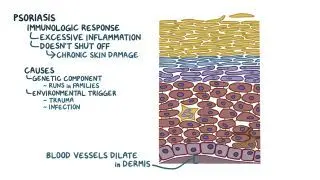
psoriasis, which is a chronic autoimmune disease typically characterized by well-circumscribed, erythematous patches covered with silvery scales.