
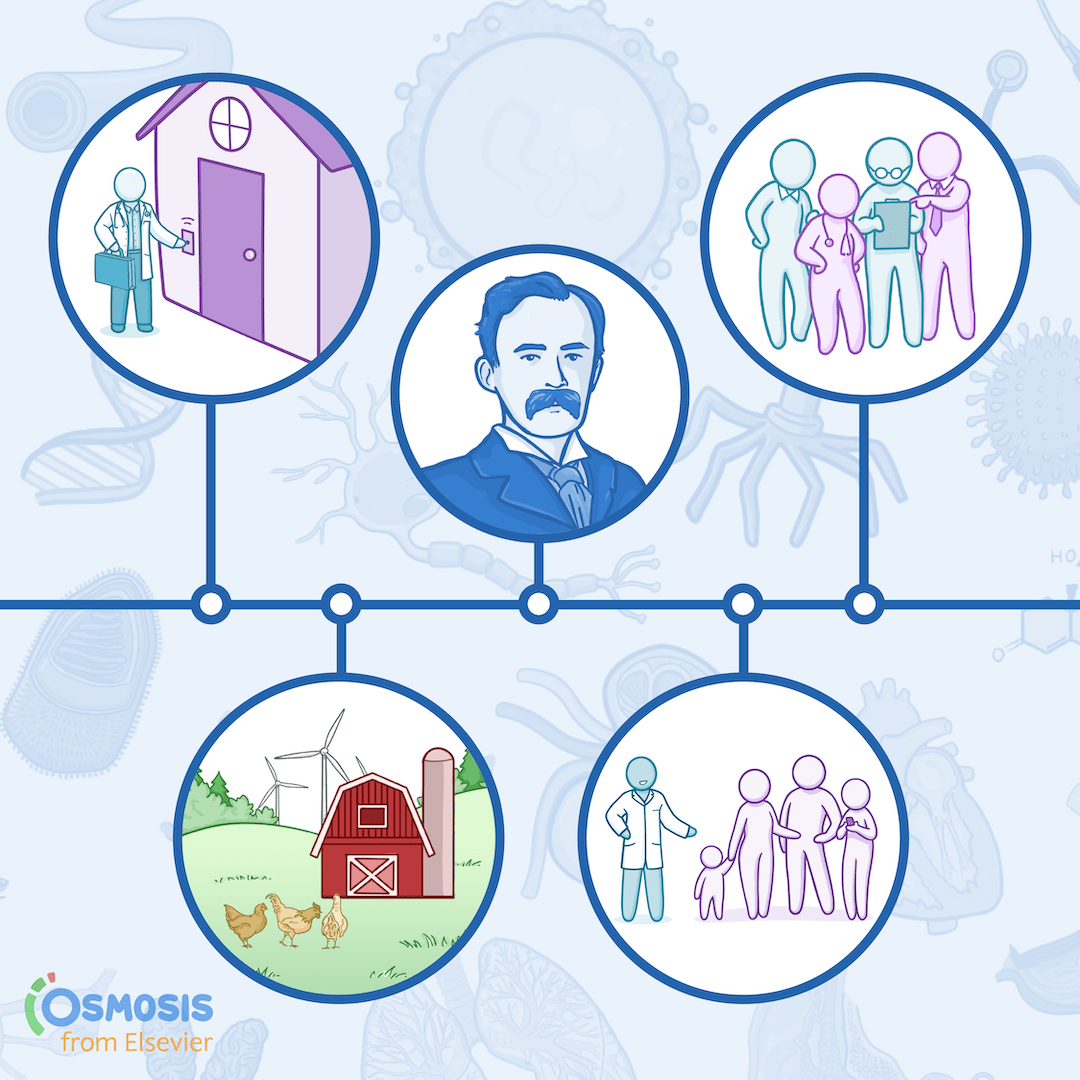
Grab your stethoscope and prepare for a heartwarming ride through the history of family medicine, the specialty that’s kept people healthy for centuries. This is the family doctor who knows your sniffles, your kid’s scraped knees, and maybe even your grandma’s secret pancake recipe. From horse-drawn buggies to Zoom checkups, family medicine has raced through time like a healthcare superhero with a bag full of tricks. We’ll meet quirky pioneers, cheer for big wins, and peek at the future of this lovable specialty. So, kick back with a cookie, and let’s dive into how family medicine went from cozy house calls to healthcare heroism.
Origins of Family Medicine: The Era of House Calls
The World of the 1800s House-Call Doctor
Picture a frosty night in the 1800s. A doctor, bundled in a wool coat, rattles through town in a buggy, black bag bouncing like a sidekick. This was the house-call era: family medicine meant that the local “Doc” showed up ready to tackle a fever, a broken arm, or even a case of the grumps. These practitioners swooped into homes with a stethoscope, a few mystery tonics, and the knack for making you feel better by just being there.
Back then, specialties were rare. Your local physician handled everything from delivering babies to soothing stomachaches. Their office? Your kitchen table, maybe with a curious cat napping nearby. Their strength? Knowing your family’s medical quirks, your uncle’s fishing tales, and maybe even your dog’s sock-stealing habits.
A Day (and Night) in the Life of Early General Practitioners
House calls were the standard, with GPs braving snowstorms, muddy trails, and starry nights to reach their patients, often on foot or horseback. No fancy labs or X-rays; just sharp eyes, a good ear, and (hopefully) a dash of wit. They delivered babies by candlelight, stitched wounds in drafty barns, and held hands during scary outbreaks like smallpox or diphtheria. It was tough work, with long hours and limited tools.
These physicians were part healer, part record-keeper, knowing who was feuding over which fence line. In cities, they dodged horse-drawn carts and made their way through muddy streets to reach crowded tenements, caring for immigrant families and local residents with warmth and compassion.
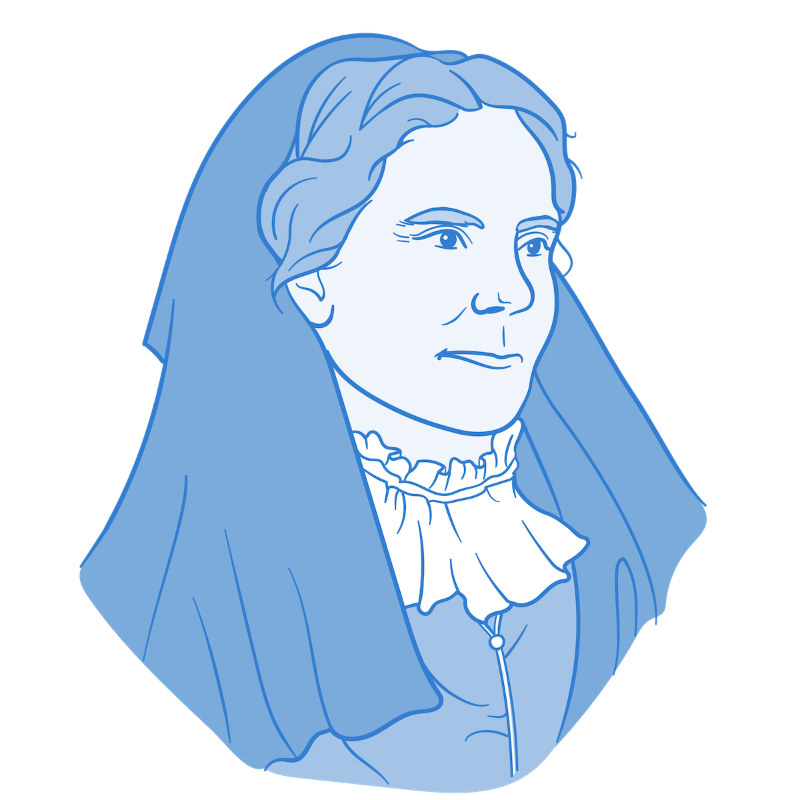
Take Dr. Elizabeth Blackwell, the first woman in America to obtain a medical license. In the 1840s, she made house calls to treat women and kids who were often ignored by the medical establishment. Her work, and that of others like her, showed how family doctors could bridge care gaps, setting the stage for a specialty that’s all about connection.
Challenges That Shaped the Specialty
These trailblazers didn’t just treat patients; they wove themselves into the fabric of a community, creating the blueprint for family medicine. The house-call era also presented a number of unique challenges. Docs worked grueling hours, and typically without the tools people take for granted today. A misdiagnosis could mean heartbreak, and epidemics regularly tested their courage. Yet, their knack for treating the whole person laid the foundations for the family medicine practitioners we see today.
Early Influences and Pioneers in Family Medicine
As medicine grew more specialized in the late 1800s, the role of the generalist began to shift, with a few larger-than-life figures shaping what we now call family medicine.
Enter Dr. William Osler, a superstar of the medical profession in the 1880s. Osler didn’t just diagnose diseases; he (literally) wrote the book on treating patients like human beings. His big idea? Listen to their stories, know their lives, and care like it’s personal. That’s the family medicine vibe, and Osler’s legacy still shines through in every checkup.
In England, Dr. John MacFarlane Cliff became known for traveling between rural villages to care for patients of all ages in the early 1900s. With few specialists in remote communities, he managed a wide range of medical needs, from delivering twins and setting bones to calming the occasional nervous farmer, demonstrating that general practice required a broad skill set and deep local knowledge. His work emphasized that general practice was not a secondary choice, but a valued and versatile profession.
Rural docs were the unsung heroes of this era. In places where hospitals were a pipe dream, they were the entire medical team. In the US, groups like the Frontier Nursing Service in the 1920s brought care to rugged Appalachia. Nurse-midwives and doctors teaming up to serve isolated families. These folks didn’t just treat patients. They fought for better living conditions, like clean water or safer schools, proving that family doctors were also vital community champions.
The early 20th century also saw medical societies give general practice some recognition. The UK’s Royal College of General Practitioners, founded in 1952, formalized the role of family docs. In the US, similar efforts were brewing. Doctors banding together to demand respect for and acknowledgement of their jack-of-all-trades skills. Take Dr. James Mackenzie, a Scottish physician who, in the early 1900s, studied heart conditions in his general practice, demonstrating that family doctors could contribute to science while also caring for patients.
These pioneers proved that family medicine wasn’t a default; it was a calling. Their work wasn’t just about treating minor injuries; it was about building trust across generations. They knew Mrs. Jones’ asthma flared when the mill was dusty, or that little Timmy’s “tummy ache” was likely school jitters. This deep understanding of patients inspired the next wave of family medicine, turning general practice into a specialty with a big heart and a bigger mission.
The Formation of Family Medicine as a Specialty
By the mid-20th century, medicine was getting a major overhaul. Specialists were sprouting up like dandelions. It was fantastic for pinpointing specific issues, but patients were getting dizzy bouncing between experts. Meanwhile, general practitioners were starting to feel like the underdogs in a world of shiny specialists. Cue the family medicine comeback. In 1947, the American Academy of General Practice (now known as the AAFP) burst onto the scene. They were all about recognizing the importance of generalists and pushing for better training, recognition, and resources.
Pioneers like Dr. G. Gayle Stephens took the time to tell their stories, penning essays singing the praises of family medicine. He argued that family docs were the glue holding healthcare together, focusing on prevention and relationships. Then there was Dr. Curtis Hames, a rural Georgia doc who turned his practice into a research playground. His studies on heart disease and hypertension demonstrated that family doctors could save lives with smart, community-focused care. Another star was Dr. Lynn Carmichael, who helped launch one of the first family medicine residency programs in the US in the 1960s. His work made sure family docs were trained to handle anything, from sniffles to surgeries, with a side of compassion.
The big win came in 1969 when family medicine was established as an official specialty in the US, complete with its own certification board, the American Board of Family Medicine. This wasn’t just a fancy title; it meant family docs were recognized as experts in their own right, trained to handle a wide range of health needs. Countries like Canada, Australia, and the UK jumped on board, too, giving family medicine the global respect it deserved.
This shift was vital for communities. While specialists flocked to city hospitals, family doctors often practiced in rural towns and underserved neighborhoods. They offered care that was accessible, affordable, and downright neighborly. They delivered babies in small clinics, managed diabetes in community centers, and did their best to listen to their patients’ worries with patience and concern.
Evolution of Training and Practice Models
With family medicine officially recognized as a specialty, training underwent necessary refinements. By the late 1960s, residency programs were popping up everywhere, turning eager medical students into family medicine aficionados. These programs were like boot camps for versatility, teaching docs to handle everything from diaper rashes to heart palpitations. Unlike specialists who zoomed in on one body part or system, family physicians learned to see their patients holistically.
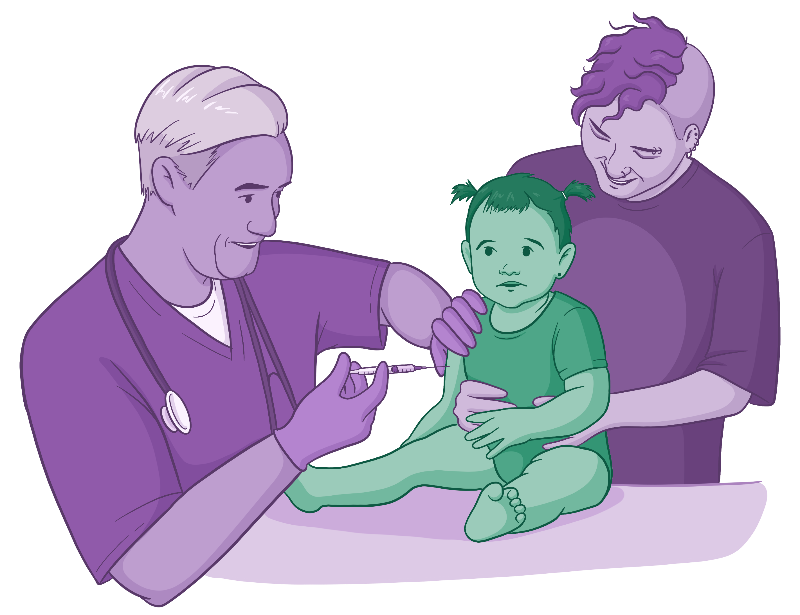
Residency was challenging. Trainees juggled pediatrics, obstetrics, and internal medicine, along with a sprinkle of surgery, all while perfecting their bedside manner. The goal? Create physicians who could do it all while still offering their patients a smile. Programs hammered home prevention methods, like vaccines, screenings, and nudging patients to pay attention to diet and exercise. They also taught chronic disease management, helping folks with diabetes or high blood pressure live their best lives.
Family medicine’s practice model was all about building relationships. Docs didn’t just see you once. They stuck around for life’s big moments, births, graduations, and even the occasional midlife crisis. This continuity made them experts in patient care, spotting patterns like a medical Sherlock Holmes (a level of diagnostic skill even the fictional Dr. Gregory House would envy). They also became community superstars, tackling big-picture issues like poverty or access to clean water that affected health. In rural areas, they ran clinics, delivered babies, and even moonlighted as amateur therapists. In cities, they tackled complex issues like mental health or substance abuse with compassion and empathy.
GP training kept evolving to stay fresh. By the 1980s, programs were weaving in mental health, geriatrics, and even sports medicine. Docs learned to navigate cultural differences, advocate for underserved folks, and use the latest research to guide their care. It was like giving them a medical Swiss Army knife, versatile, practical, and ready for anything. Programs also started emphasizing teamwork, teaching docs how best to collaborate with nurses, pharmacists, and social workers for a well-rounded care approach.
The practice model was reviewed and improved as well. Family docs became the quarterbacks of healthcare, coordinating with specialists and keeping patients in the know. They embraced holistic care, looking at diet, stress, and lifestyle alongside symptoms to improve overall patient wellness.
Family Medicine in the Modern Healthcare Landscape
Today, family medicine is the MVP of healthcare, keeping patients on track in a world of specialists, apps, and Dr. Google-fueled health panics. Family physicians guide patients through colds, chronic conditions, and those “is this a spider bite or a zit?” moments. They’re the ones you call when your kid’s fever spikes or when you’re wondering if your creaky knees need a tune-up.
Technology’s also added some serious bells and whistles to GP care. Electronic health records (EHRs) let GPs track your health like a digital scrapbook, catching potential issues and concerning trends before they become problems. Telemedicine has brought the house call back (sort of), allowing patients to chat with their doctor from their couch. Wearables like smartwatches give patients a front-row seat to their heart rate or steps, and their family docs are there to decode the data.
But tech’s got its quirks. EHRs can lead docs to type more than talk. Telemedicine’s great, but it misses the magic of a real handshake or a reassuring pat on the back that’s been associated with them for so long. Family physicians are doing their best to juggle these challenges while keeping the human touch alive as they surf the digital wave.
The modern world throws curveballs, too. Aging populations mean more patients with complex needs. Family docs are stepping up with geriatric know-how. Access to care remains a hurdle, especially in rural areas where family physicians are often the only game in town. Policy shifts, like paying for quality over quantity, keep them on their toes, but they’re acing it with creativity and care.
Family medicine’s also shifting with the times and widening its scope. Doctors are weaving mental health into checkups, tackling anxiety and depression with the same ease as a flu shot. They’re fighting for health equity, helping underserved communities receive top-notch care. And they’re teaming up with nurse practitioners, physician assistants, and specialists for a dream-team approach to care. In developing countries, family medicine is a game-changer, training doctors to do more with less. The specialty’s got a passport and a mission to make the world healthier, one patient, one chuckle at a time.
From the clip-clop of horse hooves to the ping of a telemedicine call, family medicine has shifted in ways no one could anticipate. Pioneers like Osler, Stephens, Hames, and Carmichael lit the way, while groups like the AAFP and the American Board of Family Medicine built the path. Through every twist and turn, family medicine has kept its promise to care for you and your family.
The adventure’s far from over. With people living longer and more aging patients than ever before, along with tech breakthroughs, and a push for fairer healthcare, family medicine is ready to shine brighter than ever. Those old-school docs would be overjoyed to see their legacy thriving in clinics, apps, and community centers. The future’s promising, with family physicians leading the charge for prevention, connection, and care that’s as warm as a sunny day. So here’s to family medicine, the specialty that started with a knock on the door and keeps opening hearts, one checkup, one chuckle, one life at a time.
Key Takeaways
- Family medicine began with house-call doctors providing personalized care in the 1800s.
- Pioneers like Osler and Blackwell shaped the specialty’s holistic, patient-centered approach.
- Formal recognition as a specialty in 1969 enabled specialized training and broader scope.
- Modern family medicine integrates technology, mental health, and team-based care.
- Family physicians remain vital for accessible, continuous, and coordinated healthcare worldwide.
References
- https://www.aafpfoundation.org/content/dam/foundation/documents/who-we-are/cfhm/FMImpactGutierrezScheid.pdf
- https://www.aafpfoundation.org/content/dam/foundation/documents/who-we-are/cfhm/FMHistoryDennis.pdf
- https://www.jabfm.org/content/19/2/183
- https://fmch.bmj.com/content/fmch/12/Suppl_3/e002788.full.pdf
- https://academic.oup.com/book/24562/chapter/187806988
- https://www.aafp.org/about/dive-into-family-medicine/family-medicine-speciality.html
- https://pubmed.ncbi.nlm.nih.gov/30736039/
- https://www.jabfm.org/content/38/1/1/tab-article-info
- https://www.jabfm.org/content/jabfp/10/6/430.full.pdf
- https://pmc.ncbi.nlm.nih.gov/articles/PMC11029363/
- https://www.britannica.com/biography/Elizabeth-Blackwell
- https://www.britannica.com/biography/Sir-William-Osler-Baronet
- https://pubmed.ncbi.nlm.nih.gov/5078023/
- https://www.rcgp.org.uk/
- https://history.rcp.ac.uk/inspiring-physicians/sir-james-mackenzie
- https://www.augusta.edu/mcg/fammed/research/hamesnet/hamesthephysician.php
- https://www.aafp.org/home.html
- https://sci-hub.st/https://doi.org/10.1136/bmj.g3714
- https://fammedarchives.blob.core.windows.net/imagesandpdfs/pdfs/FamilyMedicineVol41Issue8Frey552.pdf
- https://www.theabfm.org/
- https://www.elsevier.es/es-revista-atencion-primaria-27-articulo-the-gokta-definition-family-medicine-general-S0212656722001883
- https://www.osmosis.org/blog/telemedicine-changing-the-face-of-healthcare

Try Osmosis from Elsevier today! Access your free trial and discover why millions of current and future clinicians and caregivers love learning with us.
Leave a Reply