
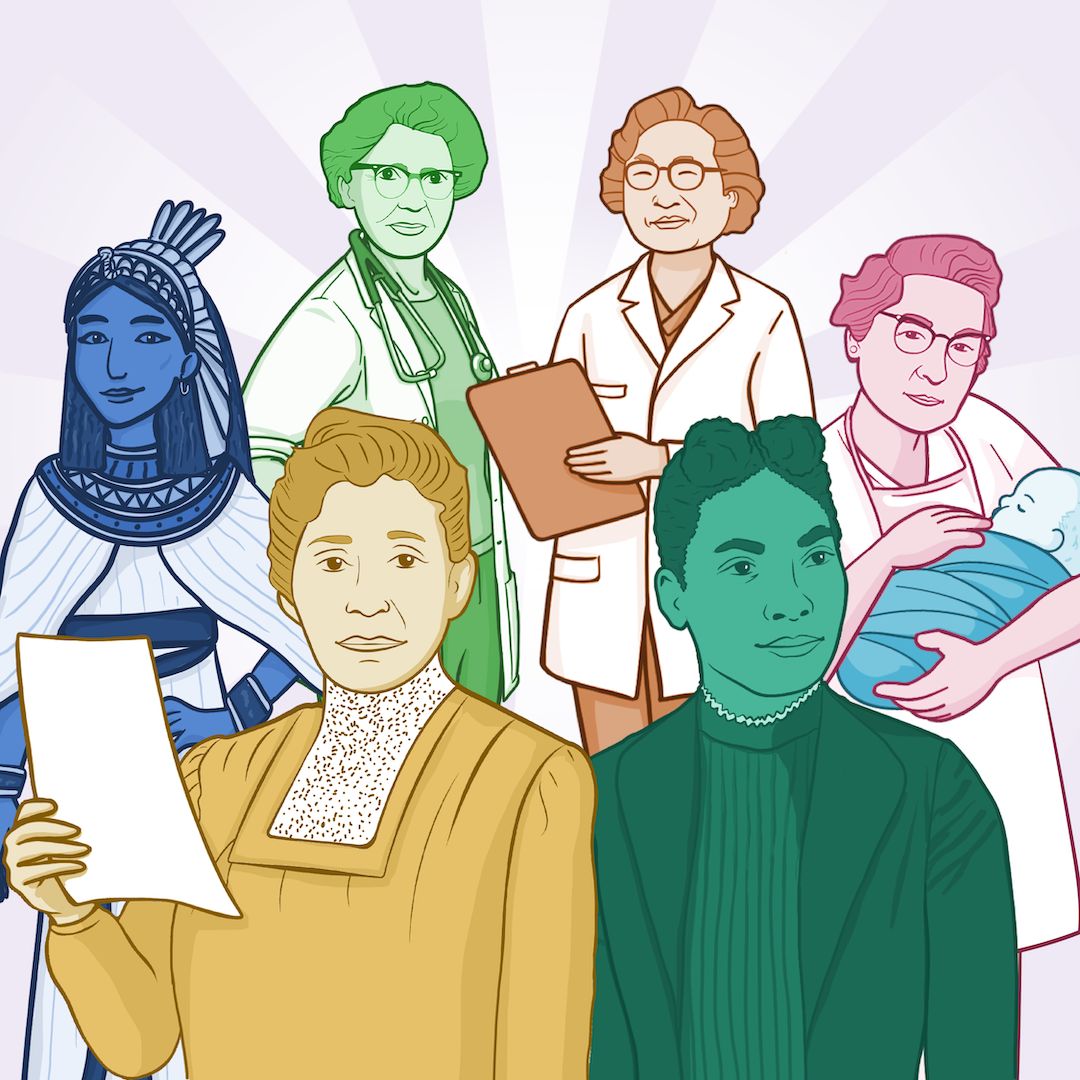
The history of women in medicine is a rich and complex tapestry, interwoven with threads of brilliance, compassion, and unwavering resilience in the face of both personal challenges and systemic barriers. For centuries, their numerous contributions have been hidden beneath layers of societal prejudice, legal restrictions, and historical neglect. Whether it’s ancient herbalists who brewed remedies under starlit skies or modern researchers unlocking the secrets of life itself, women have continuously been at the forefront, healing, innovating, and saving countless lives throughout history.
Long believed to be “innate nurturers,” women’s journey into the medical profession has been a challenging one, but their incredible perseverance in the face of resistance is genuinely inspiring.
Let’s take some time to celebrate these innovators who fought their way into the profession by defying custom, challenging legal precedent, and sidelining skepticism to claim their place as equals in the field of medicine.
The Ancient World: Healers in a Realm of Gods and Myths
Medicine began as a mystical practice that blended herbal lore, spiritual rituals, and keen observation, which was practiced in societies where gods were considered as real as the ailments they were invoked to cure. However, some key practitioners stand out throughout the ages.

1. Peseshet (~2700 BC)
Peseshet, who lived during the Fourth Dynasty of Egypt, is known as the “Lady Overseer of Female Physicians.” Her legacy is preserved in stone, outlining her work in leading a team of women healers who served the elite of Egyptian society, navigating a world where women holding positions of authority were rare.
Simple by today’s standards, Peseshet’s tools were herbs, bandages, and incantations. Yet, her impact was profound, with her legacy proving that women were capable of leading the charge as healers long before it was an accepted practice. Her work laid the groundwork for a tradition of women healers and is a testament to the power of knowledge wielded with precision and grace in an era when medicine was as much about the soul as it was the body.
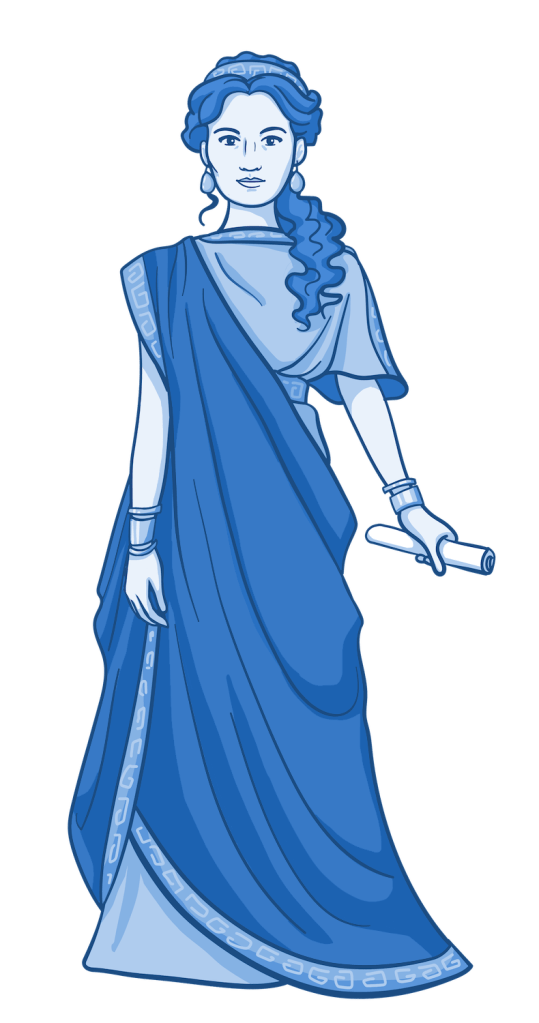
2. Metrodora (~300 AD)
Metrodora, a physician and midwife, authored On the Diseases and Cures of Women, the oldest surviving medical text written by a woman. Her comprehensive guide to women’s health, rooted in careful observation, addresses everything from menstrual disorders to childbirth complications and even possible surgical interventions.
With its practical treatments and in-depth understanding of the female body, Metrodora’s text was a significant contribution to women’s health, preserving crucial medical knowledge at a time when women’s intellectual contributions were often overlooked.
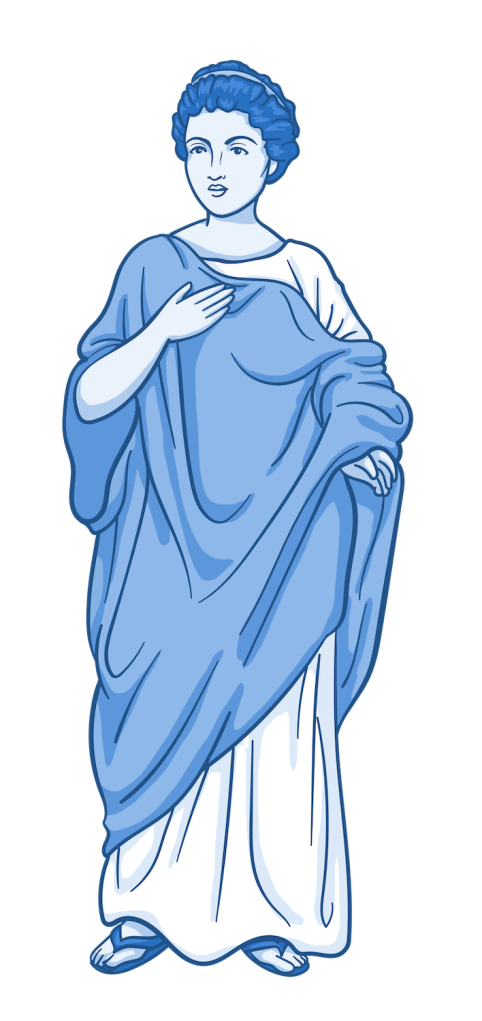
3. Trota of Salerno (~Mid-1300s)
Trota of Salerno, a medical practitioner and writer, shone brightly at the Schola Medica Salernitana, the first and most important medical school in medieval Europe. Her work, De Curis Mulierum (On Treatments for Women), was a foundational text in medieval gynecology and obstetrics, known for its practicality and clarity. Her writings, which are part of the Trotula collection, addressed menstruation, pregnancy, and childbirth with a practicality that resonated with her contemporaries and were widely copied and disseminated throughout Europe.
More than a theorist, Trota was hands-on, delivering babies in Salerno’s bustling port. Her blend of compassion and empirical rigor in her teachings set a standard for her students and future generations, proving that women could be both healers and scholars in a time and place that often confined them to the domestic shadows.
More about Trota of Salerno >>
The Medieval Period: Defying Bans and Breaking Barriers
The medieval period was a brutal time for women, effectively barring them from any formalized education. Medical guilds tightened their grip on who could practice, often purposefully excluding women with the use of ironclad rules, leaving them to fend for themselves in the newly professionalized male-dominated medical field. However, some remarkable women refused to be silenced, using their skills and determination to overcome the unreasonable barriers placed in their path.
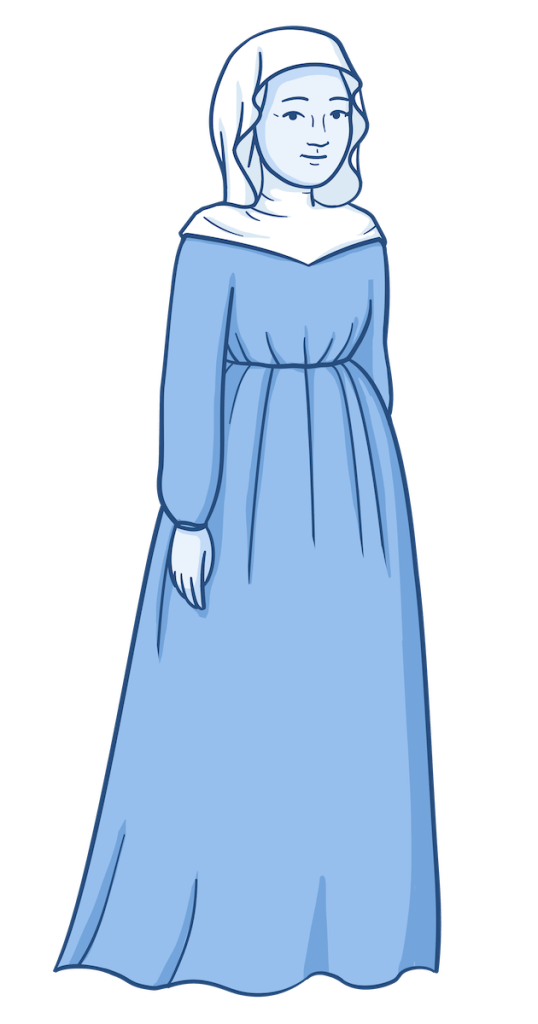
4. Jacoba Felicie (Early 14th century)
Jacoba Felicie was a healer of remarkable skill who treated a wide range of patients, from merchants to nobles. Her secret? She practiced without a license, despite it being a requirement enforced by the male-dominated medical faculty of the University of Paris.
Jacoba was eventually arrested and hauled into court in 1322, accused of illegally practicing medicine in a trial that reads like medieval theater. Her defense was fearless, arguing that her cures worked better than those of licensed physicians, with her patients enthusiastically backing her.
The courts, unmoved by her obvious success or her patients’ dedication, banned her from practicing medicine, along with threatening excommunication from the Church (and society), providing a stark reminder of the era’s rigid gender biases.
By challenging the status quo, Felicie exposed the system’s flaws, demonstrating that skill and compassion can outshine credentials, inspiring others to make a place for themselves in the medical profession.
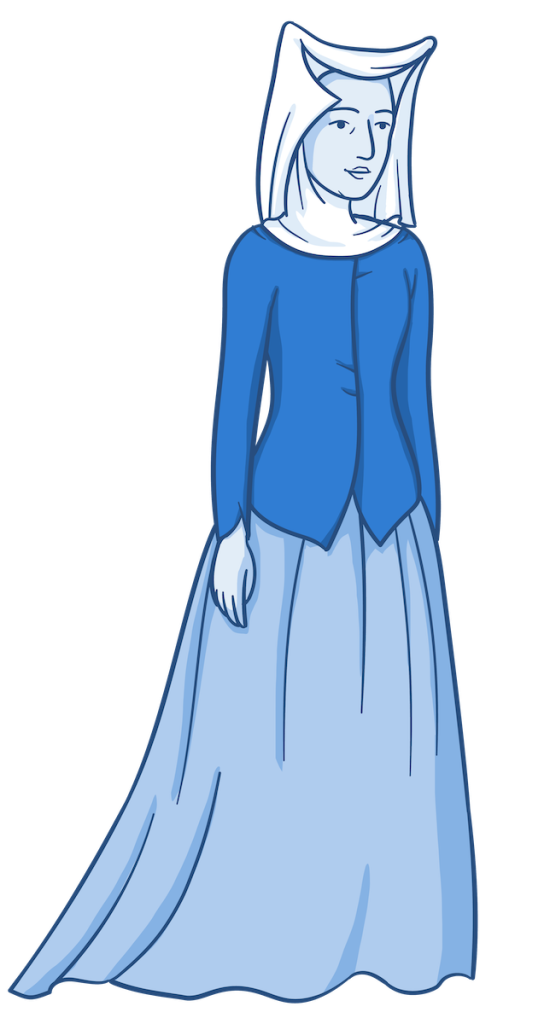
5. Dorotea Bucca (1360–1436)
Dorotea Bucca took an alternate path, paved with academic rigor and unyielding tenacity. At the University of Bologna in Italy, she held a medical chair for over 40 years, a staggering achievement for a woman in the 14th century. Bucca earned her place through sheer intellect, lecturing on medicine, training students, and treating patients in a world that viewed women in academia as nearly mythical creatures.
Bucca lectured on the latest medical knowledge with practical applications drawn from texts by renowned figures such as Galen and Avicenna. Her students carried her teachings forward, spreading her influence across Europe, telling her story and affirming that women’s intellect and determination can outlast even the most entrenched preconceptions.
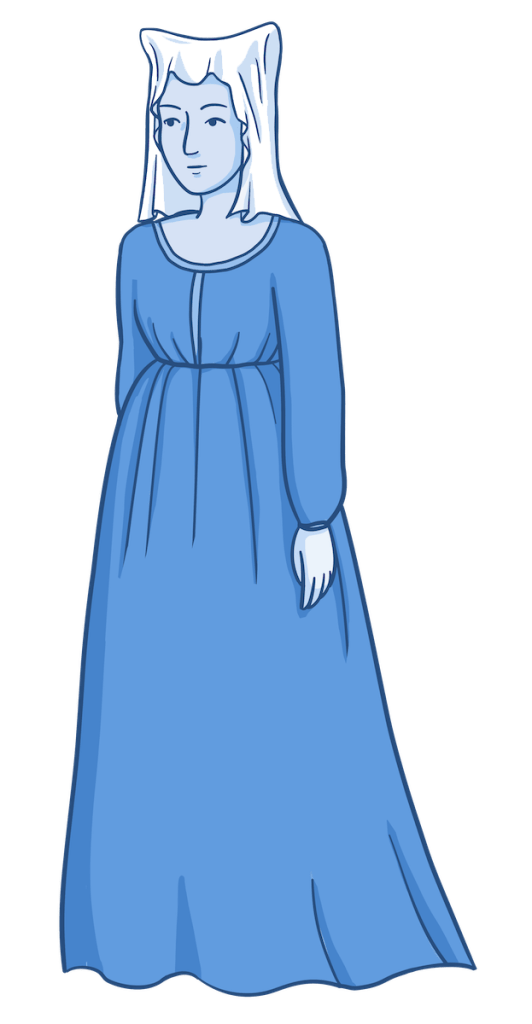
6. Rebecca Guarna (~1300-?)
Rebecca Guarna, another student of the Schola Medica Salernitana in Salerno, Italy, wrote extensively on fevers, embryology, and urine analysis. Her work outlined how to diagnose illness using urine, transforming medical practice for generations to come.
Guarna’s writings demonstrate that women were integral to the intellectual vanguard of medicine, with her contributions resonating through the centuries to shape how physicians have come to understand the human body.
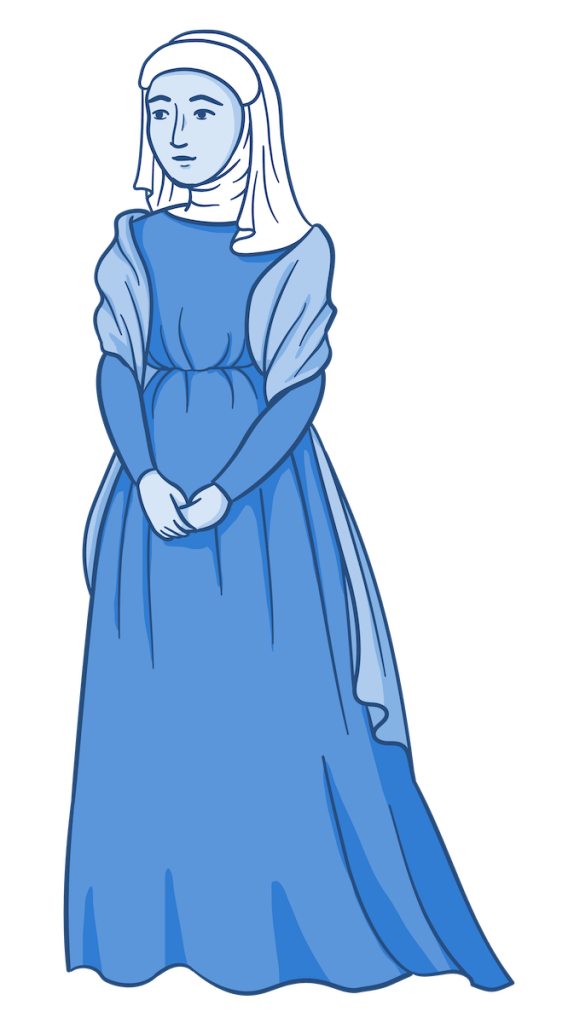
7. Abella of Salerno (~1380-?)
The Schola Medica Salernitana also gave us Abella of Salerno, a physician and lecturer whose work on bile and reproduction, though lost to time, was highly influential in her day.
As a teacher at the Schola Medica Salernitana, her lectures combined theory and practice, captivating her students and providing insights into anatomy and diagnostics.
Her legacy shows that women weren’t just healers; they were respected medical experts and scholars long before society fully recognized their contributions and value.
More about Abella of Salerno >>
The Renaissance & Early Modern Period: Midwives and Mavericks
Trusted experts in childbirth, expectant parents regularly relied on the skill and care of midwives without question for centuries. As medicine grew more formal and institutionalized, male physicians sought to professionalize and control childbirth practices. This shift not only challenged the authority of women in this vital role but also emphasized their long-lasting struggle for recognition and respect in the medical field. A few pioneering women made a place for themselves, paving the way for future generations.
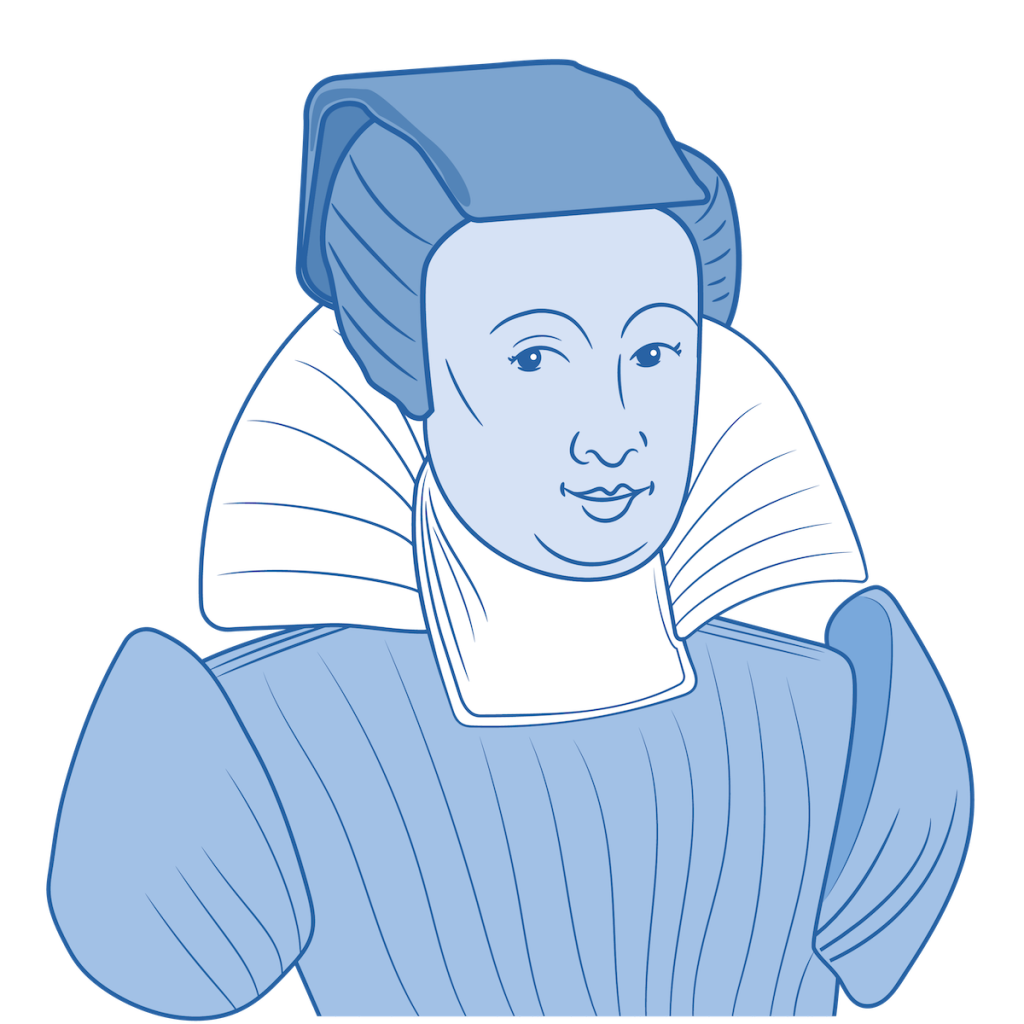
8. Louise Bourgeois Boursier (1563-1636)
Louise Bourgeois Boursier was no ordinary midwife. Her books on obstetrics were packed with practical advice on pregnancy, delivery, and postpartum care, all grounded in decades of experience. The childbirth expert of the French royal court, she served Queen Marie de’ Medici, delivering the future King Louis XIII and six other royal babies.
Boursier’s professionalized midwifery practices blended hands-on skills with scholarly rigor. Her treatises, written in clear, accessible prose, demystified childbirth while offering detailed instructions on handling breech births, infections, and postpartum recovery.
Boursier also spoke to the emotional side of childbirth, advising midwives to comfort mothers with kindness, a revolutionary approach in an era when the medical standard was to maintain emotional distance. Her legacy is woven into every safe delivery she inspired, a testament to the power of women’s expertise in a male-dominated world.
More about Louise Bourgeois Boursier >>

9. Jane Sharp (1641-1671)
In mid-1600s England, Jane Sharp shook things up with The Midwives Book, the first English midwifery textbook written by a woman. Published during a time when male physicians were questioning midwifery practices, her words were a bold defense of women’s authority in the birthing room. She spoke to anatomy, pregnancy, and childbirth with a frankness that was revolutionary, tackling topics like labor complications, miscarriage, and breastfeeding with no-nonsense advice and a warm, almost conversational tone.
Jane’s book wasn’t just a manual; it was a manifesto, asserting women’s right to lead in their field of expertise. She included detailed anatomical descriptions drawn from her own observations, and practical tips, like how to turn a baby during a difficult birth. Her legacy is a reminder that women’s voices, even as far back as the 17th century, could resonate with power and purpose, shaping the future of childbirth.
The 18th Century: Licensed Pioneers
While there was some progress for women in medicine, with midwives continuing to play a vital role in serving women, medicine became more formalized and male-dominated, meaning women faced even greater barriers. While many continued practicing as unlicensed healers or nurses, a few courageous pioneers made significant contributions during a period marked by both obstacles and perseverance for women in medicine.
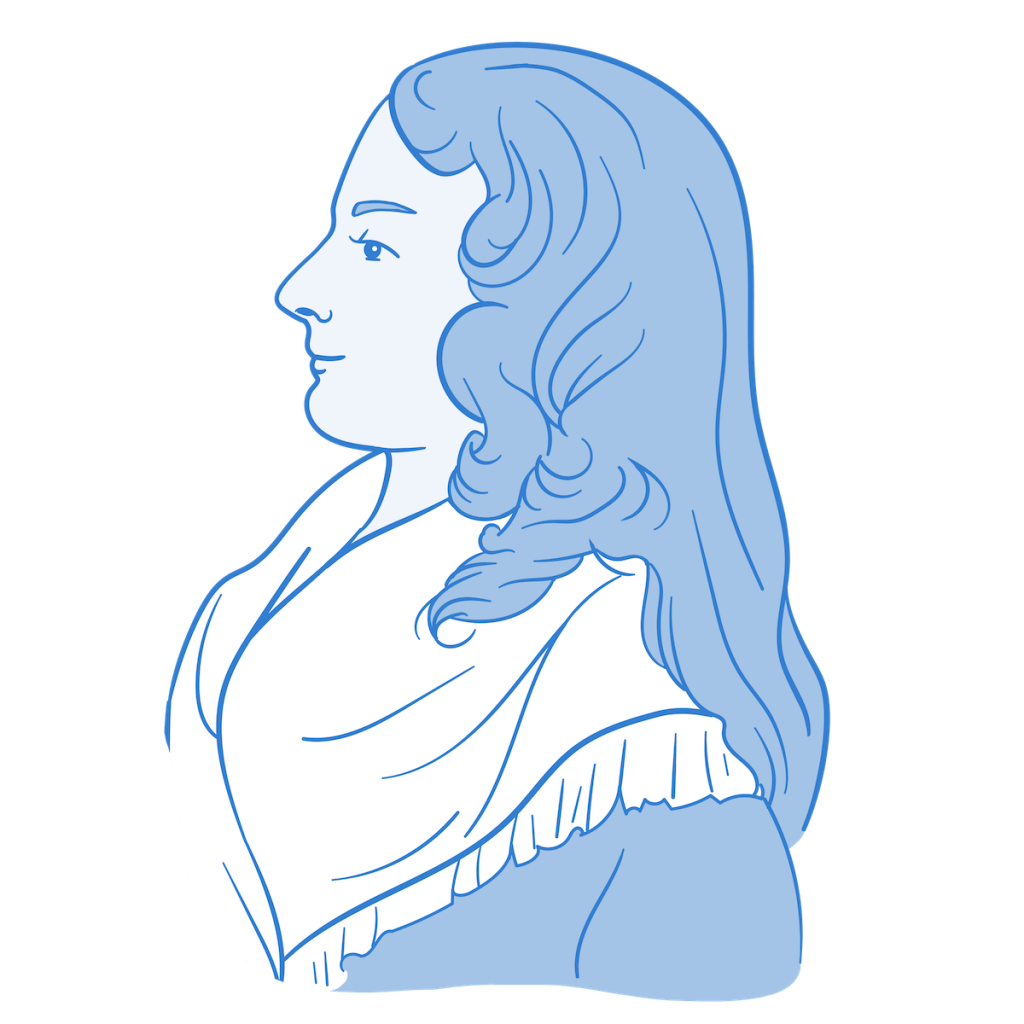
10. Dorothea Erxleben (1715-1762)
A shining star in Germany, Dorothea Erxleben was raised by a father who believed in her intellect, She studied medicine alongside her brother, and, in 1742, earned her MD from the University of Halle, a historic first that sent shockwaves through the academic world.
To demonstrate her knowledge (and address the societal sneers), Erxleben published a book, A Thorough Inquiry into the Causes Preventing the Female Sex from Studying, defending women’s right to practice medicine, arguing that women’s exclusion was rooted in prejudice rather than reason. Her arguments were sharp and effectively dismantled the idea that women lacked the intellect or stamina for medicine. Her eloquence caught King Frederick the Great’s attention, leading him to grant her special permission to earn a medical degree, making her one of the first officially recognized women doctors in Europe.
Erxleben’s compassion proved to be just as important as her skill. She practiced medicine, treated the less fortunate while raising four children and dodging disparaging remarks from those who couldn’t fathom a woman being a physician.
More about Dorothea Erxleben >>

The 19th Century: A Turning Point for Women in Medicine
The 19th century presented a seismic shift in society and medicine, as women stormed the gates of formal medical education with unprecedented force. Their brave victories reshaped the landscape of healthcare, laying the foundation for future generations of women to practice medicine.
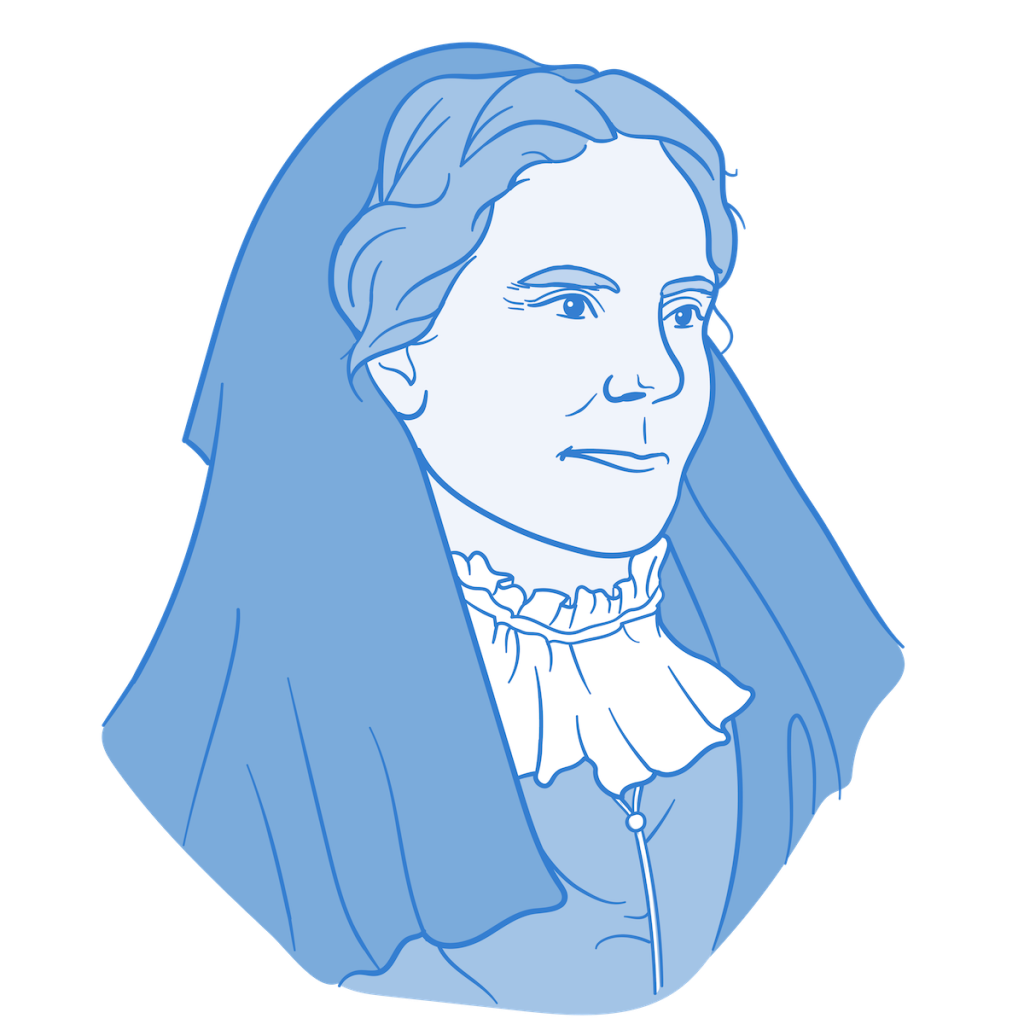
11. Elizabeth Blackwell (1821-1910)
Elizabeth Blackwell led the charge for women in medicine in the US. Born in England and raised in America, she was a tenacious dreamer who refused to accept rejection. When she applied to medical schools, some schools laughed, saying women weren’t fit for medicine, while also expressing concern that her presence would distract the male students.
In 1847, Geneva Medical College in New York admitted her, in part because the all-male student body thought her application was a prank and voted to accept her as a joke. Turning their laughter into silence, Elizabeth graduated at the top of her class in 1849, becoming the first woman to earn a US medical degree in spite of facing ongoing hostility from her professors, who barred her from lab work.
Blackwell’s perseverance paid off when she established the New York Infirmary for Women and Children, a haven for training women in medicine that also treated the underserved. A champion of preventive care and hygiene, ideas that were radical at the time, her meaningful work and determination paved the way for women’s medical education worldwide.
More about Elizabeth Blackwell >>
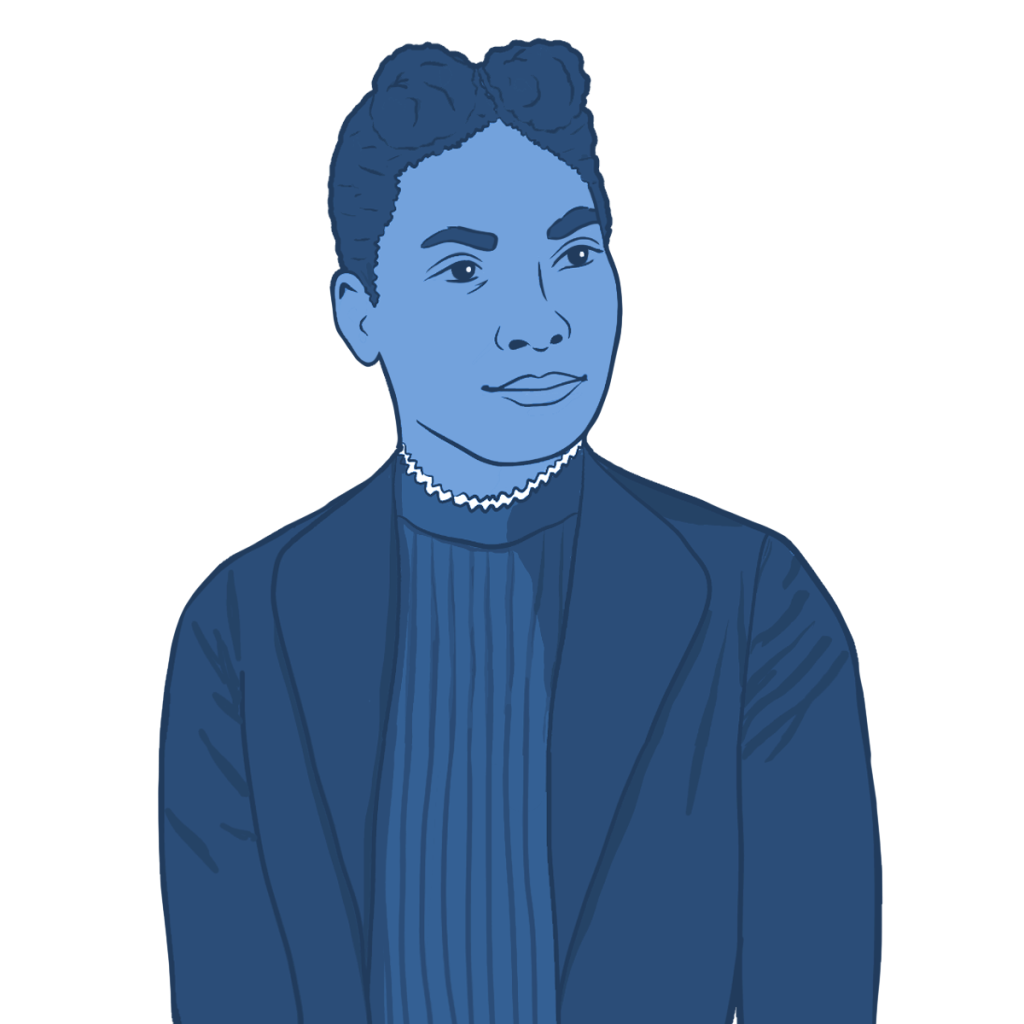
12. Rebecca Lee Crumpler (1831-1895)
As the first African American woman to earn a medical degree in the US, Rebecca Lee Crumpler triumphed over even greater societal barriers than her peers when she graduated from the New England Female Medical College in 1864. She focused on caring for formerly enslaved people and Black communities during the Civil War. After the war, she moved to Richmond, Virginia, serving the community while Americans rebuilt their lives and cities.
Her textbook, A Book of Medical Discourses, was one of the first published by a Black woman, and offered clear, practical advice on women’s and children’s health, offering her hard-won knowledge on preventing disease and promoting well-being for her peers and patients. Crumpler’s medical practice laid the foundation for equitable healthcare, her work a testament to perseverance in the face of seemingly insurmountable obstacles.
More about Rebecca Lee Crumpler >>

13. Mary Edwards Walker (1832-1919)
A contemporary of Crumpler, Mary Edwards Walker was a force of nature, working on battlefields as a Civil War surgeon, stitching wounds under gunfire and treating soldiers in tent hospitals. She ignored gender norms, often wearing men’s clothing for practicality. Captured by the Confederacy and imprisoned for four months, she never faltered in her commitment, returning to duty after her release.
Walker became the only woman ever awarded the Medal of Honor for her bravery in 1865 (later contested and restored in 1977). She advocated for women’s rights, arguing that medicine was a field where women could excel, as well as becoming an abolitionist fighting for the eradication of slavery. Her life was a testament to courage, proving women could prevail even in the most challenging circumstances.
More about Mary Edwards Walker >>
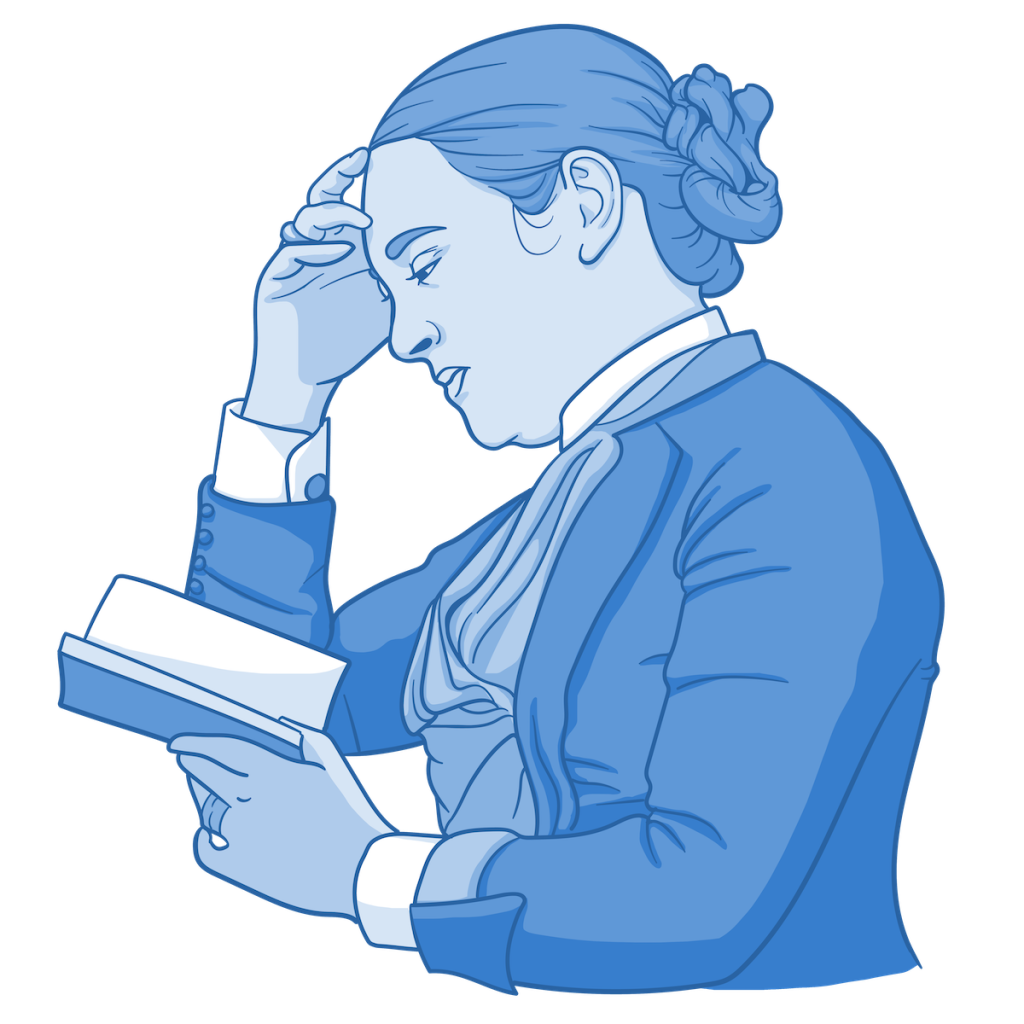
14. Elizabeth Garrett Anderson (1836-1917)
The first woman to qualify as a physician and surgeon in Britain, Elizabeth Garrett Anderson was barred from attending medical school. Instead, she studied privately and exploited a loophole through the Society of Apothecaries to earn her license in 1865.
Facing skepticism, she charmed patients and naysayers, using her wit and skill to win them over. She founded the New Hospital for Women in London in 1872, which was staffed entirely by women, and helped establish the London School of Medicine for Women two years later, while training a generation of women physicians.
Anderson’s legacy is a cornerstone of modern medical education, proving women can excel in medicine, paving the way for greater gender equality in the profession. Her perseverance and achievements challenged prevailing social norms and inspired countless women to pursue careers in healthcare, transforming the medical landscape forever.
More about Elizabeth Garrett Anderson >>

15. Susan La Flesche Picotte (1865-1915)
Susan La Flesche Picotte of the Omaha Tribe became the first Native woman physician in the US. Graduating top of her class from the Woman’s Medical College of Pennsylvania in 1889, she returned to Nebraska to serve her people on the tribal reservation.
Picotte treated thousands of patients in her practice, often traveling on foot or horseback through harsh winter weather. She built a hospital with her own funds, campaigning against tuberculosis and for public health to save lives and empower her community. Her legacy is one of undaunted service, with an impressive impact that has endured throughout the generations.
More about Susan La Flesche Picotte >>
The 20th Century & Beyond: Innovators Who Changed the Game
The 20th century was an exceptionally transformative era for women in medicine. As society shifted and women overcame barriers to become leaders and pioneers in historically male-dominated fields, their critical discoveries reshaped science and healthcare, expanding medical knowledge and saving millions of lives.

16. Gerty Cori (1896-1957)
Gerty Cori was a biochemical genius. Born in Prague, she moved to the US with her husband, Carl, where they began to unravel the mystery of glycogen metabolism, explaining how the body stores and uses energy. Their research work earned the Nobel Prize in 1947, making her the first woman to win in Physiology or Medicine.
In spite of regularly dealing with sexism and paltry pay, Cori never wavered in her dedication to her work. Her discoveries paved the way to treating diabetes, and her achievements were a triumph over the system that tried to limit her potential.
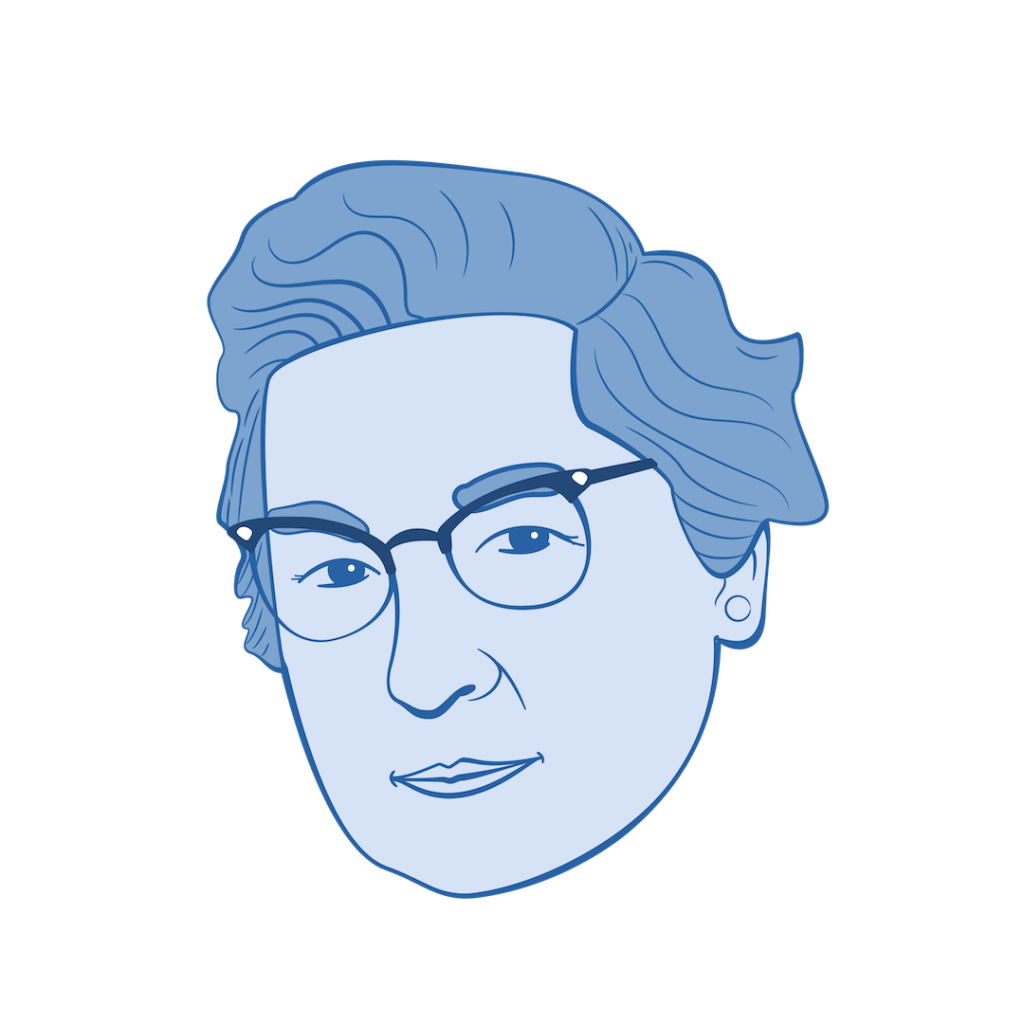
17. Virginia Apgar (1909-1974)
Virginia Apgar, an anesthesiologist, was part of a medical team who attended to expectant mothers, where she noticed that infants lacked a method of assessment immediately after birth. Apgar revolutionized newborn care in 1952 by developing a simple scoring system for newborns to assess their health.
Known as the APGAR score, her checklist offers a quick and simple method to assess the health of newborns immediately after birth, allowing for timely interventions when necessary simply by listening and noting a baby’s heart rate, breathing, and vitals. Still in worldwide use, her legacy is now the ongoing universal standard of care, underscoring her vital role in improving neonatal outcomes and saving countless lives.
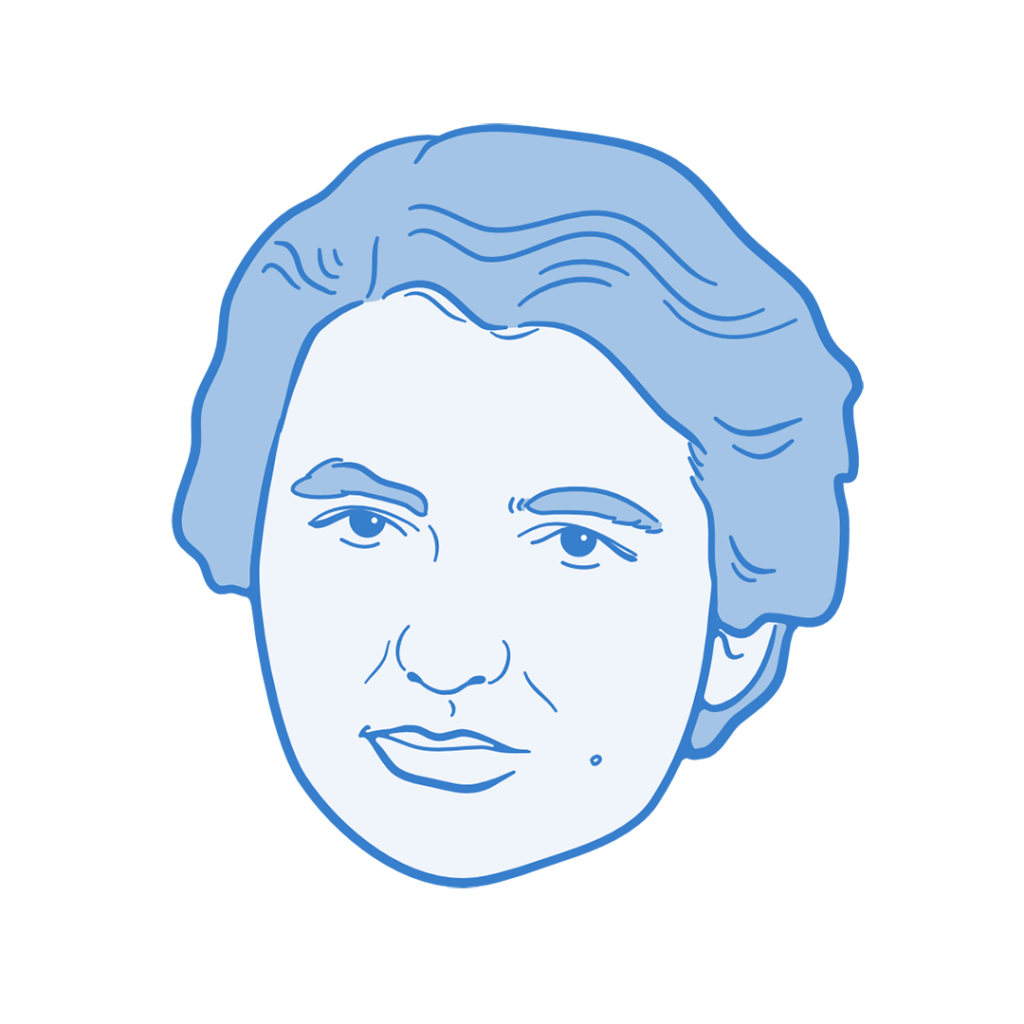
18. Rosalind Franklin
Rosalind Franklin is the unsung hero in the discovery of DNA. Her work in X-ray crystallography, including the famous “Photo 51,” revealed the double-helix structure of DNA. While her (male) colleagues Watson and Crick were the ones awarded the Nobel Prize, Franklin’s work was foundational to their discoveries.
Facing a boys’ club in science, Franklin persisted, her precision unmatched. Her early death from Ovarian cancer at the young age of 37 was a tragic loss, but her legacy now lives on in every genetics textbook.
More about Rosalind Franklin >>
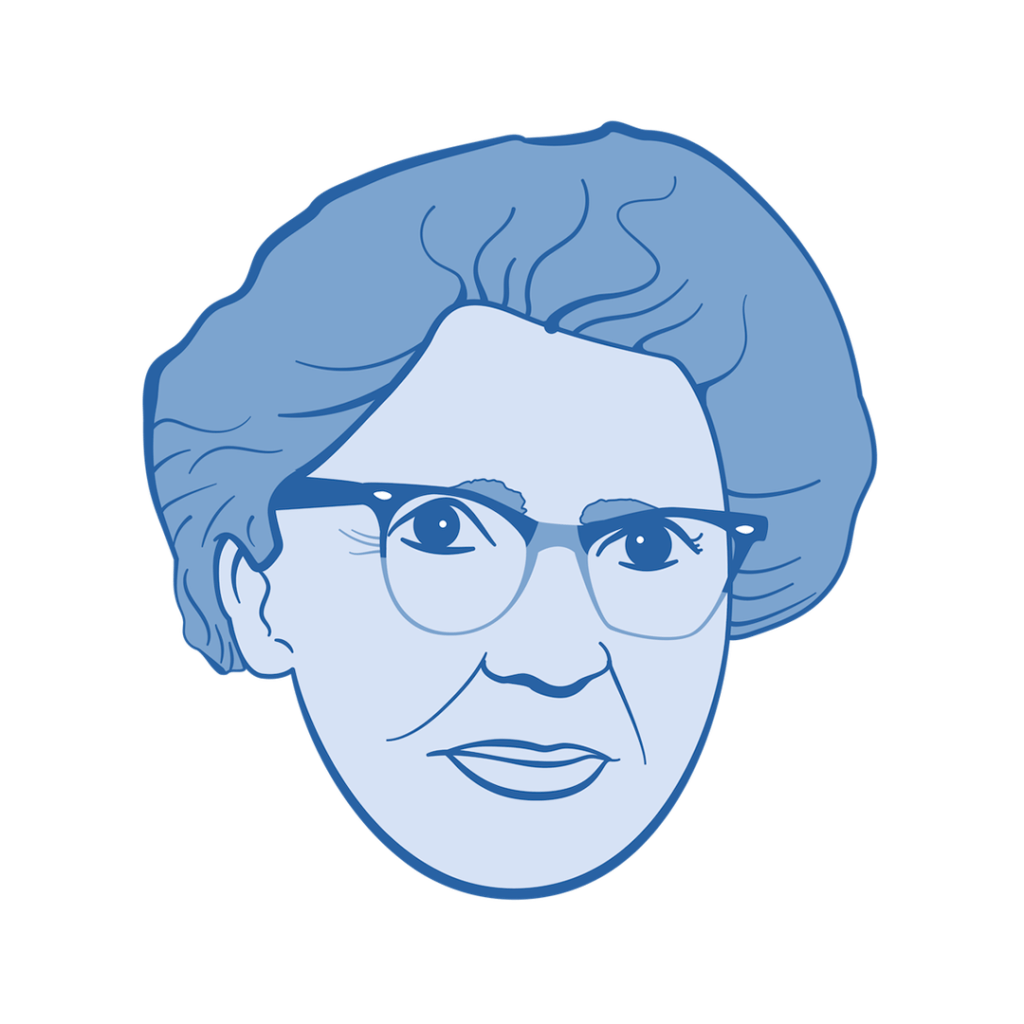
19. Helen Brooke Taussig
Helen Brooke Taussig is the founder of pediatric cardiology. In the 1940s, she developed the Blalock-Taussig shunt, which saved countless “blue babies” born with heart defects. This delicate surgery gave thousands of children a chance at life.
Dr. Taussig also fought against the use of thalidomide, preventing countless congenital disabilities. Her work redefined pediatric care; her impact is immeasurable.
More about Helen Brooke Taussig >>
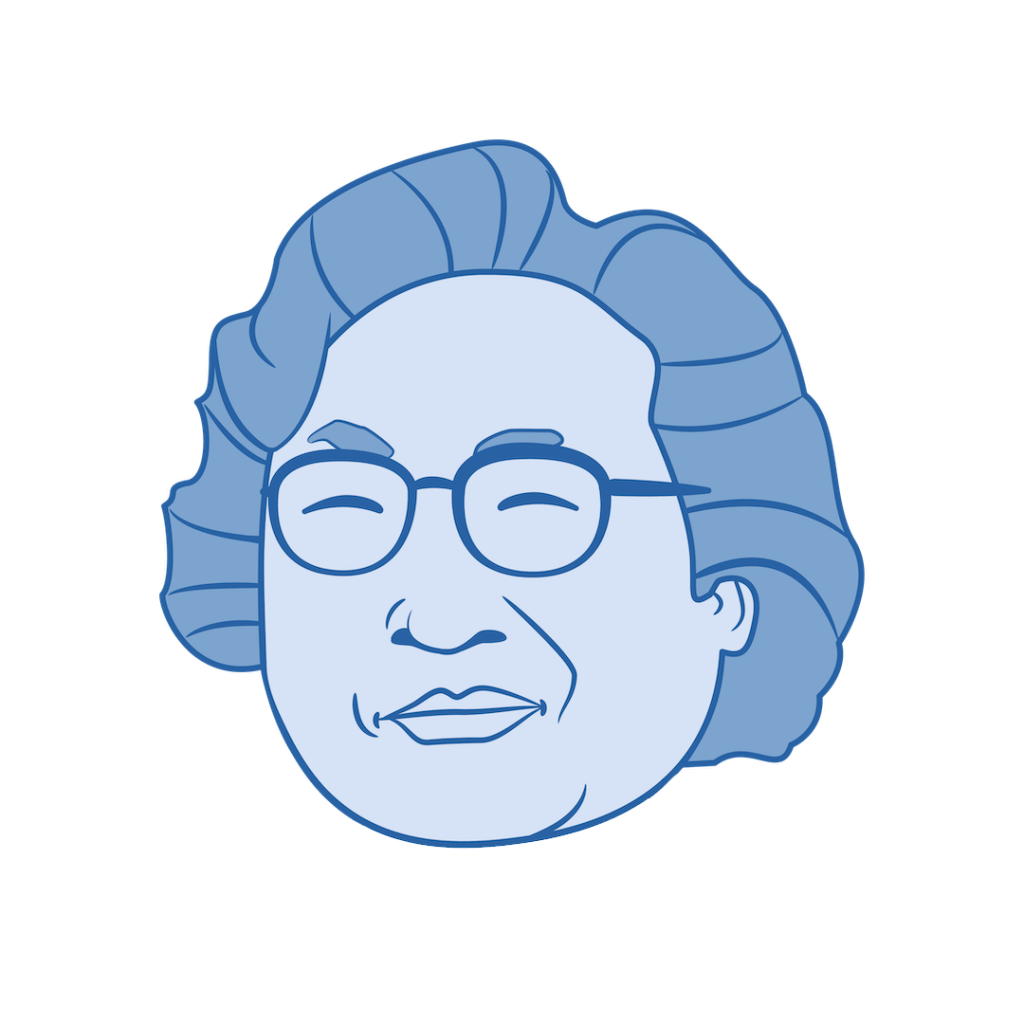
20. Tu Youyou
A Chinese pharmacologist, Tu Youyou brought ancient wisdom to modern medicine by scouring traditional Chinese texts for potential modern-day treatments. Her research uncovered artemisinin, a malaria treatment that has saved millions of lives.
While working with meager resources during China’s Cultural Revolution, Youyou tested compounds tirelessly, even on herself. Her work earned her the honor of being the first Chinese woman to win a Nobel Prize in science, proving that one woman’s vision can heal the world.
Women in Medicine: An Enduring Legacy
As we draw the threads of history together, the tapestry of women in medicine stands as a vivid testament to resilience, intellect, and compassion woven through the ages. From Peseshet’s ancient leadership to Youyou’s groundbreaking discoveries, each has added a unique and indispensable thread, enriching the fabric of medical knowledge and practice. Despite numerous attempts to unravel their contributions, these women’s stories have endured, their courage and brilliance enriching the overall tapestry of medicine and health care.
Today’s medical landscape, which is far more inclusive and diverse, is a direct reflection of their unyielding spirit and pioneering efforts. Their collective history forms a cohesive whole, demonstrating that the legacy of women in medicine is a powerful, enduring fabric—complex, colorful, and vital—that continues to inspire and heal the world. As we face ongoing and brand new health challenges, their legacy inspires us to continue pushing, healing, and making the world a better, more equitable place.
Key Takeaways
- Women have contributed to medicine since ancient times despite societal barriers.
- Pioneers like Elizabeth Blackwell and Jane Sharp challenged norms to advance healthcare.
- Early female healers combined practical care with traditional remedies.
- Modern advances include pediatrics, surgical innovations, and medical education leadership.
- Ongoing efforts aim to improve gender equity and access in medicine.
References
- https://pubmed.ncbi.nlm.nih.gov/2685681/
- https://hekint.org/2022/12/13/healer-of-the-pharaohs-historys-first-woman-doctor/
- https://literatura.womenslegacyproject.eu/catalog/18912562_en
- https://hekint.org/2025/01/23/metrodora-egyptian-physician-midwife-and-surgeon/
- https://www.nlm.nih.gov/hmd/medieval/salerno.html
- https://scientificwomen.net/women/trota_of_salerno–91
- htpioneers’.monstrousregimentofwomen.com/2023/11/jacoba-felicie-de-almania-fourteenth.html
- https://hekint.org/2020/06/16/women-in-the-medical-profession-the-trial-of-jacoba-felicie-de-almania/
- https://www.encyclopedia.com/women/encyclopedias-almanacs-transcripts-and-maps/bocchi-dorotea-fl-1390-1430
- https://dbpedia.org/page/Dorotea_Bucca
- https://www.infinite-women.com/women/abella-of-salerno/
- https://scientificwomen.net/women/guarna-rebecca_de-42
- https://www.monstrousregimentofwomen.com/2025/04/rebecca-guarna-and-practice-of-medicine.html
- https://exhibits.library.duke.edu/exhibits/show/baskin2016/bourgeois
- https://pubmed.ncbi.nlm.nih.gov/14977911/
- https://link.springer.com/chapter/10.1057/9780230607330_100
- https://earlymodernstudiesjournal.org/review_articles/swaddling-england-jane-sharps-midwives-book-shaped-body-early-modern-reproductive-tradition/
- https://www.thelancet.com/journals/lancet/article/PIIS0140-6736(24)00761-X/abstract
- https://www.britannica.com/biography/Elizabeth-Blackwell
- https://www.womenshistory.org/education-resources/biographies/elizabeth-blackwell
- https://cfmedicine.nlm.nih.gov/physicians/biography_325.html
- https://www.nps.gov/people/mary-walker.htm
- https://www.britannica.com/biography/Elizabeth-Garrett-Anderson
- https://women.qmul.ac.uk/virtual/women/atoz/anderson.htm
- https://esearch.sc4.edu/WIS/garrettanderson
- https://cfmedicine.nlm.nih.gov/physicians/biography_253.html
- https://history.nebraska.gov/publications/susan-la-flesche-picotte
- https://beckerexhibits.wustl.edu/legacy-exhibits/mig/bios/corig.html
- https://www.nobelprize.org/stories/women-who-changed-science/gerty-cori/
- https://pmc.ncbi.nlm.nih.gov/articles/PMC6056375/
- https://www.womenshistory.org/education-resources/biographies/virginia-apgar
- https://www.rosalindfranklin.edu/about/facts-figures/dr-rosalind-franklin/
- https://www.epa.gov/radtown/women-radiation-history-rosalind-franklin
- https://profiles.nlm.nih.gov/spotlight/kr/feature/biographical
- https://www.britannica.com/biography/Helen-Brooke-Taussig
- https://www.womenshistory.org/education-resources/biographies/helen-taussig
- https://www.nobelprize.org/stories/women-who-changed-science/tu-youyou/
- https://pmc.ncbi.nlm.nih.gov/articles/PMC3195493/
- https://archive.org/details/bim_early-english-books-1641-1700_the-midwives-book-_sharp-mrs-jane_1671/page/4/mode/2up
- https://www.academia.edu/42067769/Metrodoras_Work_on_the_Diseases_of_Women_and_Their_Cures
- https://pmc.ncbi.nlm.nih.gov/articles/PMC4235590/
- https://archive.org/details/67521160R.nlm.nih.gov
- https://www.cmohs.org/recipients/mary-e-walker
- https://www.nobelprize.org/stories/women-who-changed-science/gerty-cori/
- https://www.osmosis.org/learn/Early_Care_of_the_Newborn
- https://cfmedicine.nlm.nih.gov/physicians/biography_316.html
- https://www.healthline.com/health/blue-baby-syndrome
- https://pmc.ncbi.nlm.nih.gov/articles/PMC5535574/
- https://www.raps.org/news-and-articles/news-articles/2019/10/helen-brooke-taussig-an-often-overlooked-advocate
- https://www.sciencedirect.com/science/article/pii/S2095809923002473
- https://pmc.ncbi.nlm.nih.gov/articles/PMC4966551/
- https://scientificwomen.net/women/peseshet–78
- https://www.metmuseum.org/perspectives/trotula-womens-medicine-in-middle-ages
- https://scientificwomen.net/women/trota_of_salerno–91
- https://hekint.org/2020/06/16/women-in-the-medical-profession-the-trial-of-jacoba-felicie-de-almania/
- https://picottecenter.org/dr-susan
- https://blog.sciencemuseum.org.uk/doctor-who-100-years-of-female-doctors/

Try Osmosis by Elsevier today! Access your free trial and discover why millions of current and future clinicians and caregivers love learning with us.

Leave a Reply