
Category: Osteopathic Medicine (DO)
-
The Top 10 Helpful Medical Mnemonics from Osmosis
— Updated:
Dive into the whirlwind of medical school with these top 10 mnemonics designed to enhance your learning and retention. From assessing melanoma to mastering heart sounds, these clever memory aids will help you navigate your studies and prepare for clinical practice. Keep them close to achieve success in your medical…
-
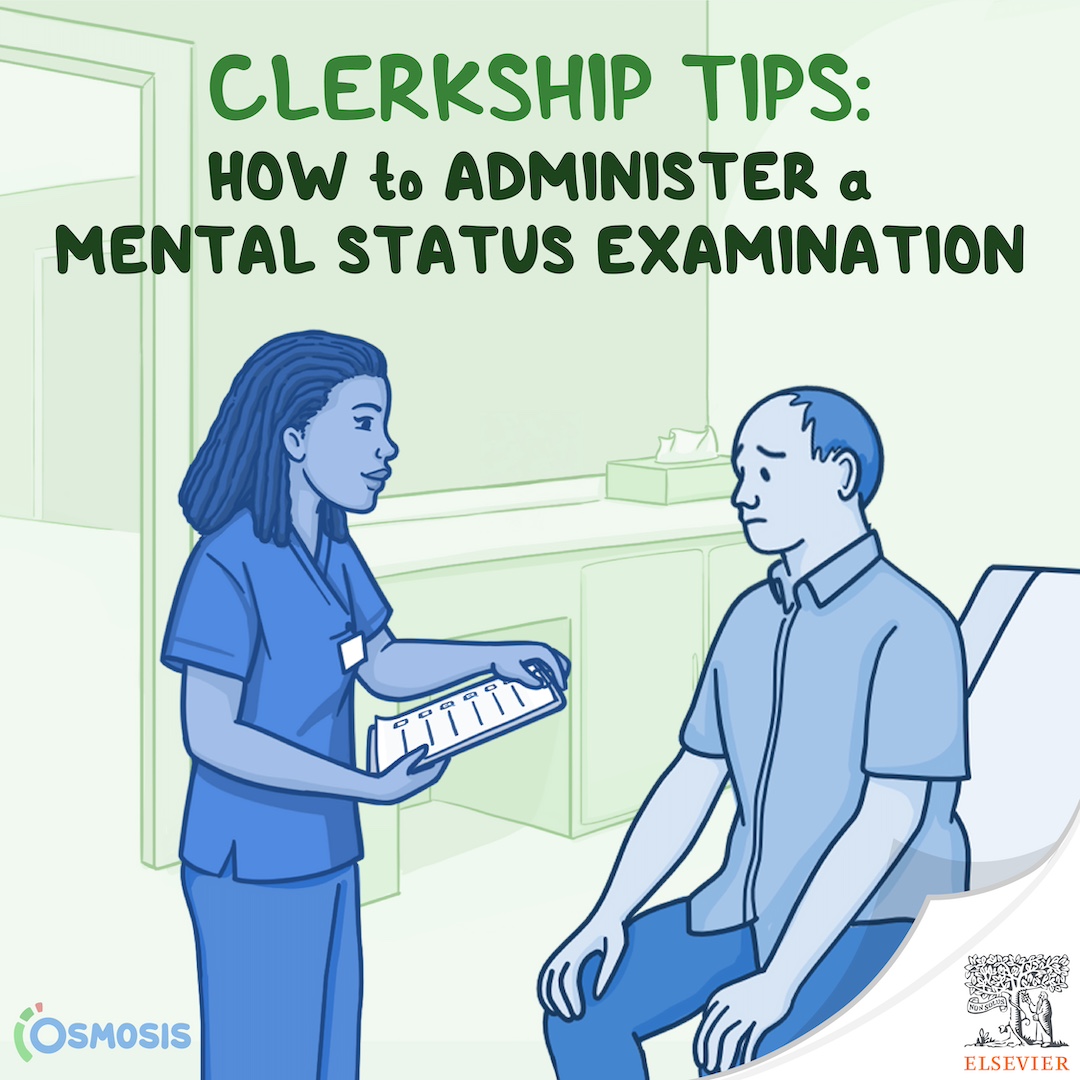
Clerkship Tips: How to Administer a Mental Status Examination
— Updated:
The Mental Status Exam (MSE) is essential for evaluating psychological functioning in clinical practice. This guide explores its components, significance, and tips for effective implementation in patient assessments, making it a valuable tool for healthcare providers across various specialties.
-
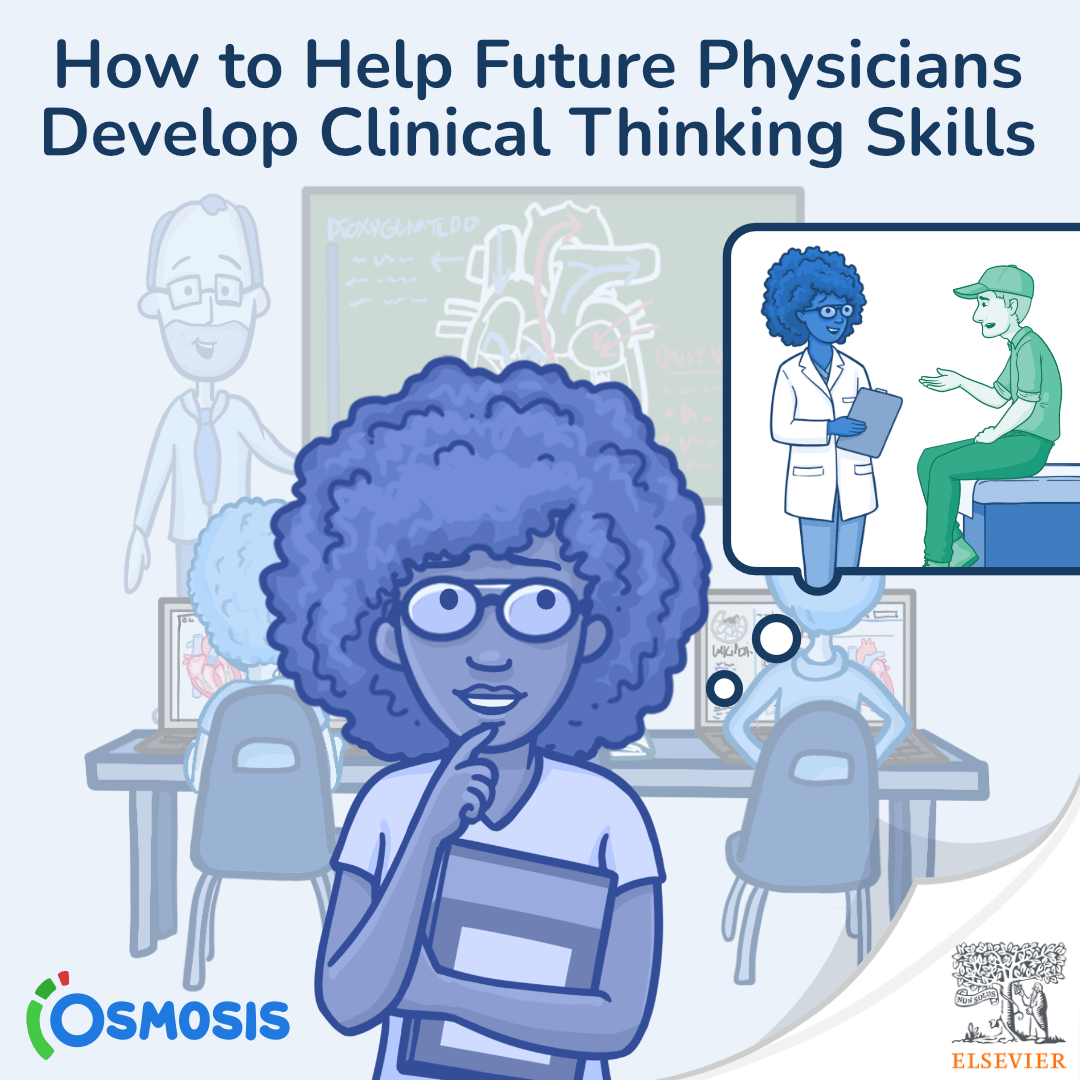
Developing Clinical Thinking Early in Future Physicians
— Updated:
Clinical thinking is the cornerstone of medical practice, enabling physicians to make accurate diagnoses, devise effective treatment plans, and provide exceptional patient care. For medical educators, fostering this critical skill set in future physicians early in their training is essential.
-

10 Examples of Outdated Heart Health Advice
— Updated:
Explore ten widespread heart health myths, their origins, and current evidence to better inform patient care and personal wellness.
-
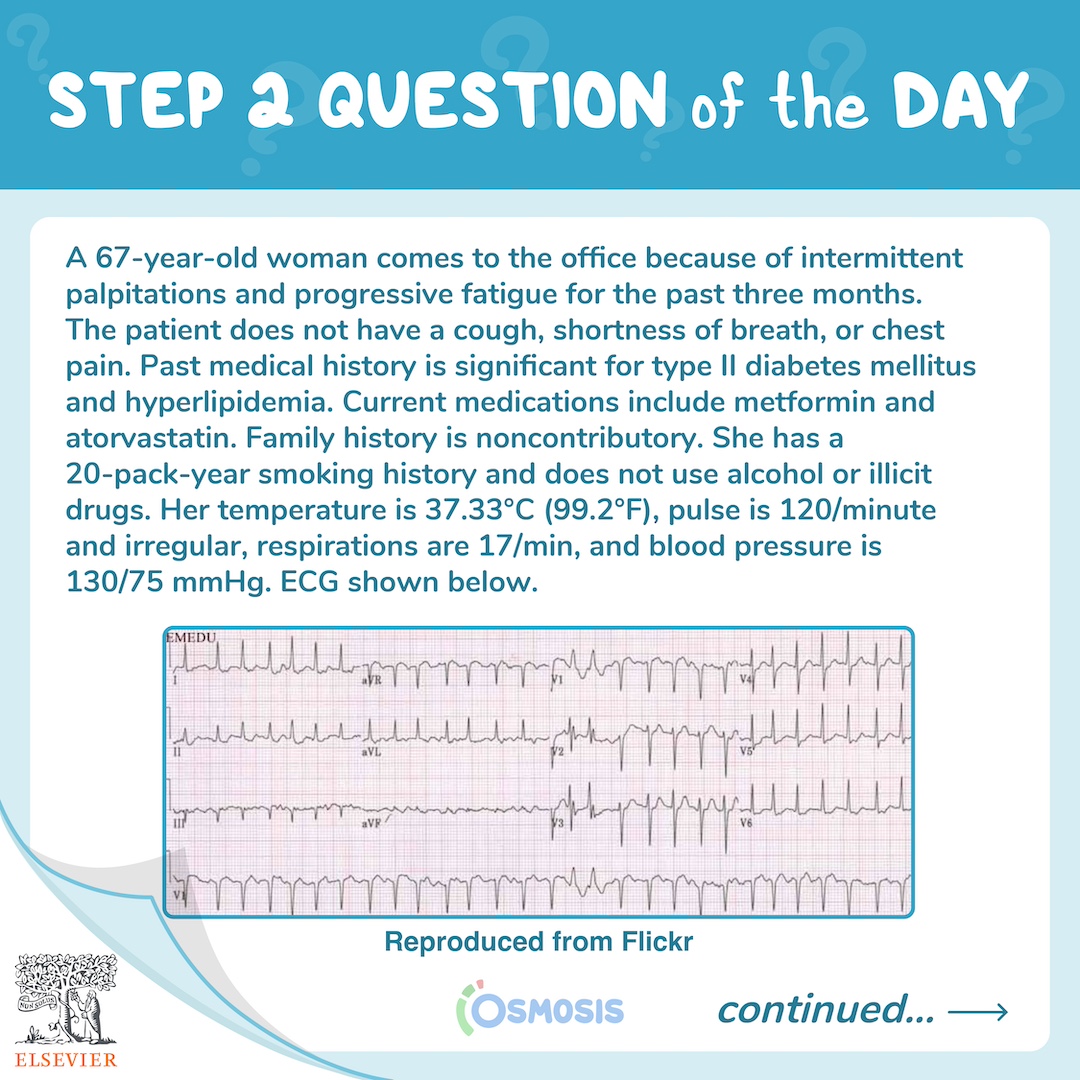
USMLE® Step 2 Question of the Day: Medication effects
— Updated:
A 67-year-old woman presents with palpitations and fatigue. Dive into her ECG and labs to discover which treatment effectively prevents serious AF complications.
-
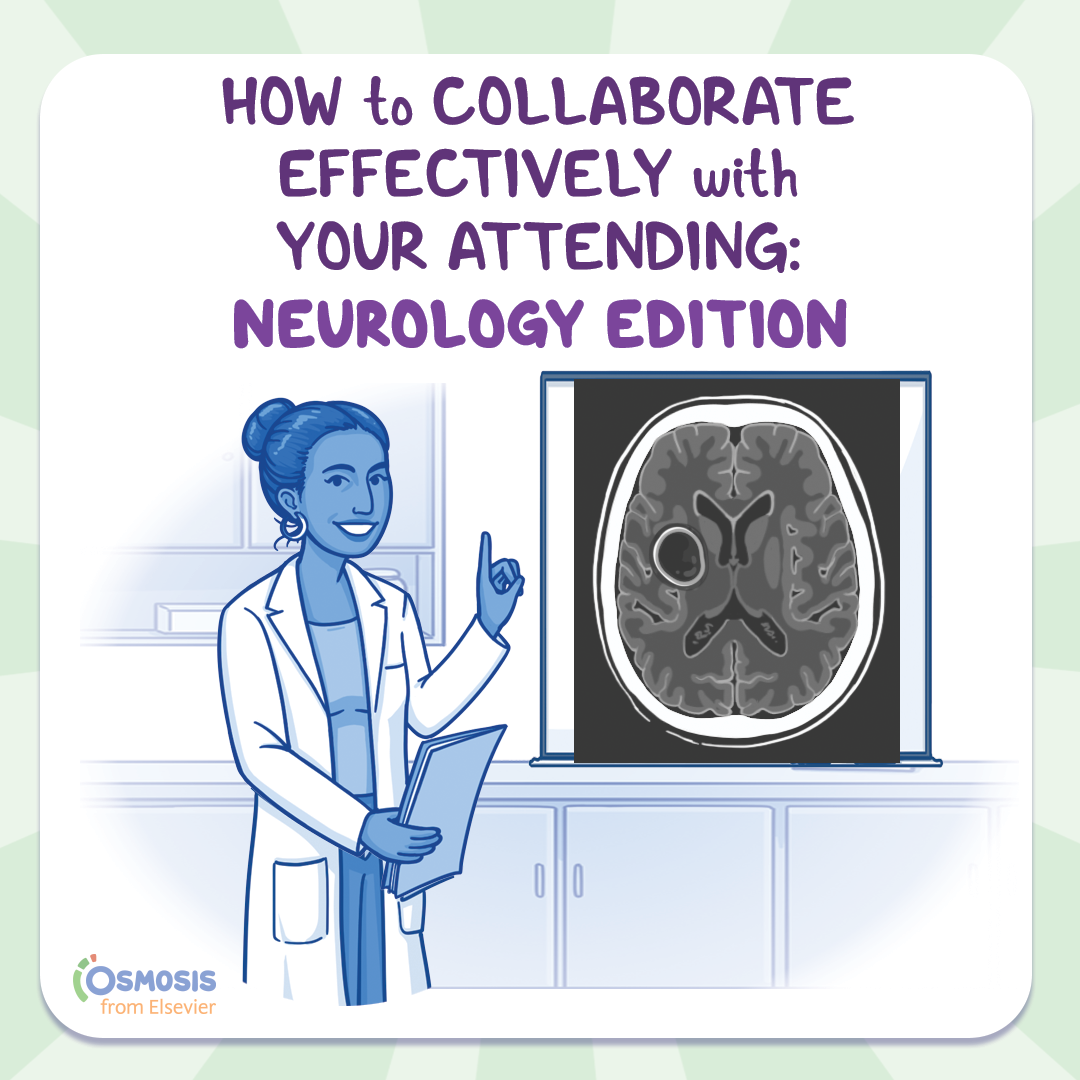
How to Collaborate Effectively with Your Attending: Neurology Edition
— Updated:
Welcome to your neurology clerkship! Discover key strategies for mastering patient examinations, enhancing clinical skills, and maximizing learning opportunities during this unique rotation.
-
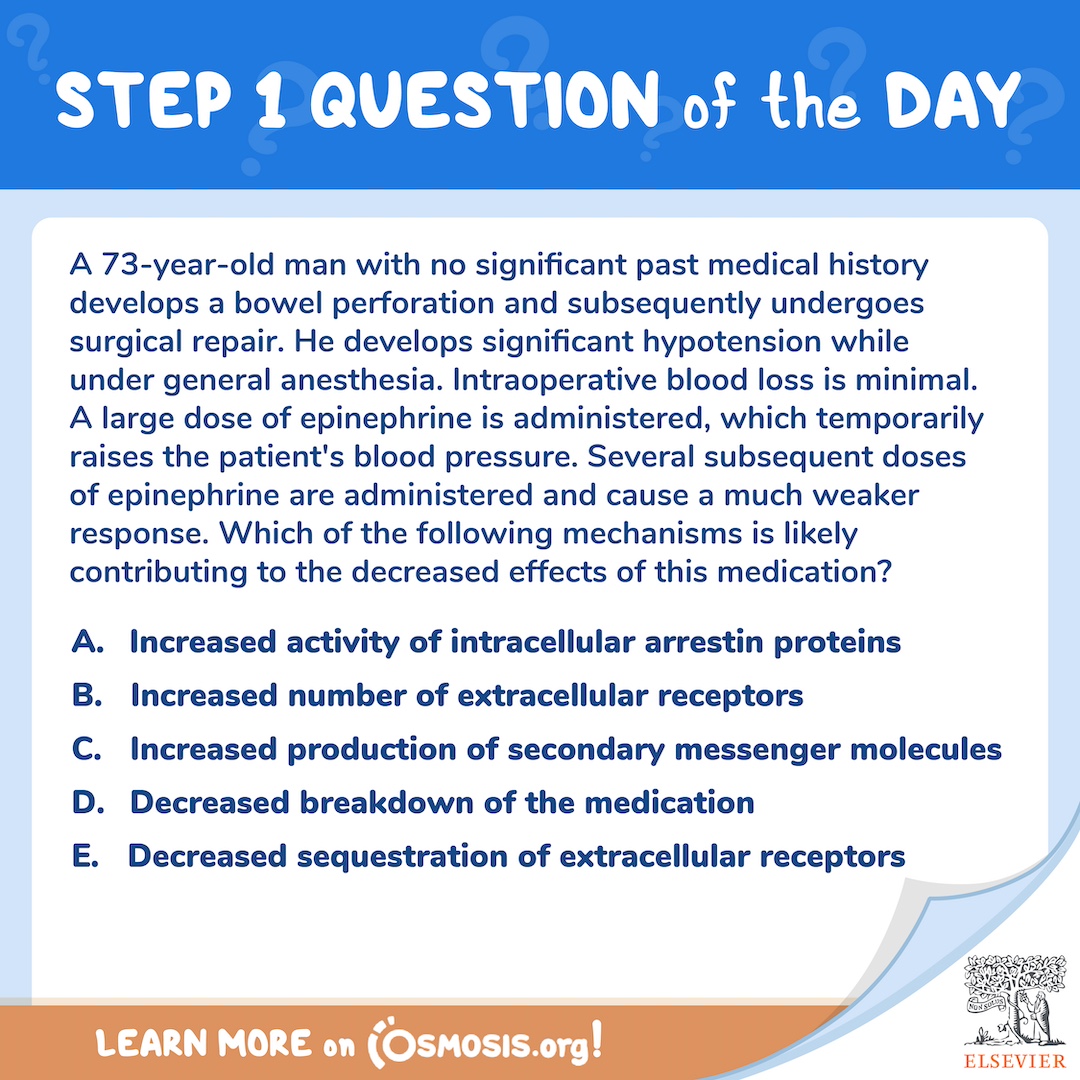
USMLE® Step 1 Question of the Day: Epinephrine response
— Updated:
Examine a clinical case of a 73-year-old man with hypotension during surgery and learn about the pharmacological mechanisms, including desensitization, affecting his response to epinephrine. Enhance your understanding of managing intraoperative hypotension effectively.
-
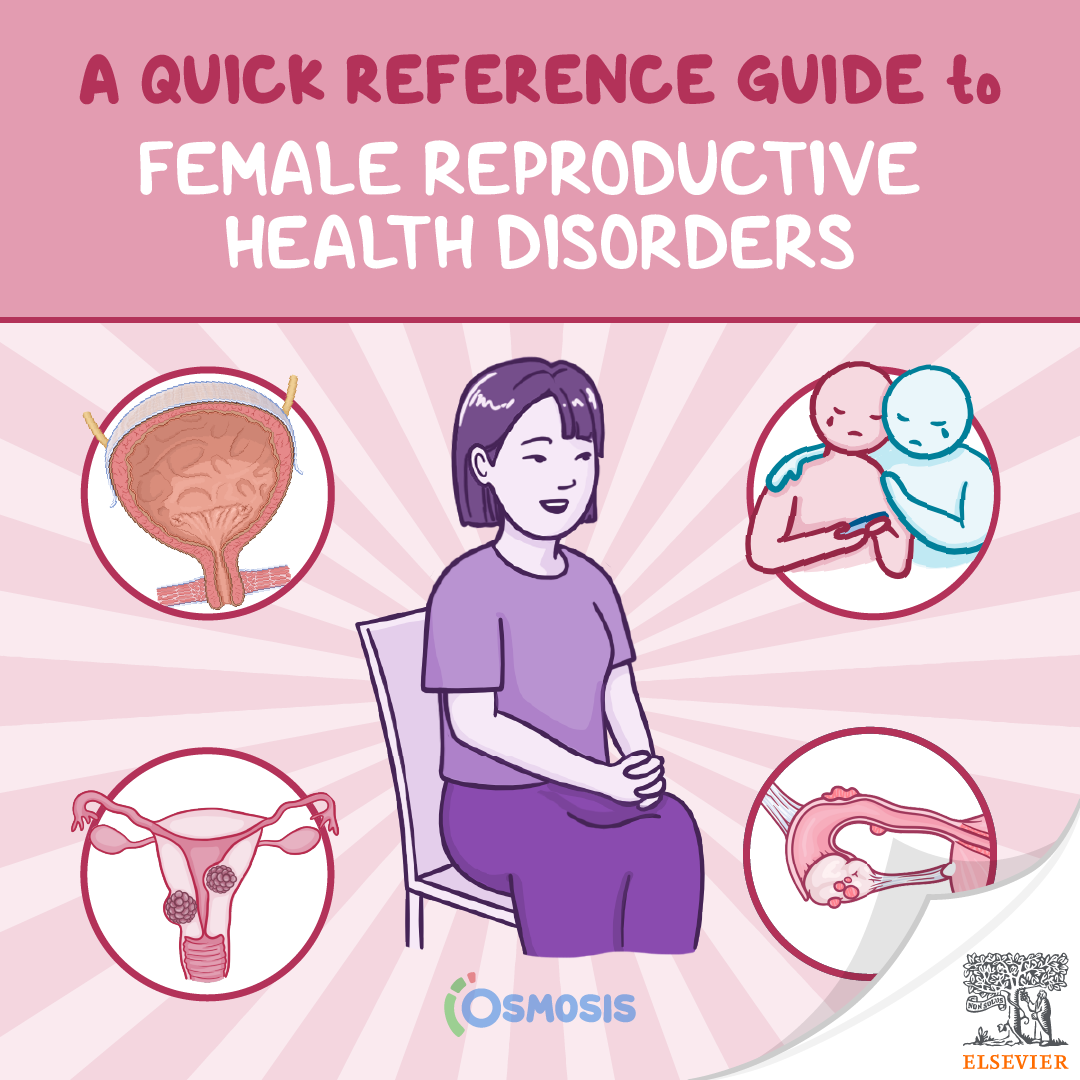
A Quick Reference Guide to Female Reproductive Health Disorders
— Updated:
Learn about prevalent reproductive health disorders affecting female bodies, including their signs, diagnostic methods, and treatment options.
-
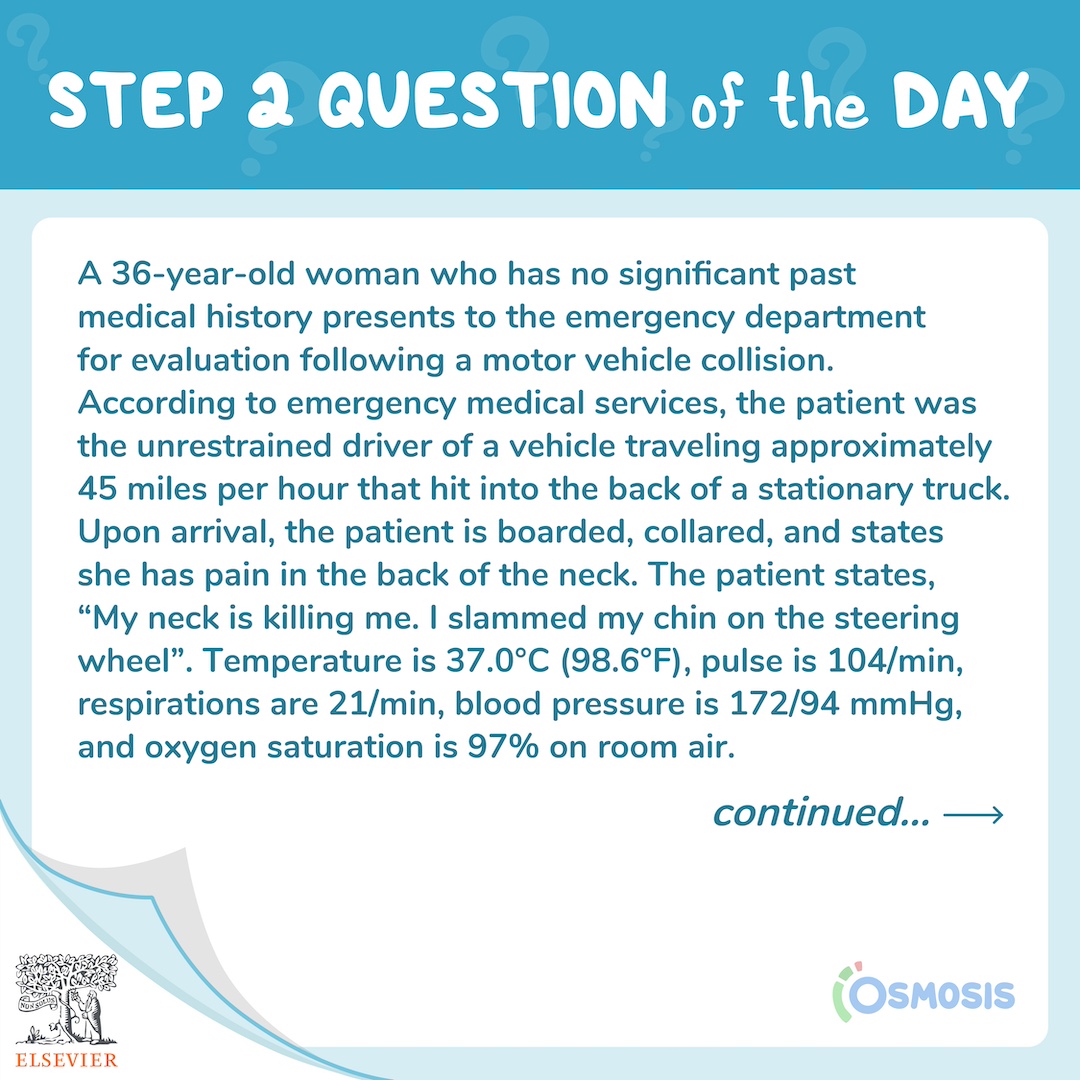
USMLE® Step 2 Question of the Day: Neck pain
— Updated:
Enhance your diagnostic skills and prepare effectively for the USMLE® Step 2 exam by exploring a case study involving a 36-year-old woman with acute neck pain following a motor vehicle collision.
-
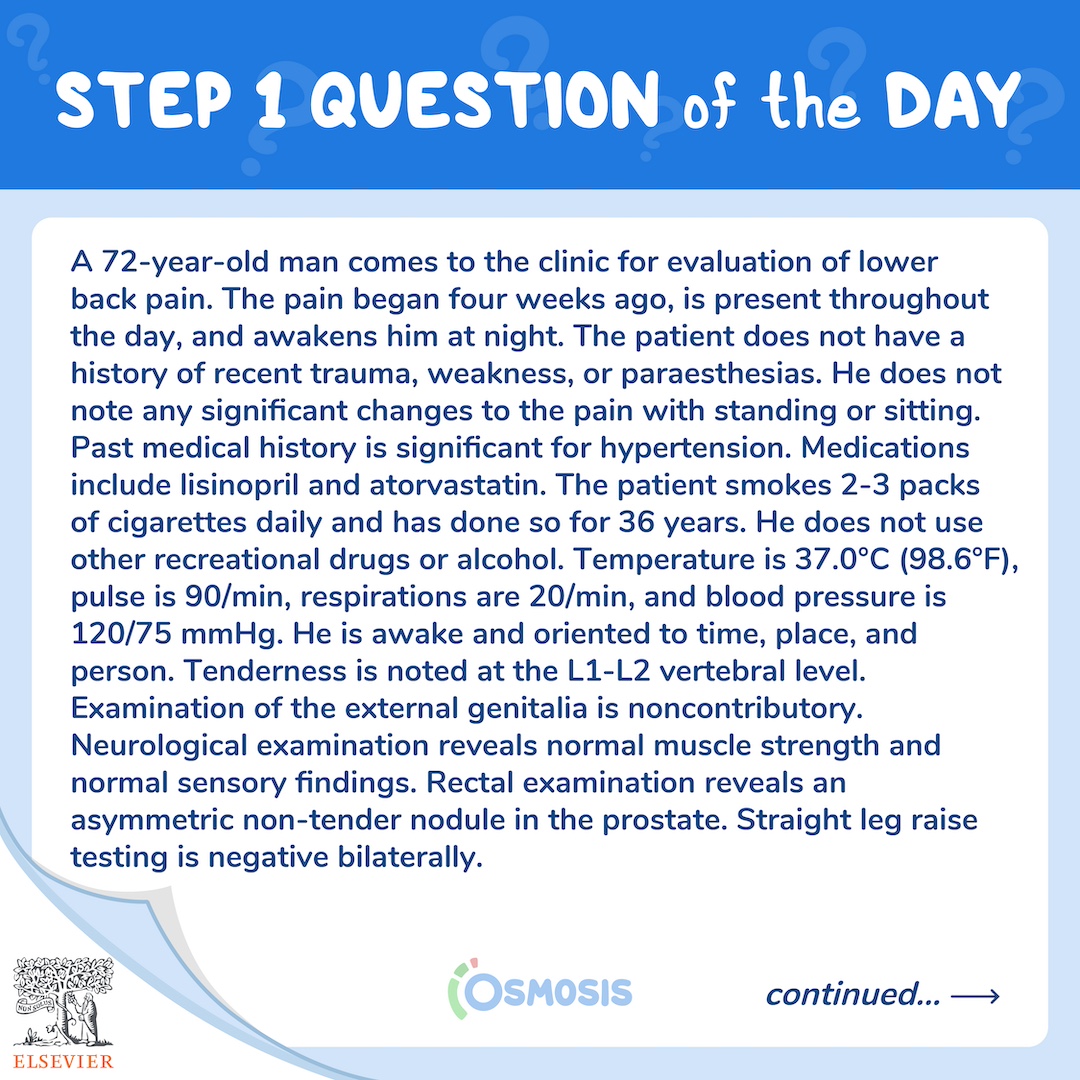
USMLE® Step 1 Question of the Day: Prostate nodule
— Updated:
Delve into today’s USMLE® Step 1 question on prostate cancer metastasis and understand the anatomical pathways and clinical implications involved.
-
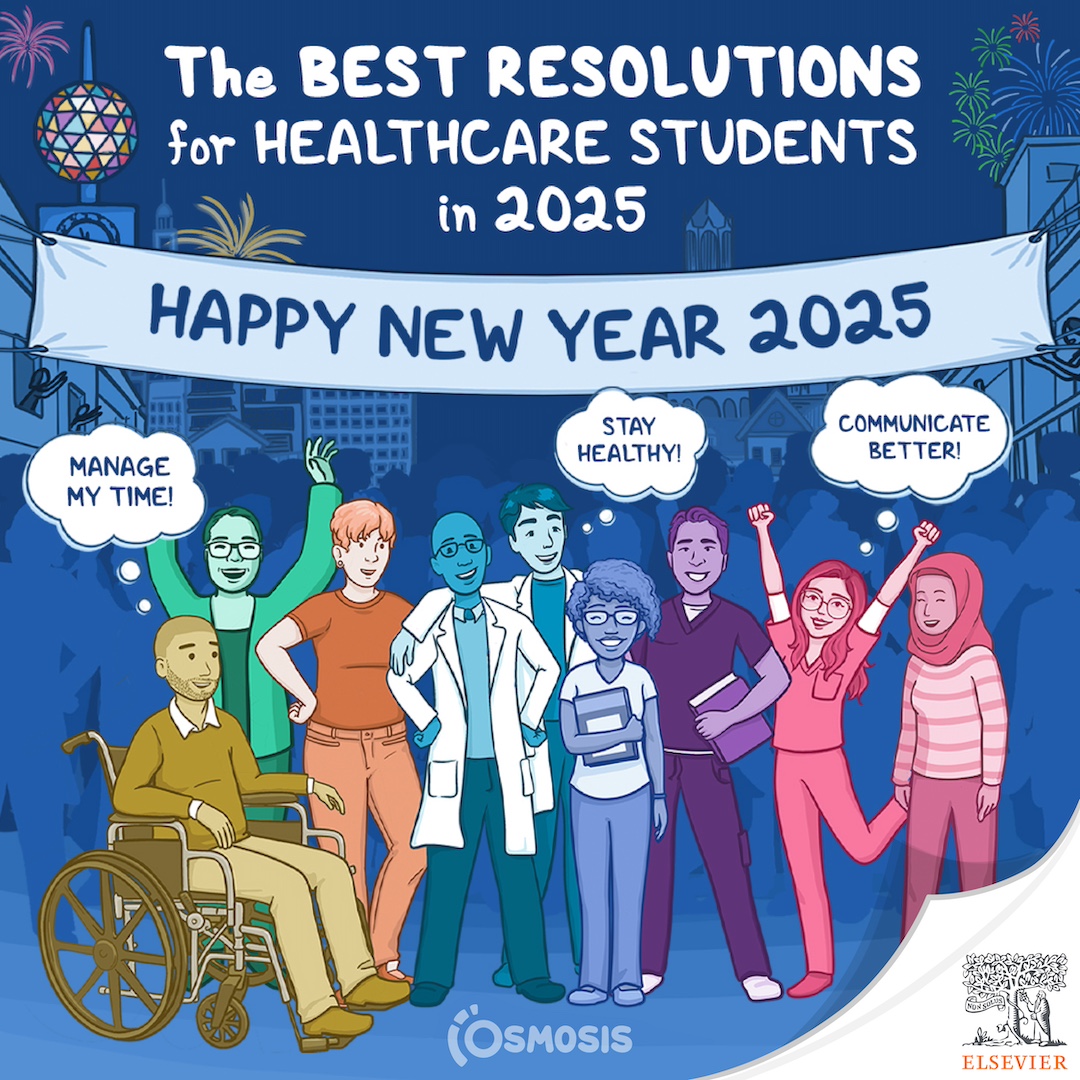
The Best Resolutions for Healthcare Students in 2025
— Updated:
Embrace the opportunity to thrive in your medical education with crucial resolutions tailored to healthcare students. From prioritizing self-care and enhancing clinical skills to fostering professional relationships and engaging in lifelong learning, these strategies will help you excel in your journey as a future healthcare professional.
-
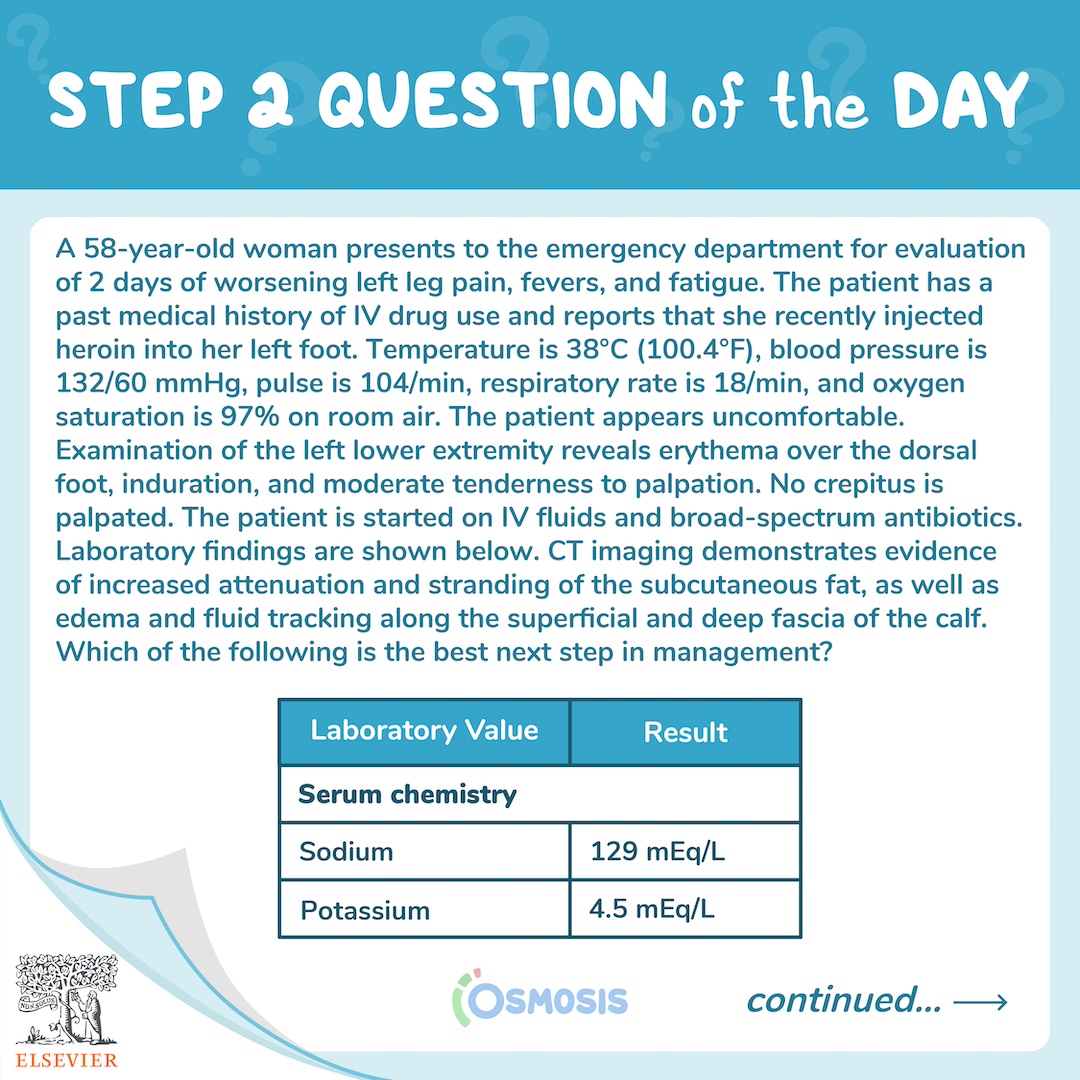
USMLE® Step 2 Question of the Day: Leg pain
— Updated:
Prep for the USMLE® Step 2 CK exam with this case study that focuses on a 36-year-old woman with acute leg pain. Learn how to recognize the common origins of thrombus and identify appropriate management steps. Dive into the details and sharpen your clinical skills for effective patient care!
-
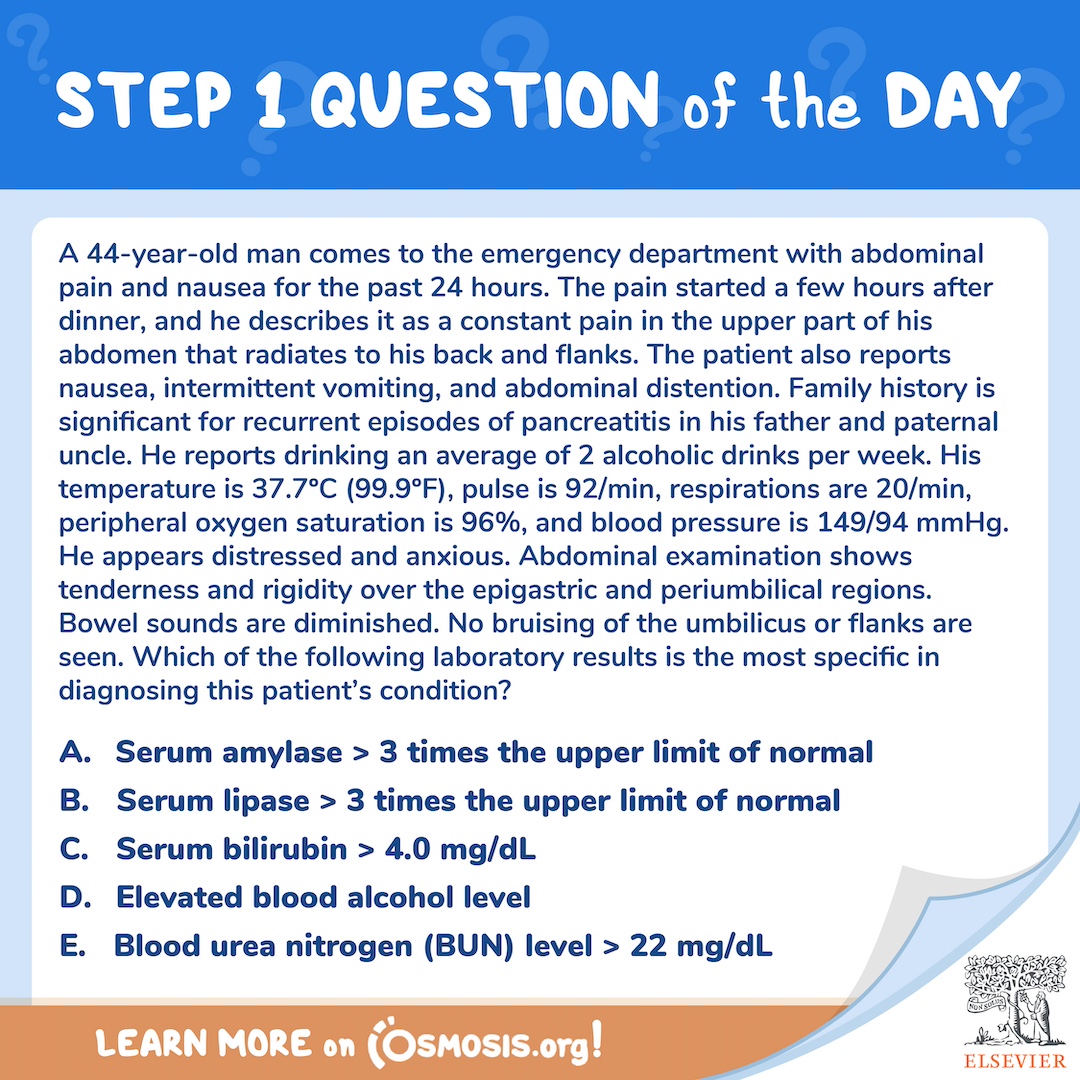
USMLE® Step 1 Question of the Day: Pancreatitis
— Updated:
Today, let’s focus on USMLE Step 1, with a question on acute pancreatitis. Can you recommend the appropriate diagnostic investigations, interpret the findings to establish a diagnosis, and describe the essential treatment options? Are you able to recall and recognize the clinical features and complications associated with this condition? Sharpen…
-
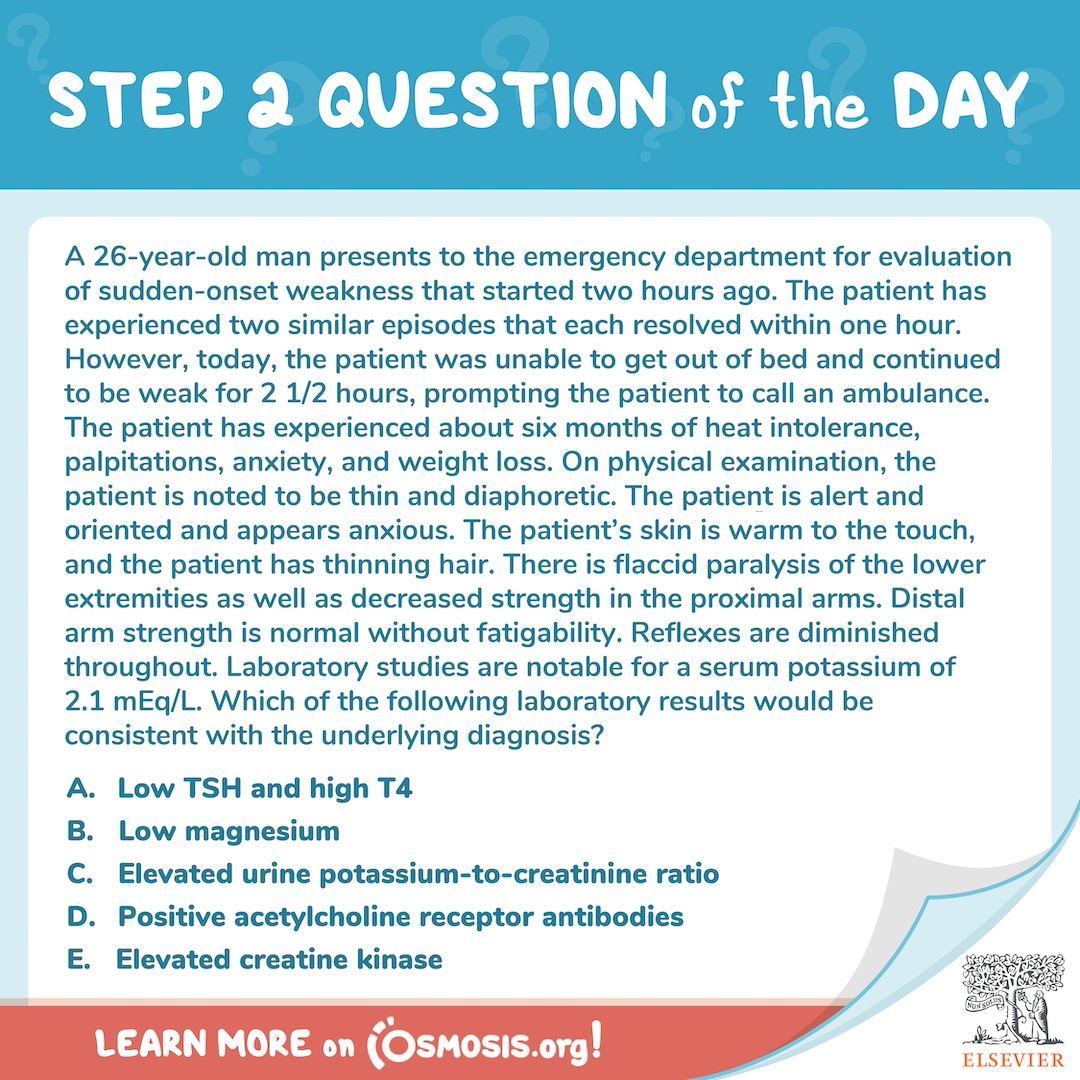
USMLE® Step 2 Question of the Day: Serum potassium
— Updated:
Prepare for your USMLE Step 2 CK with a question focusing on hypokalemia in adults. Can you formulate and prioritize a differential diagnosis for a patient presenting with hypokalemia, and identify the additional tests needed to confirm your diagnoses? Enhance your clinical reasoning skills with this important assessment. A 26-year-old…
-
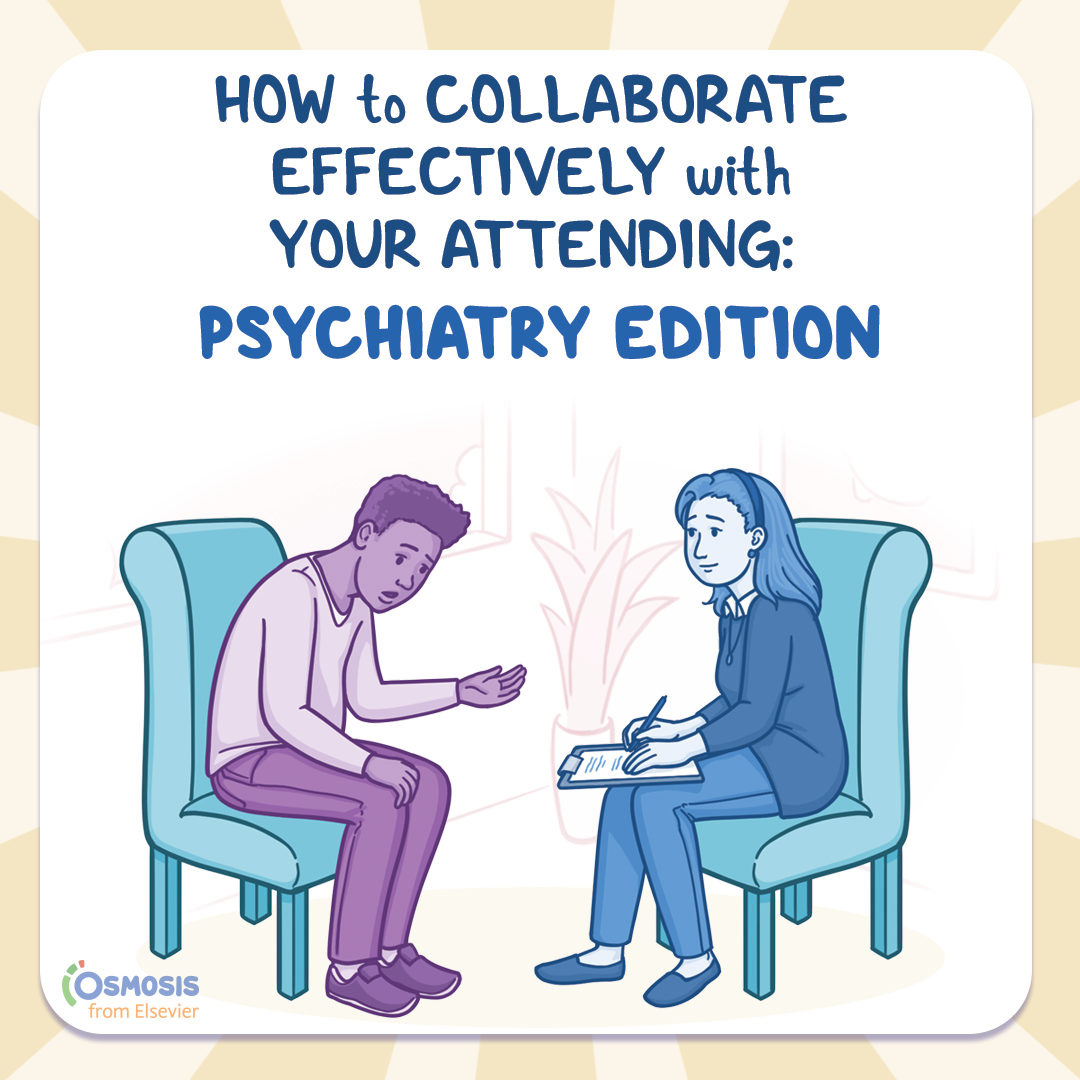
How to Collaborate with Your Psychiatry Attending
— Updated:
Welcome to your new psychiatry clerkship! To help you thrive during your clinical rotations, we’re sharing practical, hands-on advice from experienced medical professionals to help you make the most of your psychiatry rotation. We’ve compiled a quick psychiatry clerkship guide to help you seamlessly navigate your psychiatry rotation. The Fundamentals of…
-
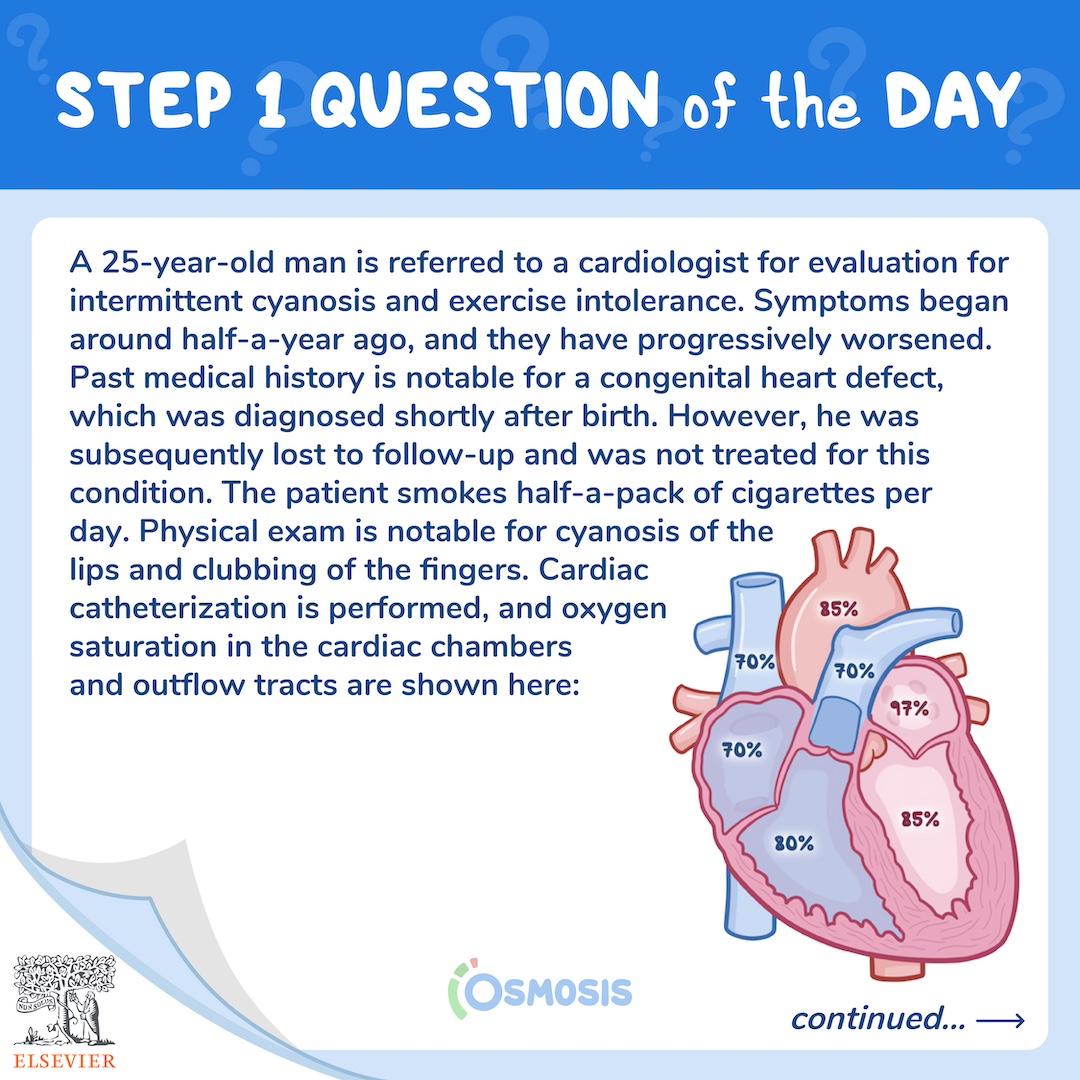
USMLE® Step 1 Question of the Day: Cardiac catheterization
— Updated:
Prepare for your USMLE Step 1 with a question focusing on Eisenmenger syndrome. Can you summarize the pathophysiology of this condition and recognize its key clinical features? Sharpen your understanding of this critical cardiovascular topic! A 25-year-old man is referred to a cardiologist for evaluation for intermittent cyanosis and exercise…
-
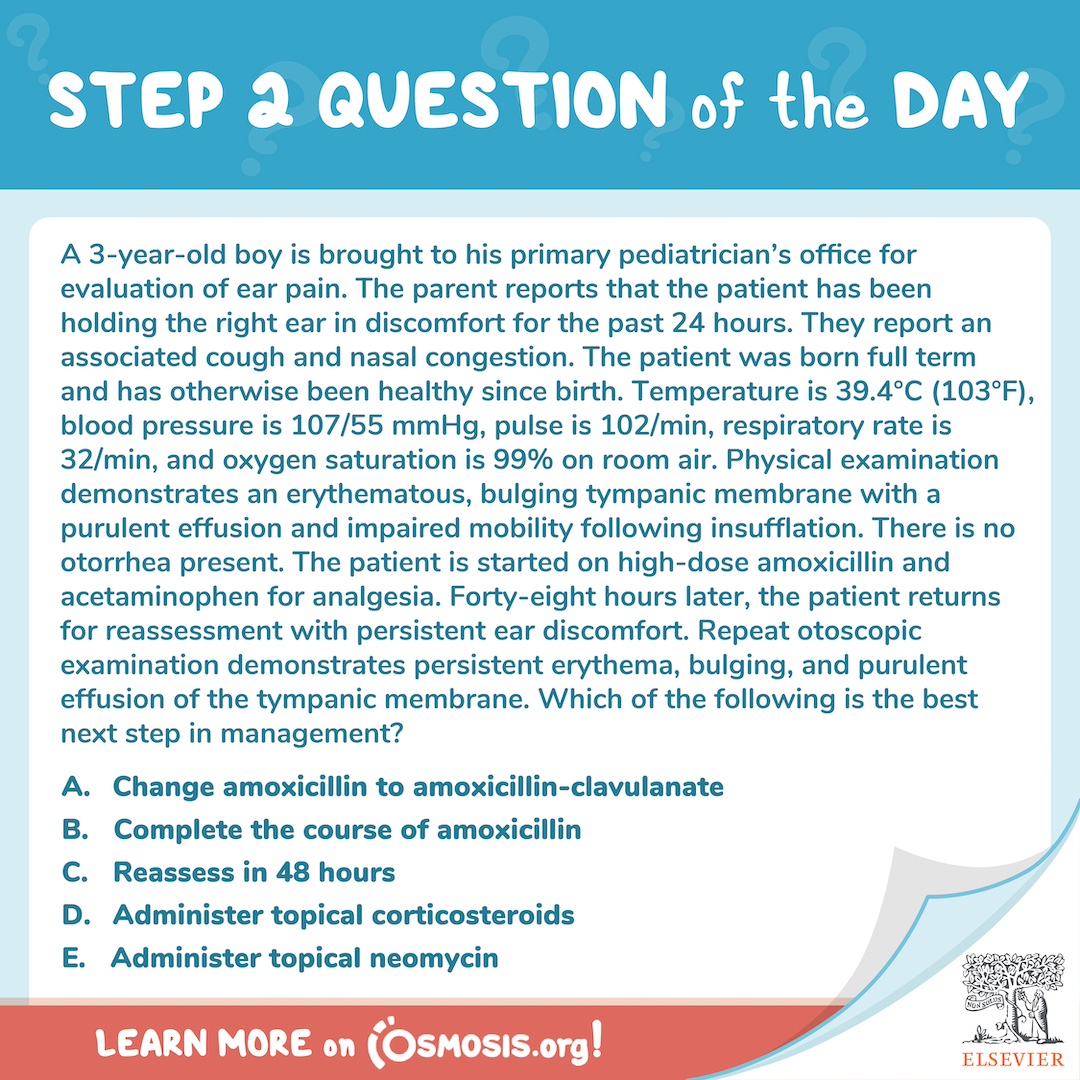
USMLE® Step 2 Question of the Day: Ear pain
— Updated:
Just in time with a new USMLE® Step 2 CK Question of the Day! Today’s case involves a 3-year-old boy with ear pain in his right ear along with a cough and nasal congestion. The patient is on high-dose amoxicillin and acetaminophen, but returns 48 hours later for reassessment. What’s the…
-
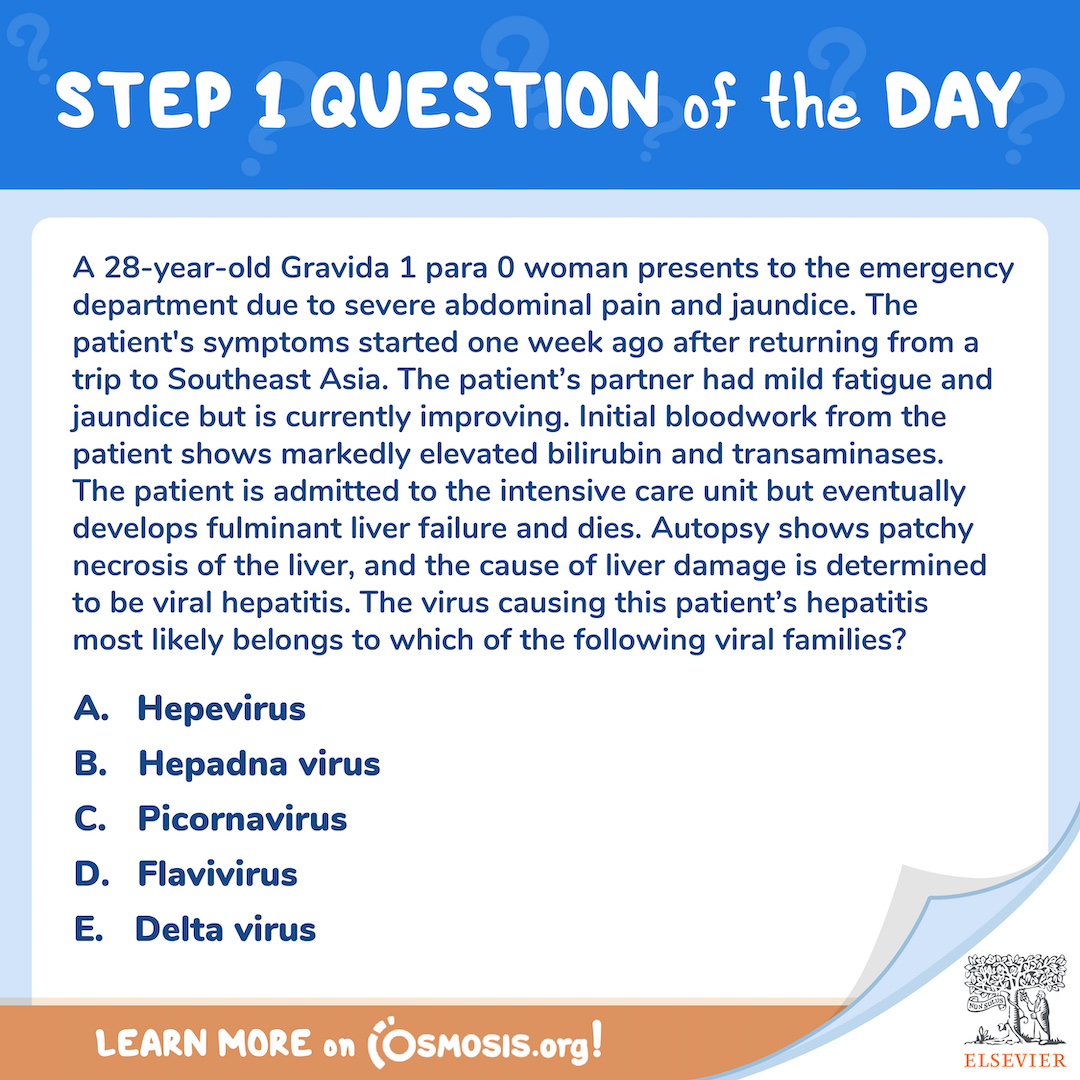
USMLE® Step 1 Question of the Day: Viral hepatitis
— Updated:
Prepare for the USMLE Step 1 exam with this detailed question about a 28-year-old woman experiencing severe abdominal pain and jaundice after returning from a trip to Southeast Asia. What family of viruses causes patchy necrosis of the liver? Test your knowledge and deepen your understanding of viral infections. A…
-
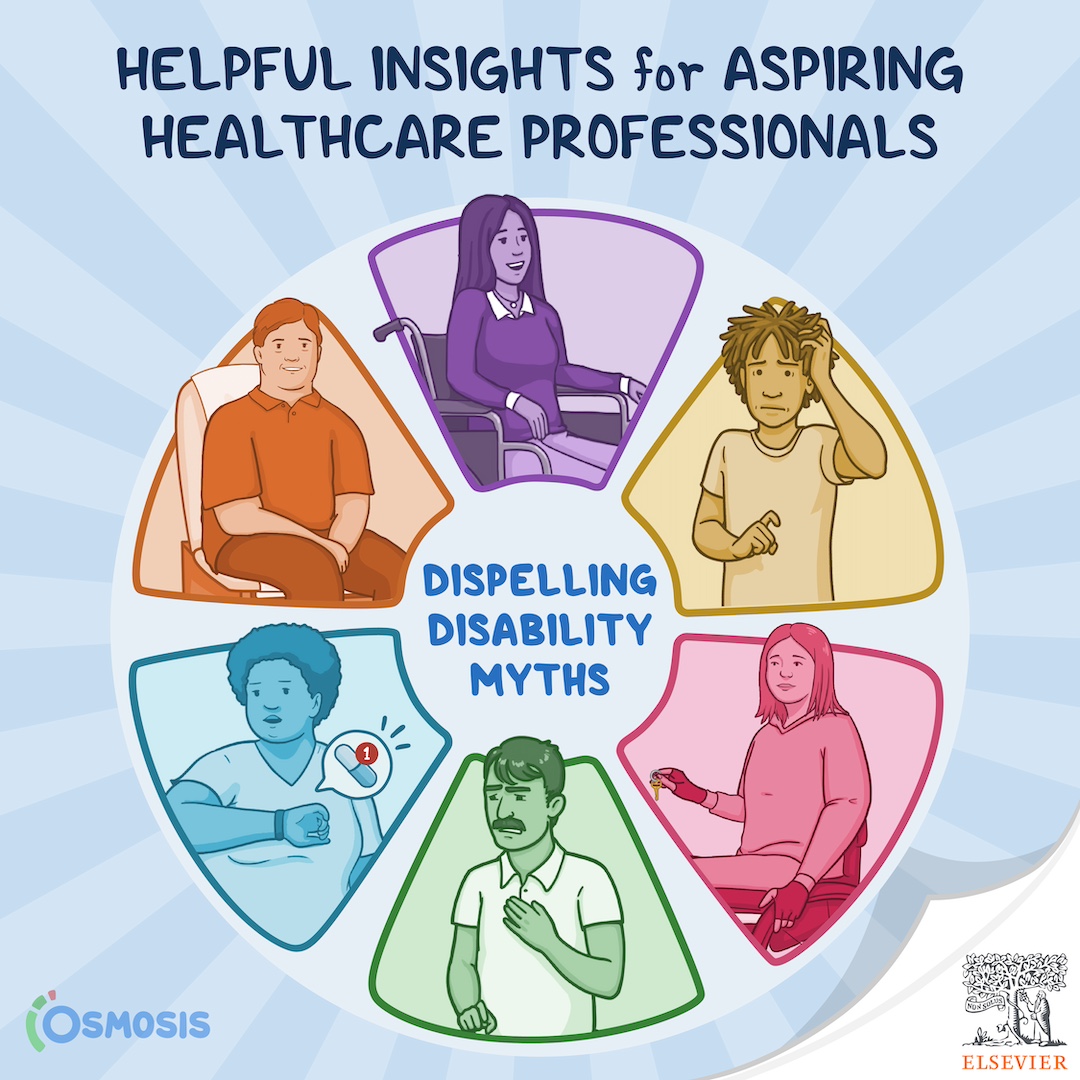
Dispelling Disability Myths: Helpful Insights for Aspiring Healthcare Professionals
— Updated:
According to the CDC, approximately one in four US adults will experience a disability at some point in their lives. Despite how common disability is, people with disabilities face ongoing misconceptions and biases that contribute to existing disparities in healthcare access and quality. It’s crucial to address and dispel these…
-
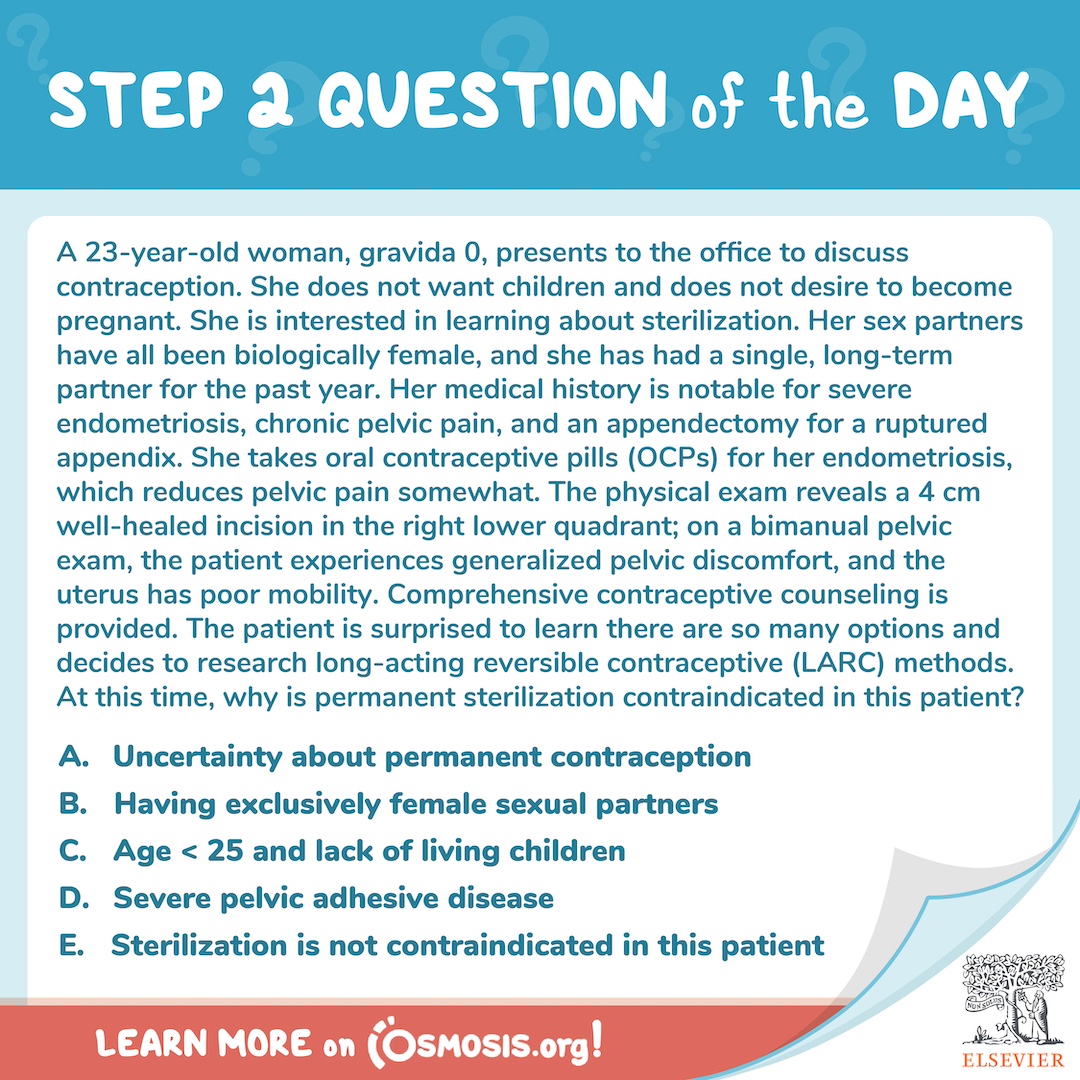
USMLE® Step 2 Question of the Day: LARC
— Updated:
A young woman considering permanent contraception expresses uncertainty and wants to explore LARCs first. Understand why full informed consent is essential before sterilization.
-
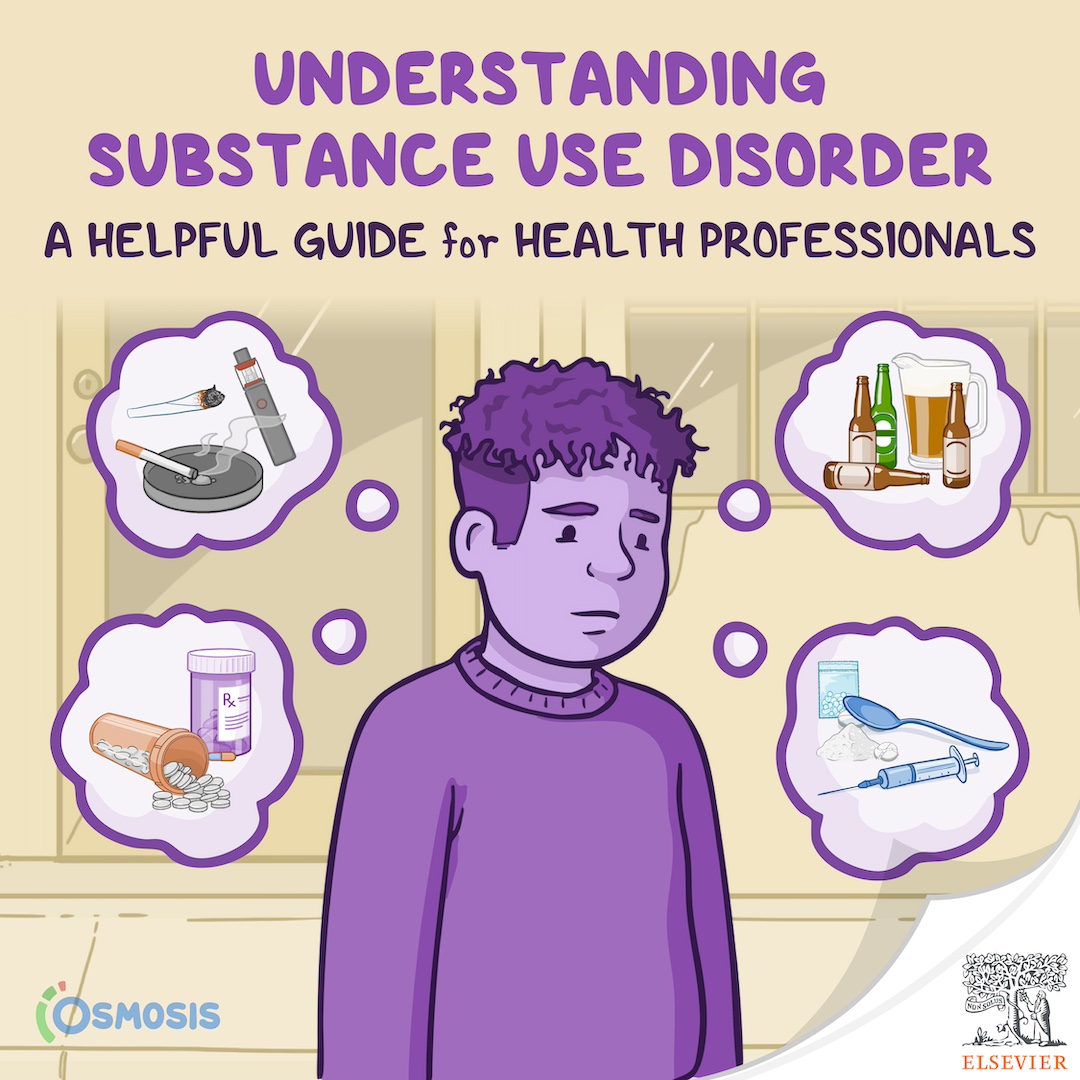
Understanding Substance Use Disorder: A helpful guide for health professionals
— Updated:
Substance Use Disorder (SUD) is a health condition involving a patient’s uncontrolled use of a substance, such as alcohol, drugs, and medications, that affects an individual’s daily life by impairing their physical and mental health, along with social functioning. There are about 20 million people in the US (approximately 6% of the total…
-

USMLE® Step 1 Question of the Day: Histologic analysis
— Updated:
Prepare for the USMLE Step 1 exam with this detailed question about a 57-year-old woman with malaise and intermittent fevers over the past several weeks. Can you correctly identify which of the following findings is most likely to be demonstrated on histologic analysis? A 57-year-old woman presents to her primary care…
-
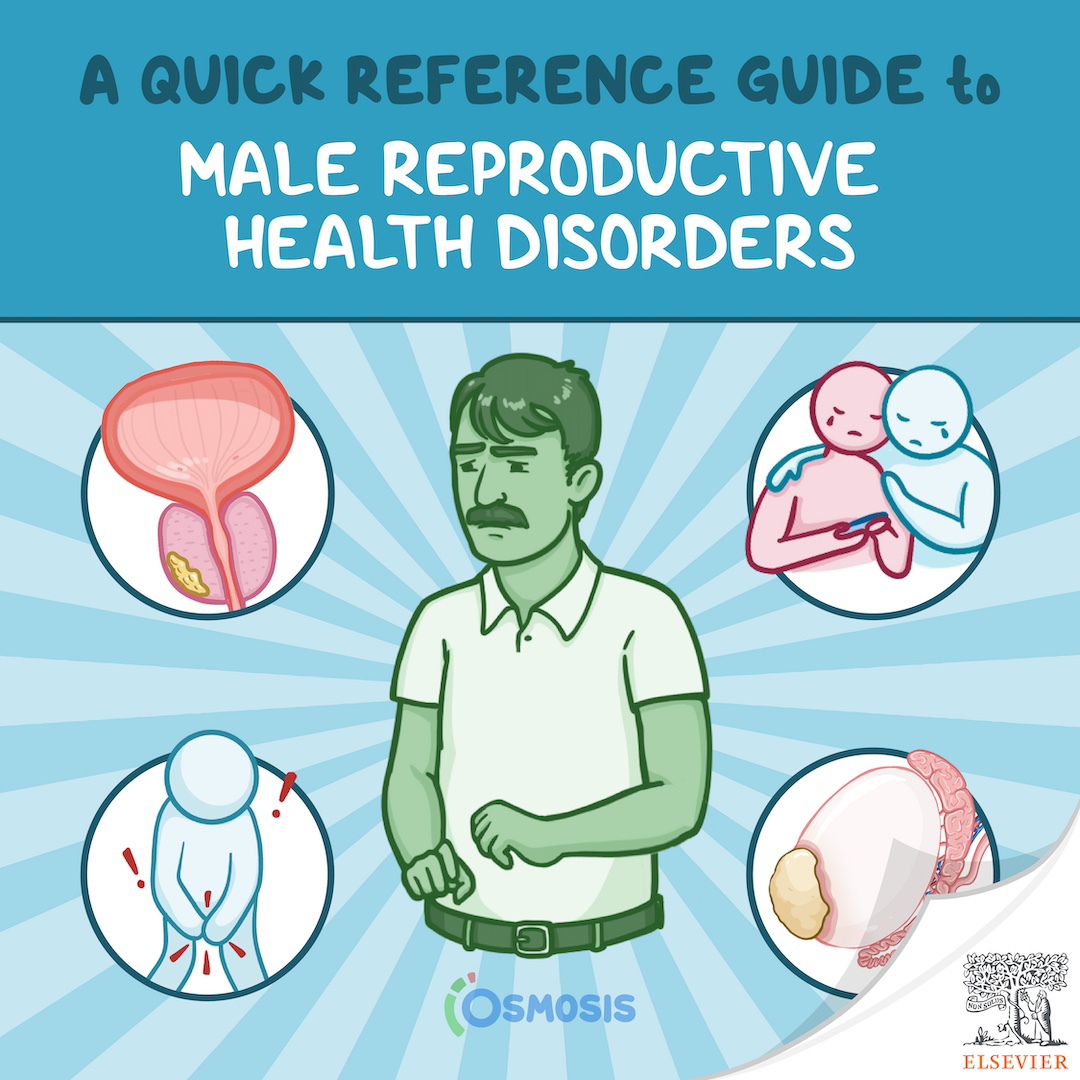
A Quick Reference Guide to Male Reproductive Health Disorders
— Updated:
Despite the importance of reproductive health in relation to overall well-being, many people avoid discussing it due to stigma, cultural norms, fear of judgment, lack of awareness, privacy concerns, and apprehension about medical intervention. Yet several reproductive health conditions significantly impact not only a male patient’s physical health but also…
-

Top Ten Health Conditions That Are Easily Misdiagnosed
— Updated:
An accurate diagnosis is the cornerstone of medicine and the basis for any treatment. Nonetheless, a misdiagnosis can happen to any clinician due to a variety of issues, including overlapping symptoms or referencing an incomplete medical history. Let’s look at a quick case study to consider the challenges and potential…
-

A Quick Mental Health Treatment Guide for Clinicians: Classic Psychotherapies
— Updated:
When contemplating the concept of psychotherapy, it’s not uncommon to conjure up images of a grand office space adorned with an extravagant leather sofa, where a patient reclines while reflecting on past childhood experiences. While this depiction may be prevalent in pop culture, it’s essential to recognize that psychotherapy includes…
-

How to Study Anatomy: Effectively Proven Strategies for Faster Learning
— Updated:
Unlock effective anatomy study strategies with tips on identifying your learning style, using mnemonics and visuals, managing study sessions, and boosting retention through group work.
-
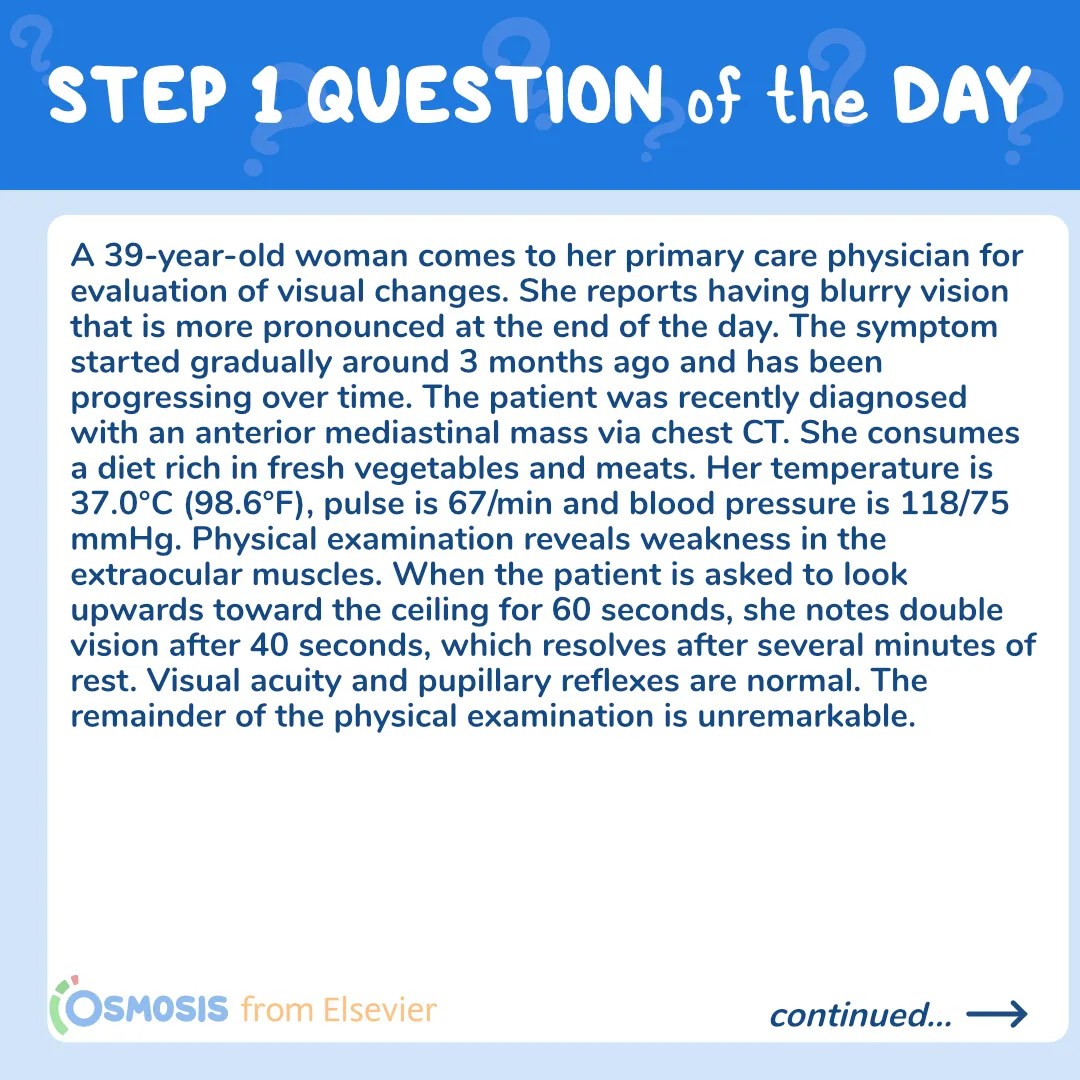
USMLE® Step 1 Question of the Day: Blurry vision
— Updated:
Test your knowledge with a USMLE Step 1 question on a patient with progressive blurred vision and muscle weakness linked to a mediastinal mass. Which neuromuscular structure is affected?
-
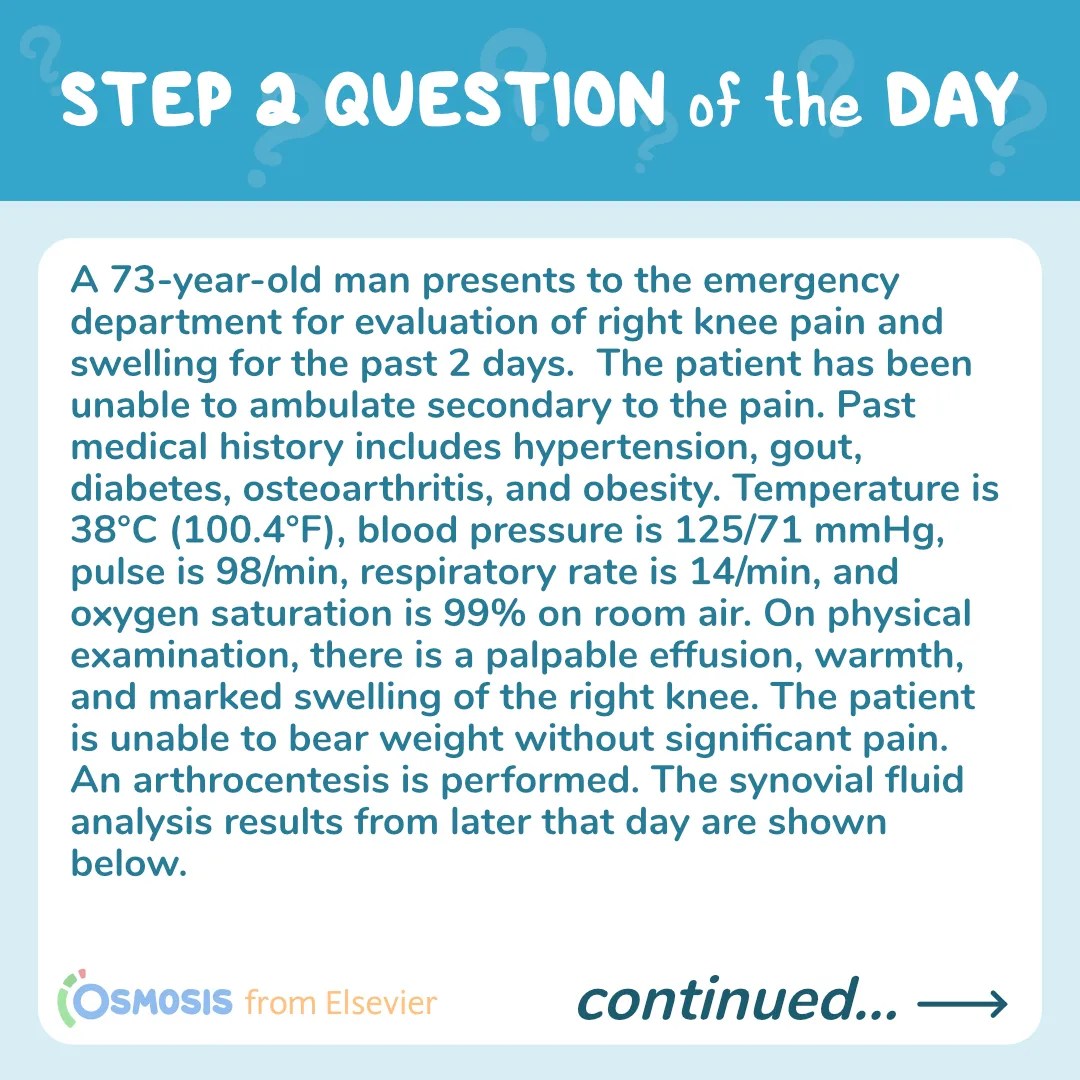
USMLE® Step 2 Question of the Day: Arthrocentesis
— Updated:
Review a clinical case of knee swelling and pain with synovial fluid results. Can you identify the most likely diagnosis and differentiate it from other arthritic conditions?
-
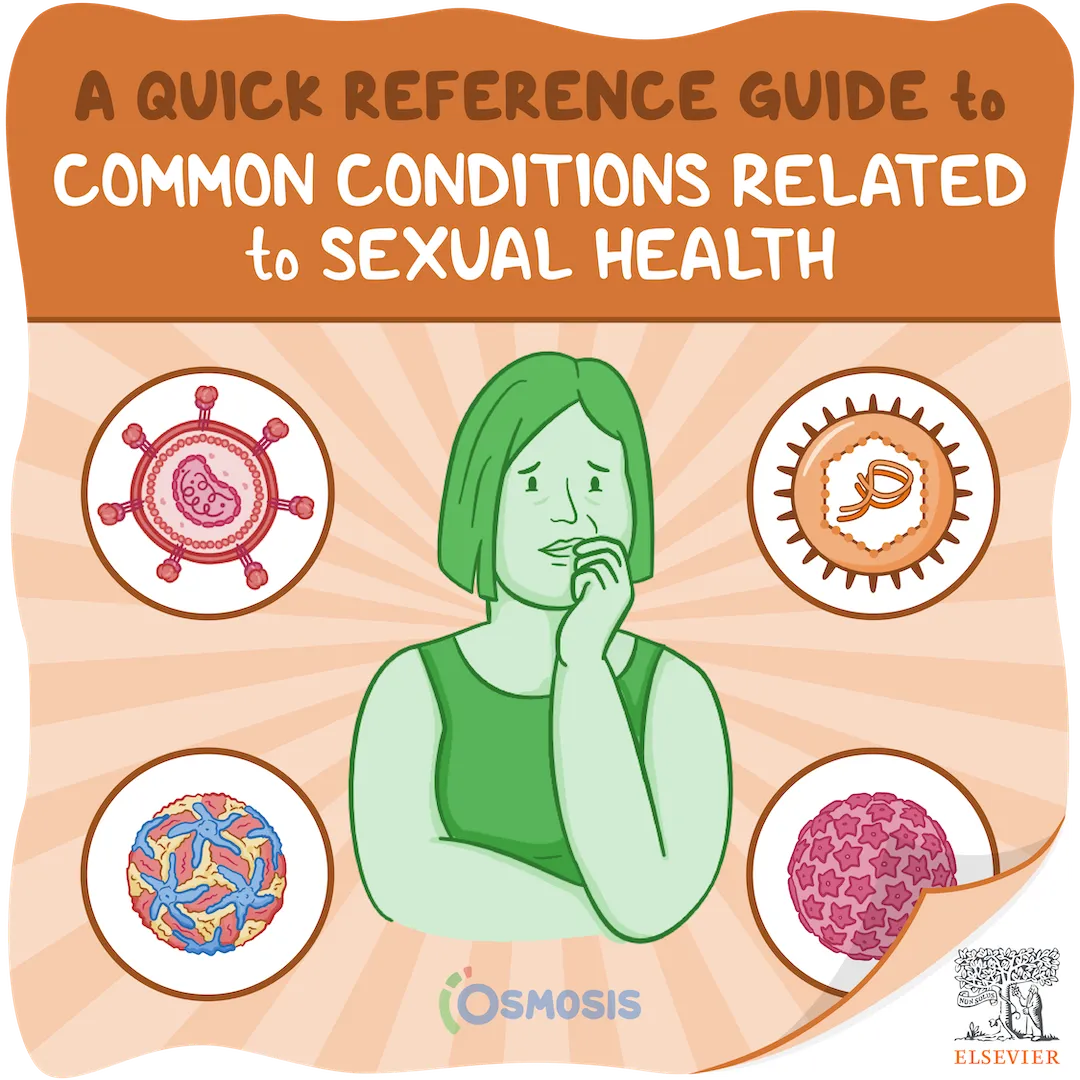
A Quick Reference Guide to Common Conditions Related to Sexual Health, Part 2: Viruses
— Updated:
Understand the importance of sexual health with our quick reference guide to common viral infections. This article covers critical conditions such as HIV, Hepatitis B, and Herpes Simplex Virus, detailing their symptoms, diagnostic approaches, and management strategies. Equip yourself with knowledge to promote better health outcomes and foster open conversations…
-
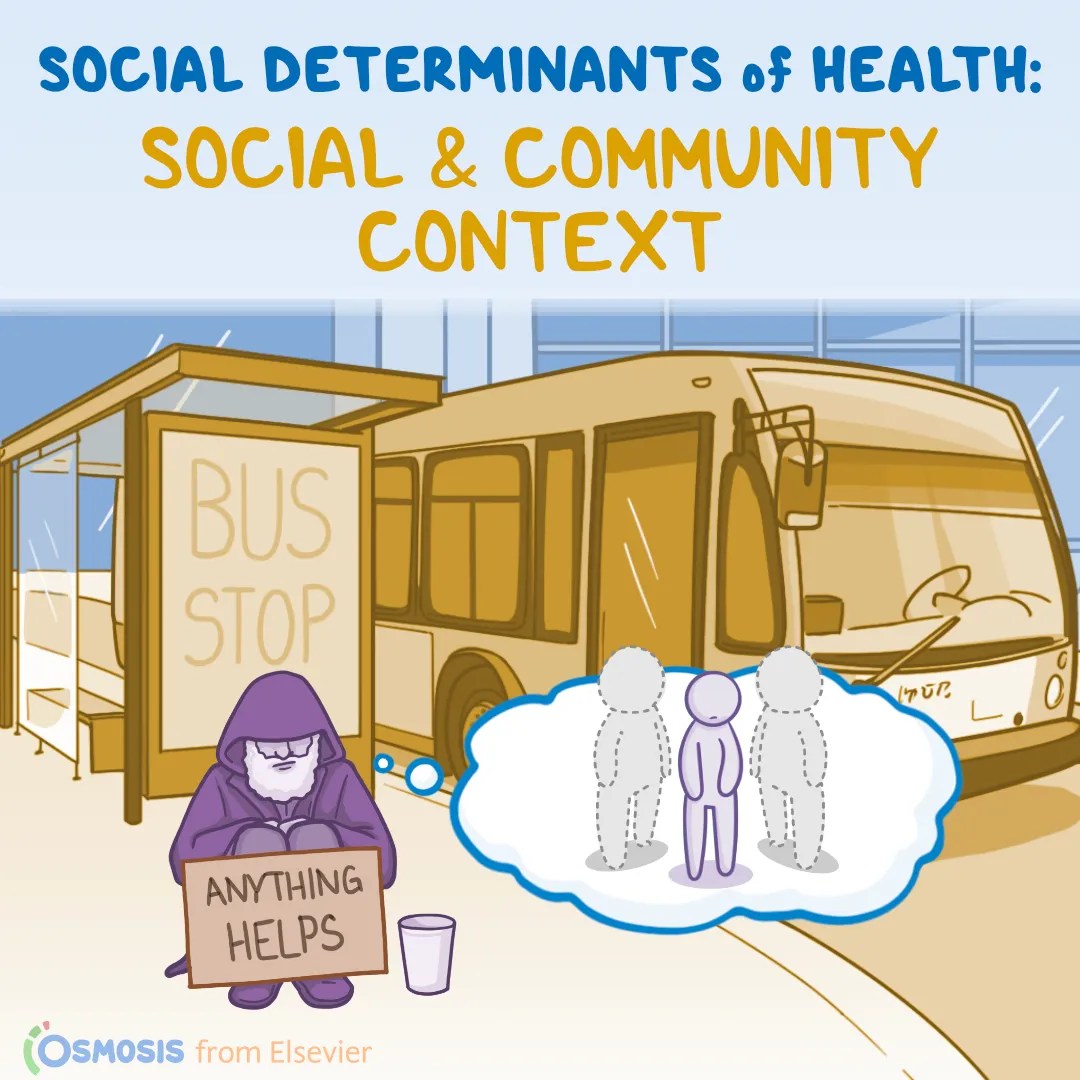
Social Determinants of Health: Social and Community Context
— Updated:
Learn about the vital role of education in health outcomes, the challenges of educational disparities, and strategies to promote equitable access.