
Category: Osteopathic Medicine (DO)
-
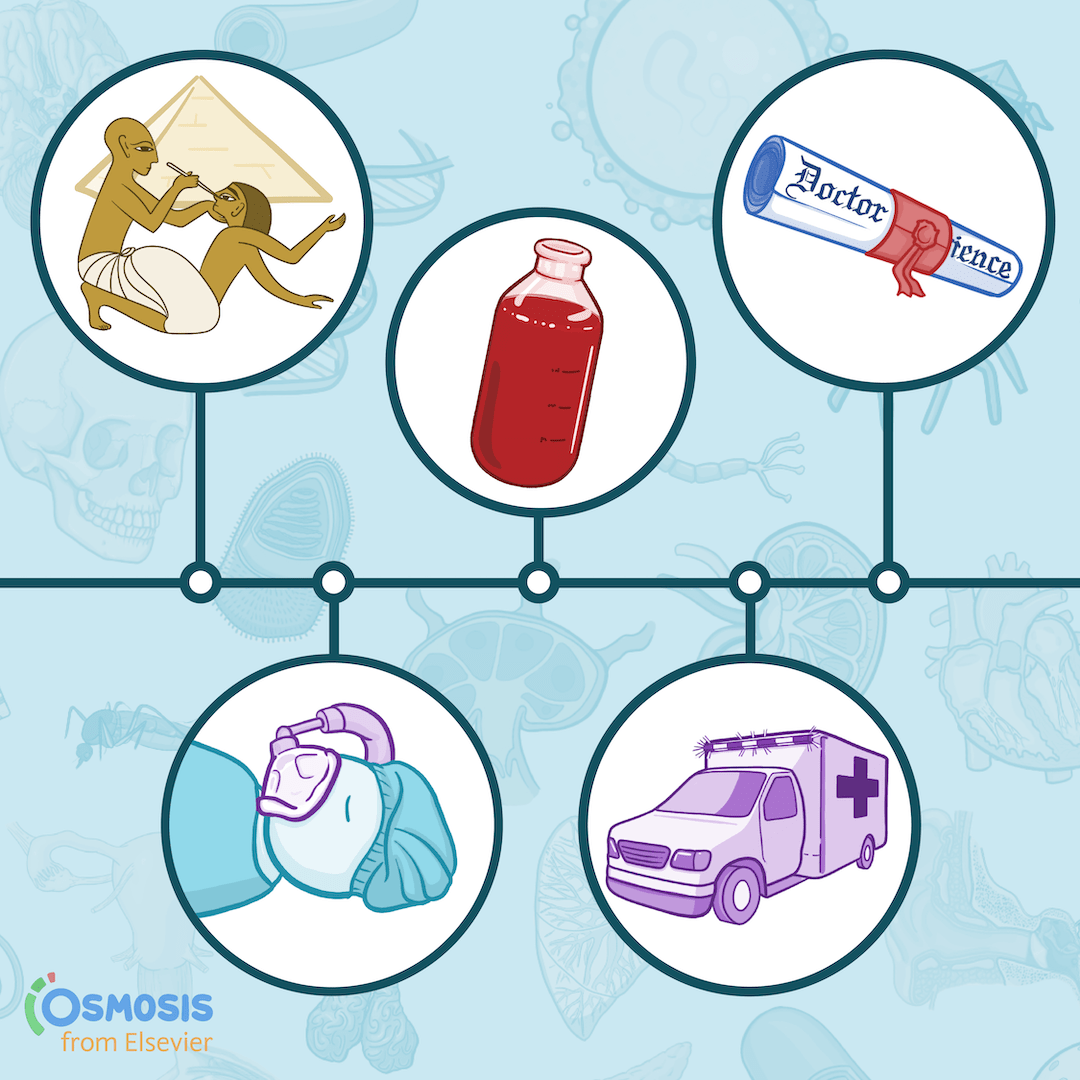
A History of Emergency Medicine: From Ancient Egypt to Professional Specialty
— Updated:
Discover the evolution of emergency medicine, tracing its roots from ancient trauma care to today’s advanced ER practices, highlighting key figures and innovations.
-
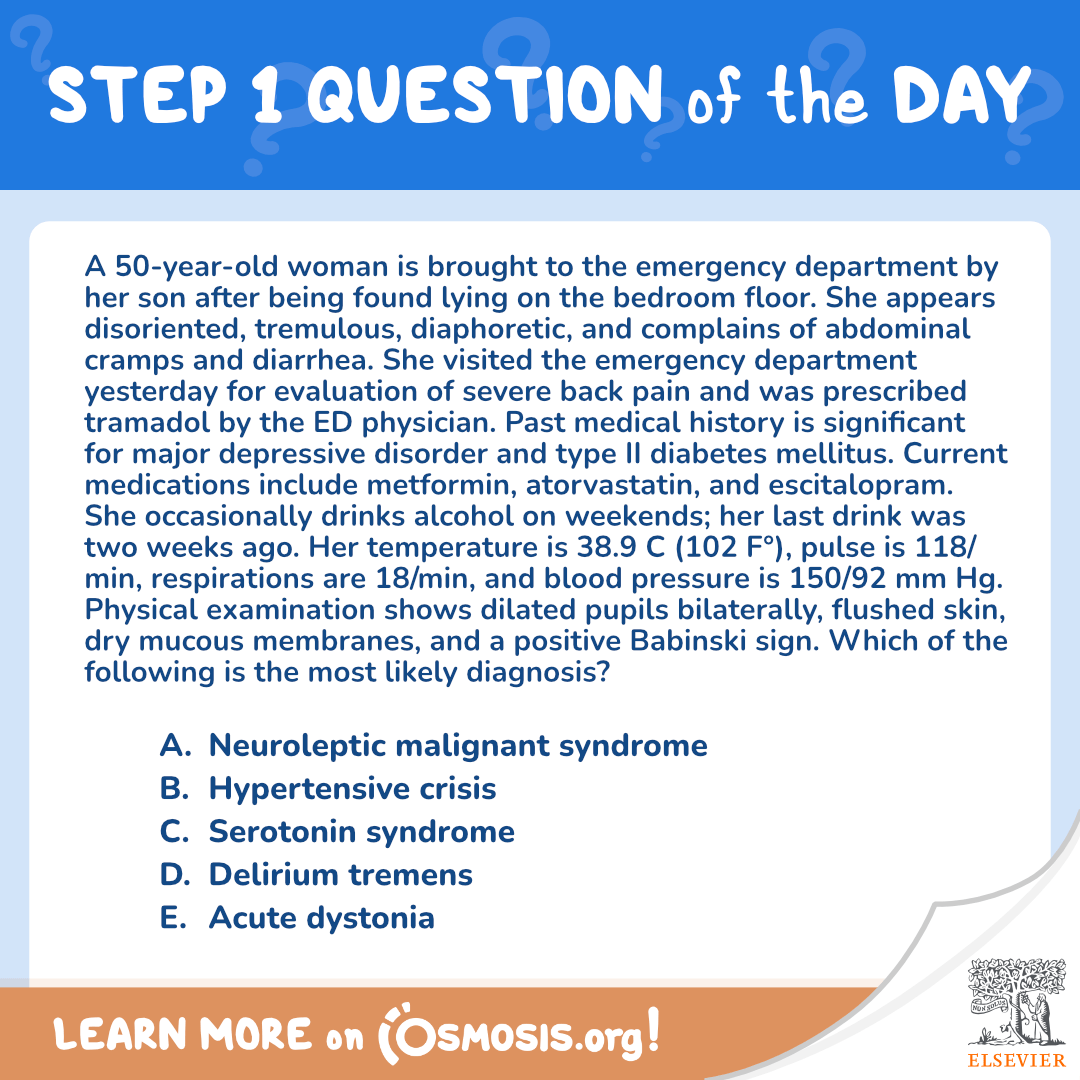
USMLE® Step 1 Question of the Day: Tramadol
— Updated:
Enhance your USMLE® Step 2 CK exam preparation with today’s case study of a 50-year-old woman experiencing symptoms of serotonin syndrome after tramadol use. Learn to recognize the clinical signs and understand the critical role of medication interactions in diagnosing this potentially life-threatening condition.
-

How to Balance Your Academic and Personal Life in Medical School
— Updated:
Discover essential tips for maintaining balance in medical school by addressing mental, physical, and relational well-being to enhance your overall health.
-
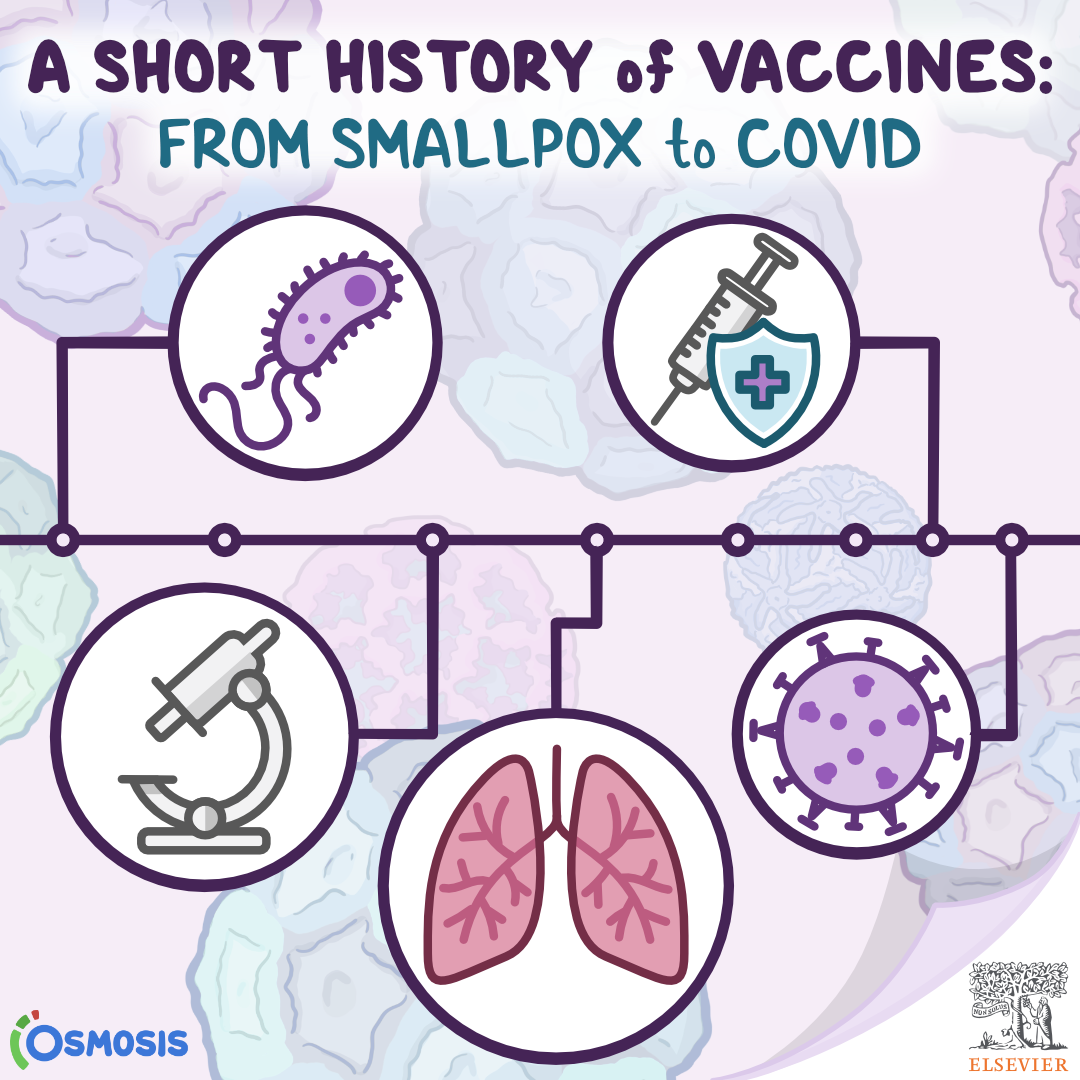
A Short History of Vaccines: From Smallpox to COVID
— Updated:
Learn the pivotal role of vaccines in combating infectious diseases and the evolution of vaccination from variolation to mRNA technology in modern medicine.
-
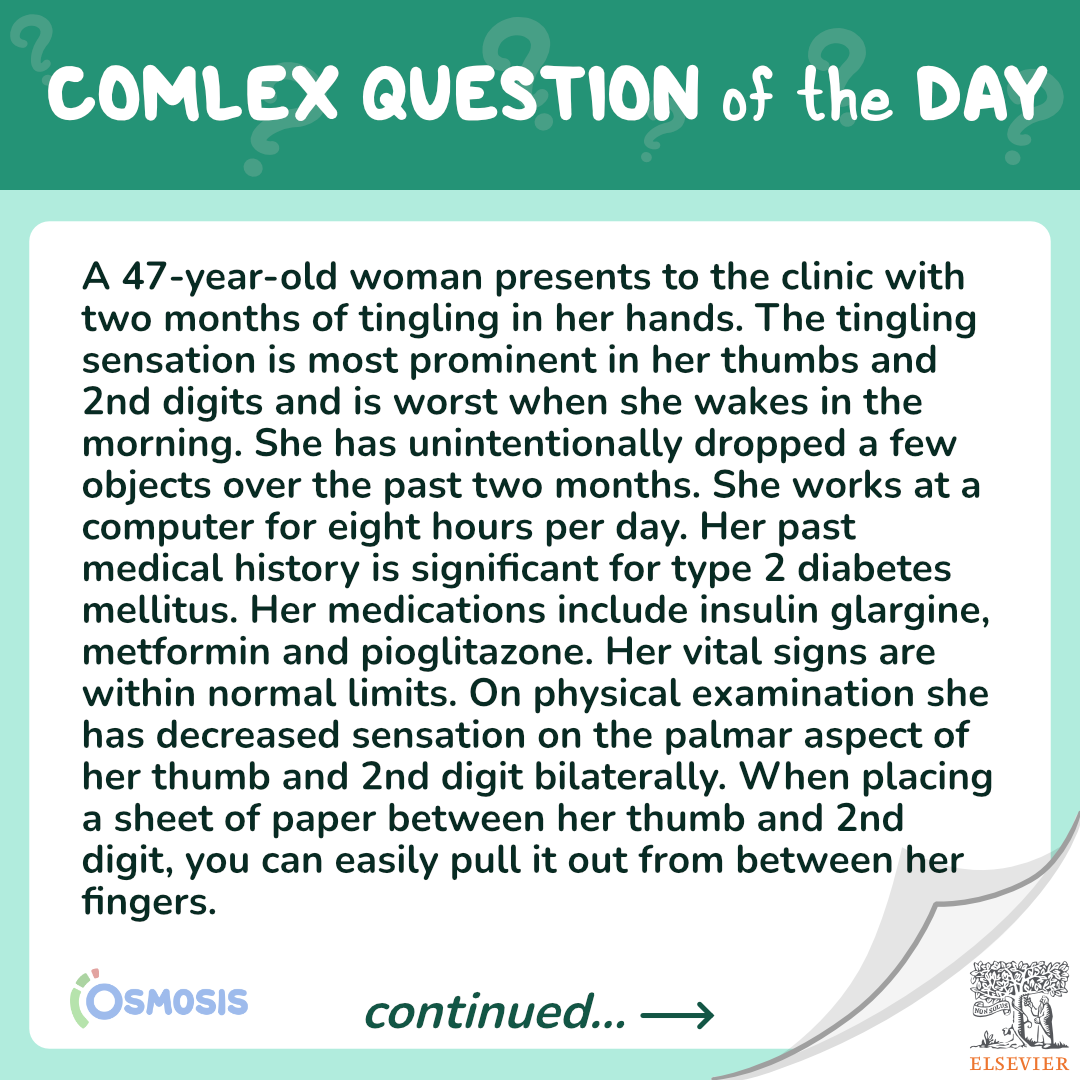
COMLEX OMM® Question of the Day: Tingling hands
— Updated:
Prep for the COMLEX exam with today’s OMM question focused on tingling fingers. Strengthen your clinical assessment skills and prepare effectively for your exam!
-
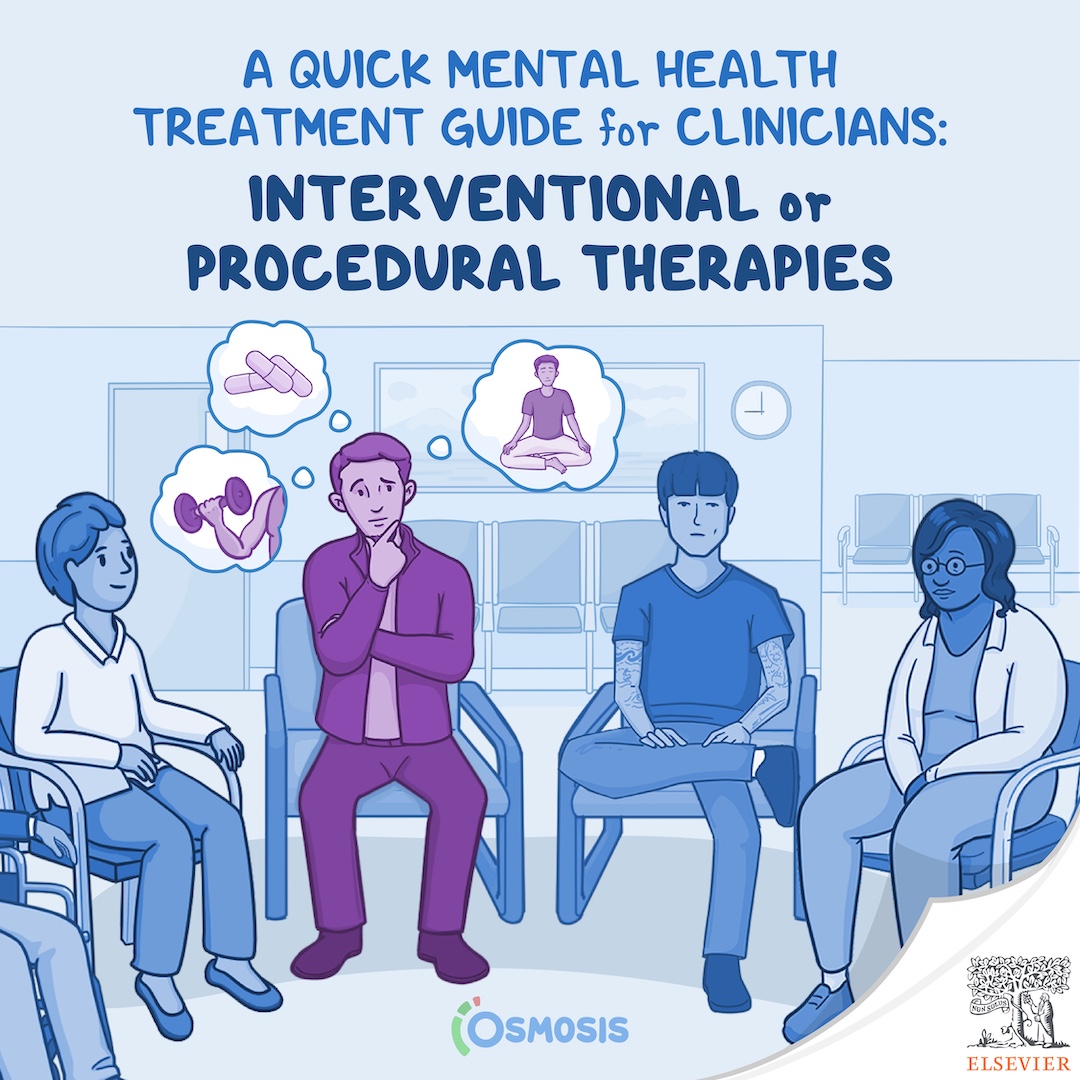
A Quick Mental Health Treatment Guide for Clinicians: Interventional or Procedural Therapies
— Updated:
Discover how interventional psychiatry offers new hope for patients with mental health conditions through innovative therapies like ECT, TMS, and ketamine infusions.
-

USMLE® Step 2 CK Question of the Day: Left back pain
— Updated:
Get ready for the USMLE® Step 2 CK exam by exploring a clinical case involving a 68-year-old woman with acute left back pain and hematuria. Test your clinical assessment skills and prepare effectively for your exam!
-
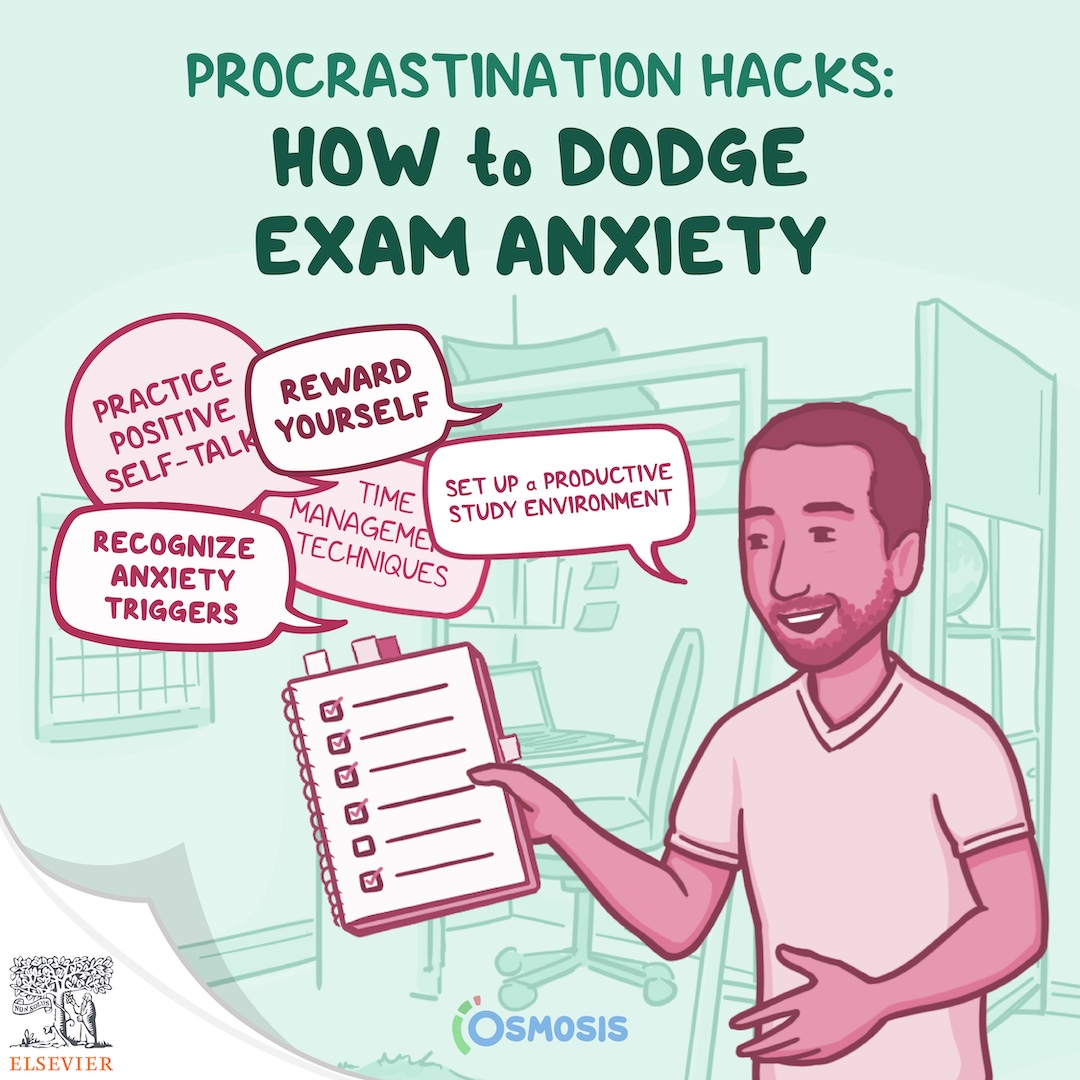
Procrastination Hacks: How to Dodge Exam Anxiety
— Updated:
Unlock your potential as a healthcare student by adopting effective study habits and overcoming procrastination! Learn practical strategies to manage exam anxiety and enhance productivity. From utilizing the Pomodoro Technique to establishing a support network and rewarding yourself for achievements, these tips will help you navigate the challenges of medical…
-
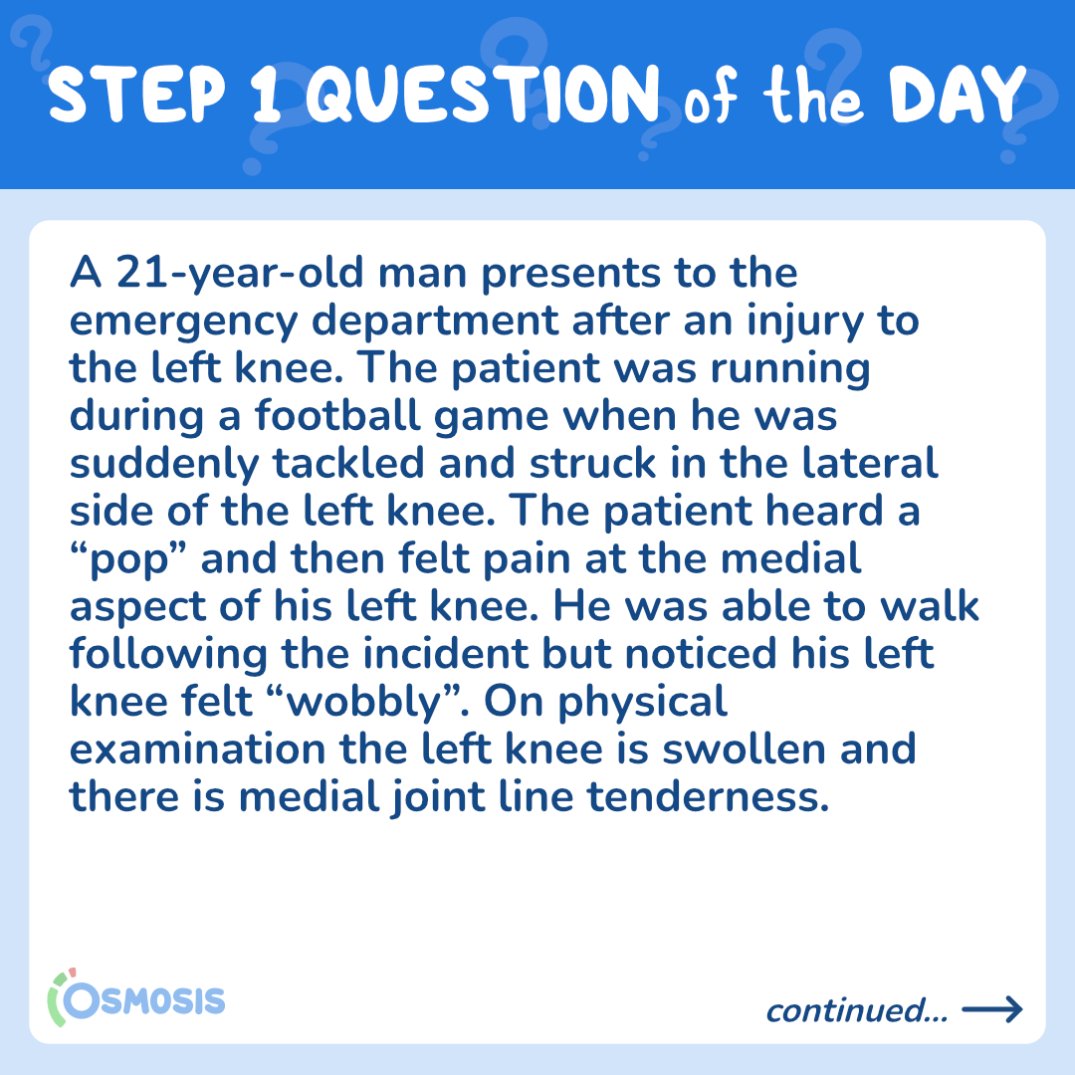
USMLE® Step 1 Question of the Day: Left knee injury
— Updated:
Prep for the USMLE® Step 1 exam by exploring a clinical case involving a 21-year-old man with a left knee injury. Learn to identify the most appropriate physical examination maneuver. Strengthen your clinical assessment skills!
-
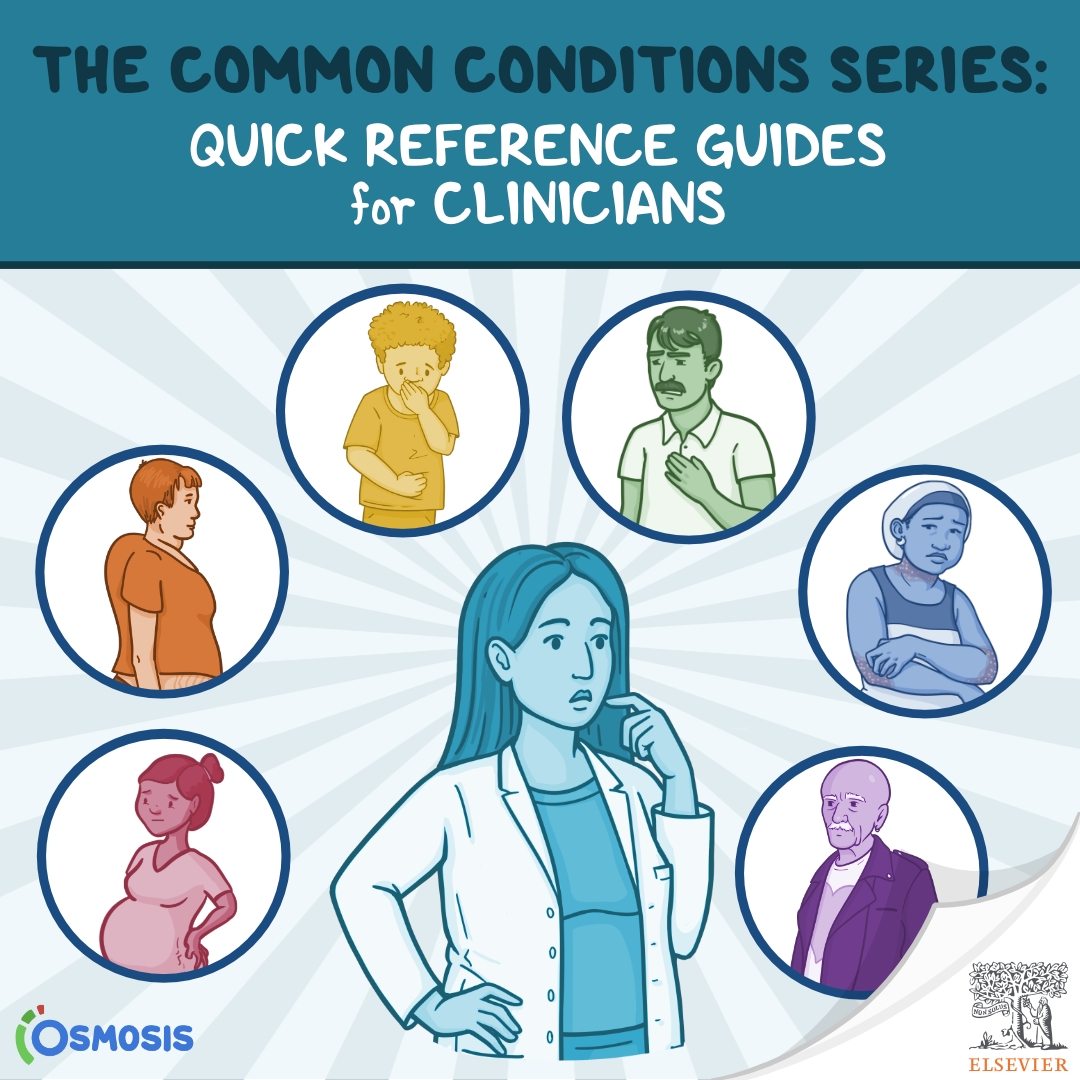
The Common Conditions Series: Quick Reference Guides for Clinicians
— Updated:
Mastering knowledge and importance of common health conditions is vital for delivering high-quality patient care. Osmosis has put together a series of quick reference guides covering topics like diabetes mellitus, long COVID, gut health, cortisol-related conditions, pregnancy, and care for older adults. Equip yourself with the knowledge to recognize their…
-
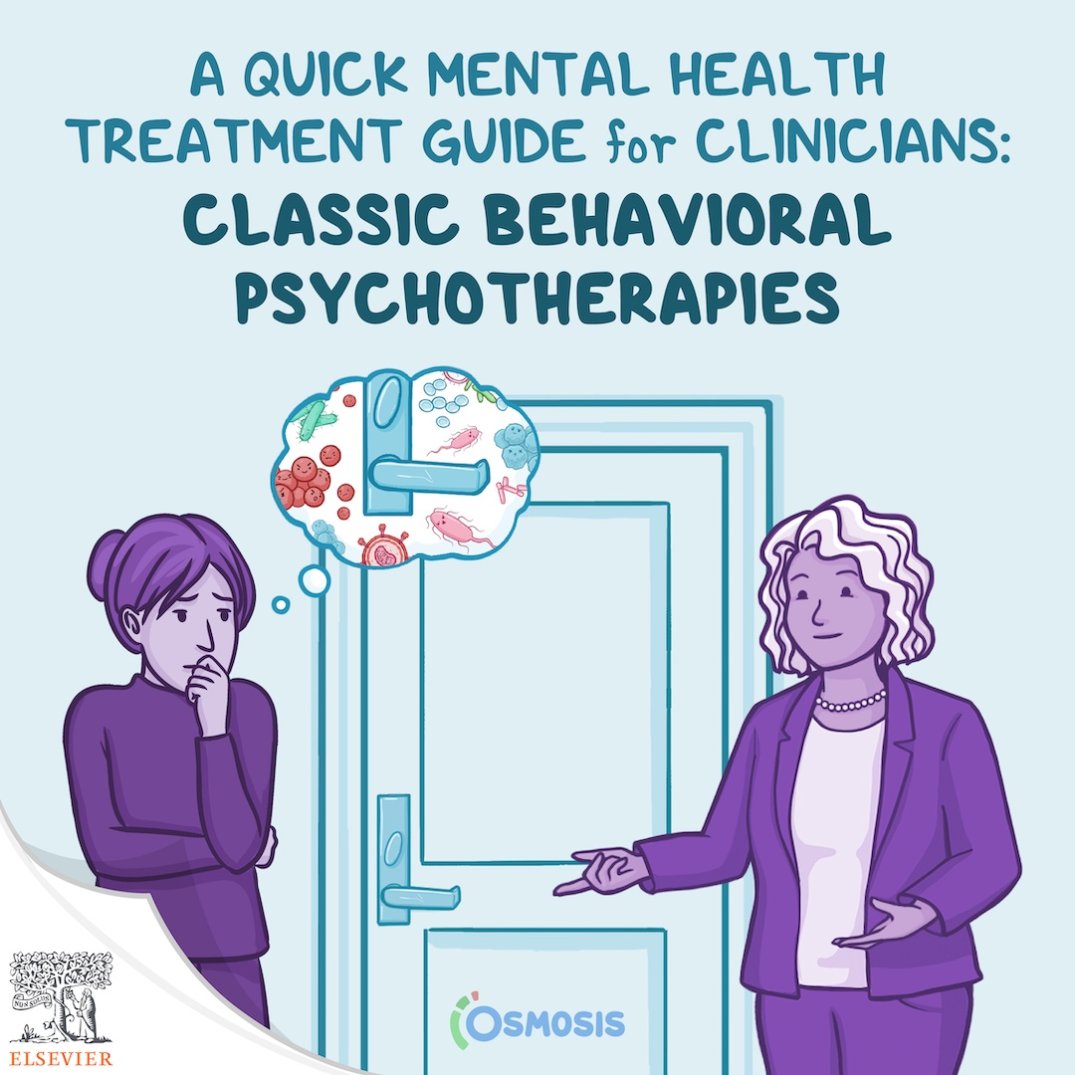
A Quick Mental Health Treatment Guide for Clinicians: Classic Behavioral Psychotherapies
— Updated:
Get some valuable insights into behavioral psychotherapy and its critical role in mental health care. Learn about various therapeutic approaches, the importance of finding a culturally-competent therapist, and practical strategies for effective treatment. Learn how to enhance your understanding of mental health issues and provide compassionate care to your patients…
-
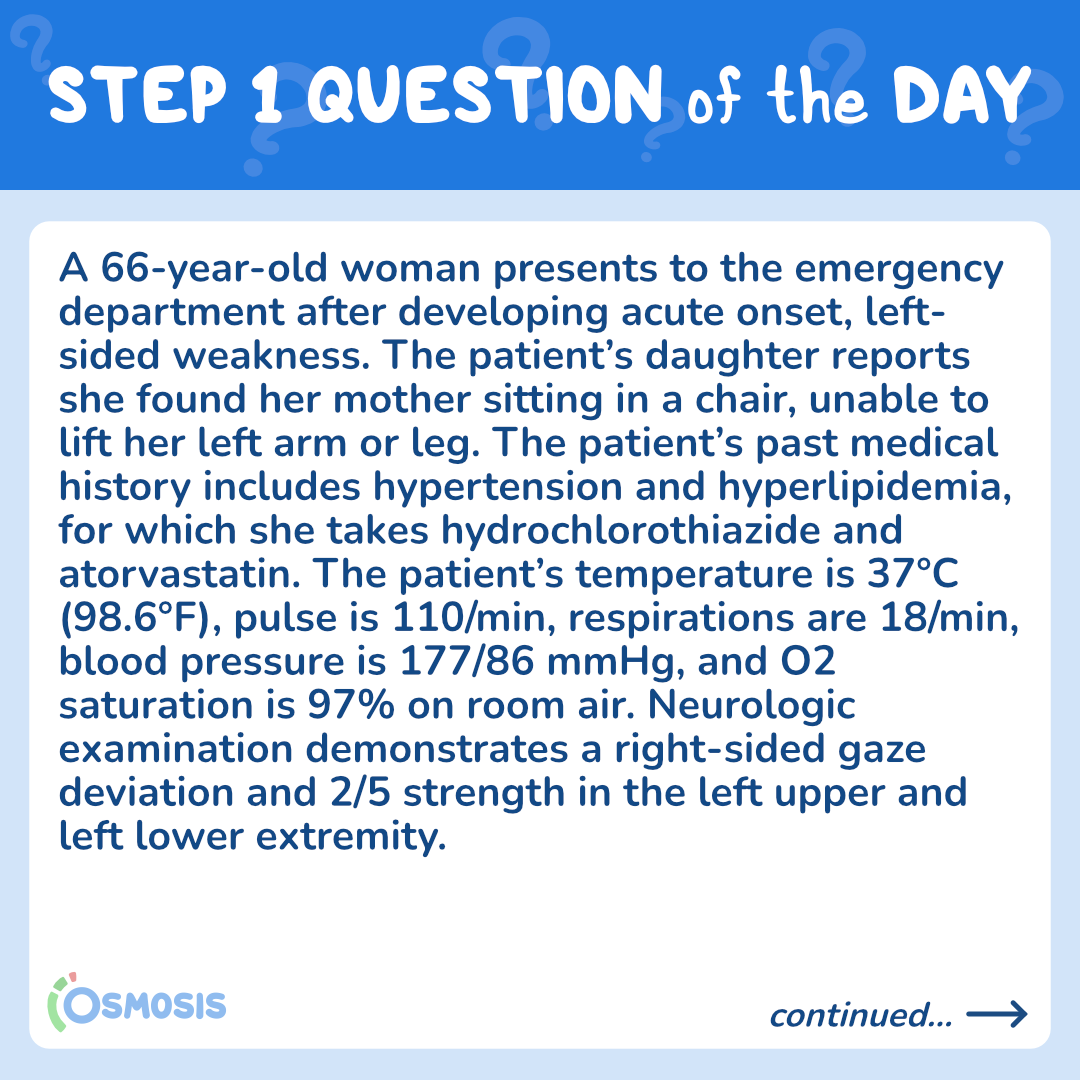
USMLE® Step 1 Question of the Day: Left-sided weakness
— Updated:
Ace the USMLE® Step 1 exam by studying with us! Let’s explore a clinical case involving a 66-year-old woman with left-sided weakness. Learn to identify the most common origin of thrombus in patients experiencing ischemic strokes, particularly in the context of atrial fibrillation. Test your clinical knowledge and improve your…
-
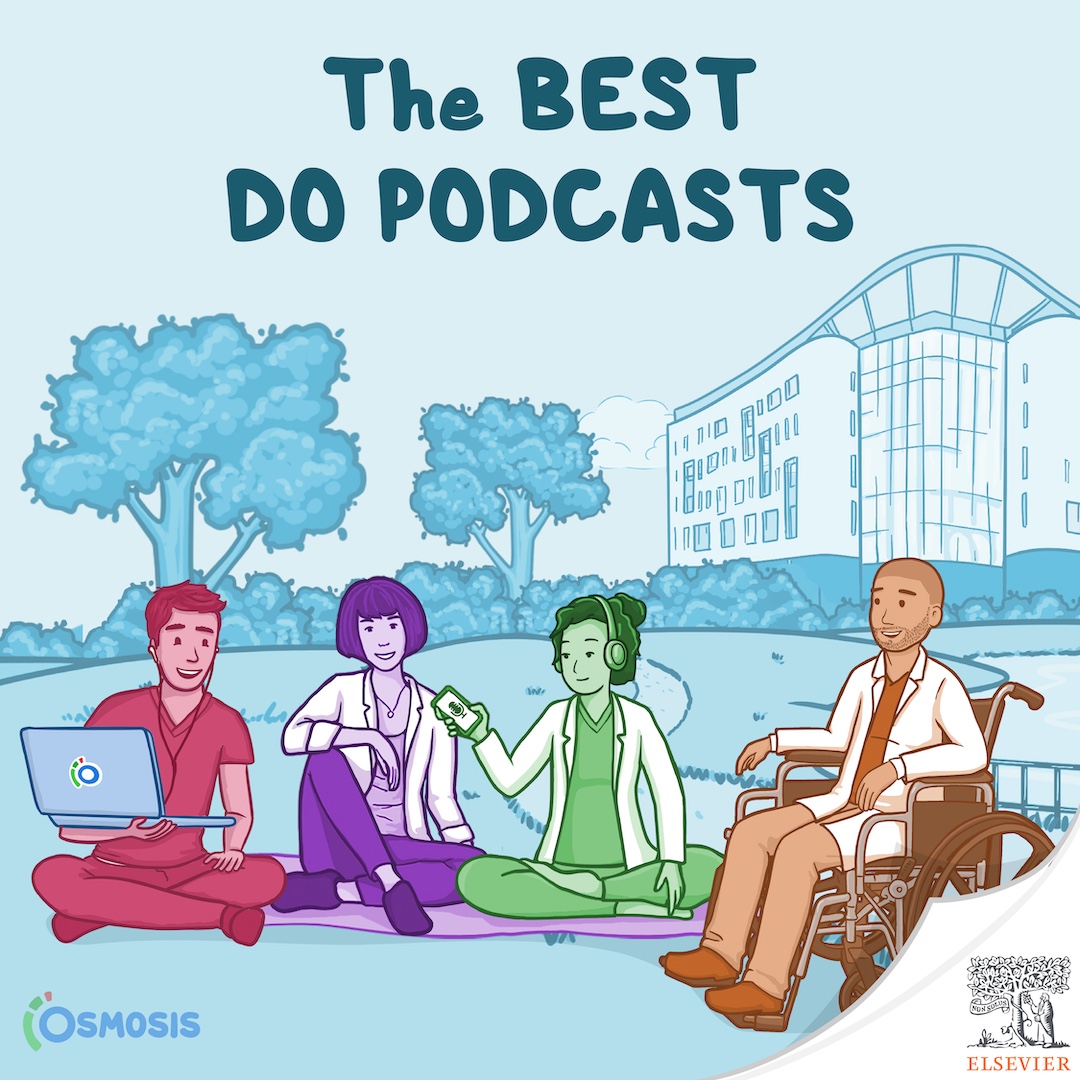
The Best DO Podcasts
— Updated:
Dive into the world of osteopathic medicine with a list of the best osteopathic podcasts for medical students and practicing DOs. Enhance your knowledge of osteopathy, connect with the DO community, and explore alternative approaches to patient care through this unique list of engaging podcast content!
-

A Quick Reference Guide to Common Conditions Related to Sexual Health, Part 3: Parasites and Fungi
— Updated:
Understanding sexual health is crucial for our overall well-being. Learn about common STIs like trichomoniasis, pubic lice, and candidiasis, their symptoms, risks, and the importance of timely diagnosis and treatment. Empower yourself with knowledge to promote better health outcomes and awareness about sexual health issues!
-
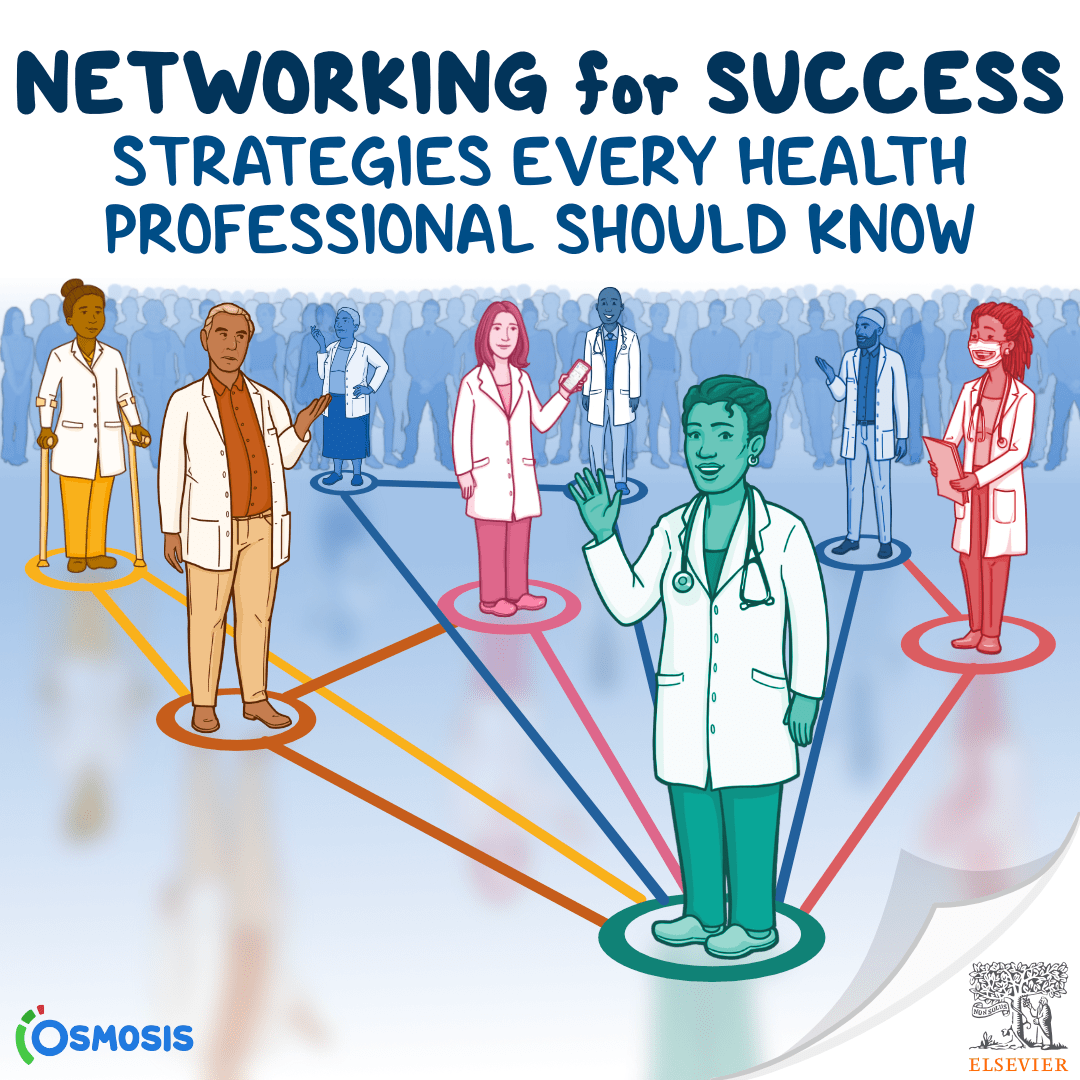
Networking for Success: Strategies Every Health Professional Should Know
— Updated:
Discover the power of networking in healthcare with practical strategies designed for medical students, faculty, and professionals. This short guide covers the essentials of building meaningful connections, overcoming common networking challenges, and making the best of both formal and informal opportunities to enhance your career. Embrace the art of networking…
-
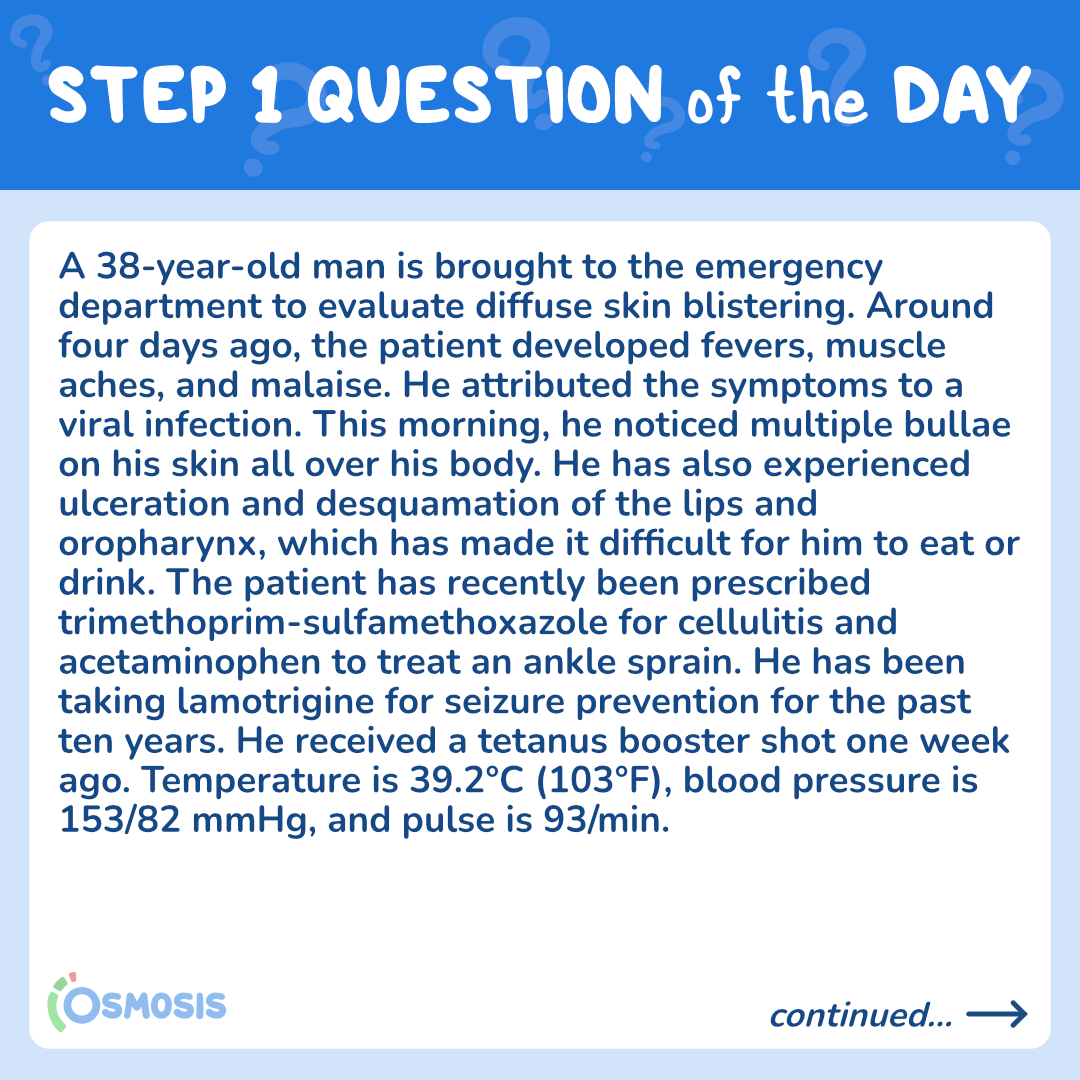
USMLE® Step 1 Question of the Day: Skin blistering
— Updated:
Get ready for the USMLE® Step 1 exam with a case study on skin blistering and Stevens-Johnson syndrome. Learn to identify common triggers, including medications like trimethoprim-sulfamethoxazole, and understand the importance of recognizing and addressing this serious condition. Test your clinical knowledge and prepare effectively for Step 1!
-
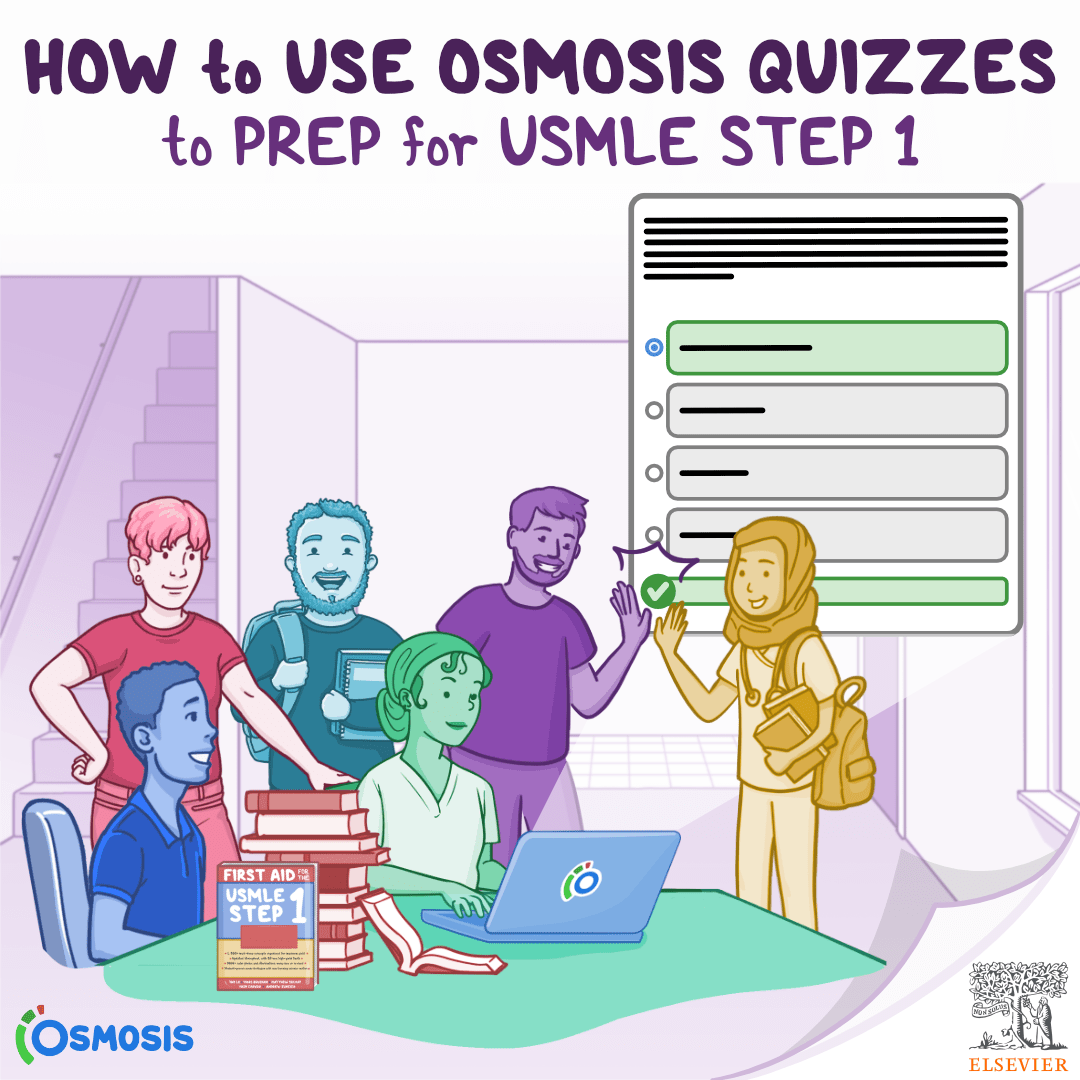
How to Use the Osmosis Qbank to Prep for USMLE® Step 1
— Updated:
Prepare for the USMLE Step 1 exam using Osmosis quizzes! Learn how to integrate practice questions into your study routine, use active recall and spaced repetition, and track your progress for your optimal exam performance. Discover the benefits of engaging with practice questions and take your preparation to the next…
-
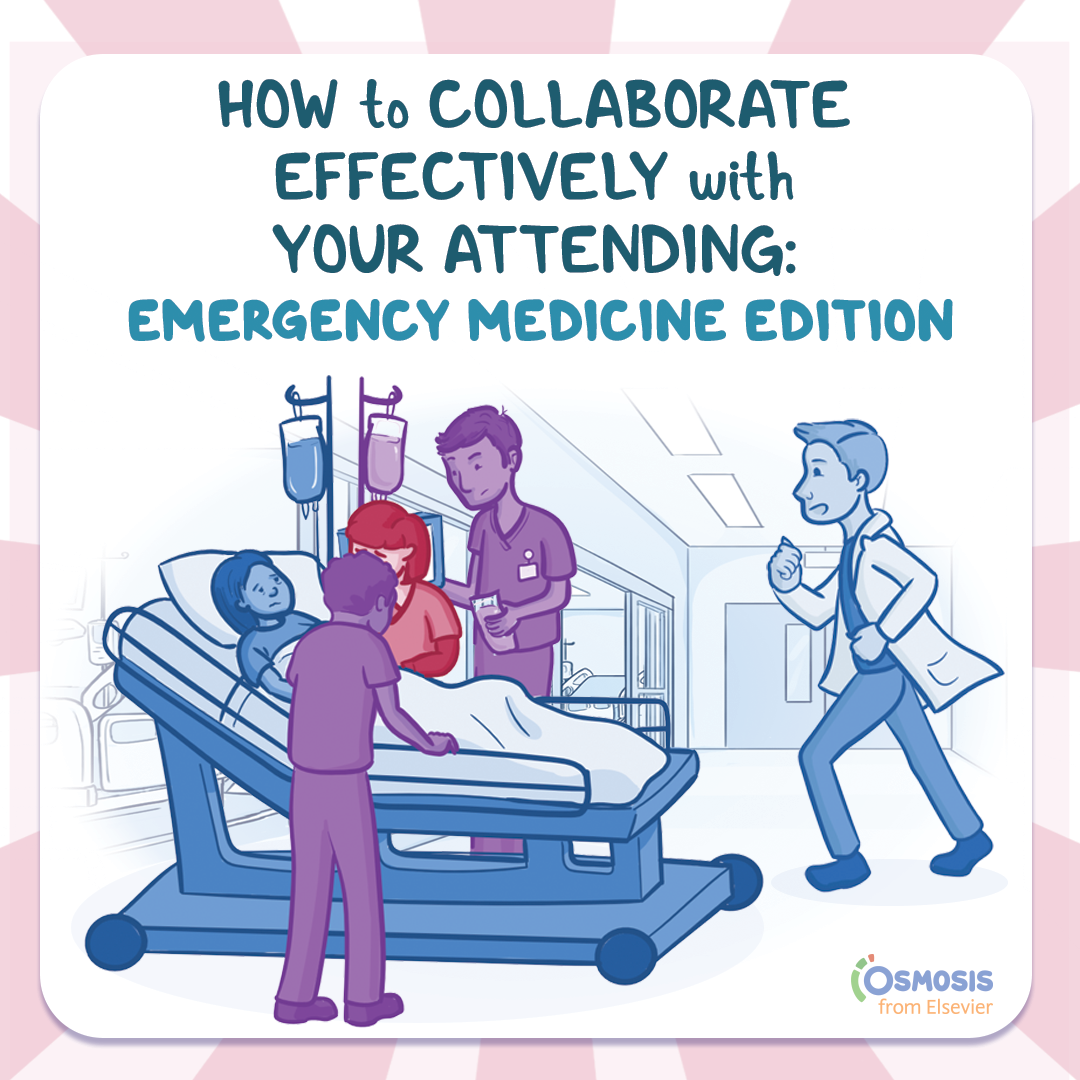
How to Collaborate with Your ER Attending
— Updated:
Embark on your emergency medicine clerkship with confidence by learning how to effectively collaborate with your ER attending. This guide covers essential skills for taking patient histories, understanding the flow of the emergency department, and communicating effectively with patients and colleagues. Enhance your clinical practice and build strong professional relationships…
-
The Top 10 Helpful Medical Mnemonics from Osmosis
— Updated:
Dive into the whirlwind of medical school with these top 10 mnemonics designed to enhance your learning and retention. From assessing melanoma to mastering heart sounds, these clever memory aids will help you navigate your studies and prepare for clinical practice. Keep them close to achieve success in your medical…
-
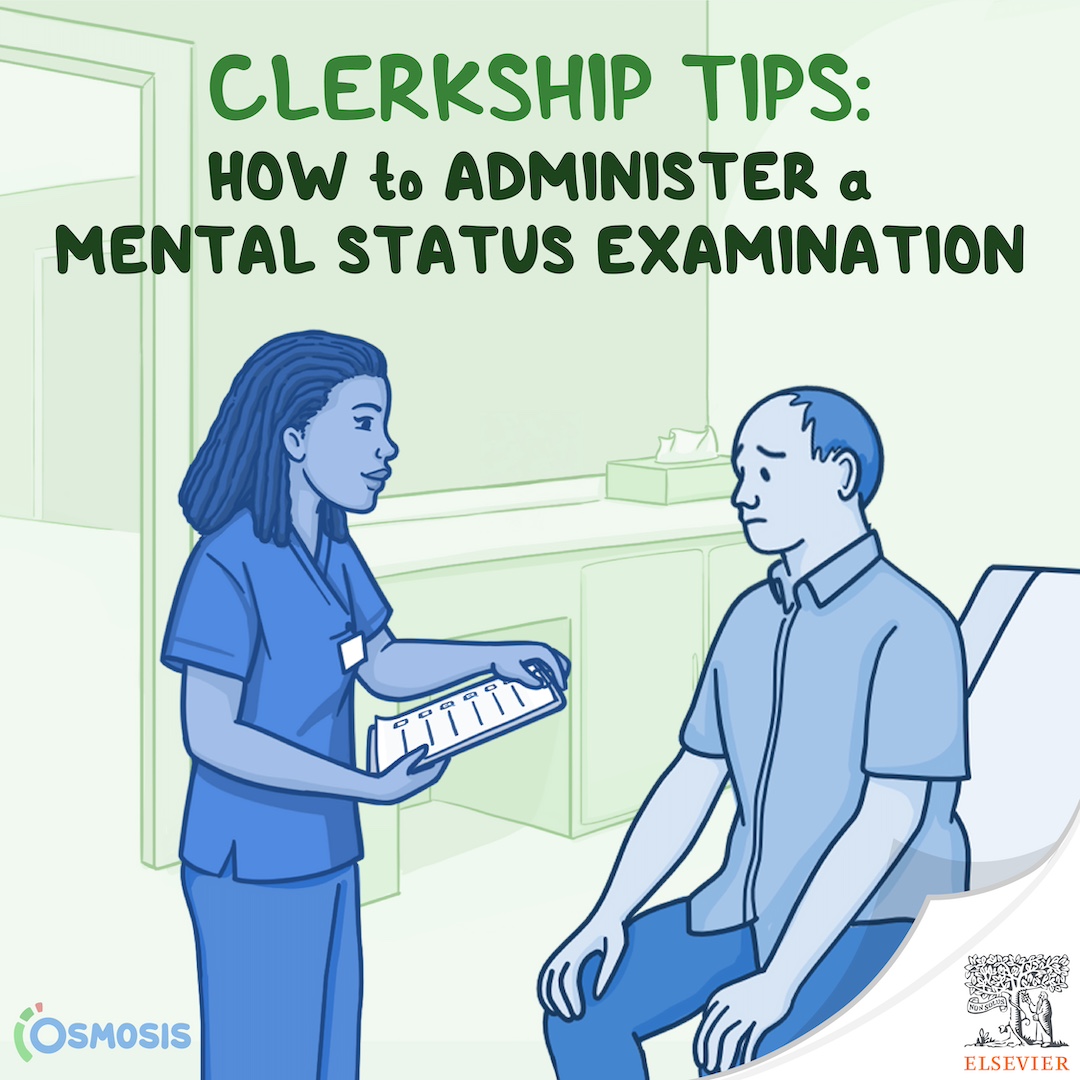
Clerkship Tips: How to Administer a Mental Status Examination
— Updated:
The Mental Status Exam (MSE) is essential for evaluating psychological functioning in clinical practice. This guide explores its components, significance, and tips for effective implementation in patient assessments, making it a valuable tool for healthcare providers across various specialties.
-
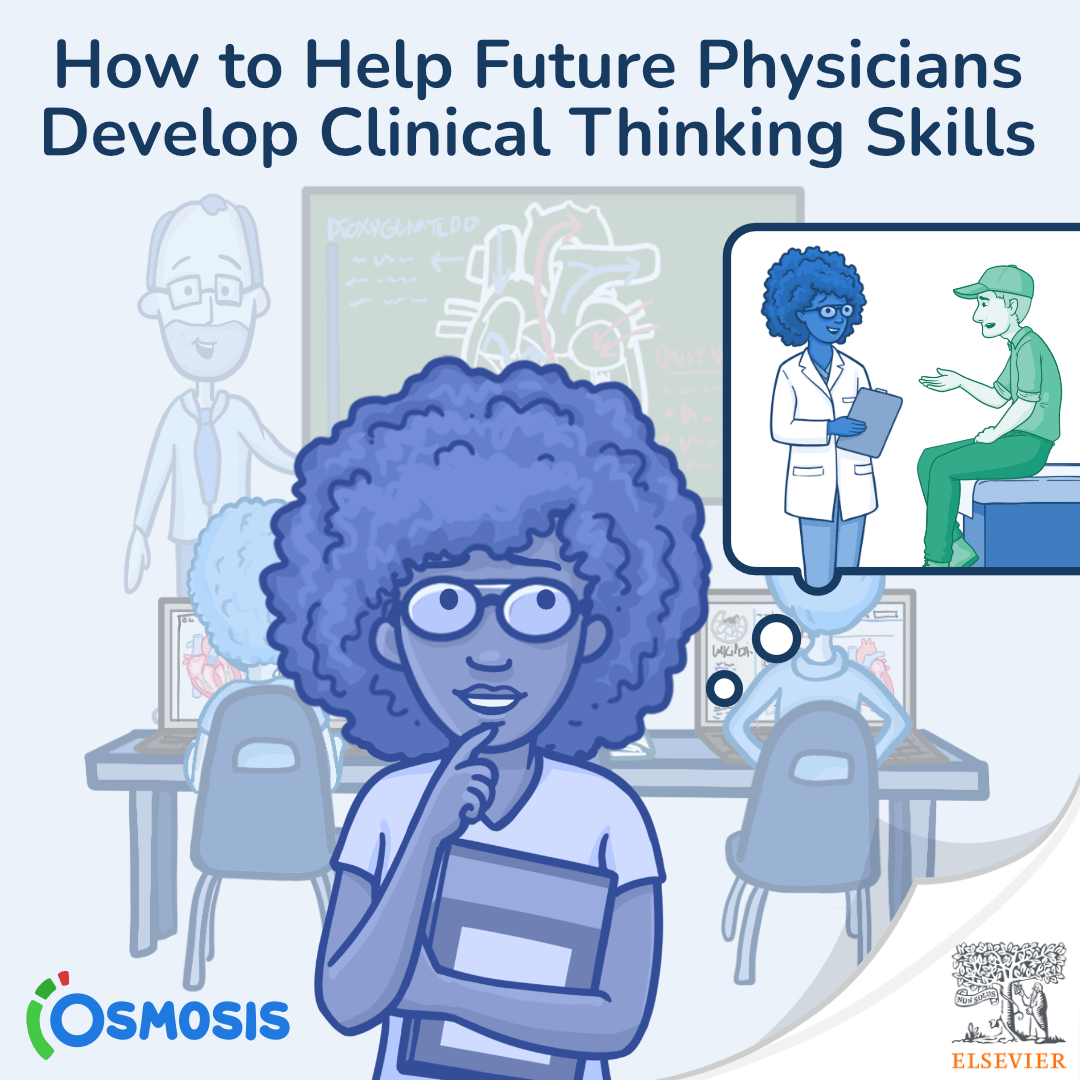
Developing Clinical Thinking Early in Future Physicians
— Updated:
Clinical thinking is the cornerstone of medical practice, enabling physicians to make accurate diagnoses, devise effective treatment plans, and provide exceptional patient care. For medical educators, fostering this critical skill set in future physicians early in their training is essential.
-

10 Examples of Outdated Heart Health Advice
— Updated:
Explore ten widespread heart health myths, their origins, and current evidence to better inform patient care and personal wellness.
-
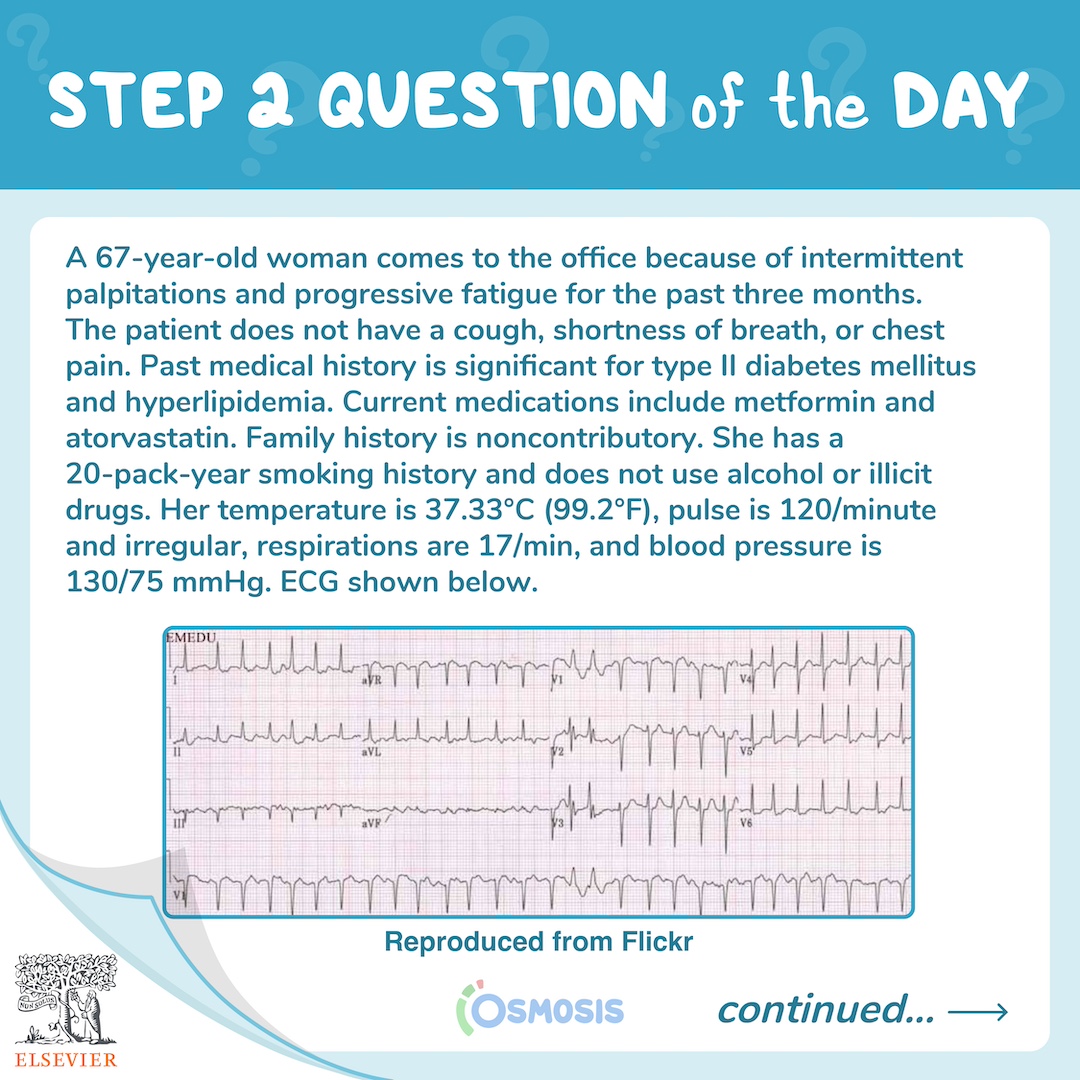
USMLE® Step 2 Question of the Day: Medication effects
— Updated:
A 67-year-old woman presents with palpitations and fatigue. Dive into her ECG and labs to discover which treatment effectively prevents serious AF complications.
-
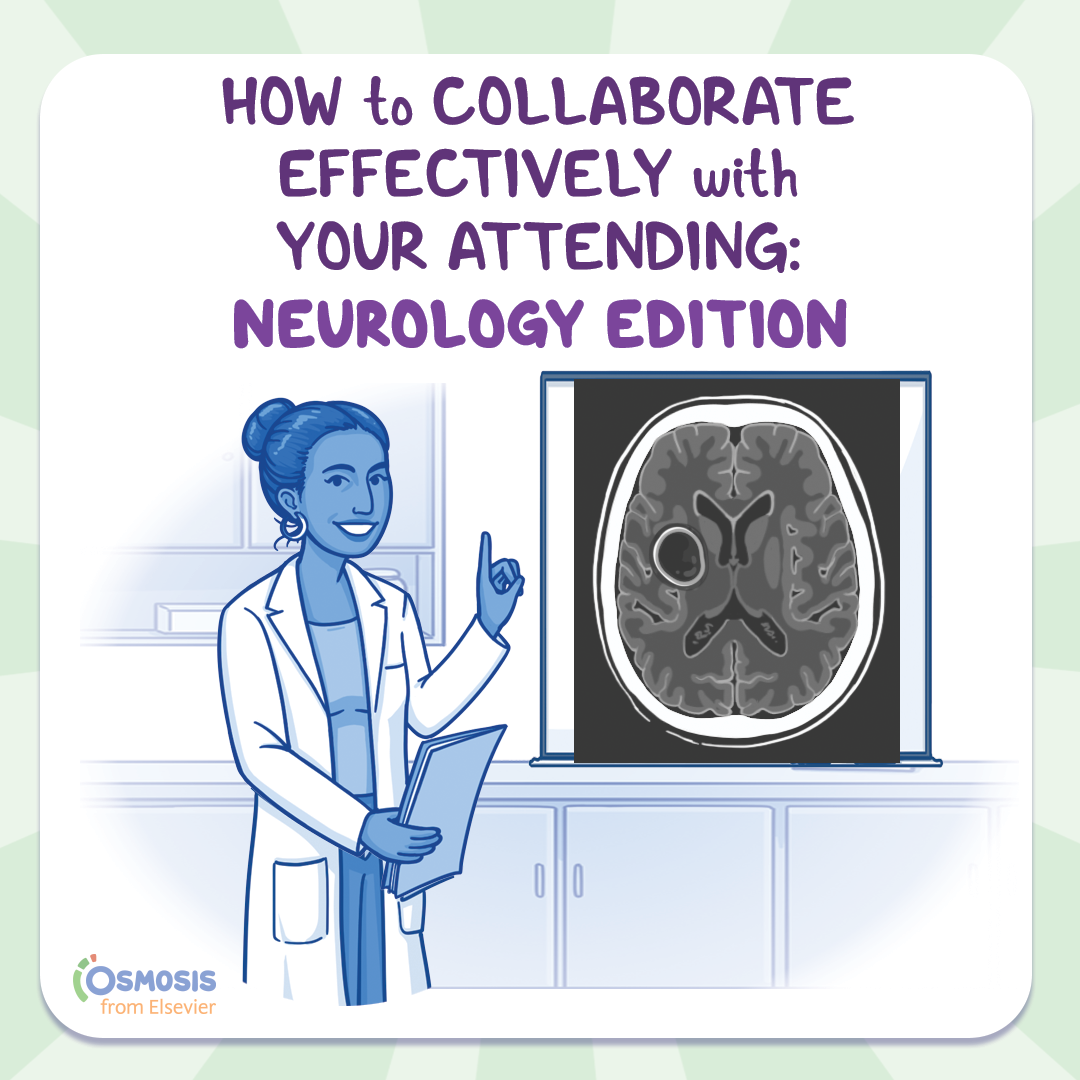
How to Collaborate Effectively with Your Attending: Neurology Edition
— Updated:
Welcome to your neurology clerkship! Discover key strategies for mastering patient examinations, enhancing clinical skills, and maximizing learning opportunities during this unique rotation.
-
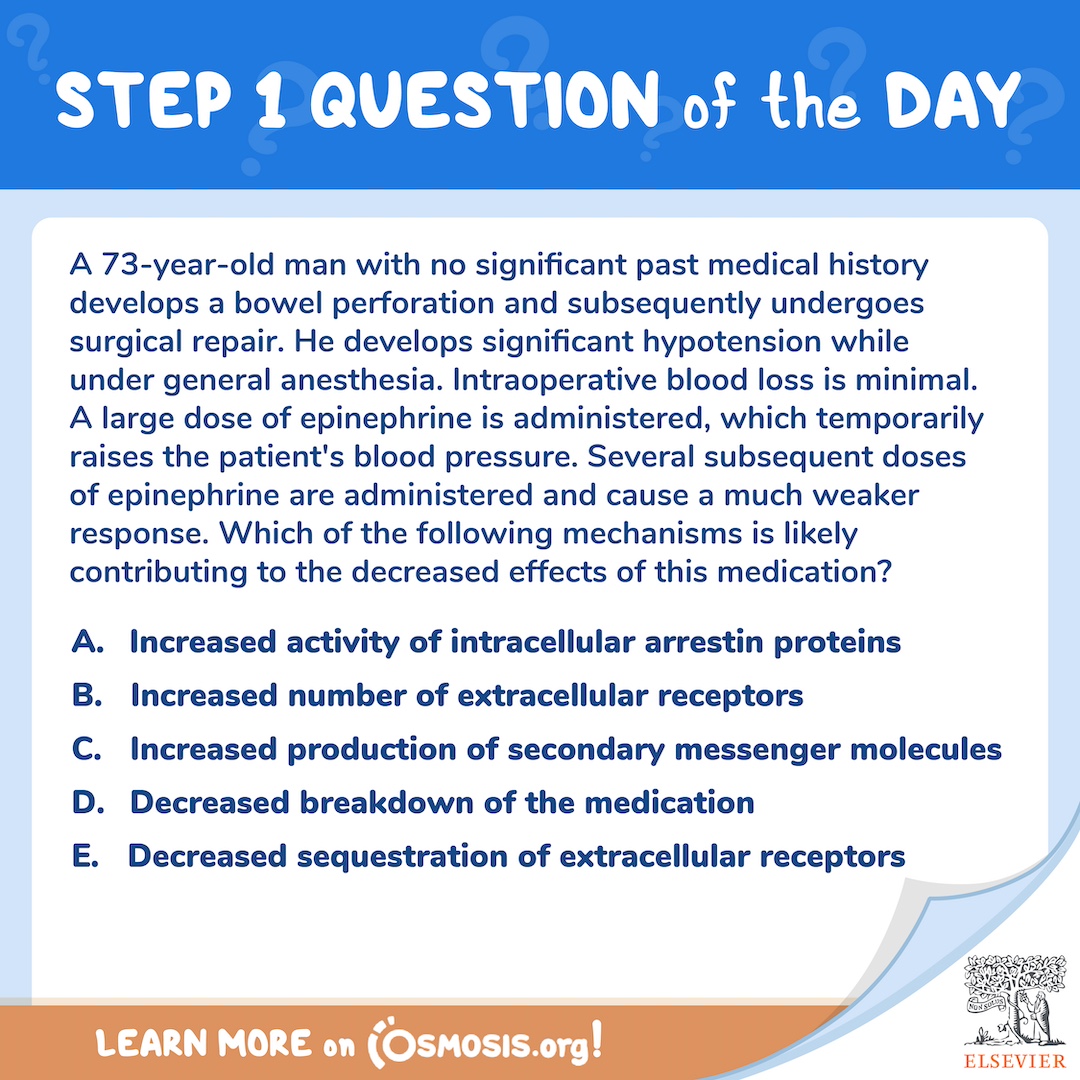
USMLE® Step 1 Question of the Day: Epinephrine response
— Updated:
Examine a clinical case of a 73-year-old man with hypotension during surgery and learn about the pharmacological mechanisms, including desensitization, affecting his response to epinephrine. Enhance your understanding of managing intraoperative hypotension effectively.
-
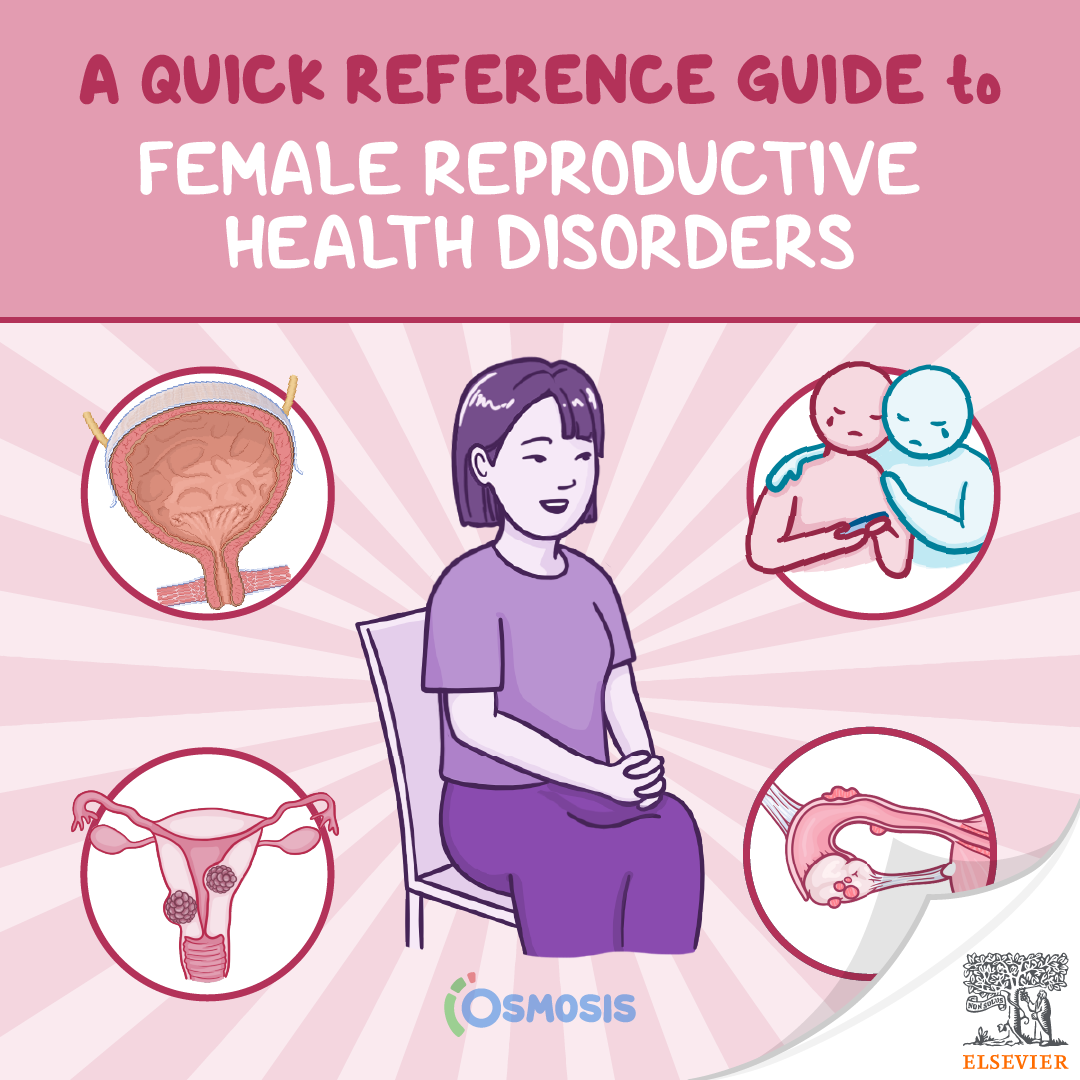
A Quick Reference Guide to Female Reproductive Health Disorders
— Updated:
Learn about prevalent reproductive health disorders affecting female bodies, including their signs, diagnostic methods, and treatment options.
-
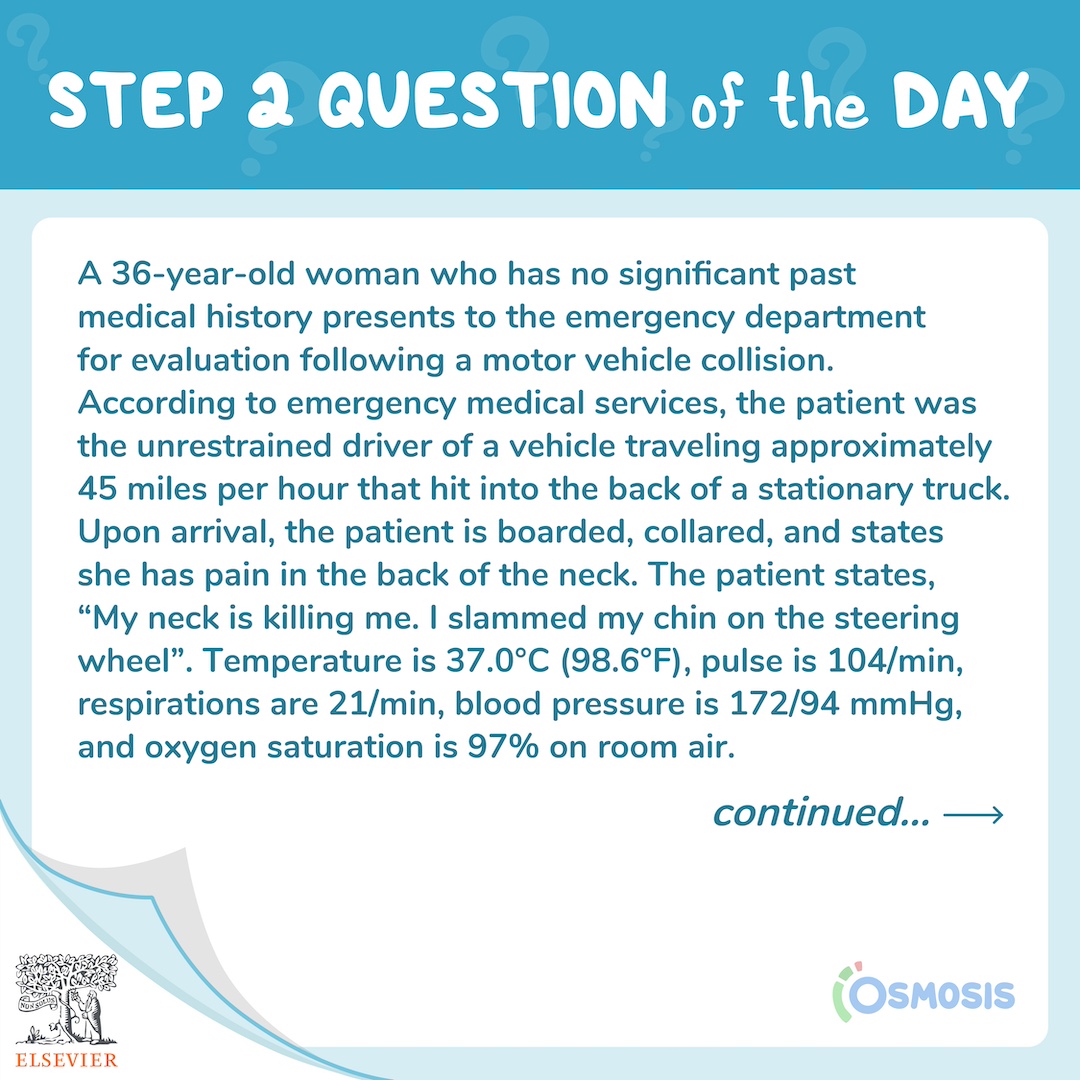
USMLE® Step 2 Question of the Day: Neck pain
— Updated:
Enhance your diagnostic skills and prepare effectively for the USMLE® Step 2 exam by exploring a case study involving a 36-year-old woman with acute neck pain following a motor vehicle collision.
-
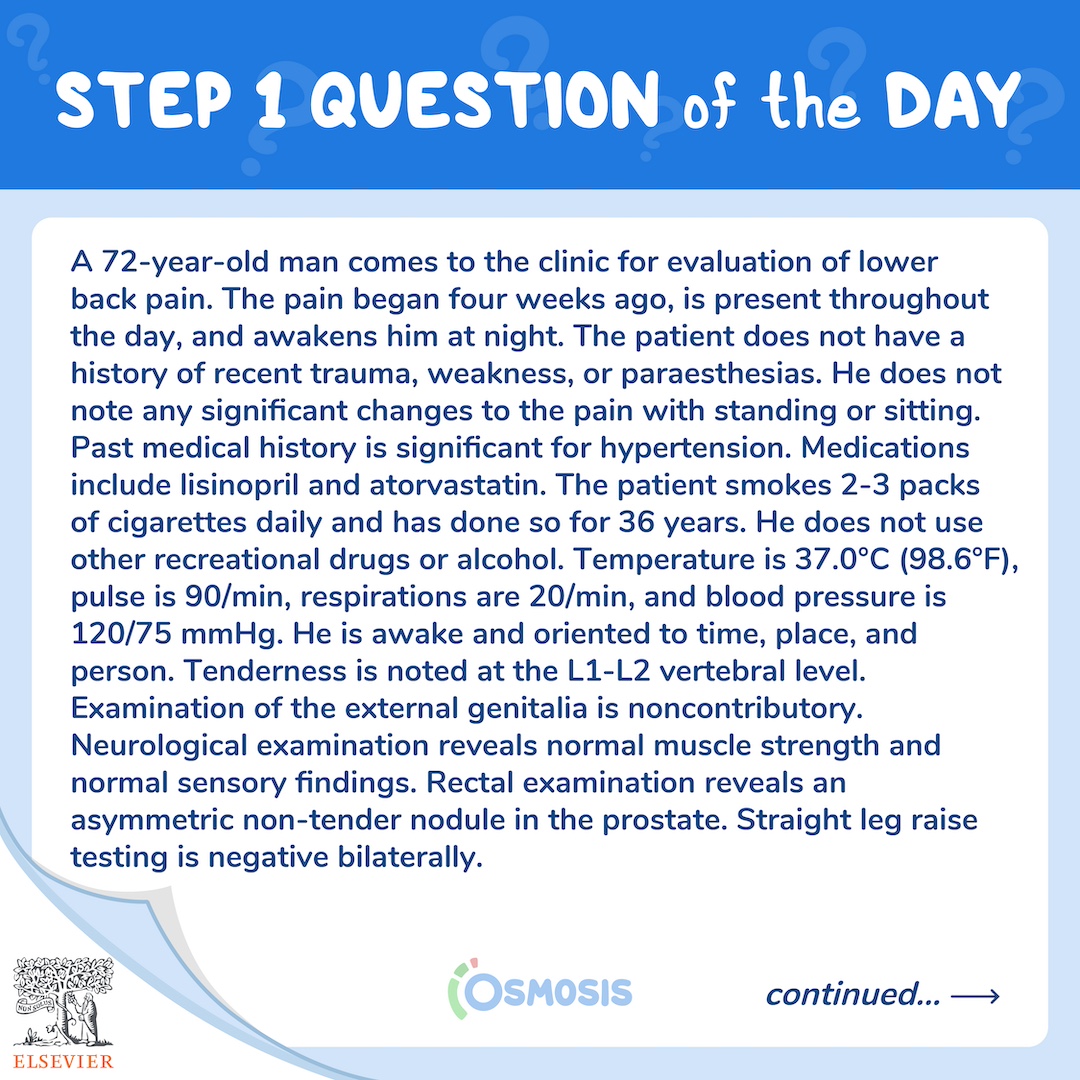
USMLE® Step 1 Question of the Day: Prostate nodule
— Updated:
Delve into today’s USMLE® Step 1 question on prostate cancer metastasis and understand the anatomical pathways and clinical implications involved.
-
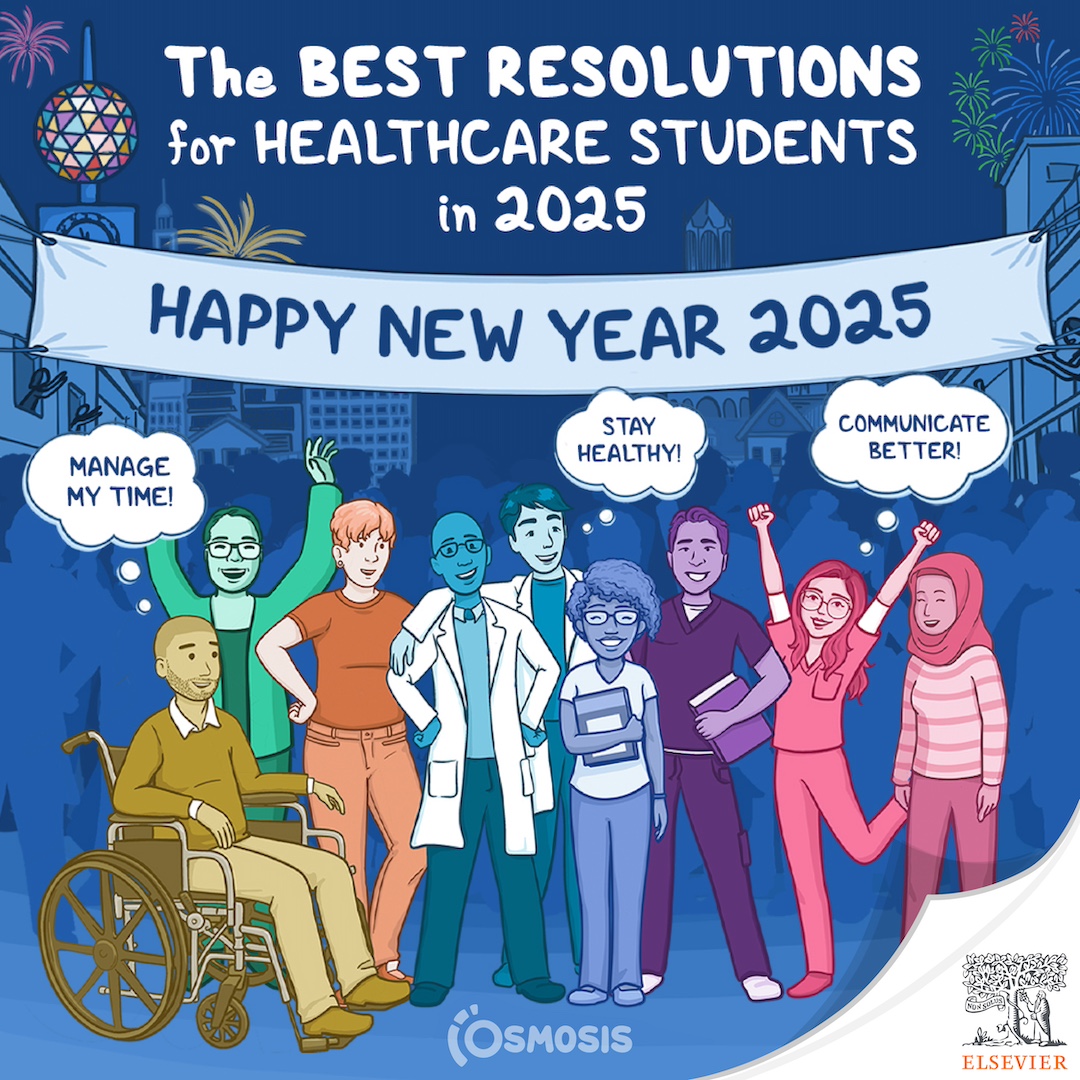
The Best Resolutions for Healthcare Students in 2025
— Updated:
Embrace the opportunity to thrive in your medical education with crucial resolutions tailored to healthcare students. From prioritizing self-care and enhancing clinical skills to fostering professional relationships and engaging in lifelong learning, these strategies will help you excel in your journey as a future healthcare professional.
-
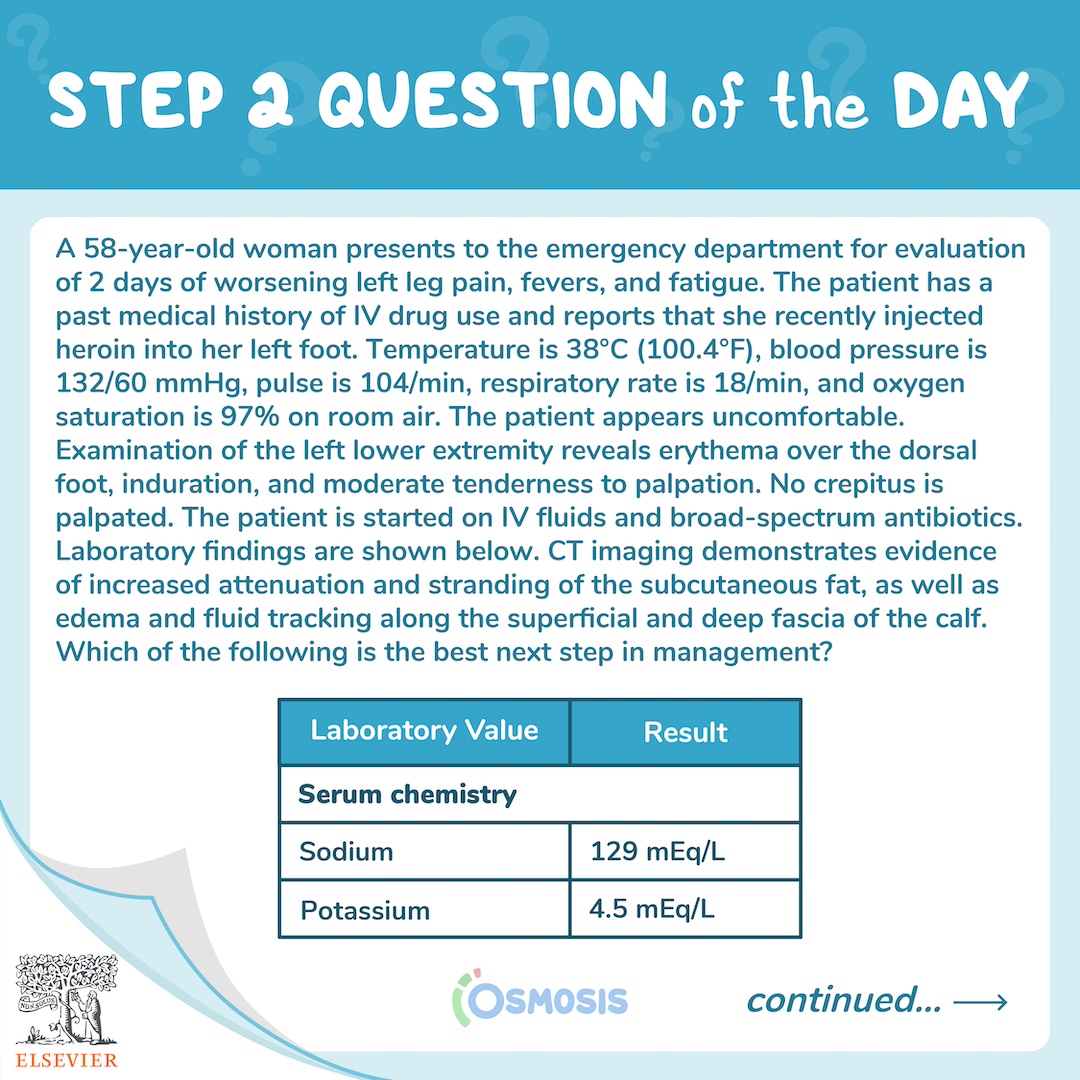
USMLE® Step 2 Question of the Day: Leg pain
— Updated:
Prep for the USMLE® Step 2 CK exam with this case study that focuses on a 36-year-old woman with acute leg pain. Learn how to recognize the common origins of thrombus and identify appropriate management steps. Dive into the details and sharpen your clinical skills for effective patient care!