
Category: Osteopathic Medicine (DO)
-
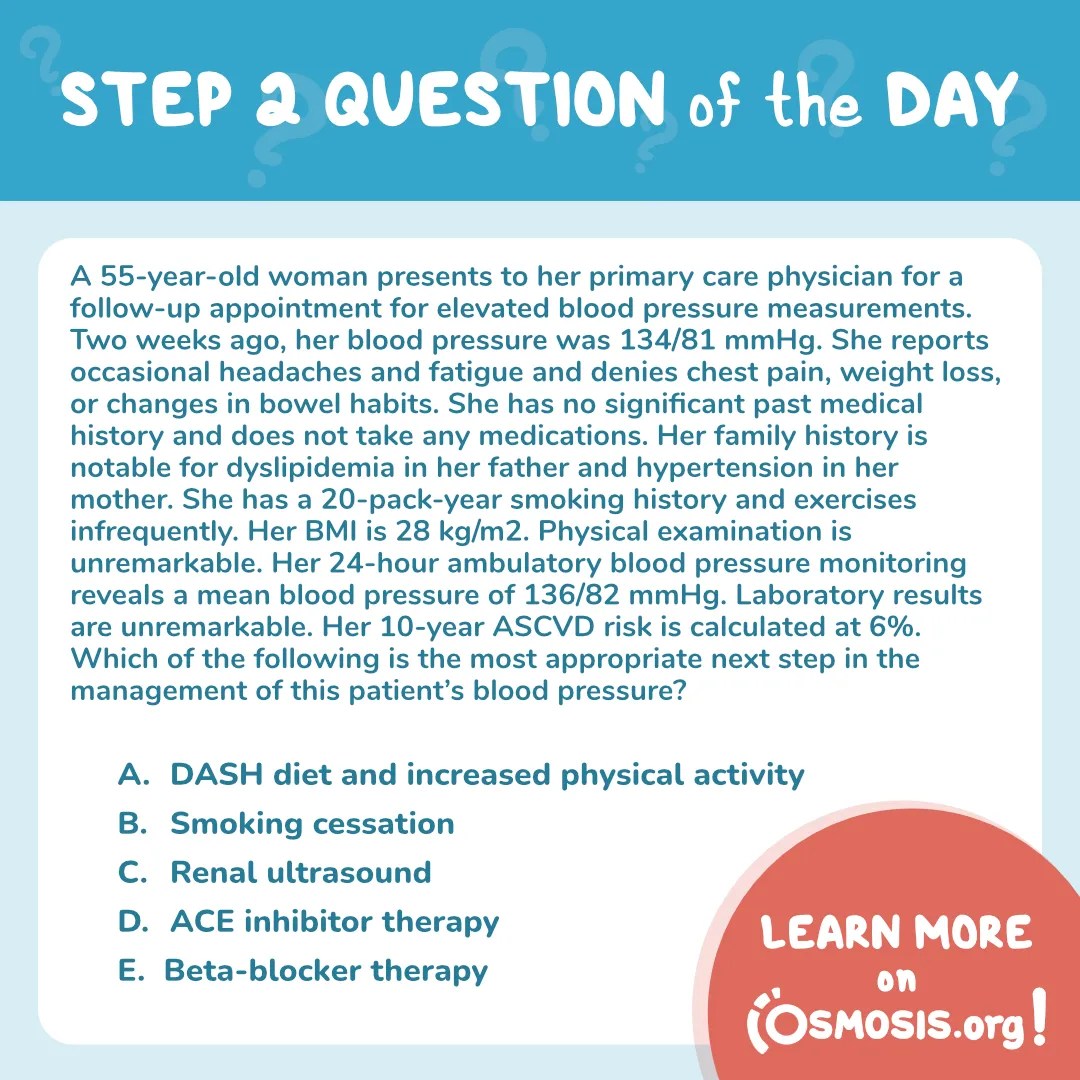
USMLE® Step 2 Question of the Day: High blood pressure
— Updated:
Prepare for your USMLE Step 2 with this case: A 55-year-old woman presents with stage 1 hypertension and occasional headaches. Her 24-hour blood pressure monitoring and low ASCVD risk score point to a critical next step in management.A 55-year-old woman presents to her primary care physician for a follow-up appointment…
-
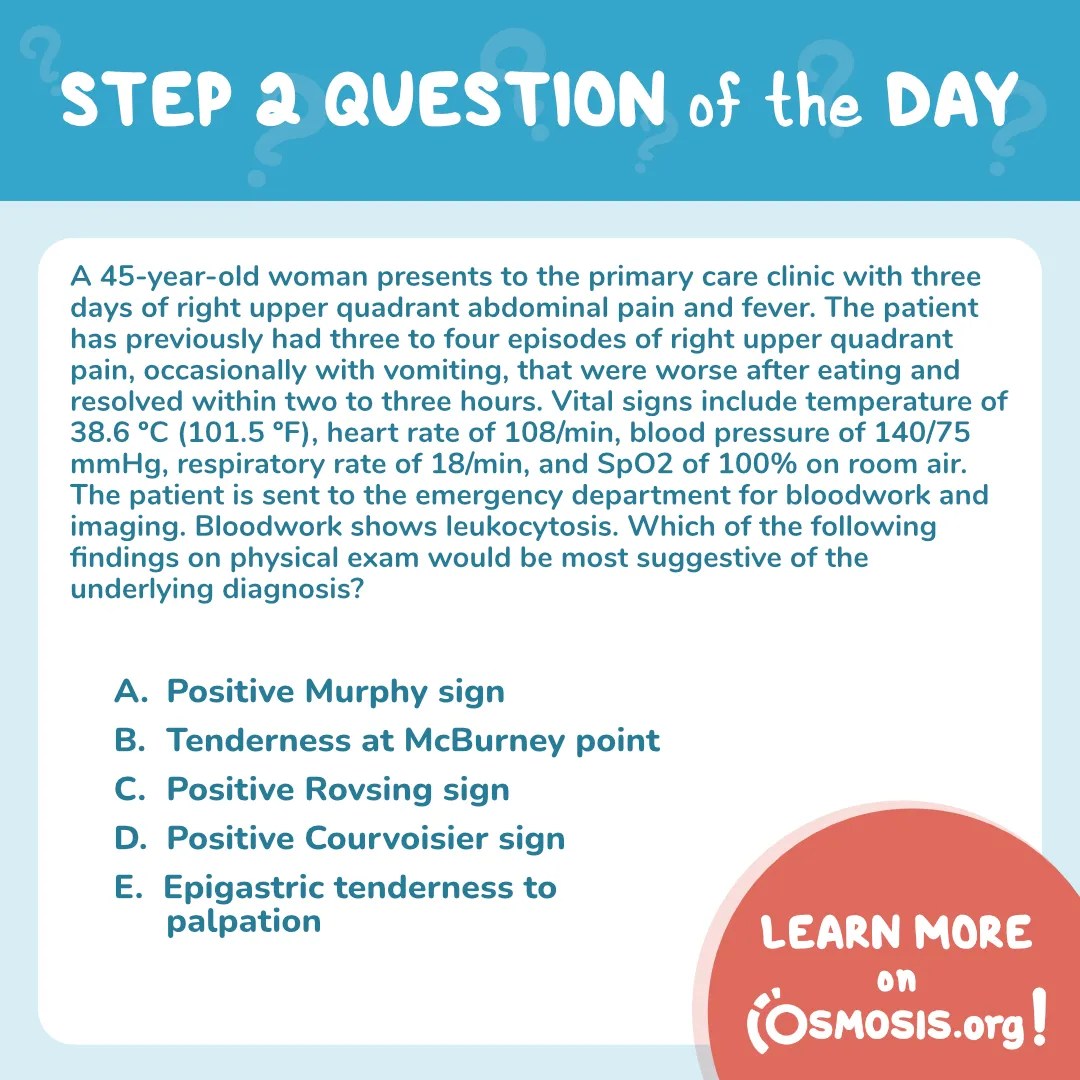
USMLE® Step 2 Question of the Day: Leukocytosis
— Updated:
Prepare for the USMLE Step 2 with a case of a 45-year-old woman presenting with right upper quadrant pain, fever, and a history of biliary colic. Learn how to identify key physical exam findings, such as a positive Murphy’s sign, that suggest acute cholecystitis, a common complication of gallstones.A 45-year-old…
-
The Mindful Health Professional: Techniques for Effectively Communicating with Patients
— Updated:
Explore mindfulness techniques and learn how to improve emotional regulation, patient-provider relationships, and clinical outcomes from psychiatrist and professor emeritus Frank John Ninivaggi, M.D., DLF-APA.
-
Understanding Personality Disorders: A helpful guide for health professionals
— Updated:
Explore key features and challenges of personality disorders, including diagnostic criteria and treatment strategies, to enhance clinical understanding and patient care.
-
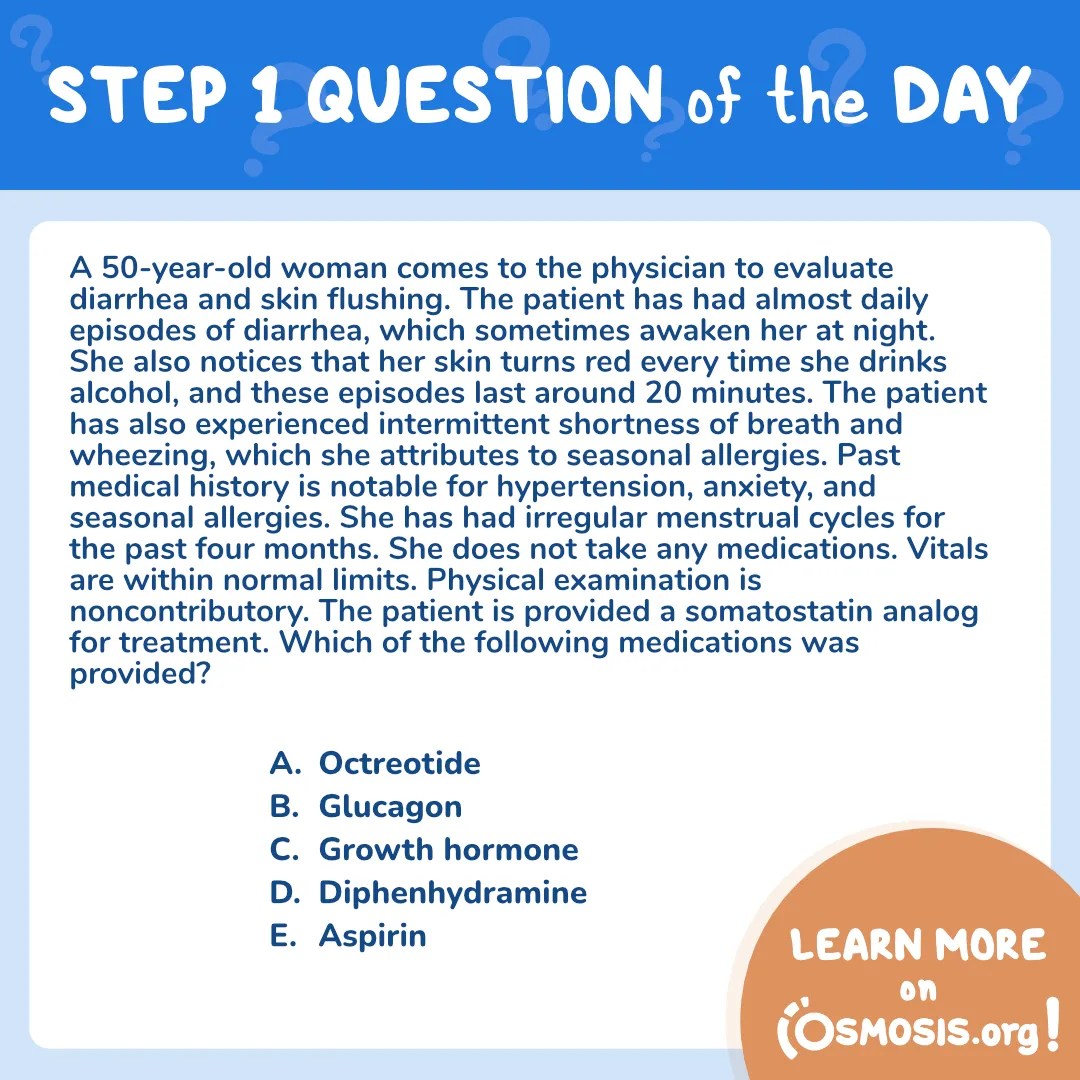
USMLE® Step 1 Question of the Day: Somatostatin analog
— Updated:
Test your knowledge with this USMLE Step 1 Question of the Day! A 50-year-old woman presents with daily diarrhea, skin flushing, and shortness of breath. She is treated with a somatostatin analog. Which medication was provided? A 50-year-old woman comes to the physician to evaluate diarrhea and skin flushing. The…
-
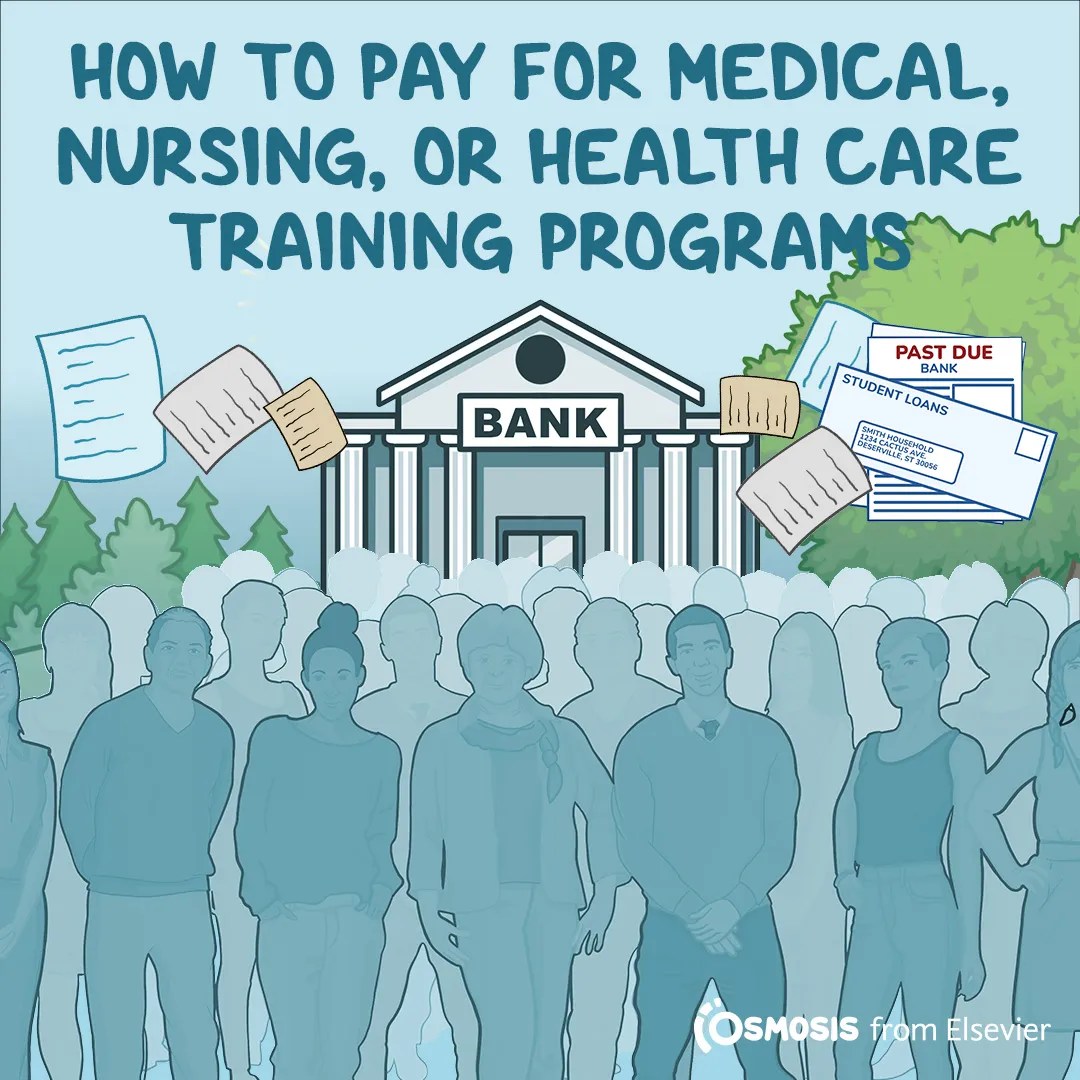
How to Pay for Medical, Nursing, or Health Care Training Programs
— Updated:
Facing the rising costs of medical or nursing education? Learn about scholarships, grants, federal and private loans, and budgeting strategies to finance your healthcare training.
-
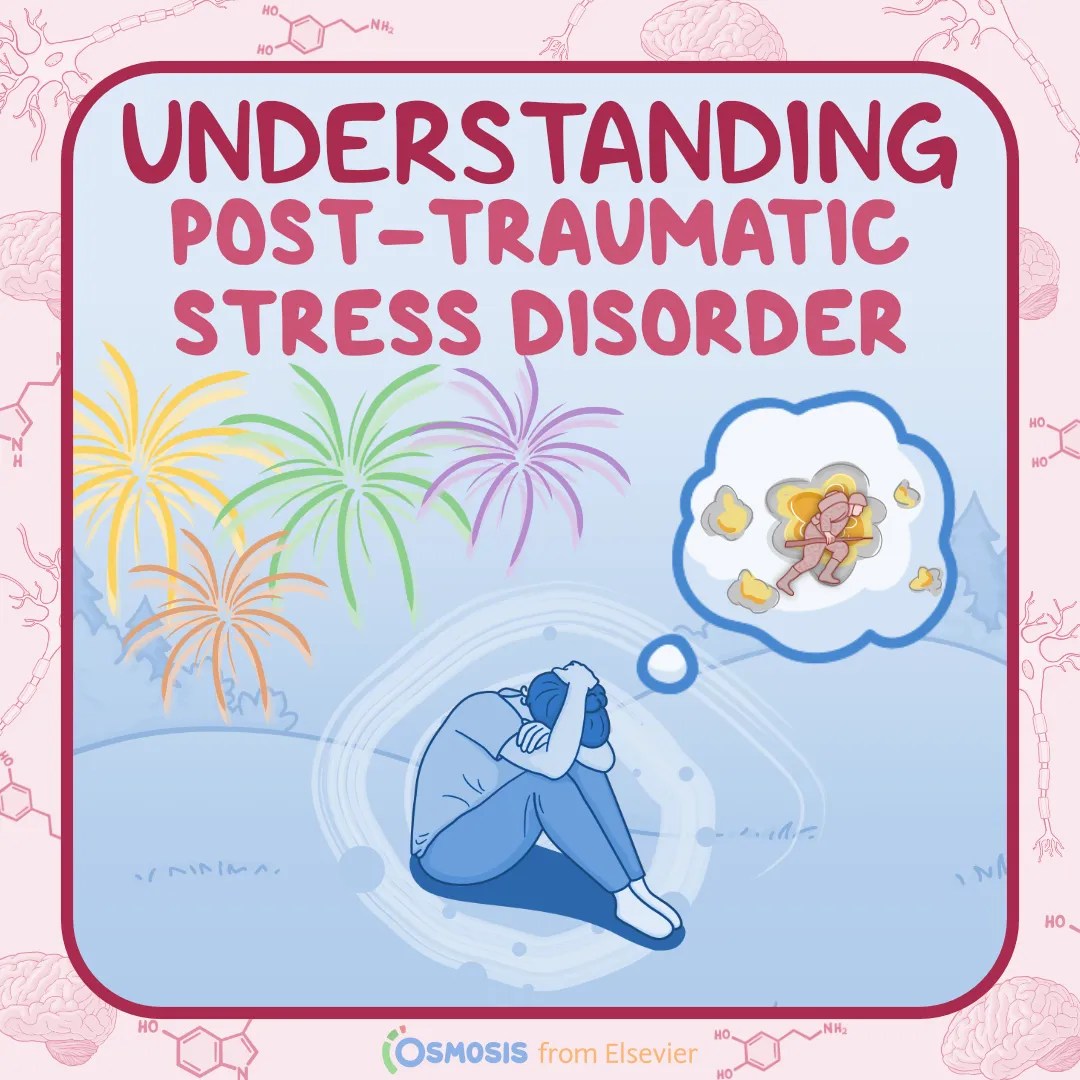
Understanding PTSD: A helpful guide for health professionals
— Updated:
Approximately 6% of US adults develop Post-Traumatic Stress Disorder (PTSD) during their lifetime. A sometimes debilitating mental health condition that develops after someone has experienced or witnessed a terrifying, dangerous, or shocking event, PTSD symptoms generally persist for more than one month and include reliving the traumatic event, avoidance of reminders of the experience, and…
-
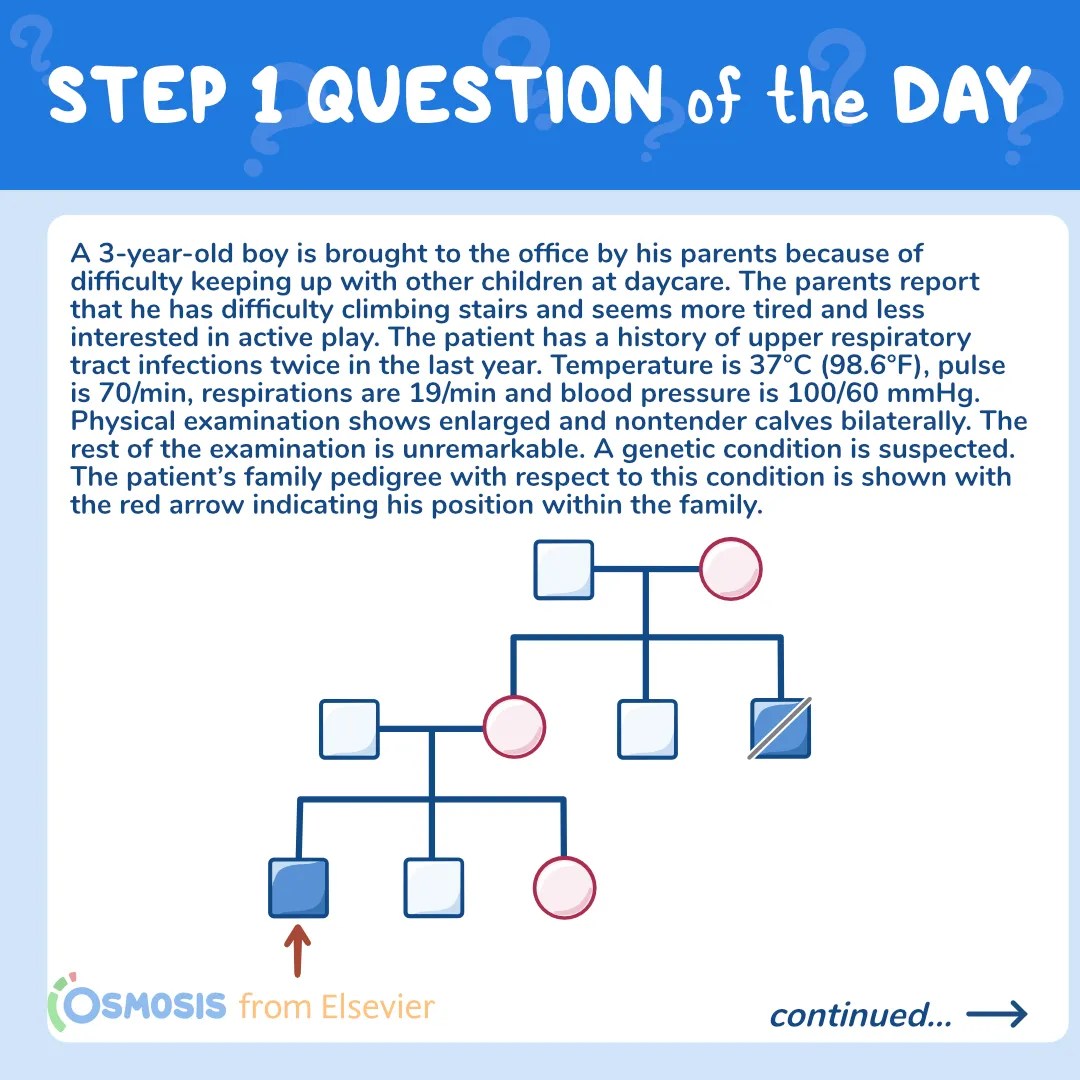
USMLE® Step 1 Question of the Day: Inheritance patterns
— Updated:
Test your knowledge with this USMLE Step 1 Question of the Day. A 3-year-old boy is brought to the office due to difficulty keeping up with other children at daycare. The physical examination reveals enlarged calves, and a genetic condition is suspected. Review the patient’s family pedigree and determine the…
-
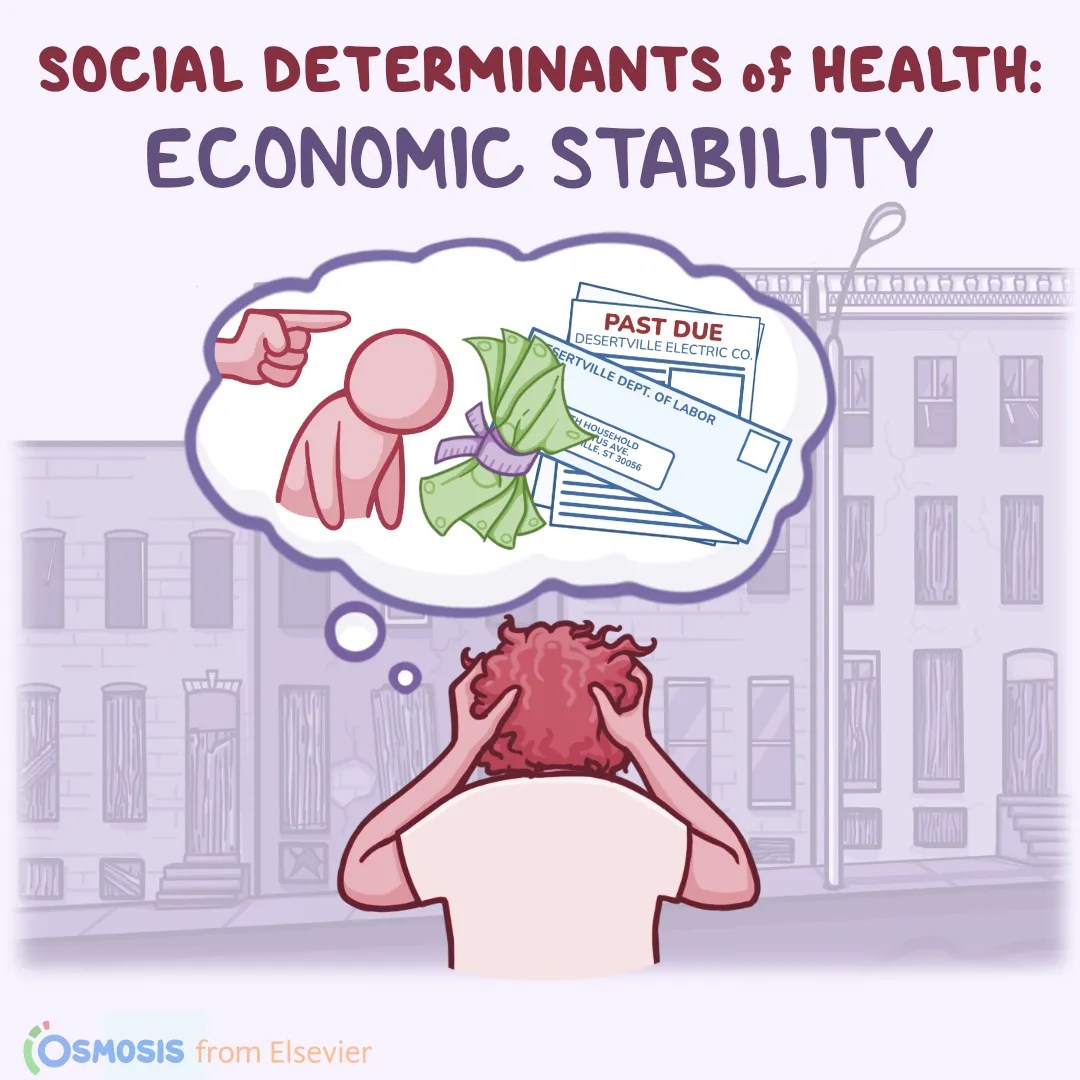
Social Determinants of Health: Economic Stability
— Updated:
Learn about the impact of economic stability on health, the challenges faced by underserved populations, and strategies to improve healthcare access and equity.
-
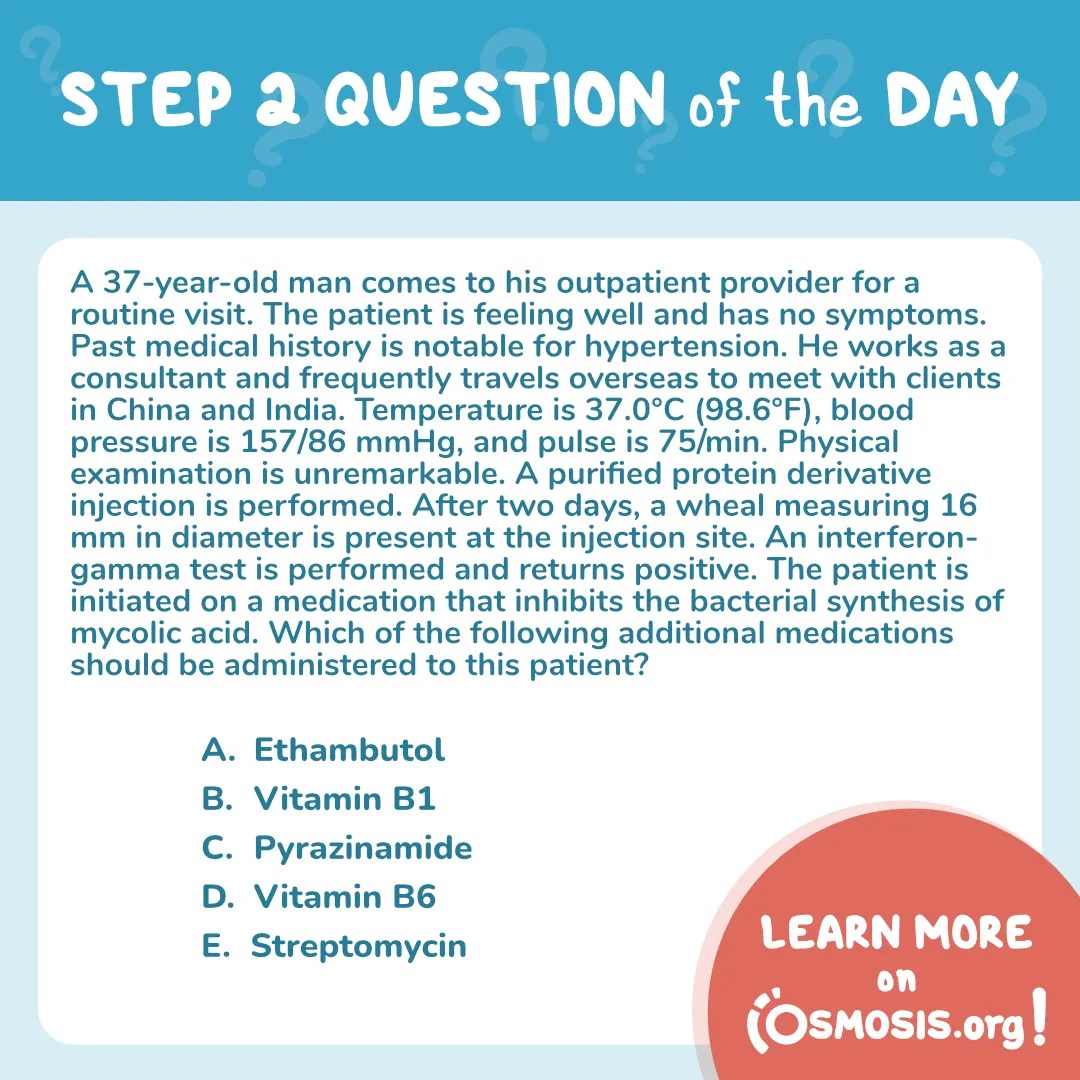
USMLE® Step 2 Question of the Day: Mycolic acid
— Updated:
Test your knowledge with this USMLE Step 2 Question of the Day. A 37-year-old man with a history of hypertension and frequent travel to tuberculosis-endemic regions presents for a routine visit. He has no symptoms, but his tuberculin skin test and interferon-gamma assay are positive. The patient is initiated on…
-
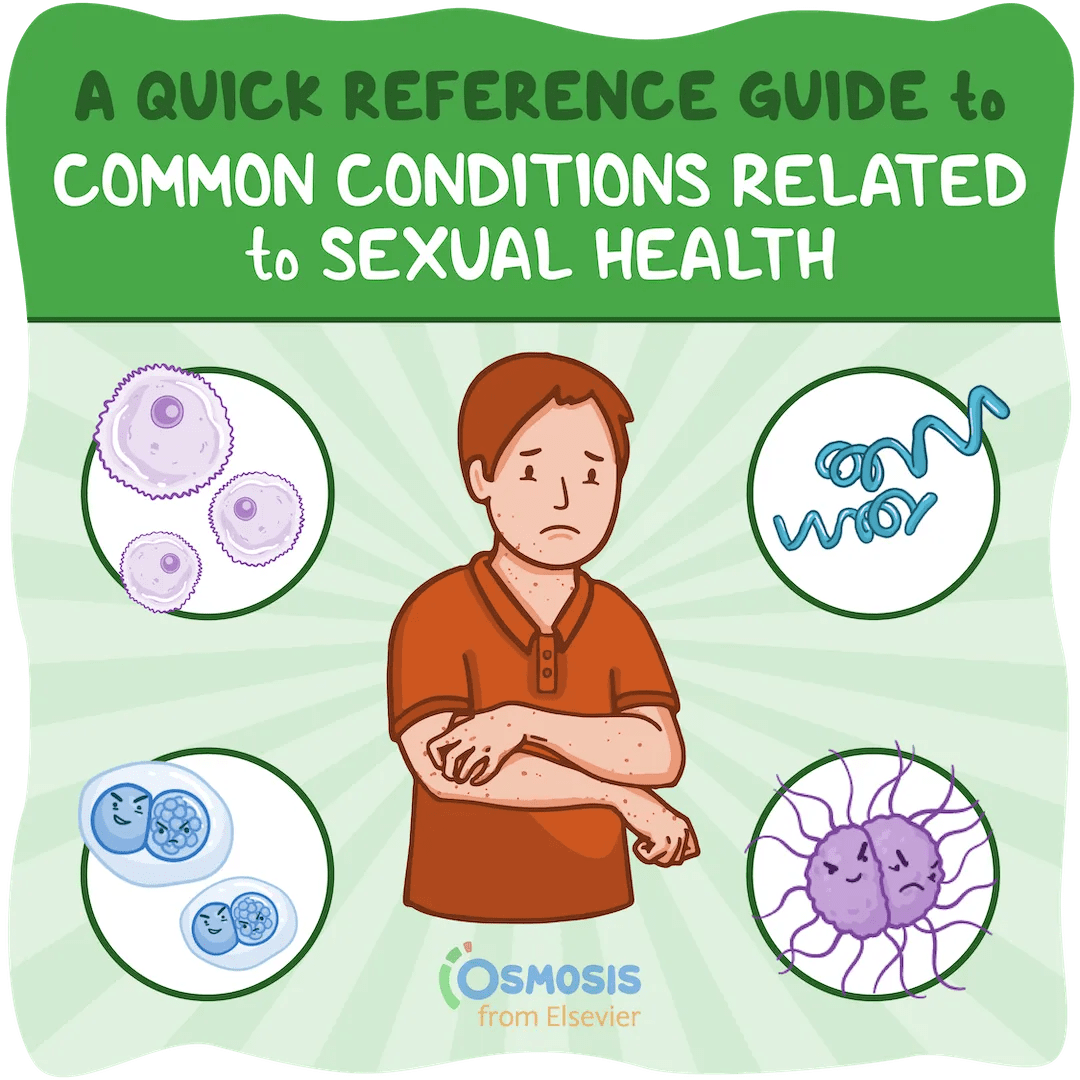
A Quick Reference Guide to Common Conditions Related to Sexual Health, Part 1: Bacterial Infections
— Updated:
Understanding bacterial infections is essential for maintaining sexual health and overall well-being. This quick reference guide covers common conditions such as chlamydia, gonorrhea, and syphilis, detailing their symptoms, diagnostic approaches, and effective treatment strategies. Equip yourself with the knowledge to promote better health outcomes and engage in informed conversations about…
-
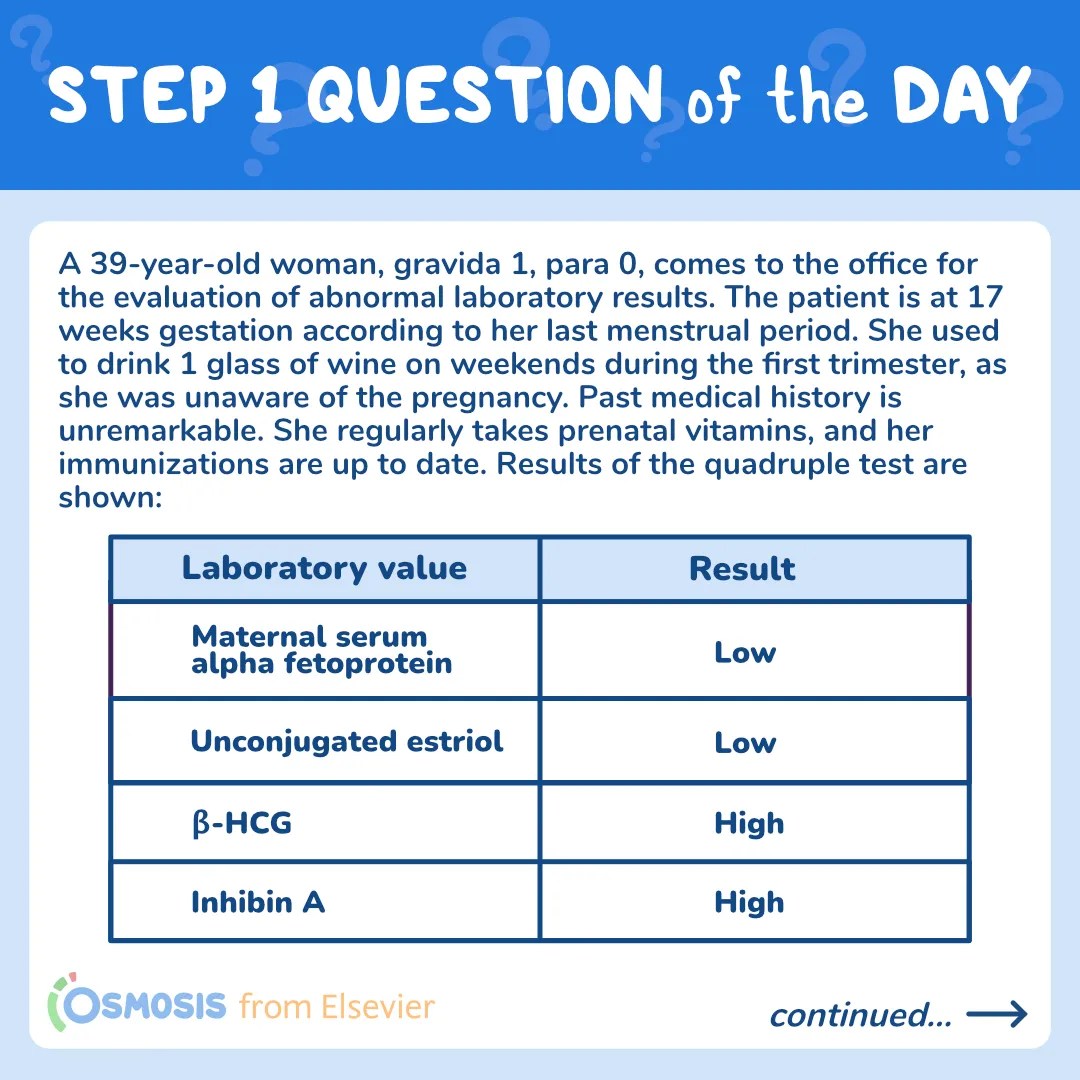
USMLE® Step 1 Question of the Day: Quadruple test
— Updated:
A pregnant patient’s quadruple test shows abnormal markers. Which fetal condition is most likely associated with these results?
-
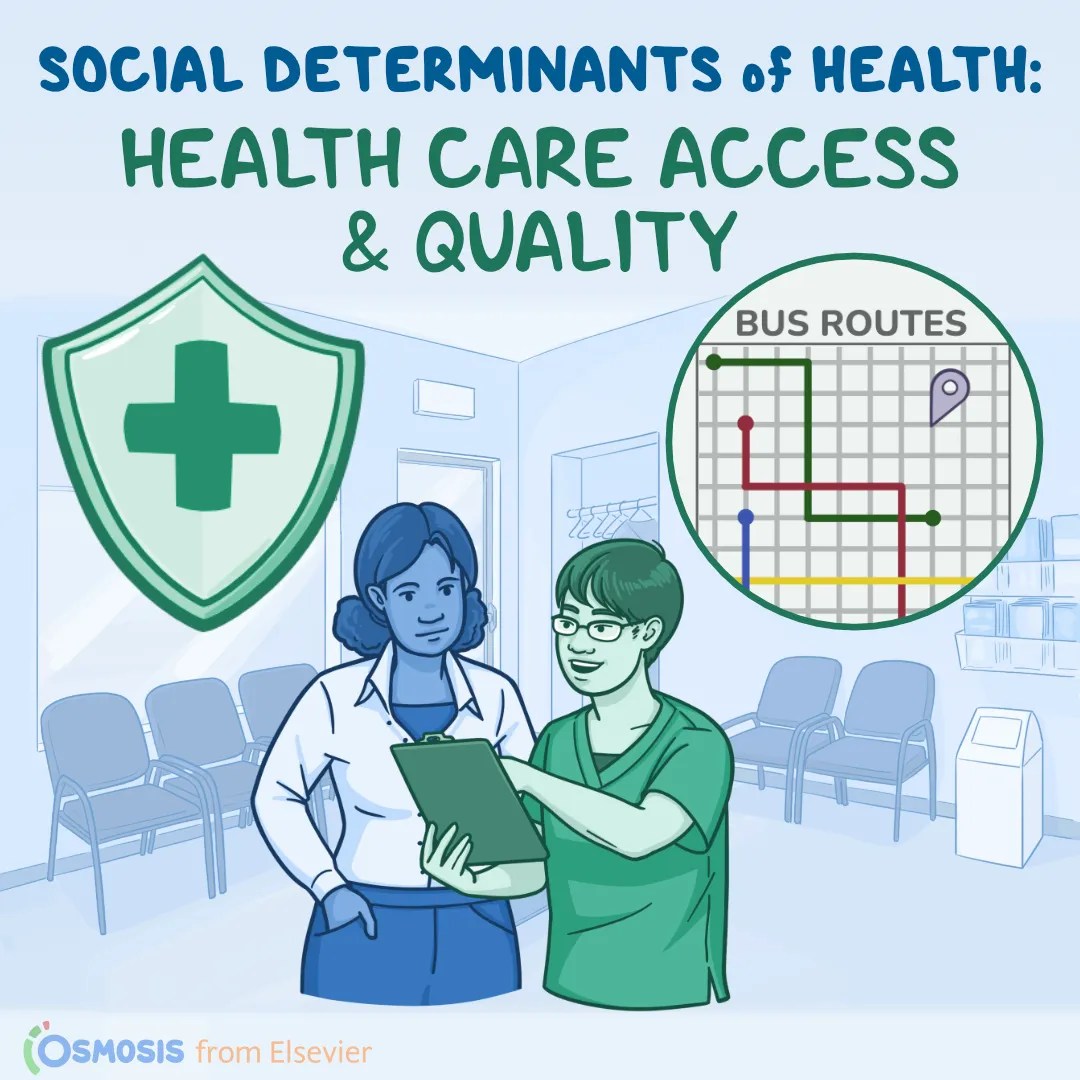
Social Determinants of Health: Health Care Access and Quality
— Updated:
Explore how social determinants like healthcare access and quality affect patient outcomes and what you can do to promote equity as a clinician.
-
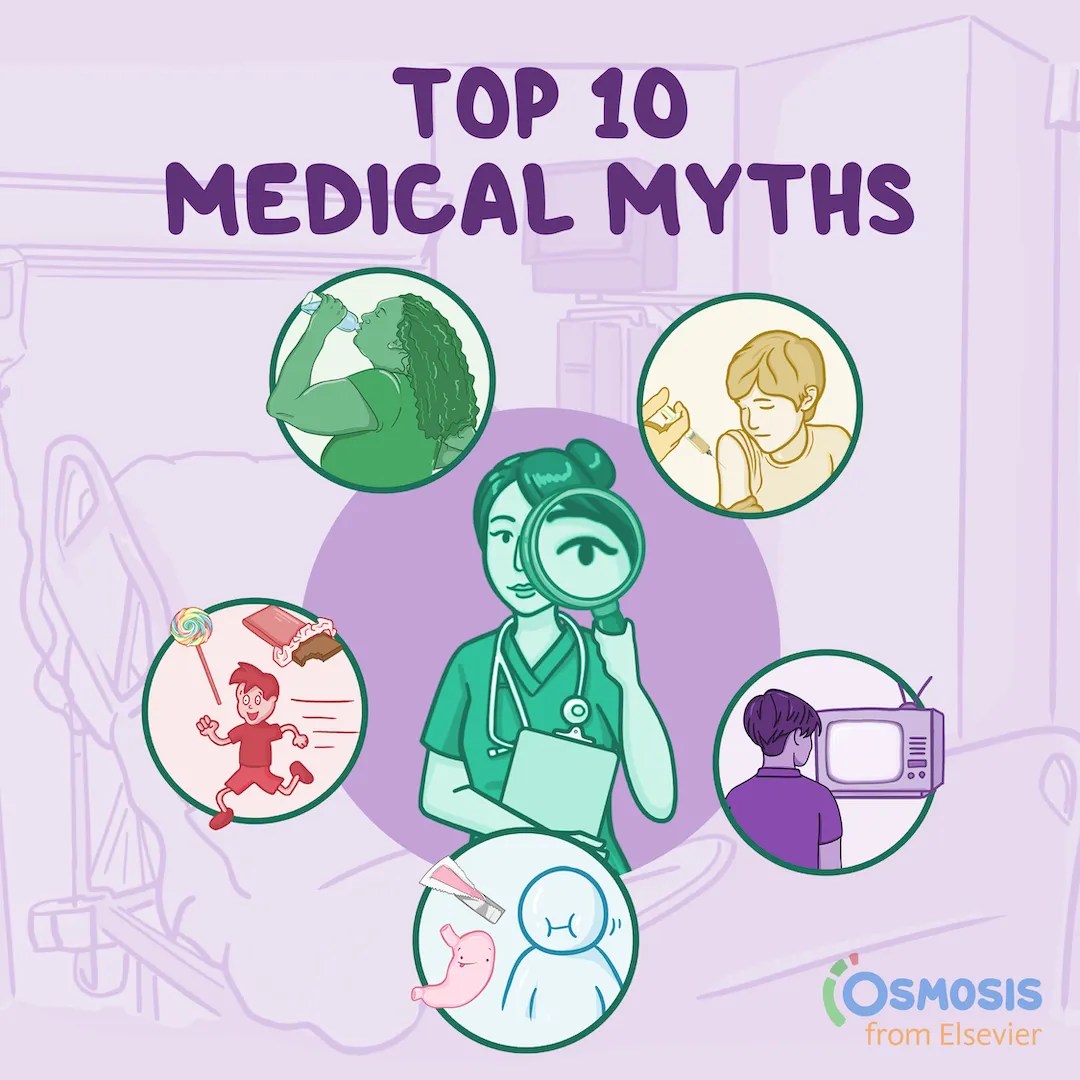
Top 10 Medical Myths: What Your Patients Should Know
— Updated:
Does chewing gum stays in your stomach for seven years and does sugar makes kids hyperactive? Share these ten top medical misconceptions to foster informed discussions and enhance patient trust.
-
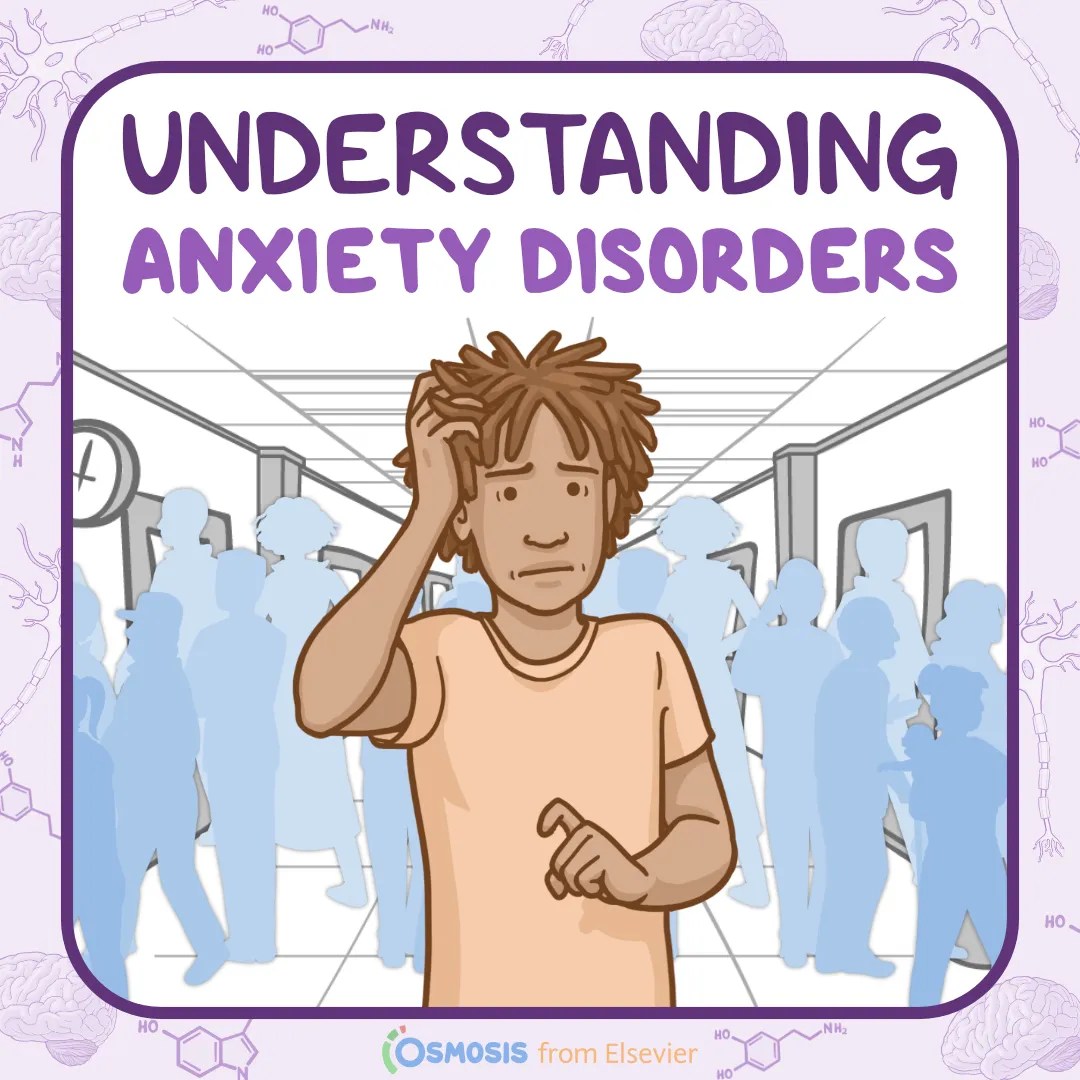
Understanding Anxiety Disorders: A helpful guide for health professionals
— Updated:
We all experience feelings of nervousness, worry, fear, or anxiety to the point of discomfort and distress at various points in our lives. Anxiety is a normal response to fear-provoking situations. However, for people who live with an anxiety disorder, these feelings are excessive, persistent, and disrupt the flow of daily…
-
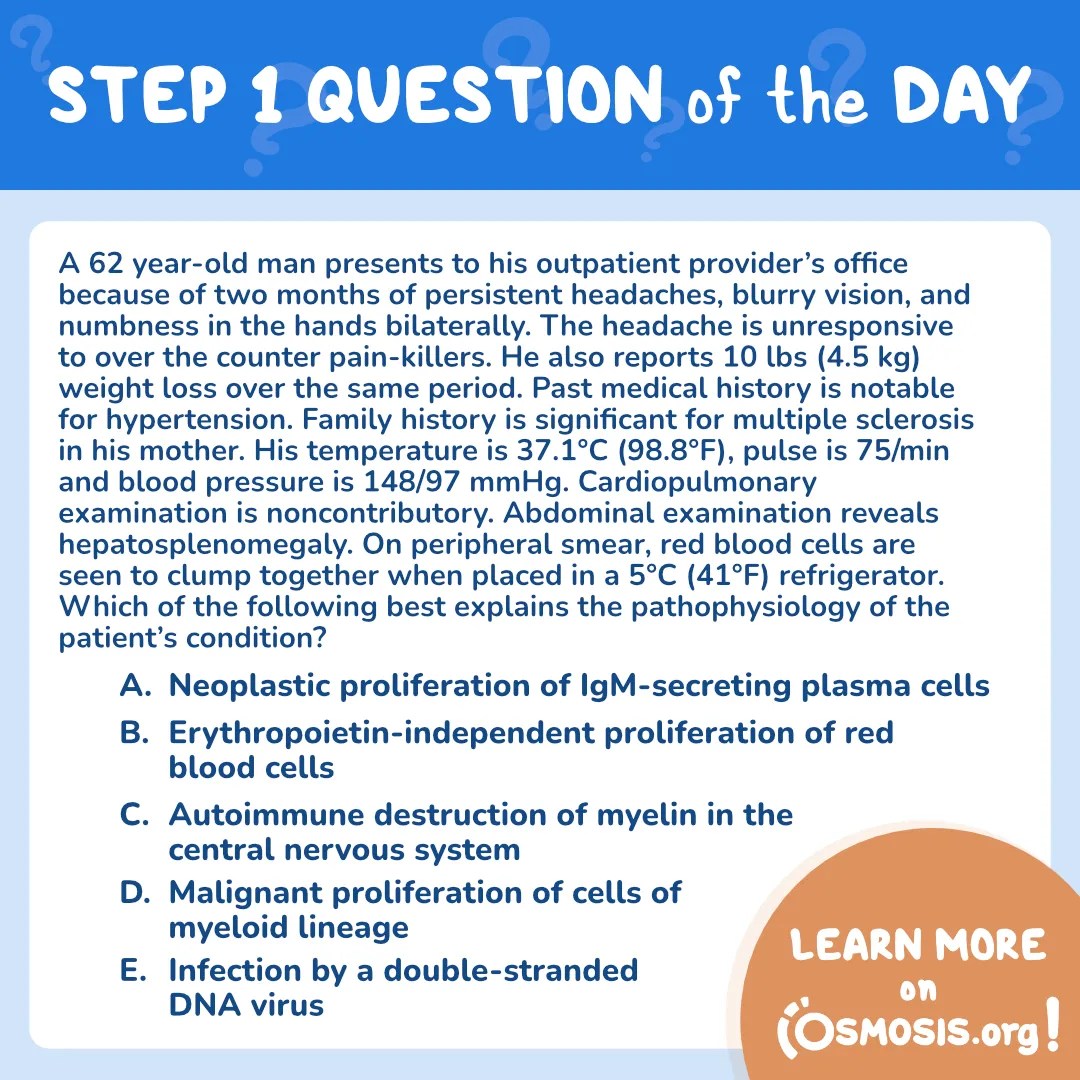
USMLE® Step 1 Question of the Day: Hepatosplenomegaly
— Updated:
Prepare for USMLE Step 1 with this case! Learn about a USMLE Step 1 question involving a 62-year-old man with headaches, blurry vision, and numbness in his hands. Learn the significance of elevated IgM levels, blood viscosity, and the importance of cold agglutination in this hematologic malignancy. A 62 year-old…
-
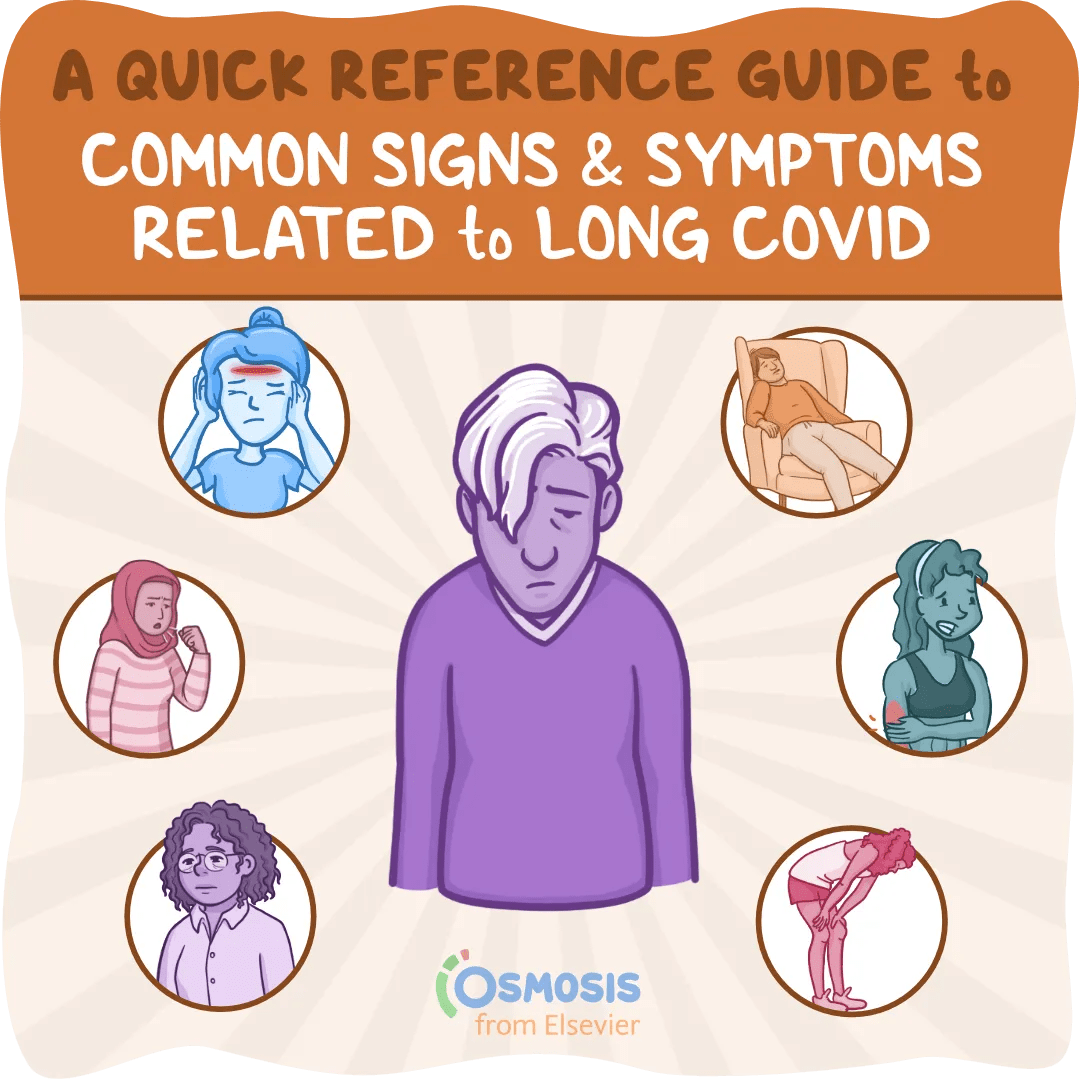
A Quick Reference Guide to Common Conditions Associated with Long Covid
— Updated:
Understanding the common conditions associated with Long COVID is crucial for effective patient care and recovery. This guide explores persistent symptoms such as fatigue, cognitive issues, and dysautonomia, along with evidence-based management strategies to support patients in their healing journey. Equip yourself with the knowledge to navigate the complexities of…
-
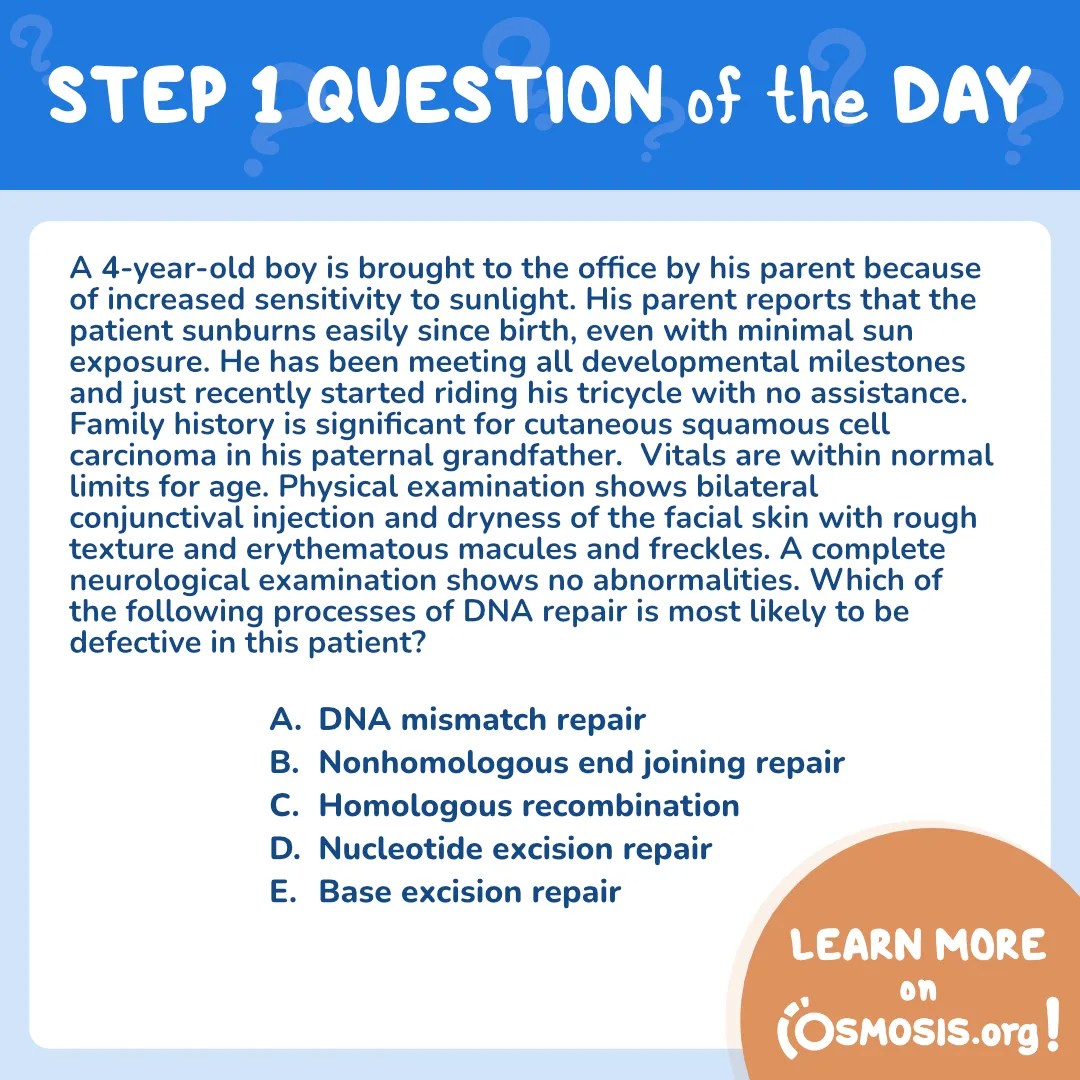
USMLE® Step 1 Question of the Day: Sunlight sensitivity
— Updated:
Prepare for USMLE Step 1 with this case! A 4-year-old boy with increased sensitivity to sunlight and facial skin changes since birth is brought in for evaluation. What’s the most likely diagnosis? A 4-year-old boy is brought to the office by his parent because of increased sensitivity to sunlight. His…
-

Time Management 101: How to get (and stay) organized while you’re in school
— Updated:
Overwhelmed by the pace of healthcare training? Discover time management tools like the Eisenhower matrix and active learning to boost focus, reduce stress, and improve retention.
-
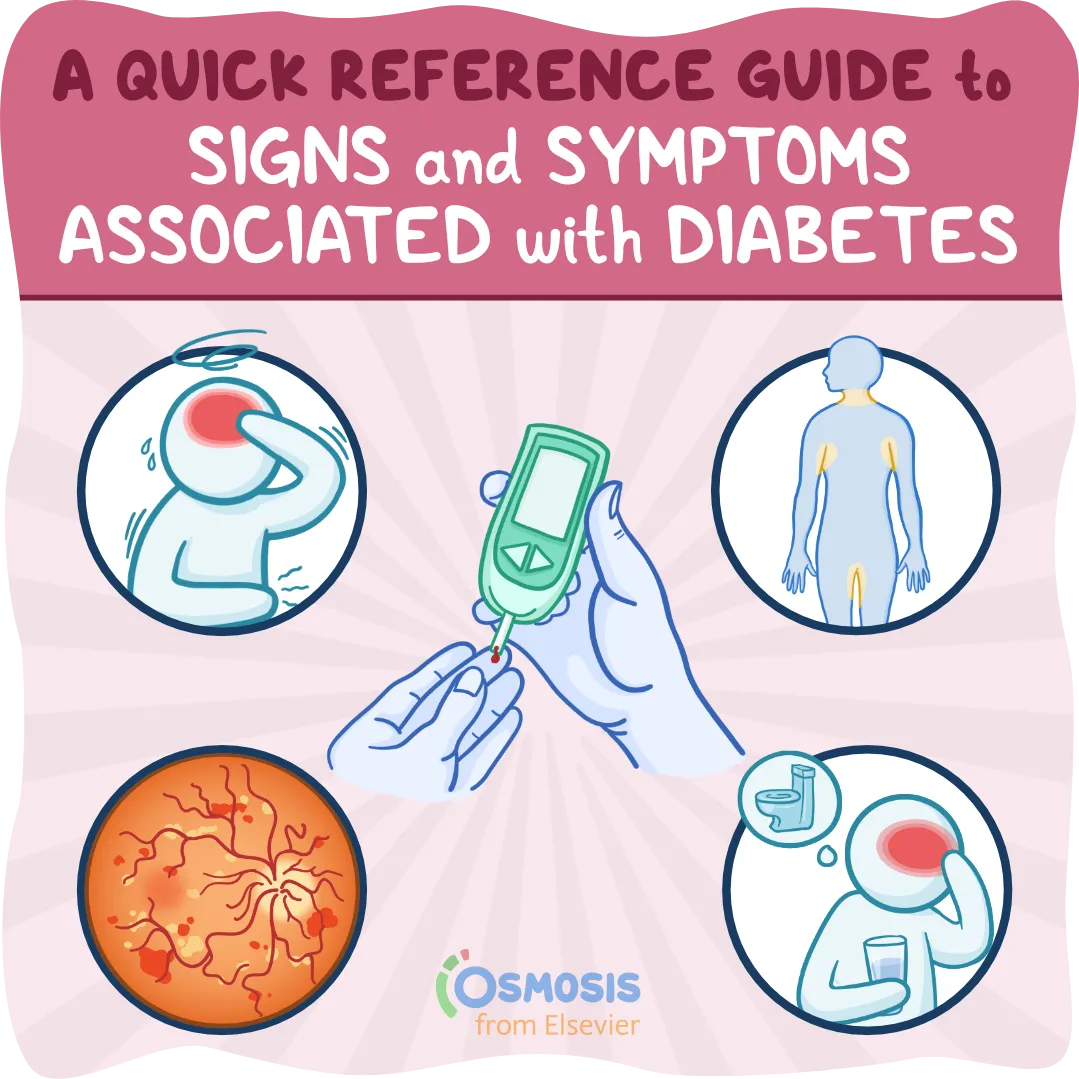
A Quick Reference Guide to Signs and Symptoms Associated with Diabetes Mellitus
— Updated:
Learn to identify common signs and symptoms of diabetes mellitus, including hypoglycemia, hyperglycemia, acanthosis nigricans, and vascular changes, to improve diagnosis and care.
-
Social Determinants of Health: Education Access and Quality
— Updated:
Learn about the vital role of education in health outcomes, the challenges of educational disparities, and strategies to promote equitable access.
-
How to Discuss Sensitive Topics with Your Patients
— Updated:
Enhance your ability to engage patients in sensitive medical discussions with empathy, active listening, and culturally competent communication for better outcomes.
-
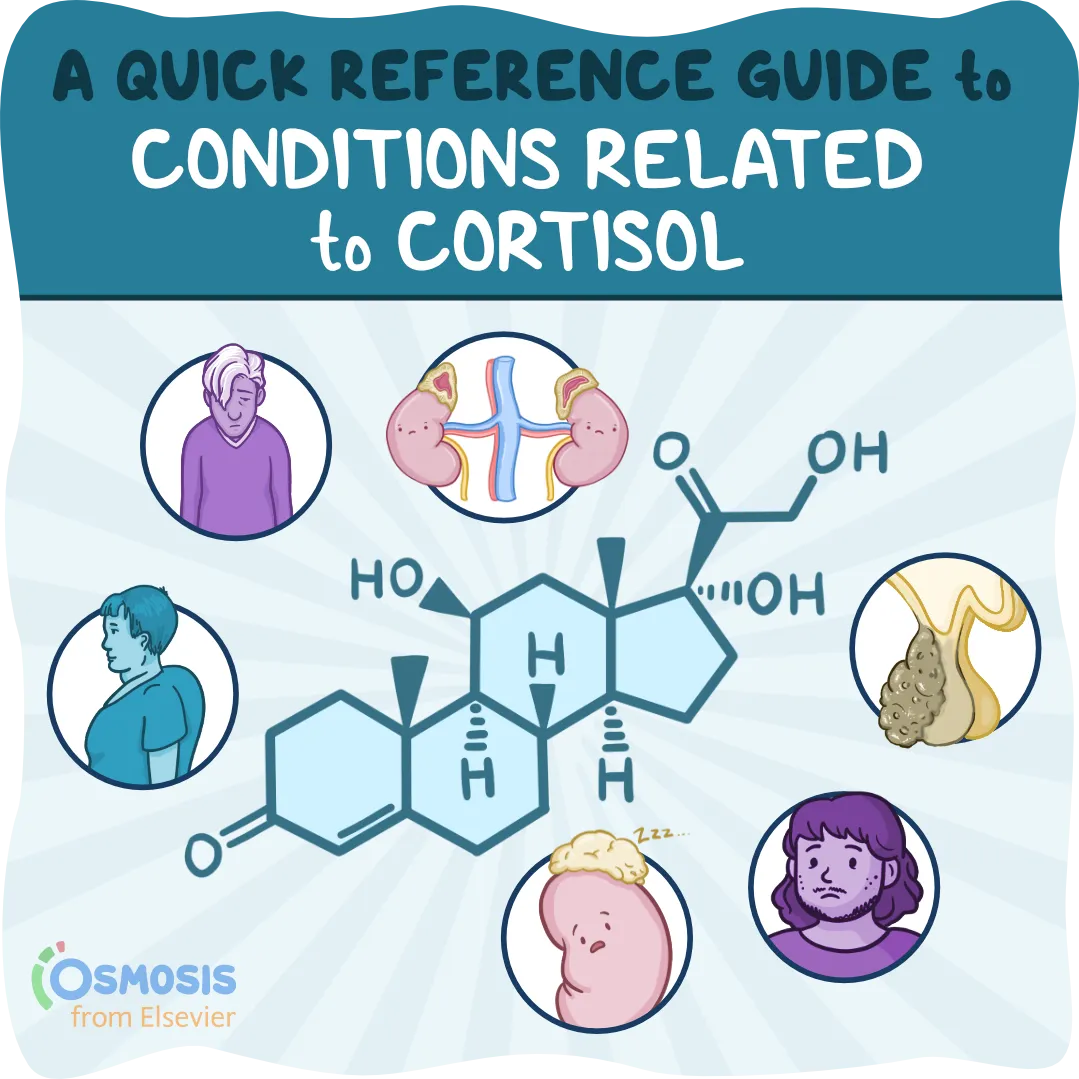
A Quick Reference Guide to Conditions Related to Cortisol
— Updated:
Cortisol imbalances cause diverse health issues from excess to deficiency. Understand hypercortisolism and adrenal insufficiency, their signs, diagnoses, and management strategies.
-
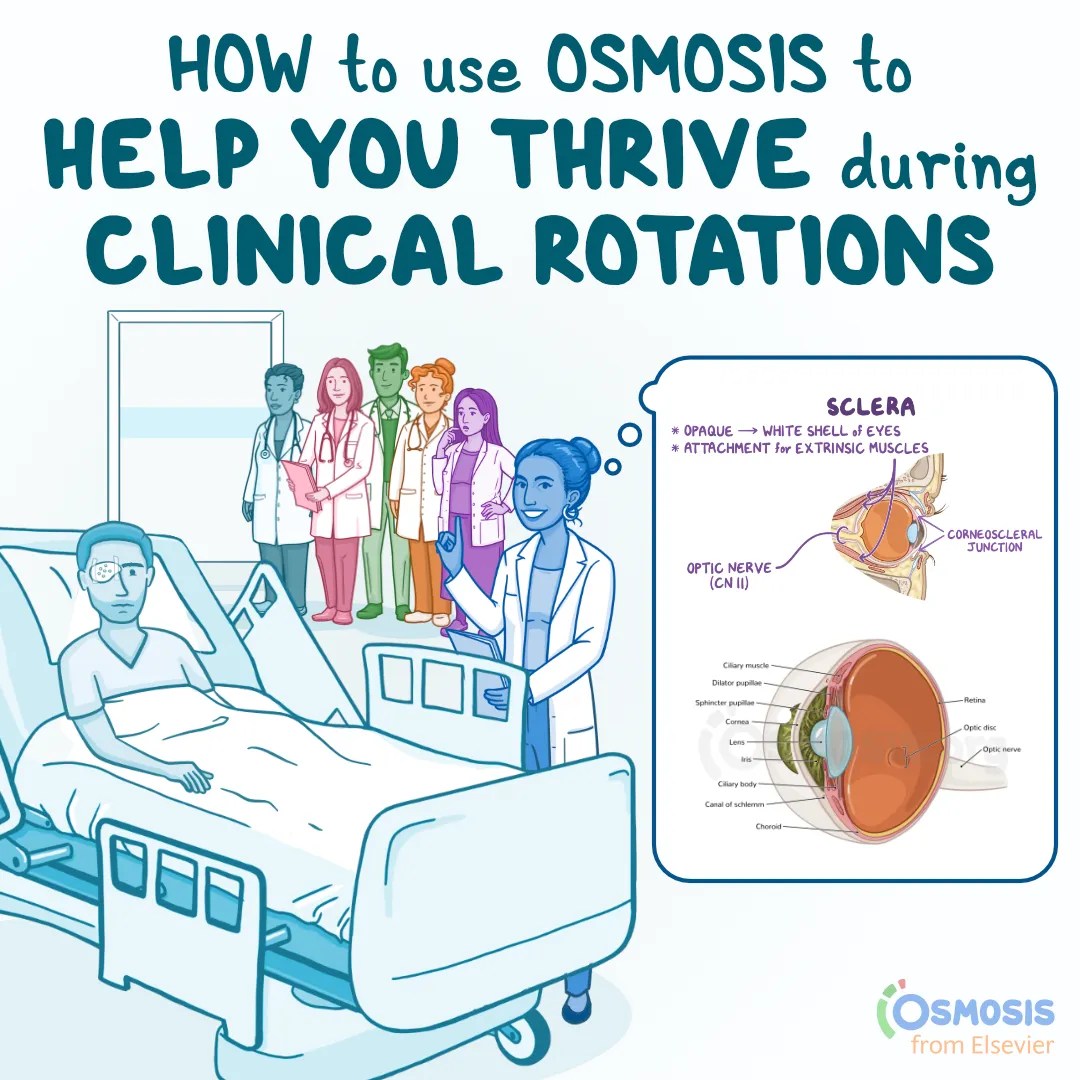
How to Use Osmosis to Help You Thrive During Clinical Rotations
— Updated:
Embarking On Your Clinical Journey Clinical rotations mark a pivotal point in your journey to becoming a medical professional. Stepping into the realm of real-world health care introduces a unique set of expectations, routines, and challenges that may seem formidable. So, while keeping up with your studies can seem daunting,…
-
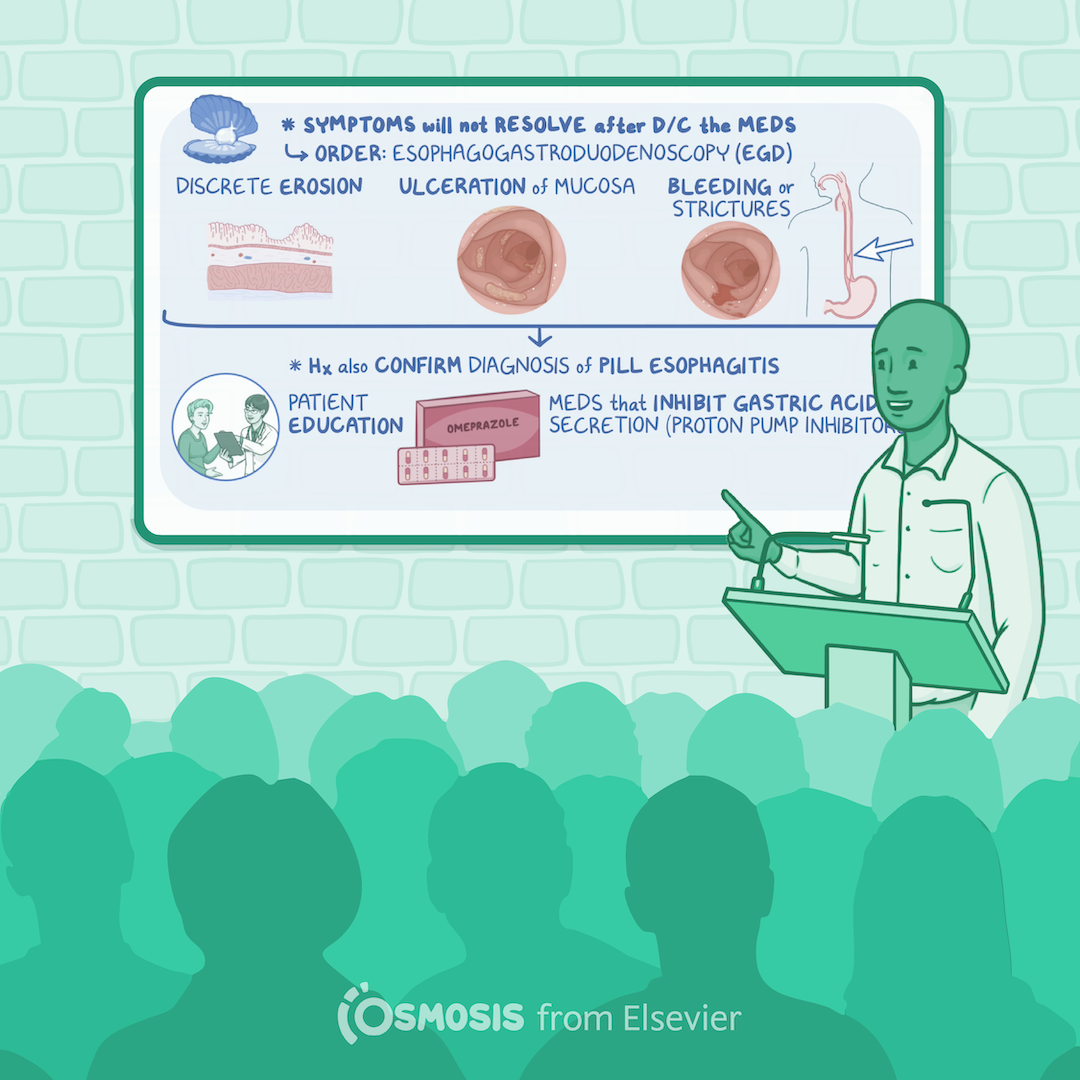
A Helpful List of Major Medical Education Conferences
— Updated:
Ready to advance your career in healthcare? Our updated guide to medical conferences is here to help you connect with peers, explore innovative advancements, and share your research. Whether you’re a student, faculty member, or administrator, these events provide invaluable networking and professional development opportunities tailored to your goals. Notable…
-
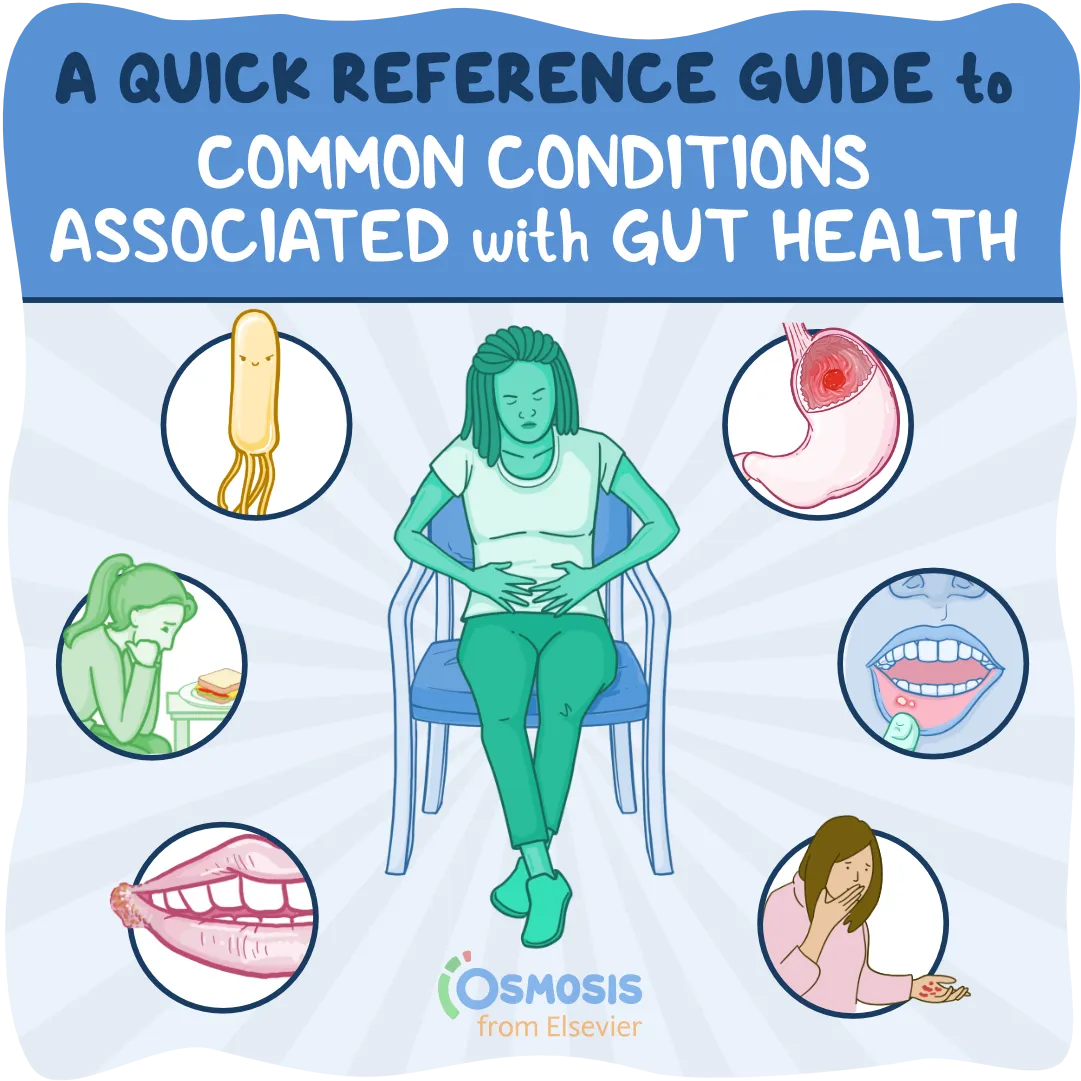
A Quick Reference Guide to Common Conditions Associated with Gut Health
— Updated:
Understand the importance of gut health with our quick reference guide on common gastrointestinal conditions. This article covers dysbiosis, gastritis, and other related disorders, detailing their symptoms, diagnostic methods, and effective treatment strategies. Equip yourself with the knowledge to enhance patient care and promote overall wellness in your practice.
-
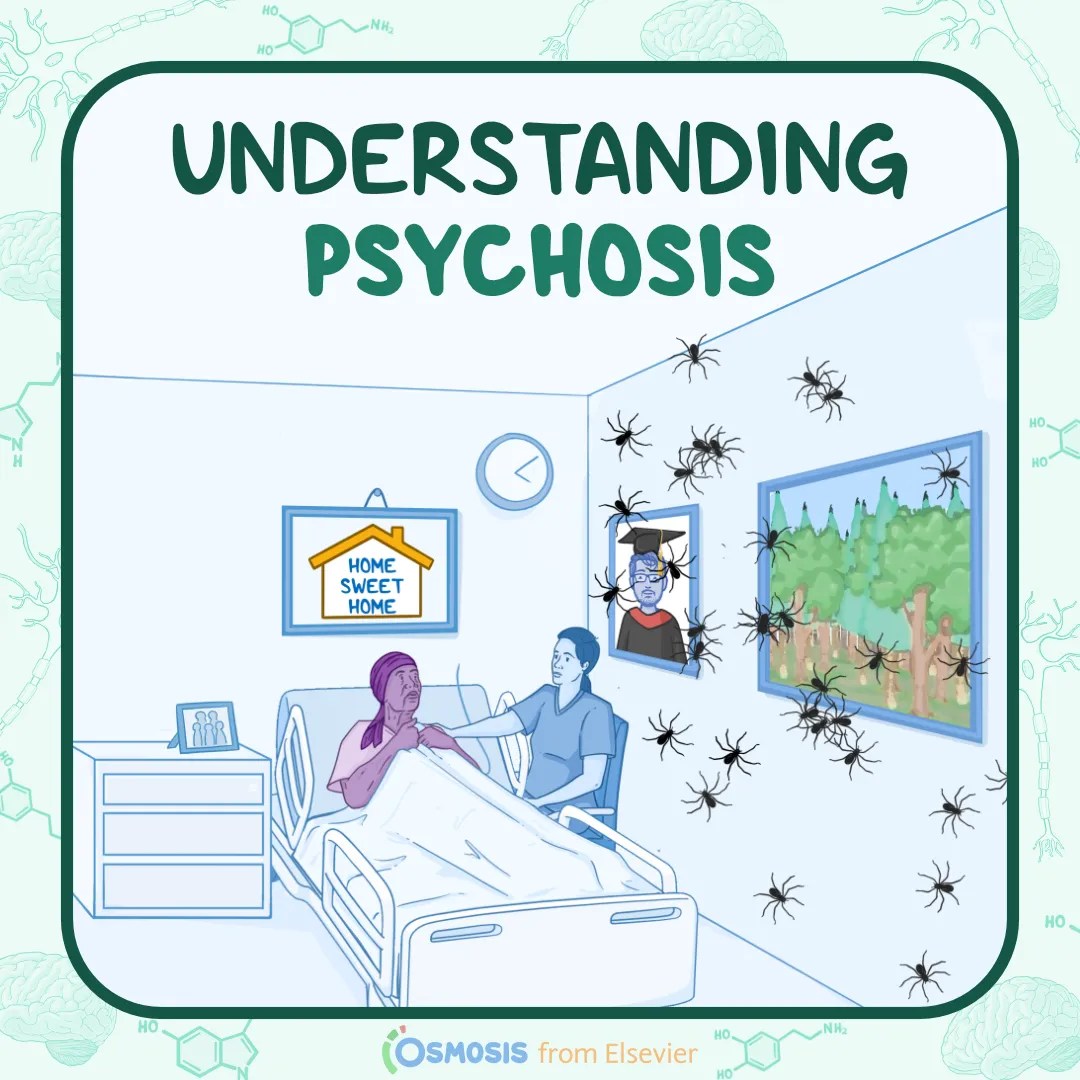
Understanding Psychosis: A helpful guide for health professionals
— Updated:
In today’s Osmosis from Elsevier blog, we’re exploring the impact and causes of psychosis, its diverse symptoms, and the importance of early intervention. Learn how to recognize, support, and reduce stigma as a clinician, caregiver, or family member. Imagine if how you perceive reality changed radically, with a disconnect in…
-

Black Health Inequity: A Cry for Equity and Justice for All
— Updated:
In a guest blog post, Dr. Itunu Johnson-Sogbetun addresses the everyday reality of health inequity for Black communities worldwide, as well as her pioneering work in creating HEAL, Health Equity and Advocacy Learning courses, developed to confront health disparities head-on and guide us to equitable access to healthcare for all.…
-
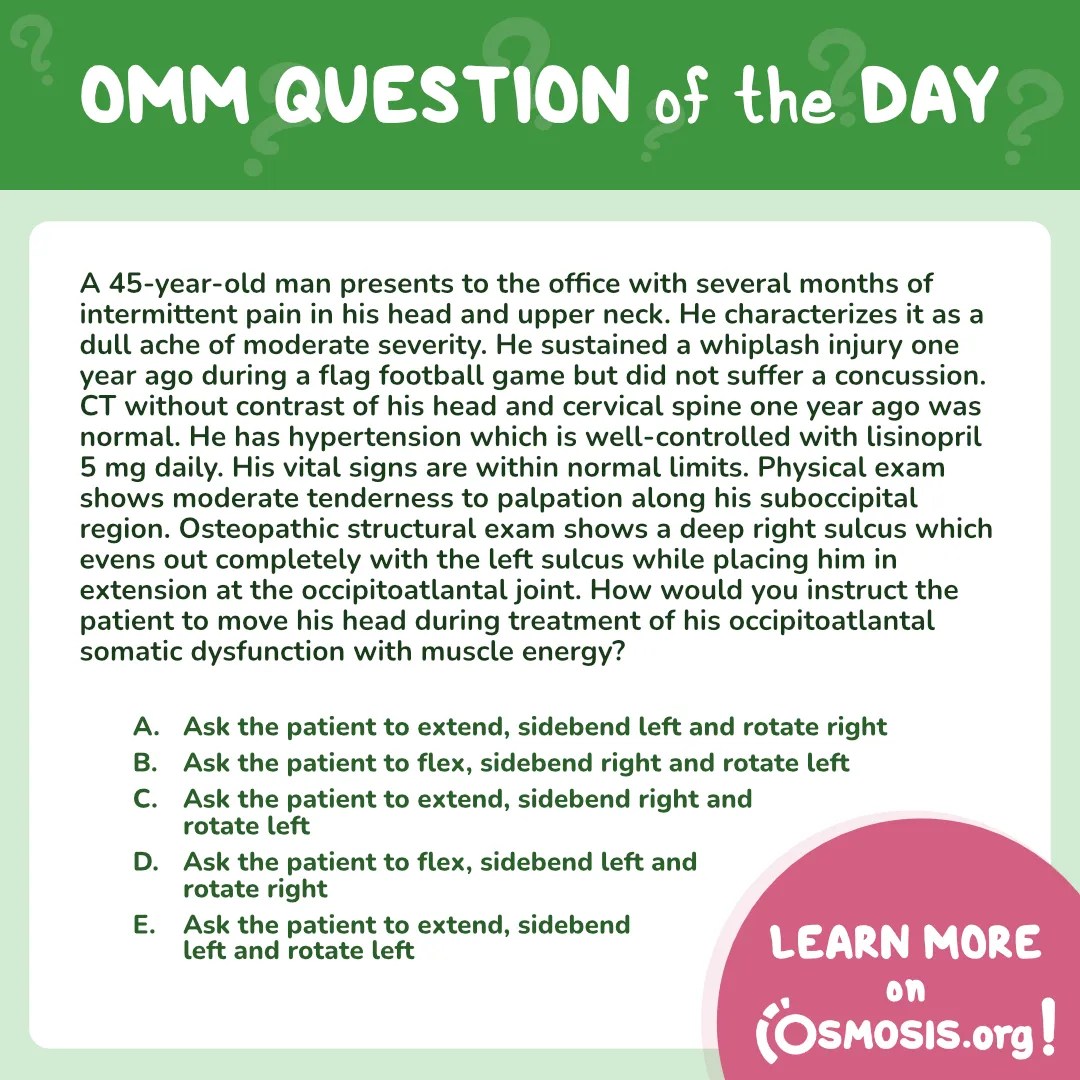
OMM® Question of the Day: Occipitoatlantal joint
— Updated:
Today’s OMM question involves a 45-year-old man with chronic head and neck pain, attributed to a previous whiplash injury and well-controlled hypertension, seeks medical attention. Physical and osteopathic examinations reveal specific somatic dysfunction at the occipitoatlantal joint. To address this, the patient is instructed to move his head in a…
-
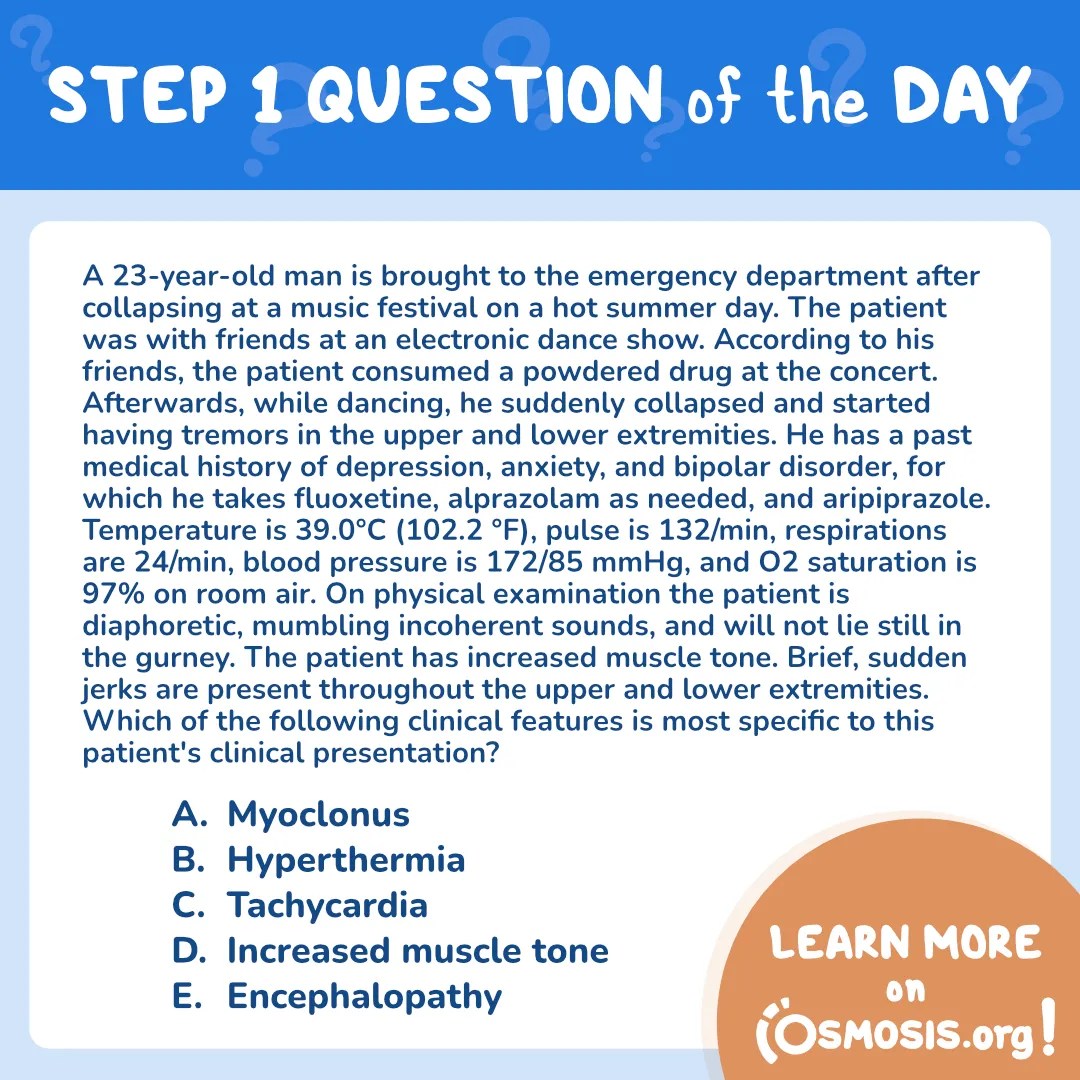
USMLE® Step 1 Question of the Day: Neuroleptic Malignant Syndrome
— Updated:
Explore a USMLE® Step 1 clinical case on serotonin syndrome and discover why myoclonus distinguishes it from similar conditions like neuroleptic malignant syndrome.