
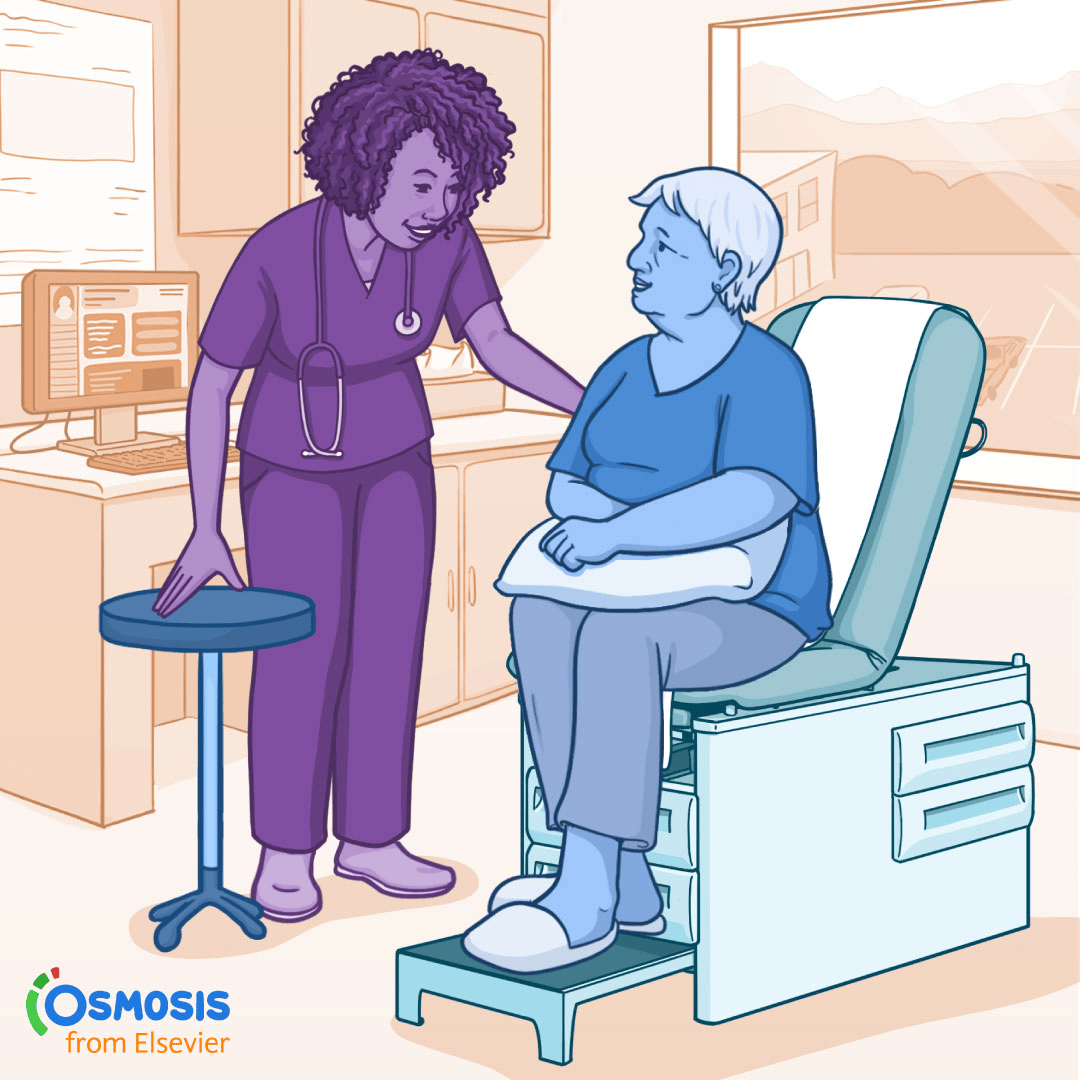
Meet Cassandra. She finished her meeting and rushed across the city to get to a medical appointment she’d waited months for, only to sit in a waiting room for another 45 minutes before being seen by a clinician. On the way to her appointment, she passed one hospital and three clinics, all closed.
The system is overburdened; the system is broken. At every turn, clinics are closing, hospitals are merging, and clinician shortages are evident. Nurse practitioners (NPs) are a critical part of the solution, and they’re ready to work: highly educated and equipped to help close the gap.
The Primary Care Shortage Is Getting Worse, Not Better
Over the next ten years, we’ll continue to see clinician shortages nationally. It’s projected that the US will face a shortage of 13,500–86,000 physicians by 2036, including a shortage of 20,200–40,400 primary care physicians, according to the Association of American Medical Colleges (AAMC, 2024). Notably, the Health Resources and Services Administration (HRSA) projects a shortage of roughly 68,000 primary care physician full-time equivalents by 2036, and an even starker 70,600 by 2038 (HRSA, 2025).
The closed clinics and the shuttered hospital Cassandra passed on her drive are not isolated incidents; they are what this shortage looks like from the driver’s seat. HRSA has designated 8,466 primary care shortage areas, home to roughly 92 million Americans (about 27% of the US population), and 63% of those shortage areas are rural (HRSA, 2025). The agency projects that by 2038, non-metro areas will meet only 61% of their primary care need, compared with 83% in metro areas (HRSA, 2025).
When a clinic closes, patients don’t disappear; they’re added to the caseload of the next already-overburdened practice. The months-long wait for an appointment and 45 minutes in the waiting room are what that gap of tens of thousands of clinicians feels like from the patient’s side of the exam table.
The gap is accelerating faster than we can keep up with. The US population continues to grow; people are living longer, with older adults accessing primary care the most. We also can’t keep up on the supply side: nearly two in five active physicians will reach traditional retirement age within the next decade (American Medical Association [AMA], 2026), and only about 24% of US physicians practice in primary care specialties (Adashi et al., 2025).
Something must change to shift this curve. Access to care is declining rapidly, and the current approach is not working. We need a permanent solution to a not-so-temporary situation. This is where nurse practitioners can help fill the gap, but first we have to reduce the barriers.
What’s Actually Standing in the Way
As nurse practitioners, we bring a nursing perspective to the assessment, diagnosis, and treatment of illness, one that emphasizes health promotion, disease prevention, patient education, and whole-person care (American Association of Nurse Practitioners [AANP], 2025b). That means looking beyond the immediate complaint to understand how a patient’s daily life, goals, and circumstances shape their health and ability to follow a care plan. This approach complements the expertise of physicians and other health professionals; it doesn’t replace care team collaboration.
We’re ready to help carry the load of a strained system. Still, clinical preparation alone doesn’t determine where we can practice, how our services are paid for, or whether a primary care practice can remain viable. Alongside continued attention to education quality and support for clinicians entering practice, we must address four structural barriers: scope-of-practice laws, reimbursement inequity, the gap between primary care preparation and employment, and public perceptions that frame NPs as replacements rather than partners.
Barrier 1: Scope-of-practice laws
The first, and biggest, barrier is scope-of-practice laws. As of March 2026, 27 states, the District of Columbia, and two US territories have adopted full practice authority (AANP, 2026), which is just barely over half the country. The remaining 23 states use reduced or restricted practice models that require a physician collaboration or supervision agreement (AANP, 2026).
In restricted-practice states, this means a legally required (and often paid) relationship with a physician who may be hours away. In New Jersey, those contracts had become a profit center, costing NPs up to $1,000 per month before the law changed (New Jersey State Nurses Association [NJSNA], 2026). In rural areas, the very places where clinic closures, such as the ones Cassandra passed on the road, are most common; there may be nobody available to sign an agreement at all. The communities that most need new access points are the ones where state law makes opening them hardest.
We’re seeing some momentum to rectify/address this. In March 2026, New Jersey enacted a law aimed squarely at the primary care gap: it grants independent practice to experienced advanced practice nurses (APNs) providing primary or behavioral health care (New Jersey Legislature, 2026). And Oklahoma granted independent prescriptive authority in late 2025 (CMF Group, 2026). We’re making strides, but scope-of-practice laws remain our greatest barrier.
Barrier 2: Reimbursement inequity
There’s a significant burden on access to care due to the shortage of providers. However, we also need to acknowledge that insurers place unnecessary challenges on providers while trying to deliver the care patients need. Medicare reimburses NP services at 85% of the physician fee schedule for the same services rendered (Centers for Medicare & Medicaid Services [CMS], 2024). What does that mean in practice? For every $100 a physician practice collects for a visit, an NP-owned clinic collects $85 for delivering the same care.
For a small independent practice running on thin margins, that 15% isn’t a rounding error; it’s a staff position not hired, a second location not opened, or, in the worst case, a clinic door that permanently closes. On top of the rate, NP-owned clinics face significant credentialing and payer-network hurdles, with some insurers slow to recognize NP-owned practices as primary care providers at all. It’s a flawed system that pays us less for the same work and then wonders why access stays tight.
Barrier 3: The primary care pipeline leak
Preparing NPs for primary care is an important step toward expanding access, but preparation doesn’t always translate into employment in that setting. AANP reports that about 87% of the 461,000 licensed NPs were educated in programs focused on primary care, drawing on its 2025 NP count and 2024 Workforce Survey (AANP, 2025b).
The Milbank Memorial Fund, meanwhile, summarizes research estimating that approximately 31–45% of all NPs practice primary care (Milbank Memorial Fund, 2026). These figures come from different sources and don’t track the same group over time, but they highlight a disconnect between preparation and practice. Pay differentials, institutional employment structures, and practice restrictions can make primary care positions less attractive or independent practice less viable.
Consider a newly qualified NP who trained for primary care but receives an offer from a hospital system or specialty practice with a higher salary, structured onboarding, and loan-repayment support. Those benefits may lead them to accept that position rather than apply to a primary care practice that needs their skills. The opportunity is not to question that individual’s decision, but to create conditions that make primary care an equally supported and sustainable career choice.
Barrier 4: Public perception and the “replacement” framing
The last barrier is subtler than a law or a payment rate: it’s public perception and the framing of NPs as the “replacement.” Despite that perception, NPs and physicians aren’t in competition; their work should be seen as complementary and collegial. And according to the AANP, nearly three out of four patients support legislation for greater access to NP services (AANP, 2025a). We’re filling roles that would otherwise go unfilled; NPs can be a significant part of the solution if allowed and supported. With respect given to NPs, we can improve outcomes, reduce hospital burden, and help teams reduce burnout by reaching more people. We’re not looking to take over healthcare, just to be respected partners.
When we look at the four barriers (scope of practice, reimbursement, the pipeline leak, and public perception), these are structural challenges, distinct from the ongoing work of ensuring high-quality education and supporting readiness for practice. The evidence on NP care quality is strong (Traczynski & Udalova, 2018). And the clinicians exist: HRSA projects the supply of NPs to exceed national demand by 2038 (HRSA, 2025). Workforce growth alone won’t ensure access to care; we must also address the barriers to primary care employment and purposefully support clinicians serving the rural communities that need them most.
What Full Practice Authority Unlocks
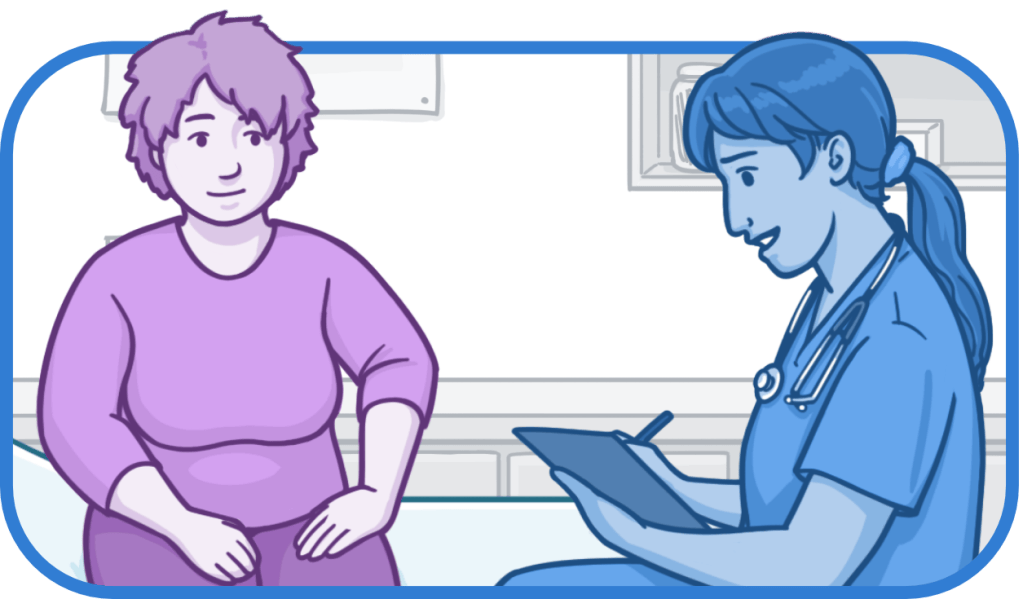
What do we see when states flip to full practice authority (FPA)? What is FPA? Under FPA, NPs evaluate patients, diagnose, order and interpret tests, and prescribe medications, including controlled substances, under the exclusive licensure authority of the state board of nursing, without a mandated physician agreement (AANP, 2026). Studies of states before and after FPA adoption show improved access in rural and underserved areas and no degradation in care quality (Traczynski & Udalova, 2018). A 2026 national difference-in-differences study found that FPA increases NP-provided primary care visits and shifts care away from non-urgent emergency department use, with no decline in physician visits (Fitzpatrick et al., 2026).
Remember the clinics Cassandra drove past? Rural clinic viability is often the difference between a town that keeps its provider and a town that watches its clinic close.
Full practice authority makes it possible for:
- Rural clinics to open and stay open without depending on a distant collaborating physician
- Shorter waits and faster appointments, as more clinicians can practice to the full extent of their education
- Lower-cost entry points into care, from retail and mobile clinics to telehealth
Transition-to-practice nuances do exist among states. There’s a school of thought that FPA advocacy is a rejection of oversight; this is not the case. Many states have paired FPA with an experience requirement before independence (for example, New Jersey’s 5,000 hours and Oklahoma’s 6,240 hours), which has helped maintain rigor (CMF Group, 2026). FPA should never be looked at as a threat. There’s space for all of us: medical doctors (MDs), doctors of osteopathic medicine (DOs), physician assistants/associates (PAs), and nurse practitioners (NPs). FPA doesn’t just help us as NPs; it’s an opportunity to structure where and how care can physically exist.
Beyond Access: Where NPs Are Innovating
Nurse practitioners aren’t here to backfill the physician gap; we’re building new care models. Consider how an NP-led direct primary care practice actually works: patients pay a flat monthly membership, and, in return, get same- or next-day appointments, unhurried visits, and direct access to their NP by message or phone, the kind of relationship-based care that Cassandra’s months-long wait made impossible.
Freed from insurance billing and its overhead, these low-overhead, membership-style practices can survive and even thrive in the small communities where a traditional practice cannot. Telehealth-first practices are another path: NPs moved quickly into virtual care, and virtual visits remain one of the fastest, least expensive ways to reach patients in shortage areas, whether that’s a rural county an hour from the nearest clinic or a city neighborhood booked out for months. Beyond these, we’re extending care through retail and community-based clinics integrated into pharmacies and stores, population-health and preventive programs built on the nursing model’s whole-person, education-forward orientation, and integrated primary care–mental health practices that extend capacity in both.
NP innovation extends to education itself. Accelerated Bachelor of Science in Nursing (BSN) to Doctor of Nursing Practice (DNP) pathways, simulation, and residency-style fellowships are scaling the pipeline. While not everyone can participate in a residency, opportunities for continued learning exist through mentorship programs, both formal and informal, as well as bootcamps that pair new NPs with experienced preceptors and help them build confidence in procedural skills and practice management before they open their own doors.
The role of the NP isn’t a smaller version of physician practice. It’s a distinct model, and now is the time for us to fully embrace its growth and adapt to the changes needed.
Addressing One Barrier at a Time
Let’s be clear about the problem we’re solving: the US is on track to be short tens of thousands of primary care providers by 2036, with clinics closing in the communities that can least afford it and patients like Cassandra waiting months for an appointment. The shortage is real, evident, and rapidly worsening. The barriers described above are structural and regulatory; addressing them must go hand in hand with strong clinical preparation and support for new clinicians entering practice.
Through the work of FPA, NPs can be the face of, and a catalyst for, change in the structure of the primary care model. As NPs, it’s important that each of us step up as change agents. As nurses, we’re called to advocate and be our patients’ voice. Let’s take that foundation and advocate as nurse practitioners to reduce barriers. We need to face this moment and address it one barrier at a time: each state law changed, each reimbursement policy reformed, each pipeline program launched is one more barrier down.
We call on patients like Cassandra, who had to rush out of work for a long-awaited appointment only to hurry up and wait, to know and understand your state’s practice environment and support legislation granting FPA to NPs.
To those who aspire to be NPs: the profession is growing, and it’s so rewarding to care for patients the way we do. The profession ranked number one in America for the third consecutive year in the 2026 U.S. News & World Report Best Jobs rankings (U.S. News & World Report, 2026). Primary care is where the need is greatest.
As educators and policymakers, I challenge you to invest in NP education capacity and pipeline-to-primary-care programs. The primary care gap won’t close itself. Fortunately, hundreds of thousands of NPs are trained in primary care; if we can just make it possible for them to practice it.
Key Takeaways
- The United States faces significant projected primary care workforce shortages, with rural and underserved communities experiencing particularly acute access challenges.
- Scope-of-practice restrictions, reimbursement differences, workforce pipeline challenges, and public perceptions can limit how nurse practitioners contribute to primary care delivery.
- Full practice authority allows qualified nurse practitioners to provide care without mandated physician supervision agreements, with research examining its effects on healthcare access, utilization, and quality.
- NP-led care models, including direct primary care, telehealth, community-based clinics, and integrated behavioral health services, offer additional approaches to expanding healthcare access.
- Addressing primary care shortages requires coordinated efforts involving workforce development, clinical education, regulatory frameworks, reimbursement policies, and collaboration among healthcare professionals.
Reviewers
- Maria Pfrommer, DNP, Ph.D., FNP-BC, RN, Director of Content
- Mary Roberts MSN, RN, Content Manager
- Lisa Miklush, PhD, RNC, CNS, Senior Content Editor
References
- Adashi, E. Y., O’Mahony, D. P., & Gruppuso, P. A. (2025). The national physician shortage: Disconcerting HRSA and AAMC reports. Journal of General Internal Medicine, 40(14), 3469–3472. https://link.springer.com/article/10.1007/s11606-025-09575-7
- American Association of Nurse Practitioners (AANP). (2025a). National Nurse Practitioner Week: Facts about NPs. https://npweek.aanp.org/facts-about-nps
- American Association of Nurse Practitioners (AANP). (2025b). Nurse practitioners in primary care [Position statement]. https://www.aanp.org/advocacy/advocacy-resource/position-statements/nurse-practitioners-in-primary-care
- American Association of Nurse Practitioners (AANP). (2026). State practice environment. https://www.aanp.org/advocacy/state/state-practice-environment
- American Medical Association (AMA). (2026). Issue brief: The physician shortage. https://www.ama-assn.org/system/files/2026-aia-issue-brief-physician-shortage.pdf
- Association of American Medical Colleges (AAMC). (2024). The complexities of physician supply and demand: Projections from 2021 to 2036. https://www.aamc.org/media/75236/download
- Centers for Medicare & Medicaid Services (CMS). (2024). 42 C.F.R. § 414.56: Payment for nurse practitioners’ and clinical nurse specialists’ services. https://www.ecfr.gov/current/title-42/chapter-IV/subchapter-B/part-414/subpart-B/section-414.56
- CMF Group. (2026). NP full practice authority: 2026 legislation roundup. https://www.cmfgroup.com/blog/nurse-practitioners/np-full-practice-authority-2026-legislation-roundup/
- Fitzpatrick, J. J., Duffy, E. G., Mehlman, M., Votruba, M., Gerlick, J. A., Dower, C. M., Davis, S., Plemmons, A., & Norful, A. A. (2026). Variations in nurse practitioner full practice authority in the United States: Difference in difference analysis of access and health performance at a national level. Health Policy Open, 10, 100167. https://doi.org/10.1016/j.hpopen.2026.100167
- Health Resources and Services Administration (HRSA). (2025). State of the primary care workforce. https://bhw.hrsa.gov/sites/default/files/bureau-health-workforce/data-research/State-of-the-Primary-Care-Workforce-2025.pdf
- Milbank Memorial Fund. (2026). Rapid growth, uncertain impact: Nurse practitioners and the future of primary care access. https://www.milbank.org/publications/rapid-growth-uncertain-impact-nurse-practitioners-and-the-future-of-primary-care-access/
- New Jersey Legislature. (2026). P.L. 2026, c. 6: Advanced practice nurses, independent practice. https://pub.njleg.gov/bills/2026/PL26/6_.HTM
- New Jersey State Nurses Association (NJSNA). (2026). Empowering advanced practice. https://www.myamericannurse.com/wp-content/uploads/2026/09/Empowering-Advanced-Practice.pdf
- Traczynski, J., & Udalova, V. (2018). Nurse practitioner independence, health care utilization, and health outcomes. Journal of Health Economics, 58, 90–109. https://doi.org/10.1016/j.jhealeco.2018.01.001
- U.S. News & World Report. (2026). The best jobs in America in 2026. https://careers.usnews.com/best-jobs/articles/the-best-jobs-in-america

Get your Osmosis from Elsevier free trial today to discover why millions of clinicians and caregivers love learning by Osmosis!
Leave a Reply