
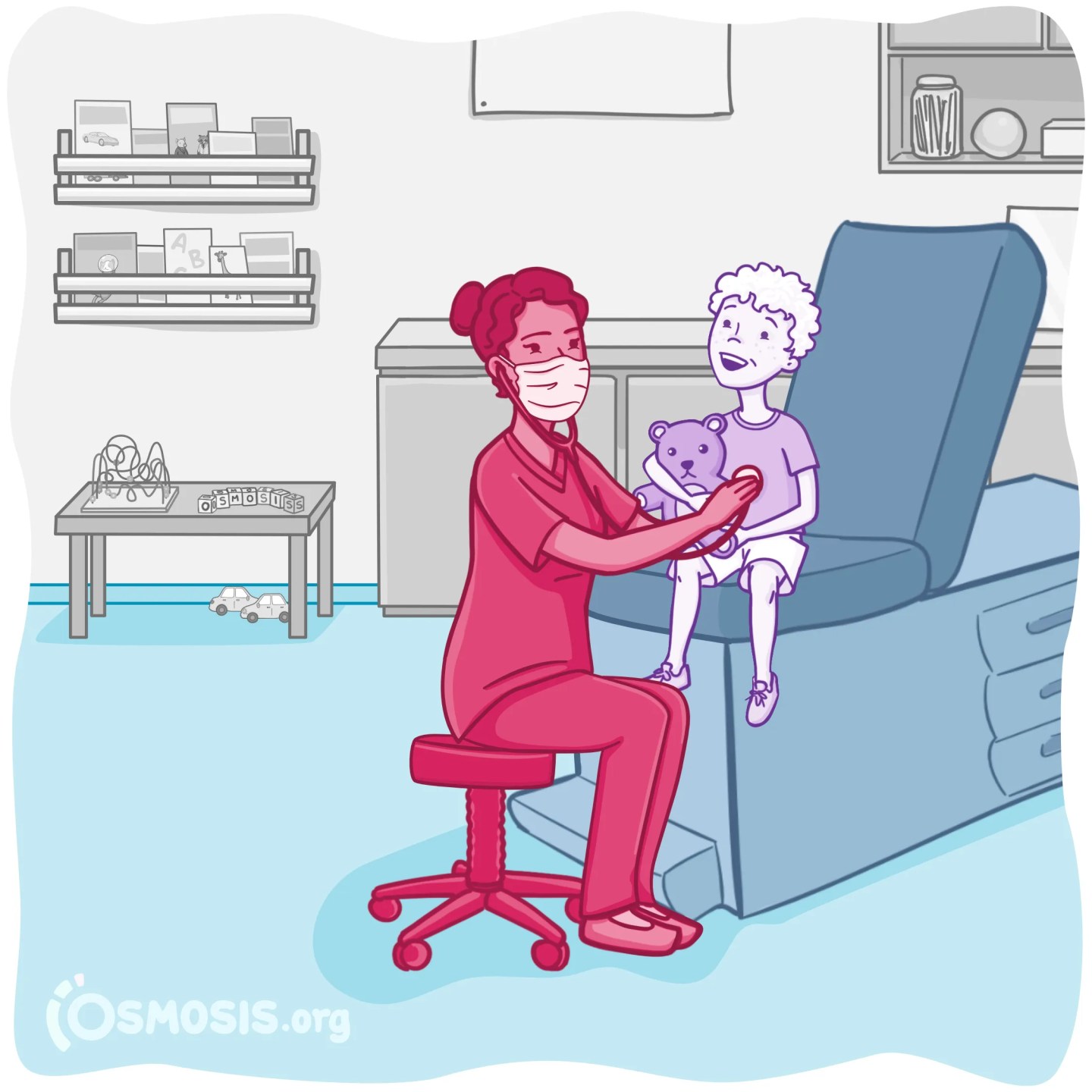
In today’s guest post, learn about the ins-and-outs of pediatric nursing, one of the most popular and rewarding career tracks in nursing.
There are a large number of career options available in health care, and nursing is the most common profession in the industry with a variety of opportunities to choose from, including working as a registered nurse (RN), licensed practical nurse (LPN), nurse practitioner (NP), and so on. Pediatric nursing is a highly rewarding career that provides specialized care to infants and children.
If you’re interested in working in healthcare and with children, then pediatric nursing is your best choice. It’s also important to note that you should have a naturally nurturing and caring personality to deal with every child. So, what exactly do you need to know to become a pediatric nurse?
Educational Requirements to Become a Pediatric Nurse
To become a pediatric nurse, make sure to get the right certifications! To become an authoritative voice in your field, you need to earn your certification as a registered nurse. Based on your interest and future job opportunity options, Laboure College helps identify the differences between an RN vs BSN certification course.
Your first step is getting a Bachelor’s degree from an accredited college or university. Once you graduate, you’ll need to take and pass the NCLEX®-RN to begin practicing as a pediatric nurse. With good exam preparation, you can pass the NCLEX on the very first attempt. Volunteering at a school or child care facility will also help you to better adapt to children’s behavior and help you learn how to identify early symptoms of illness.
Looking for more NCLEX Resources? We’ve got you covered! ->
After receiving your nursing license you can start practicing as a registered nurse. In-house training will help you to study the behavioral patterns of children and their parents. You may need additional training if you’re working with children who need special care or medical attention. To become a licensed pediatric nurse you will need to receive a Master’s degree in nursing.

What are the four pathways of pediatric nursing?
As an individual, if you wish to be a part of a specific type of pediatric nursing, you will need additional practical training in the sector. Here are four main pediatric nursing career ways:
1. Pediatric Registered Nurse
In a pediatric registered nurse or direct nursing path, you have to work with children in hospitals and a doctor’s clinic, providing routine checkups for children of all ages, and administering and ensuring that they’re receiving all the care that’s required as per their nursing care plan. The basic duties of a pediatric registered nurse include giving developmental screenings and immunizations, working with parents and families to cope with the stress of a child’s illness, being present to communicate with the parents when needed, observing vital signs and changes and so on.
2. Developmental Disability Nurse
Developmental disability nurses provide special care for children who require specific care for a range of mental and developmental disabilities affecting the children’s performance and basic life and learning skills. Developmental disability nurses work with children who are on the Autism spectrum, Rett syndrome, and Down syndrome. Duties include assisting and educating patients and their caregivers with feeding and bodily functions, educating family members about their disabilities and medical equipment, helping the children achieve levels of independence, assistance in improving their learning and communication skills, and so on.
3. Neonatal Nurse
Neonatal nurses provide proper care and support for children born prematurely, and infants who need special healthcare support and functionalities for conditions such as infections, heart conditions, and other birth defects. Additional duties include monitoring and providing support for infants in the Neonatal Intensive Care Unit (NICU), educating parents about their child’s health, ensuring all the medical equipment and treatments are working effectively, and so on.
4. Palliative Pediatric Nurse
Palliative pediatric nurses provide specialized care for terminally ill children to help alleviate their suffering and ensure they receive the best care. They’re well trained in how to discuss the effects of critical conditions and/or the death of a child so that they can effectively convey the bad news and support to the family. Other duties include providing critical information for the family to make proper decisions, ensuring clear communication between physicians, parents, and nurses, and so on.
What are the basic rules of pediatric nursing?
1. Maintain a professional distance between yourself and your patients and their family.
This should apply to all professionals in health care. Children are often adorable, and if you love kids it’s possible that you’ll become attached to your patients. However, not maintaining emotional distance can make it much more difficult for you when their condition is critical or they’re facing death.
2. Learn how to calm anxious parents.
Calming anxious parents or informing them about the bad news may be your biggest challenge as a pediatric nurse. Prepare yourself and take sufficient training on how to better communicate with the child’s family.
3. Bring positive vibes to work every day.
Young children can read your energy. Giving them hope and positive energy is therapeutic for the both of you and will likely reassure your patients.

4. Maintain good communication with your little patients.
Your patients may be sad, anxious, fearful or in a stage of panic. Reassure and calm them while educating their family members about their child’s condition and the possible outcomes. (Read more about communicating sensitive topics.)
5. Look out for abusive parents.
As a nurse, you’ll have to deal with various kinds of patients and their parents. Diagnosis of child abuse is a difficult one as the children might be too young to speak out or too afraid of their parents. Share your concerns with the care team so they can determine next steps.
6. Learn how to take care of yourself.
As a nurse, it’s common that you’ll have a busy shift and end up working around the clock to care for your patients. It’s also important to maintain your overall health and wellness in order to avoid compassion fatigue and nursing burnout.
Key Takeaways
- Pediatric nursing offers diverse career paths including neonatal and palliative care.
- Education ranges from RN certification to advanced degrees for specialization.
- Effective communication and emotional balance are vital in pediatric care.
- Awareness of child abuse signs is crucial for patient safety.
- Self-care is essential to prevent burnout and maintain well-being.
About the Author
Linda Ramirez is a freelance writer specializing in the health and education sector. She graduated from the University of Ohio and currently resides in Maryland. In addition to health and education, she also takes an interest in SEO strategies.

Try Osmosis today! Access your free trial and find out why millions of clinicians and caregivers love learning with us.
Leave a Reply