Alloimmunization · What Is It, Causes, Treatment, and More

Published: Jul 30, 2025
Author: Corinne Tarantino, MPH
Editor: Ahaana Singh
Editor: Ian Mannarino, MD, MBA
Editor: Anna Hernández, MD
Editor: Kelsey LaFayette, DNP, ARNP, FNP-C
Illustrator: Jillian Dunbar
Copyeditor: Joy Mapes
7-day free trial

Go deeper with Osmosis

Osmosis is a learning platform with videos, questions, and AI tools to help you master topics like this.

4.8 · 12,000+ reviews
Watch quick, visual videos
Practice with Qbank-style questions
Use AI to explain, quiz, and review
Study anytime with the mobile app
Start free trial

No credit card · Cancel anytime

What is alloimmunization?

Alloimmunization is a condition where the body’s immune system produces antibodies against antigens from another individual. The body can come in contact with foreign antigens through several mechanisms, such as during pregnancy, with blood transfusions, or in cases of organ transplantations.  

Alloimmunization begins when an antigen, which is a protein or other molecule on the surface of a cell, is recognized as foreign by the immune system. When these antigens are detected, white blood cells produce antibodies, which signal the immune system to destroy the foreign cell containing the antigen. Usually, this process protects the body against harmful pathogens, like viruses or bacteria-a process simply called immunization. However, when it occurs in response to another human’s antigens (i.e., alloimmunization) it may result in serious complications 

The most common alloimmunization reactions are those affecting red blood cells (RBCs). Individuals have various blood types that are classified based on the antigens present on red blood cells. These blood types are classified in accordance with the ABO and Rhesus (Rh) systems. The four blood groups in the ABO system are A, B, AB, and O, which indicate the presence or absence of the A and B antigens on the RBCs. Meanwhile, the Rh system includes approximately 50 antigens on the membrane of RBCs. The D antigen is the most frequently tested antigen of the Rh system. Therefore, Rh negative (Rh-) usually refers to RBCs lacking the D antigen, whereas Rh positive (Rh+) refers to those having the D antigen. A blood type may take both ABO and Rh systems into account. For example, AB+ would indicate the presence of A, B and D antigens on a person’s RBCs. 

 Antibodies to A and B antigens are often produced naturally in the plasma of adults who lack the specific antigen on their own RBCs. This occurs because humans are often exposed to bacterial antigens that are similar to those of red blood cells. In contrast, Rh antigen exposure generally occurs only during pregnancy or blood transfusions, which can then lead to alloimmunization. 
Learn deeper with Osmosis

Master this topic faster with videos, questions, and AI.

Used by 8M+ healthcare learners.

Start free trial

No credit card · Cancel anytime

Is there a difference between alloimmunization and isoimmunization?

No, there is no difference between alloimmunization and isoimmunization. The terms are often used interchangeably when referring to alloimmunization during pregnancy, particularly regarding the Rh factor. 

What is alloimmunization in pregnancy?

Alloimmunization may occur in pregnancy when the pregnant individual and their fetus have different blood types. There are two main types of alloimmunization in pregnancy, ABO incompatibility and Rh incompatibility.  

ABO incompatibility occurs when the mother lacks the A or B antigen on their RBCs and fetal blood cells have that specific antigen. This occurs when the fetus inherits their blood type from the father. This is unlikely to cause major problems for the baby or mother because the mother produces IgM antibodies which cannot cross the placenta, the organ which provides nutrients to the fetus and separates the fetal and maternal blood. Therefore, the IgM antibodies will protect the mother without harming the baby.  

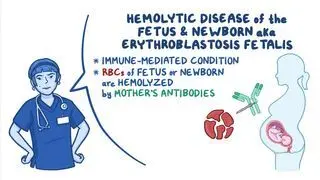
 Rh incompatibility, on the other hand, occurs when the mother is Rh- and has an Rh+ fetus. When an Rh- mother is exposed to an Rh+ baby during delivery, the mother’s immune system develops IgG antibodies. During a second pregnancy with an Rh+ fetus, the existing IgG antibodies in the mother can cross the placenta and attack the fetuses' RBCs, causing them to burst in a phenomenon known as hemolysis 

If untreated, Rh incompatibility may result in a hemolytic disease of the fetus and newborn (HDFN). The effect of hemolysis on the fetus varies based on the proportion of antibodies in the mother’s blood. When there are only a few antibodies in the mother, the baby may develop mild anemia that may last for 2-3 months after birth. In severe cases, however, hemolysis may result in a life-threatening condition called hydrops fetalis that causes severe swelling in the fetus. After birth, it may result in severe anemia or jaundice. Symptoms of severe anemia in infants can include pale skin, low energy levels, or congestive heart failure. If a first pregnancy is affected by alloimmunization, future pregnancies have an increased likelihood of developing more severe disease earlier in the pregnancy. 

What is alloimmunization in blood transfusion?

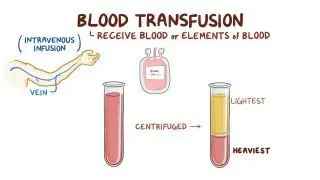
The process for alloimmunization in blood transfusions is similar to what happens during pregnancy. The more blood transfusions received, the greater the risk for alloimmunization reactions to occur, so individuals who require frequent transfusions (e.g., sickle cells anemia, thalassemia) are at a higher risk.  

 Alloimmunization in blood transfusions may result in an acute, or immediate, or delayed hemolytic transfusion reaction that presents with several symptoms, including fever, chills, backaches or headaches, shortness of breath, and increased heart rate. Transfusion reactions can cause significant clinical problems, such as development of blood clots in different parts of the body (i.e., disseminated intravascular coagulation) and acute kidney failure. The most severe reactions result from ABO incompatibility, but Rh incompatibility is more common.  

Some individuals, particularly those who require repeated platelet transfusions, may develop antibodies against the donor platelets, leading to refractoriness, where transfused platelets are rapidly destroyed and fail to increase the platelet count. 

How is alloimmunization diagnosed?

The first step for diagnosis of alloimmunization is obtaining a medical history and any signs or symptoms. Then, there are several diagnostic tests for suspected alloimmunization depending on the individual’s condition.   

During pregnancy, blood tests are performed to determine the mother’s Rh status and a maternal antibody screening may be conducted to determine whether they have developed antibodies to the fetus’ antigens. When alloimmunization is suspected, serial ultrasounds and Doppler studies may help to diagnose associated conditions, such as fetal anemia or hydrops fetalis. After birth, newborns of mothers with confirmed alloimmunization will be assessed for signs and symptoms of anemia. If newborns present with symptoms or have a mother with a different blood type, screenings may be conducted to accurately diagnose which antibodies are present. 

Individuals who receive a blood transfusion will be monitored for an acute hemolytic transfusion reaction, which presents with fever and chills. If they demonstrate signs and symptoms of a reaction to the transfusion, an antibody screening may be conducted to diagnose alloimmunization. 

How is alloimmunization treated?

Treatment for alloimmunization will vary depending on the cause and severity of the reaction. For example, fetal anemia may require close monitoring as well as intrauterine transfusions, where red blood cells compatible with the mother's antibodies are transfused directly into the fetus via the umbilical vein. If fetal anemia or hydrops fetalis worsens despite treatment, early delivery may be necessary, often followed by exchange transfusions in the newborn. This involves removing small amounts of blood from the newborn baby and replacing it with donor blood.  

When alloimmunization occurs during a blood transfusion, the transfusion should be stopped immediately, and a blood sample should be drawn to test for a new blood donor match. Treatment focuses on stabilizing the individual and providing supportive care they might need such as intravenous fluids, supplemental oxygen, and vasopressors for hypotension 

How can you prevent alloimmunization?

For pregnant individuals who are Rh negative, formation of anti-Rh antibodies can be prevented by giving them anti-D immune globulin (RhoGAM) at 28 weeks' gestation and within 72 hours after delivery, as well as after any event with potential fetal-maternal blood mixing (e.g., amniocentesis, miscarriage, trauma).  

To prevent alloimmunization during a transfusion, several screening tests should be performed. The initial screening will check for the individual’s blood type and presence of antibodies. If the antibody screen is positive, further testing may be conducted to determine the exact antibodies in the individual’s blood. Then, the individual will be matched to a donor’s blood that is the same blood type and does not contain the specific antigens the recipient has antibodies against. This screening process minimizes the risk of alloimmunization during blood transfusions. 

What is fetomaternal alloimmune thrombocytopenia and how is it related to alloimmunization?

Fetomaternal alloimmune thrombocytopenia (FMAIT) is a rare condition that occurs when the mother’s immune system attacks the fetus’s platelets, the small cell fragments used for blood clotting. The cause of FMAIT is similar to alloimmunization of RBCs. If the fetal platelets have different antigens from the mother, then the mother’s immune system will make antibodies against those antigens, causing fetal platelet destruction.  

Due to the reduction in platelets, known as thrombocytopenia, the fetus will have an increased risk of bleeding. As the pregnancy progresses, thrombocytopenia generally worsens, with the condition becoming more severe with each subsequent fetus. A fetus with thrombocytopenia may experience severe bleeding in the brain (i.e., intracranial hemorrhage) after 20 weeks. A newborn with thrombocytopenia may demonstrate some signs of bleeding, such as small red dots on the skin called petechiae. After about 4 weeks, the platelet count for the infant should return to a normal range, and the bleeding symptoms should resolve. 

What are the most important facts to know about alloimmunization?

Alloimmunization occurs when the immune system produces antibodies against another person’s antigens, commonly during pregnancy or blood transfusions. In pregnancy, it often involves Rh or other red cell antigens inherited by the fetus from the father, leading to hemolytic disease of the fetus and newborn (HDFN), which can cause anemia, hydrops fetalis, or stillbirth. Screening for maternal antibodies and monitoring fetal health via ultrasound or Doppler studies are conducted for diagnosis. Treatment includes Rh immunoglobulin (RhoGAM) to prevent sensitization in Rh-negative mothers, intrauterine transfusions for fetal anemia, and early delivery if necessary. In blood transfusions, alloimmunization results from mismatched blood products, causing hemolytic reactions or platelet refractoriness. Prevention focuses on matching blood types between donors and recipients and immediate treatment involves stopping the transfusion and providing supportive care 

Key Takeaways

Definition 

A condition where the body’s immune system produces antibodies against antigens from another individual.  

Causes 

- Pregnancy 

- ABO incompatibility 

- Rh incompatibility → HDFN 

- Blood transfusion → Hemolytic transfusion reaction 

Diagnosis 

- Medical history and physical examination 

- Pregnancy 

- Ultrasound and Doppler  

- Anemia assessment at birth  

- Blood transfusion 

- Monitoring for fever and chills   

Treatment 
 

- Pregnancy 

- Intrauterine transfusion  

- Early delivery 

- Transfusions in the newborn  

- Blood transfusion 

- Stop transfusion  

- Stabilization and supportive care  

Prevention

- Pregnancy → Rh status and maternal antibody screening 

- Rh-negative → anti-D immune globulin 

- Blood transfusion → blood typing, antibody screening 

Students say Osmosis is 100% worth it

Because Osmosis saves them time. Lowers stress. And actually helps them remember when it counts.

I used Osmosis to prepare for my first medical school licensing exam! Super helpful and interactive for people who may not do great with just pages of text info!

Cecilia Ruiz

Cecilia Ruiz

MD student

Sayan Misra

I have used Osmosis for about four years. Best thing I have ever used for my medical studies.

Sayan Misra

Sayan Misra

Med student

Osmosis videos are superior because they define simple concepts, tell a story with a clear progression, and provide context.

Jay Pate

Jay Pate

Dental student

References


Giouleka S, Tsakiridis I, Zachomitros F, et al. Fetal and neonatal alloimmune thrombocytopenia: A rare case report of prenatal treatment. Clin Case Rep. 2023;11(8):e7806. Published 2023 Aug 21. doi:10.1002/ccr3.7806  


Maitta RW. Clinical Principles of Transfusion Medicine. Elsevier; 2018. 


Myle AK, Al-Khattabi GH. Hemolytic disease of the newborn: A review of current trends and prospects. Pediatric Health Med Ther. 2021;12:491-498. doi:10.2147/PHMT.S327032  


Panch SR, Montemayor-Garcia C, Klein HG. Hemolytic transfusion reactions. N Engl J Med. 2019;381(2):150-162. doi:10.1056/NEJMra1802338 


Regan F, Lees CC, Jones B, et al. Prenatal management of pregnancies at risk of fetal neonatal alloimmune thrombocytopenia (FNAIT): Scientific impact paper no. 61: Scientific impact paper no. 61. BJOG. 2019;126(10):e173-e185. doi:10.1111/1471-0528.15642 


Zdravic D, Yougbare I, Vadasz B, et al. Fetal and neonatal alloimmune thrombocytopenia. Semin Fetal Neonatal Med. 2016;21(1):19-27. doi:10.1016/j.siny.2015.12.004