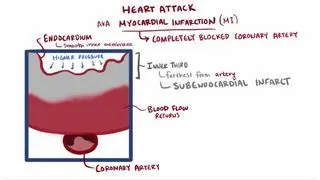
Heart failure is a clinical syndrome used to describe the inability of the heart to pump enough blood to meet the body’s demands. It affects millions of people around the world and is a leading cause of morbidity and mortality worldwide. There are a wide variety of conditions that can ultimately contribute to heart dysfunction, including coronary artery disease, hypertension, valvular heart disease, and many others—like alcohol and substance use, obesity, and diabetes mellitus.
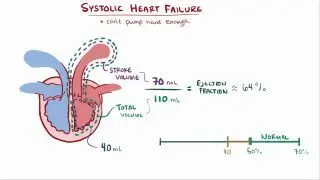
Heart failure can be due to either a failure of the heart to contract effectively, called systolic dysfunction, or failure to relax and fill properly, called diastolic dysfunction. Systolic dysfunction is commonly associated with a reduced left ventricular ejection fraction (EF), meaning the left ventricle is squeezing out less blood than it should with each heartbeat. This is why systolic heart failure is also known as heart failure with reduced ejection fraction (HF-rEF). With diastolic dysfunction, the heart muscle is squeezing hard enough but not filling properly, so despite a normal or preserved EF (>50%), the cardiac output is still inadequate. In both cases, blood can back up into the lungs and other body tissues, causing congestion or fluid build-up, which is why it is also known as congestive heart failure.
Common symptoms of heart failure include fatigue, exercise intolerance, shortness of breath upon exertion, peripheral edema, and weight gain due to fluid retention. In most cases, heart failure follows a chronic clinical course where individuals remain stable for certain periods and then worsen rapidly due to an acute exacerbation of the symptoms. Even after stabilization, each exacerbation leads to a slight functional decline, leaving individuals with poorer exercise tolerance and worsening symptoms over time.