
Category: Exam Prep
-

USMLE® Step 1 Question of the Day: Class I antiarrhythmics
— Updated:
A patient with arrhythmia after myocardial infarction receives a medication that alters phase 0 depolarization. Explore how this drug modulates cardiac electrical activity.
-
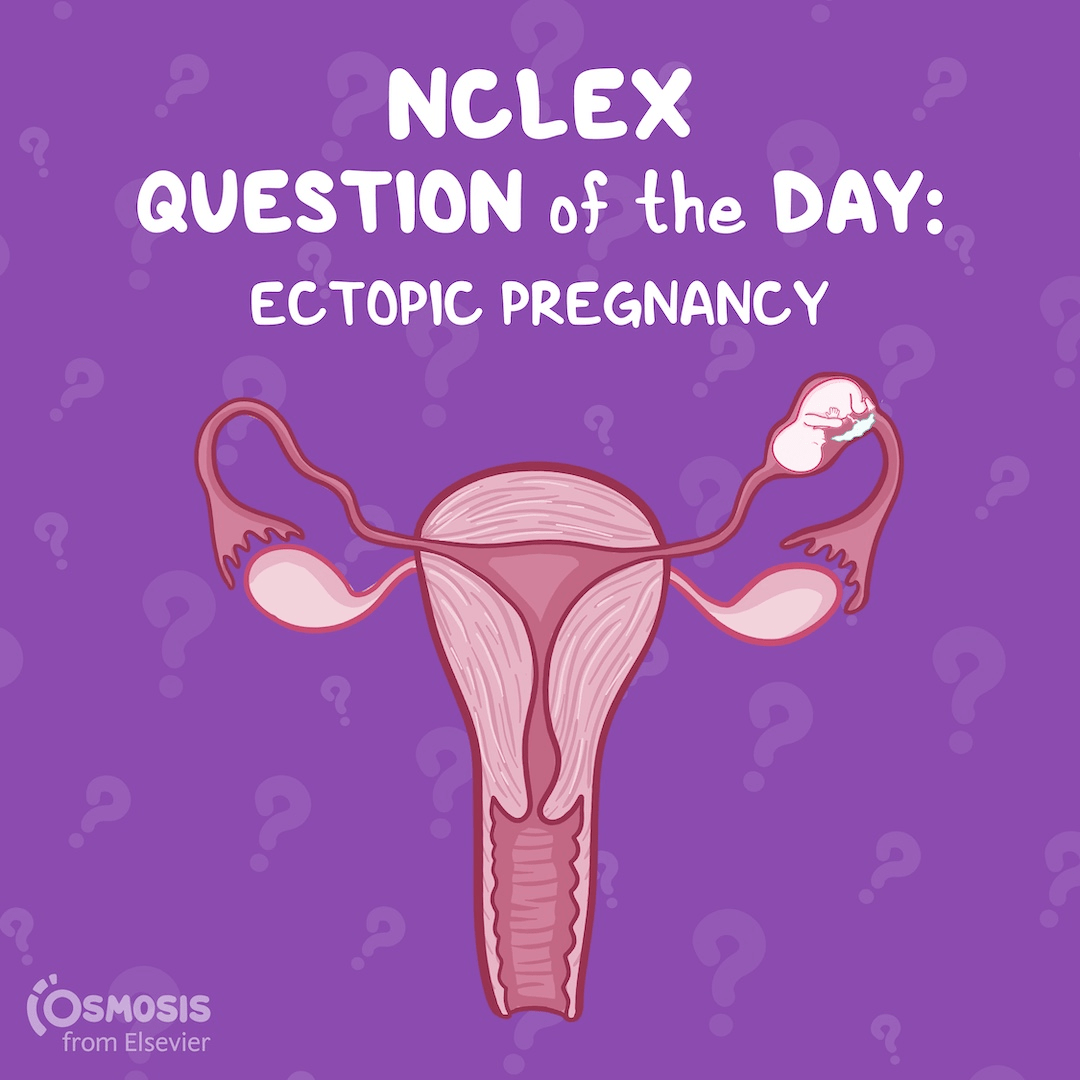
NCLEX-RN® Question of the Day: Ectopic pregnancy
— Updated:
When ectopic pregnancy is suspected, confirming pregnancy with the right test is crucial. Discover how beta human chorionic gonadotropin (β-hCG) assists in diagnosis and management.
-

NCLEX-RN® Question of the Day: Second-Degree Heart Block
— Updated:
Learn how certain medications can lead to second-degree heart block, particularly in patients with kidney impairment.
-
USMLE® Step 2 CK Question of the Day: Erratic movements
— Updated:
A patient presents with psychosis and unusual movements. Discover how family history and other factors may increase risk for certain hereditary neurological disorders.
-

NCLEX® LPN Question of the Day: Hyporeflexia
— Updated:
Explore how abnormal calcium levels can affect neuromuscular function. Learn which calcium values might cause hyporeflexia and muscle weakness in patients.
-
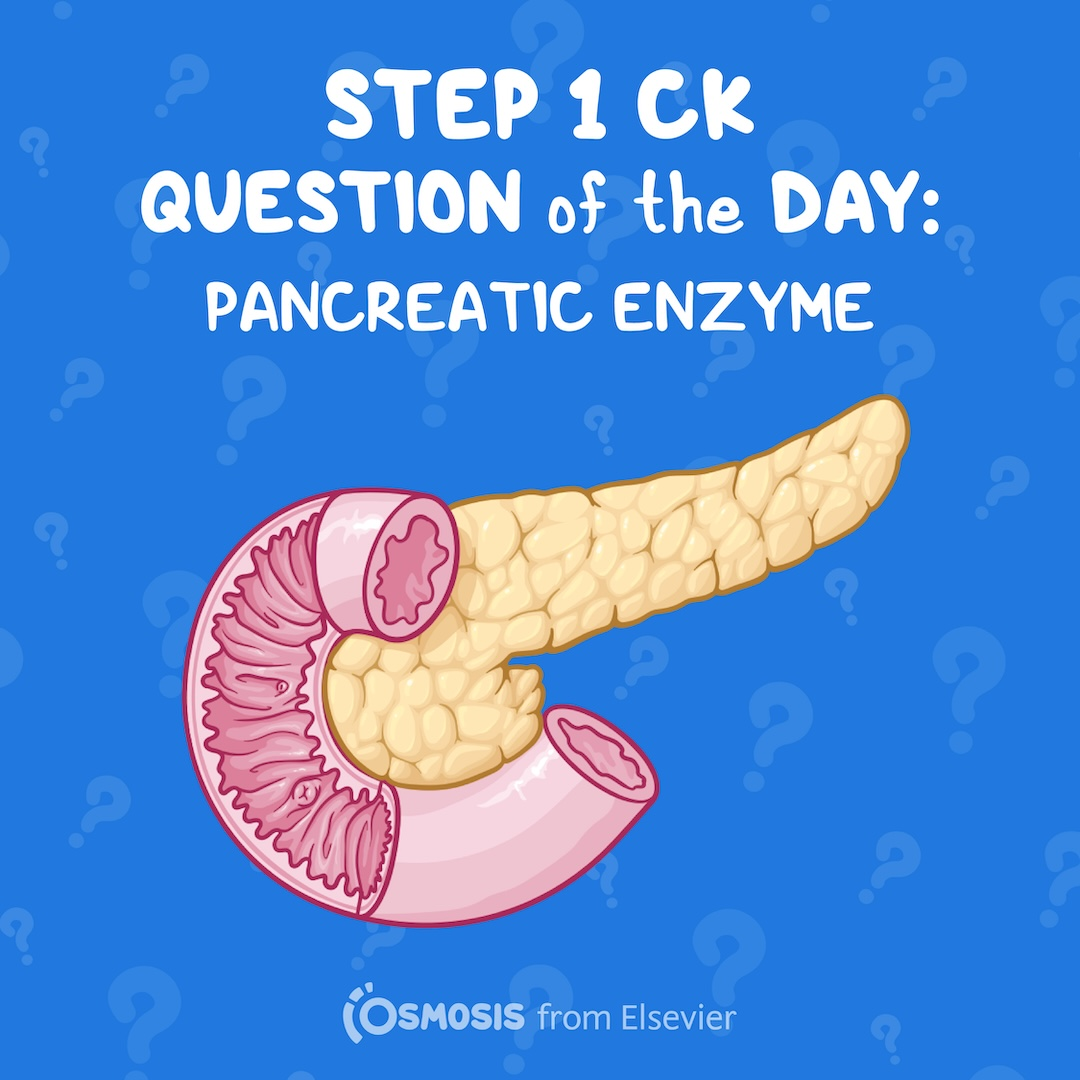
USMLE® Step 1 Question of the Day: Pancreatic enzyme
— Updated:
MODY type 2 arises from a defect in a pancreatic enzyme crucial for glucose sensing. Discover the distinctive characteristics that set this enzyme apart in glucose metabolism.
-

NCLEX-RN® Question of the Day: Gas exchange
— Updated:
Explore how gas exchange occurs in the lungs. Understand the movement of oxygen into the blood and carbon dioxide out during breathing for effective respiratory care.
-
USMLE® Step 2 CK Question of the Day: Constant headache
— Updated:
A patient with advanced HIV shows symptoms of meningitis. Learn how CSF analysis and specific staining techniques guide diagnosis among infectious causes.
-
NCLEX-RN® Question of the Day: FHR tracing
— Updated:
Which fetal heart rate category should a nurse report during active labor based on assessment findings? Understand FHR categories for clinical decision-making.
-
USMLE® Step 1 Question of the Day: Axillary nerve injury
— Updated:
A 66-year-old man presents with shoulder pain after a fall. Identify which shoulder movements may be limited due to nerve injury in this clinical scenario.
-
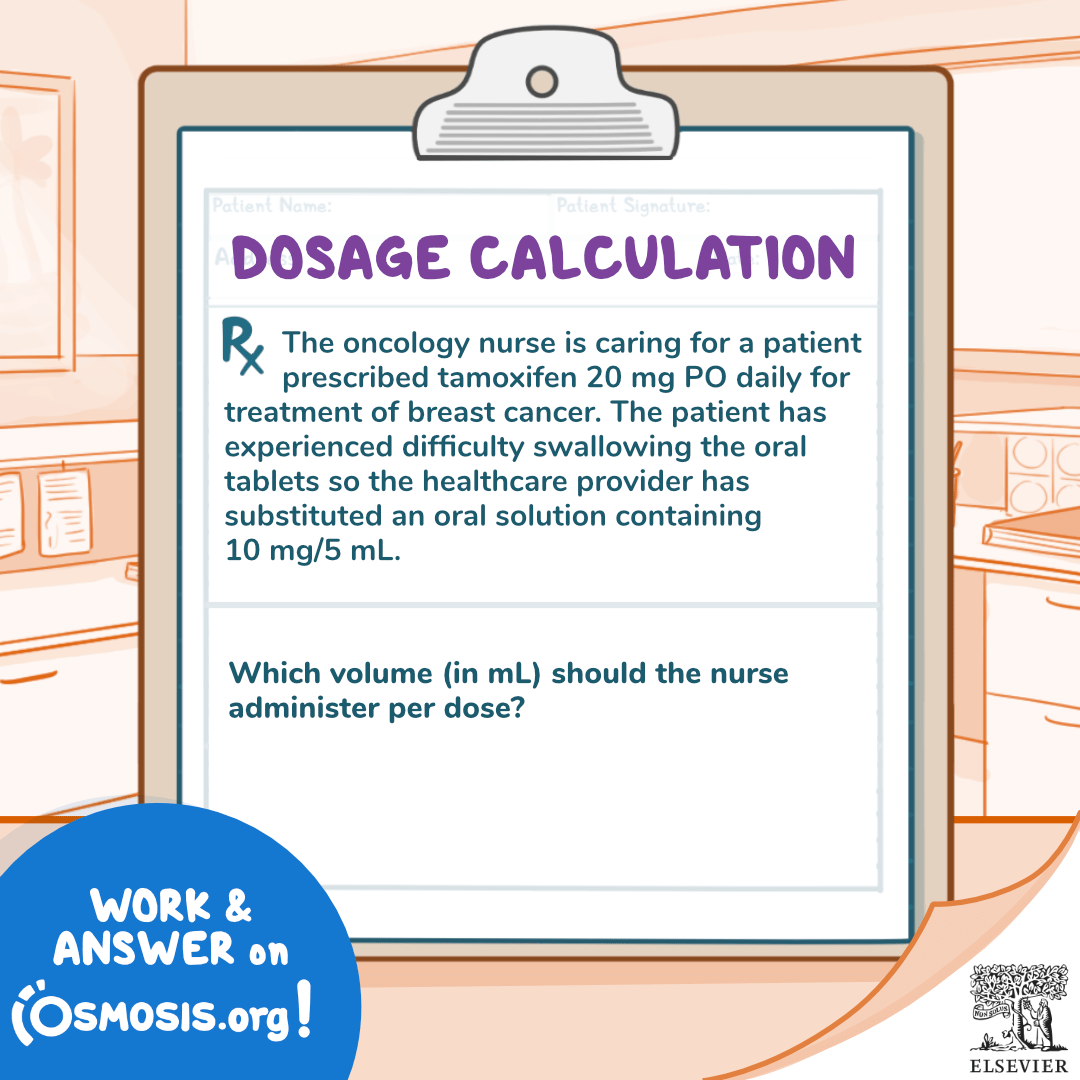
Dosage Calculation: Tamoxifen
— Updated:
How many milliliters of a 10 mg/5 mL oral solution should be given for a 20 mg tamoxifen dose? Learn to calculate safe medication volumes accurately.
-

NCLEX-RN® Question of the Day: Proper body alignment
— Updated:
How should a nurse assess a patient’s body alignment to ensure proper posture and reduce strain during rehabilitation?
-
USMLE® Step 2 CK Question of the Day: Painful rash
— Updated:
A 66-year-old man presents with a painful, rash lasting three days. What is the best initial medication to manage his condition effectively?
-
USMLE® Step 1 Question of the Day: Endometriosis medication
— Updated:
A 35-year-old woman with endometriosis starts a GnRH agonist. What side effects should clinicians monitor for during continuous therapy?
-

NCLEX® LPN Question of the Day: Trouble sleeping
— Updated:
A patient reports trouble falling asleep in the hospital. Which common factor is most likely affecting their ability to sleep well?
-
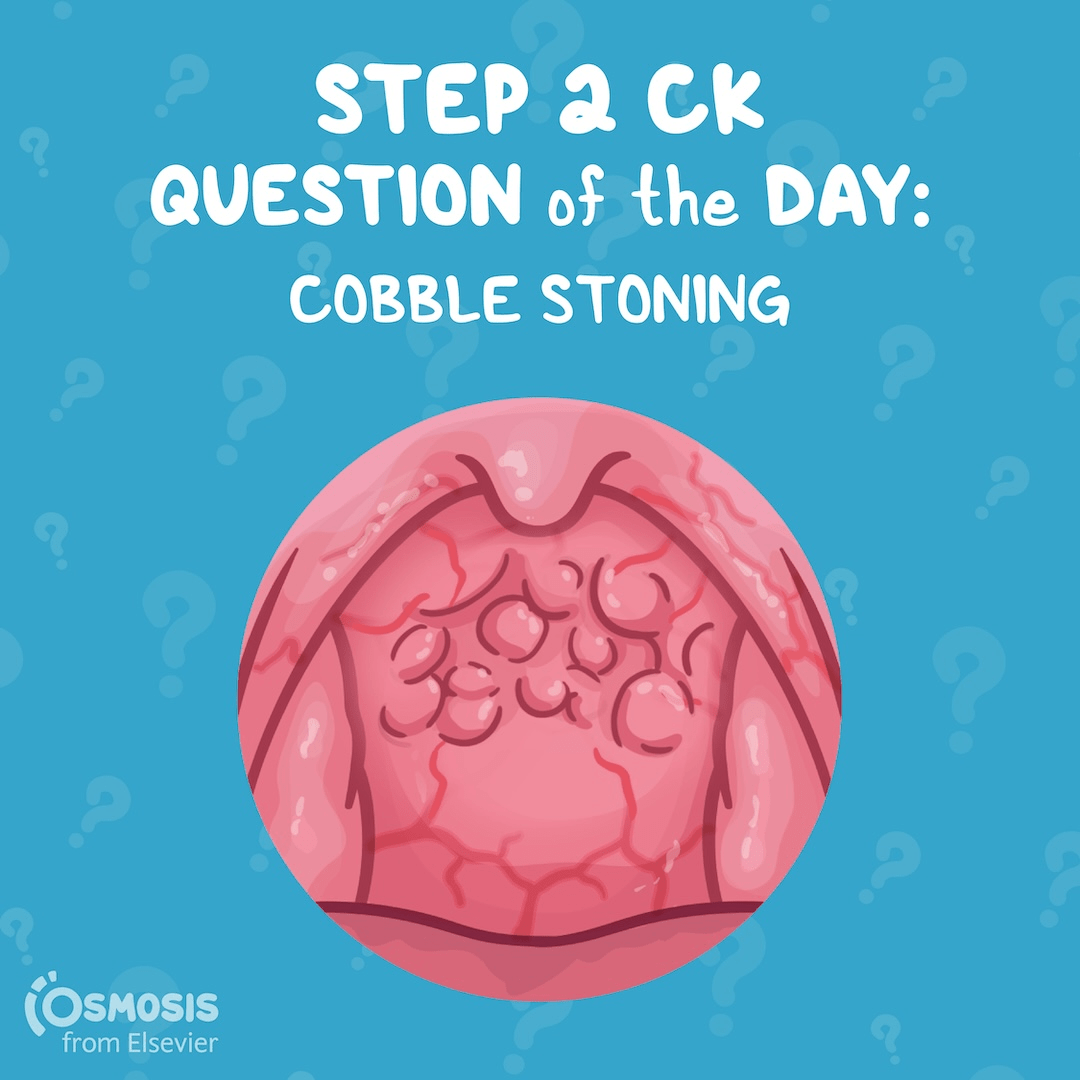
USMLE® Step 2 CK Question of the Day: Cobble stoning
— Updated:
A 36-year-old man with nasal itching and congestion presents symptoms of allergic rhinitis. What’s the best initial treatment to manage his condition effectively?
-

NCLEX-RN® Question of the Day: Medicare
— Updated:
Which patient is most likely eligible for Medicare? Understand the criteria for Medicare eligibility and how it compares to other insurance programs.
-
NCLEX-RN® Question of the Day: Depressive disorder
— Updated:
Explore the diagnostic criteria for depressive disorders, emphasizing episode duration and symptom patterns essential for accurate diagnosis.
-
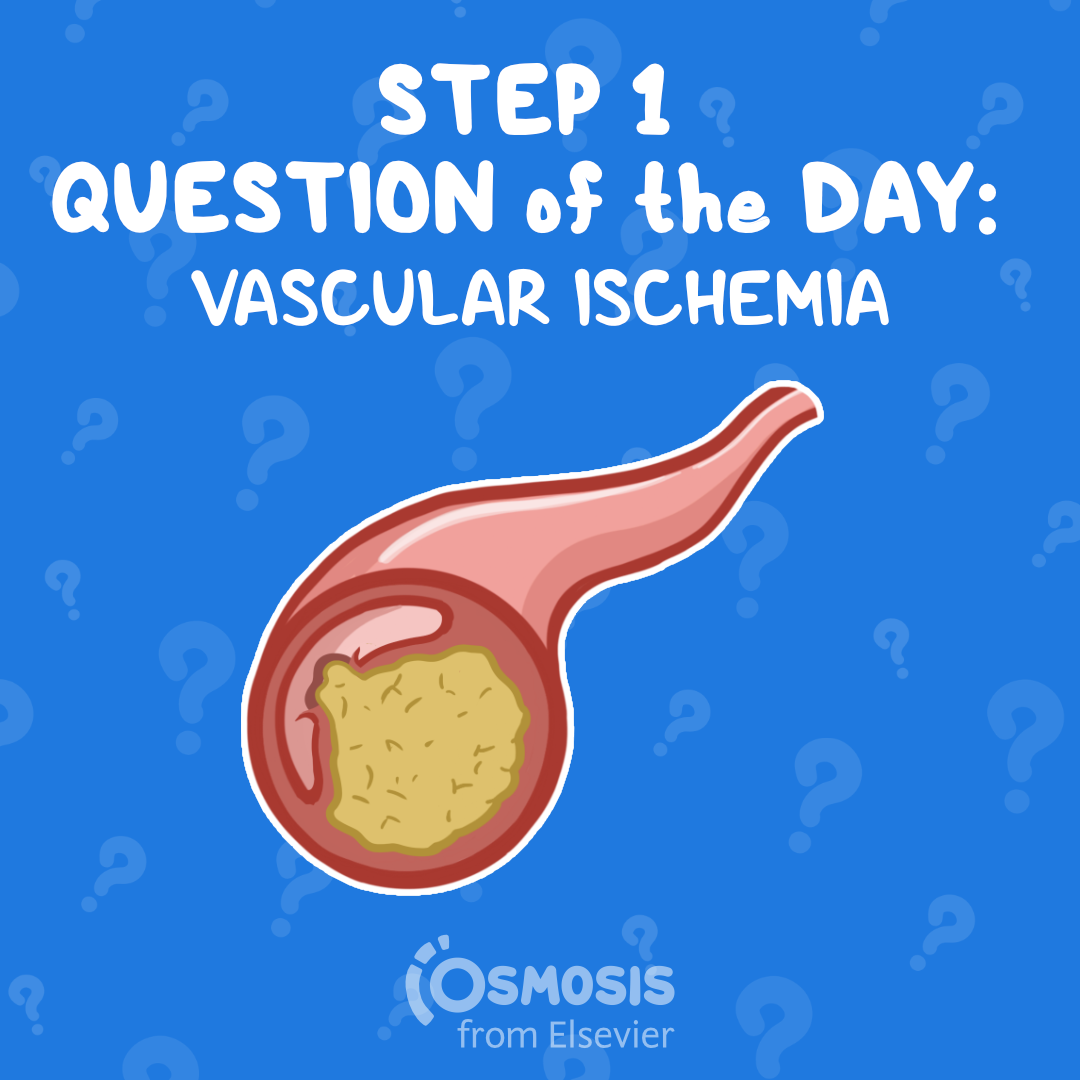
USMLE® Step 1 Question of the Day: Vascular ischemia
— Updated:
Explore a clinical case of acute neurological deficits in an elderly patient, focusing on identifying the affected brainstem vascular territory.
-
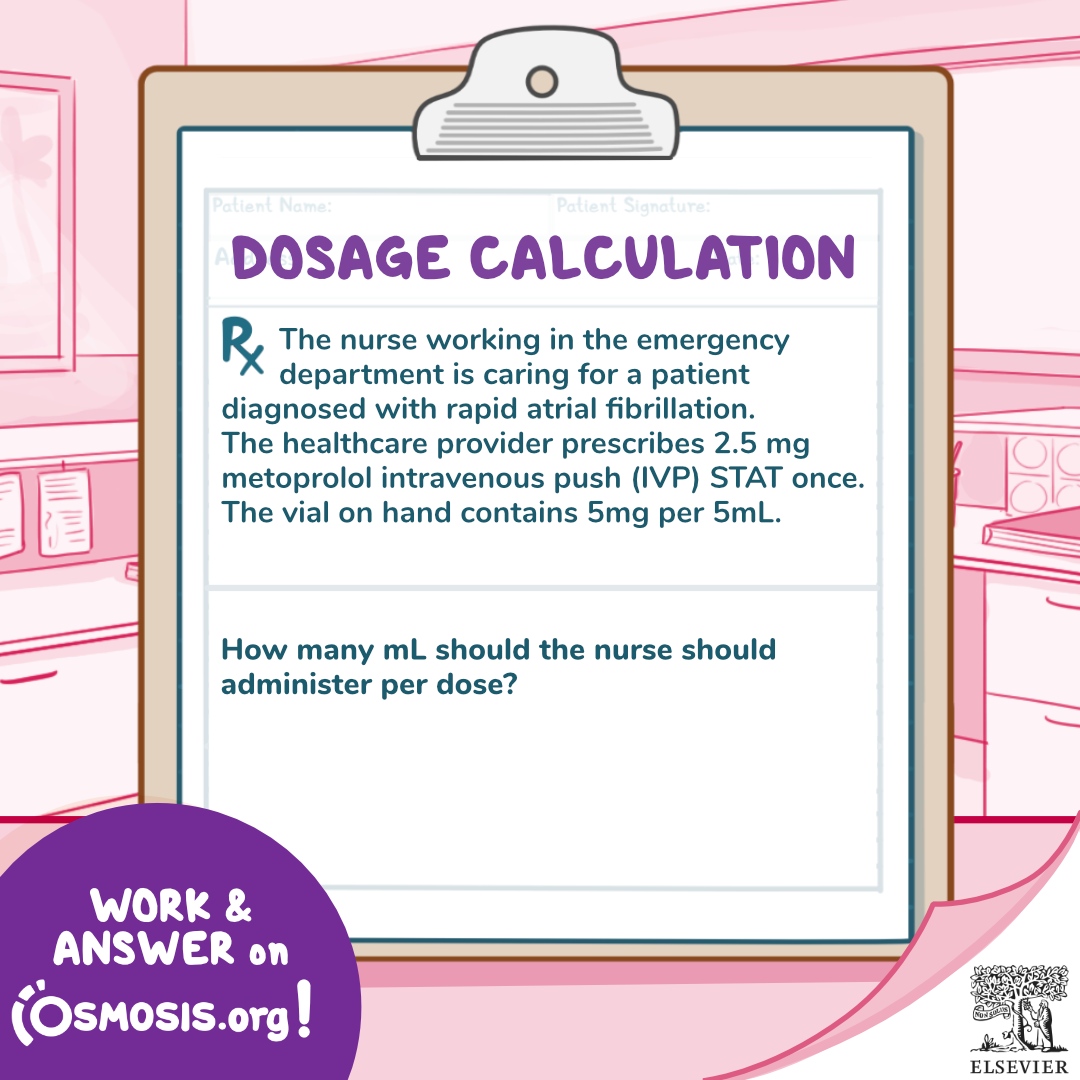
Dosage Calculation: Metoprolol
— Updated:
Practice calculating accurate IV doses with this metoprolol example to ensure safe patient care and effective drug administration.
-
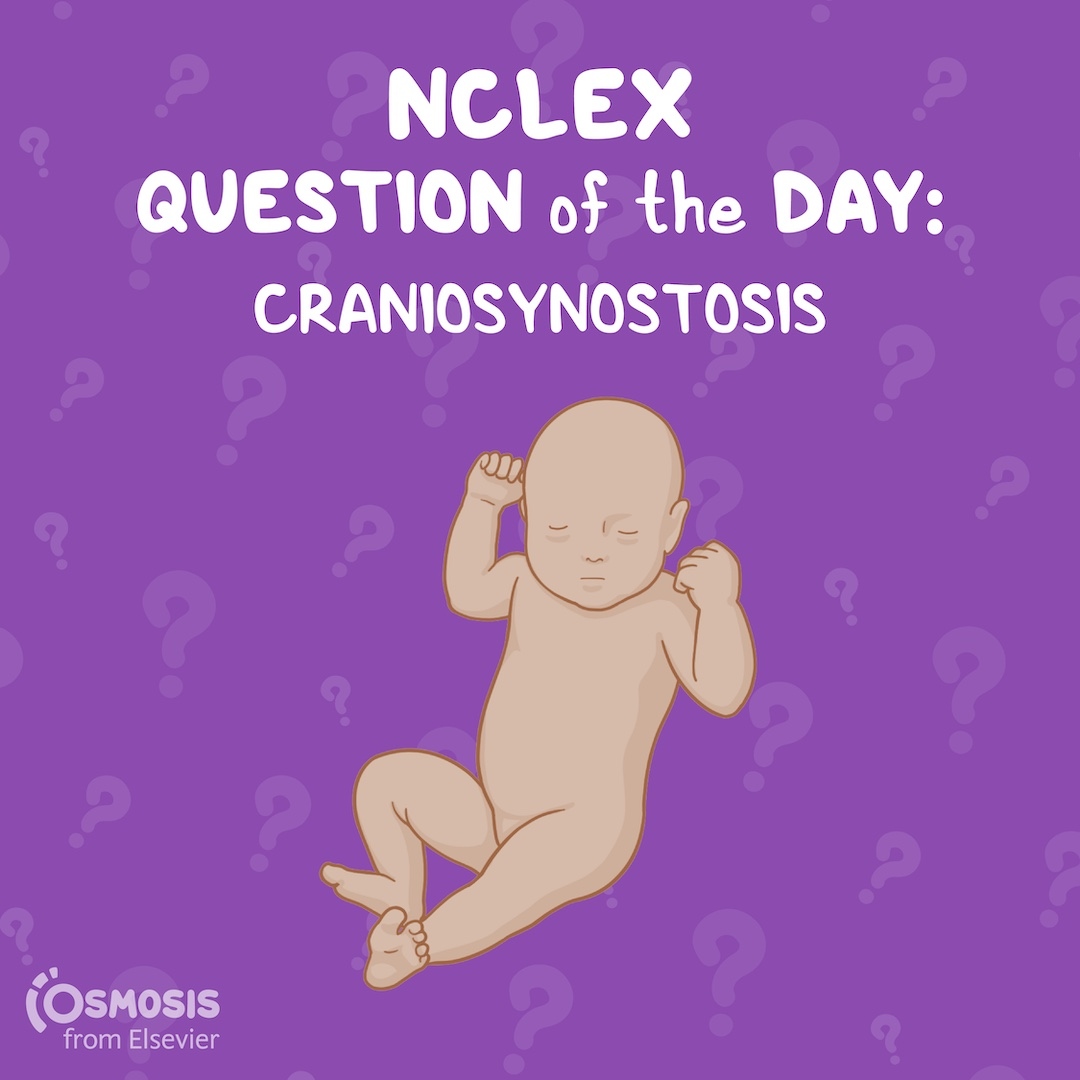
NCLEX-RN® Question of the Day: Craniosynostosis
— Updated:
Explore the clinical features nurses should expect when assessing infants with craniosynostosis and how to differentiate them from common newborn conditions.
-
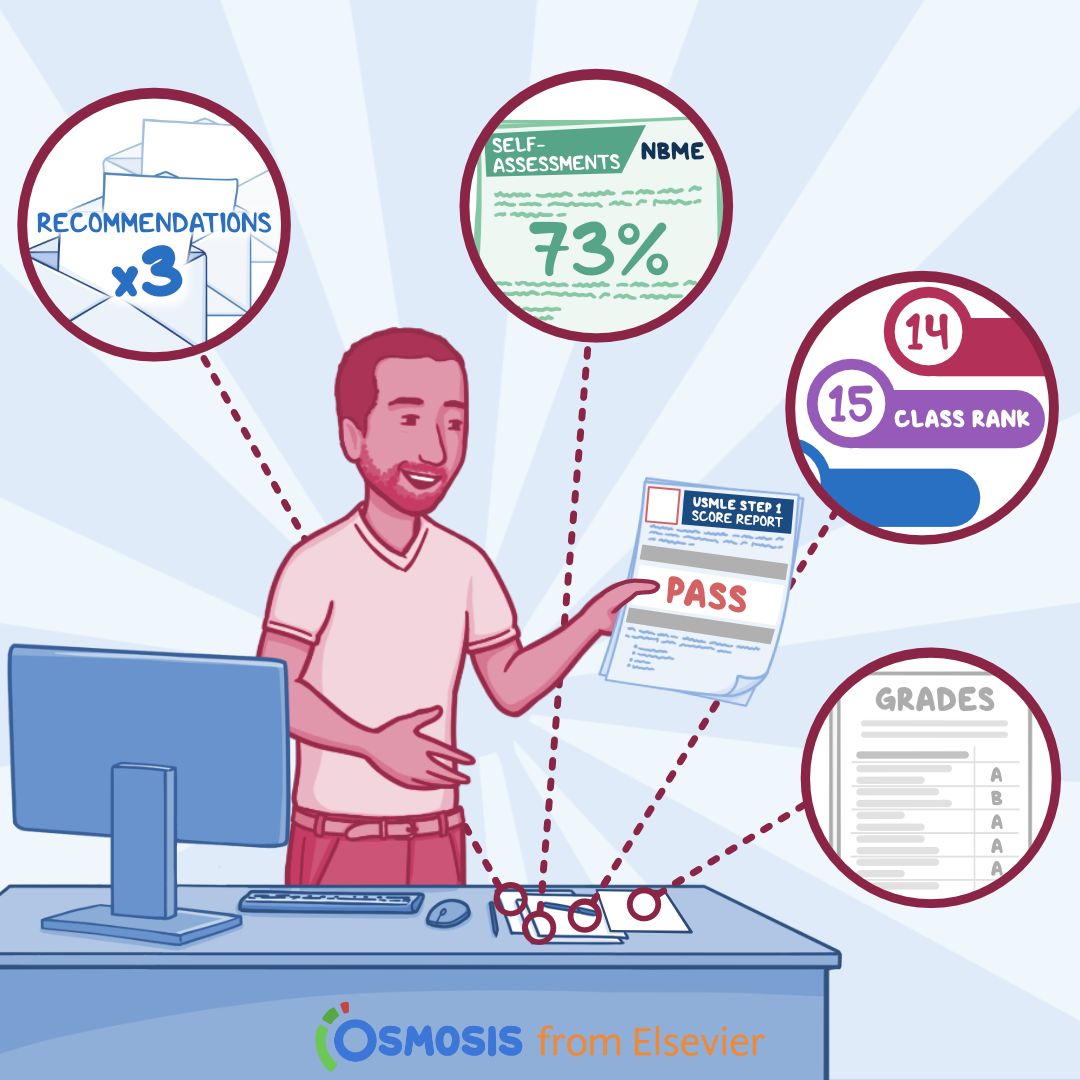
What USMLE Step 1 Score Do You Need to Match?
— Updated:
Now that Step 1 is pass/fail, a “good” score means confidently passing and mastering core concepts to excel in clerkships and when taking Step 2 CK. Learn how to assess your readiness.
-

USMLE® Step 2 CK Question of the Day: Jaundiced skin
— Updated:
Evaluate a patient presenting with jaundice and altered mental status using targeted physical exam findings to guide further diagnostic steps.
-
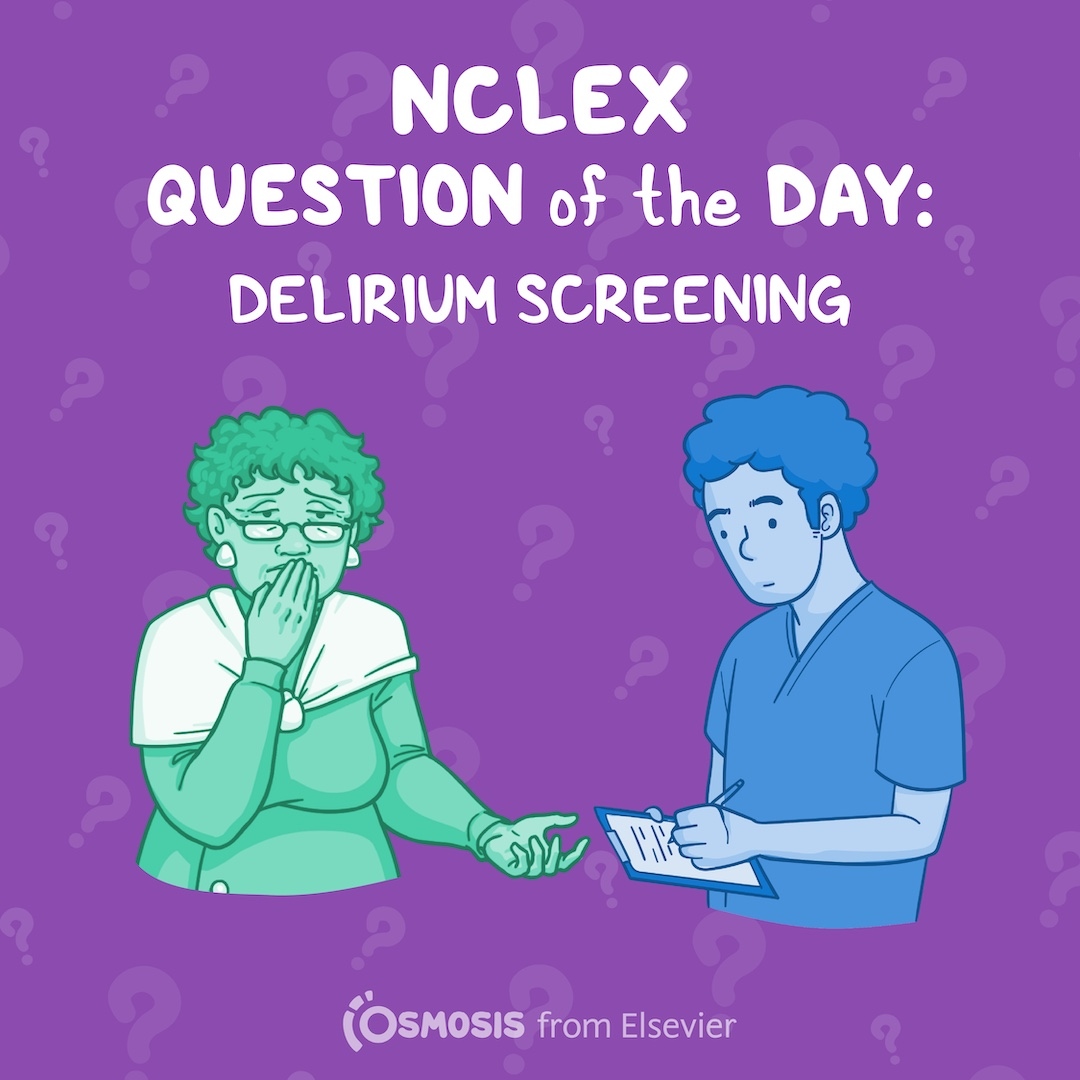
NCLEX-RN® Question of the Day: Delirium screening
— Updated:
Explore the best screening methods for delirium in critically ill patients and understand how to differentiate delirium from other cognitive disorders.
-
PANCE® Question of the Day: Period symptoms
— Updated:
Understand the clinical presentation of premenstrual disorders with an emphasis on PMDD, its symptoms, and how to distinguish it from other medical conditions.
-
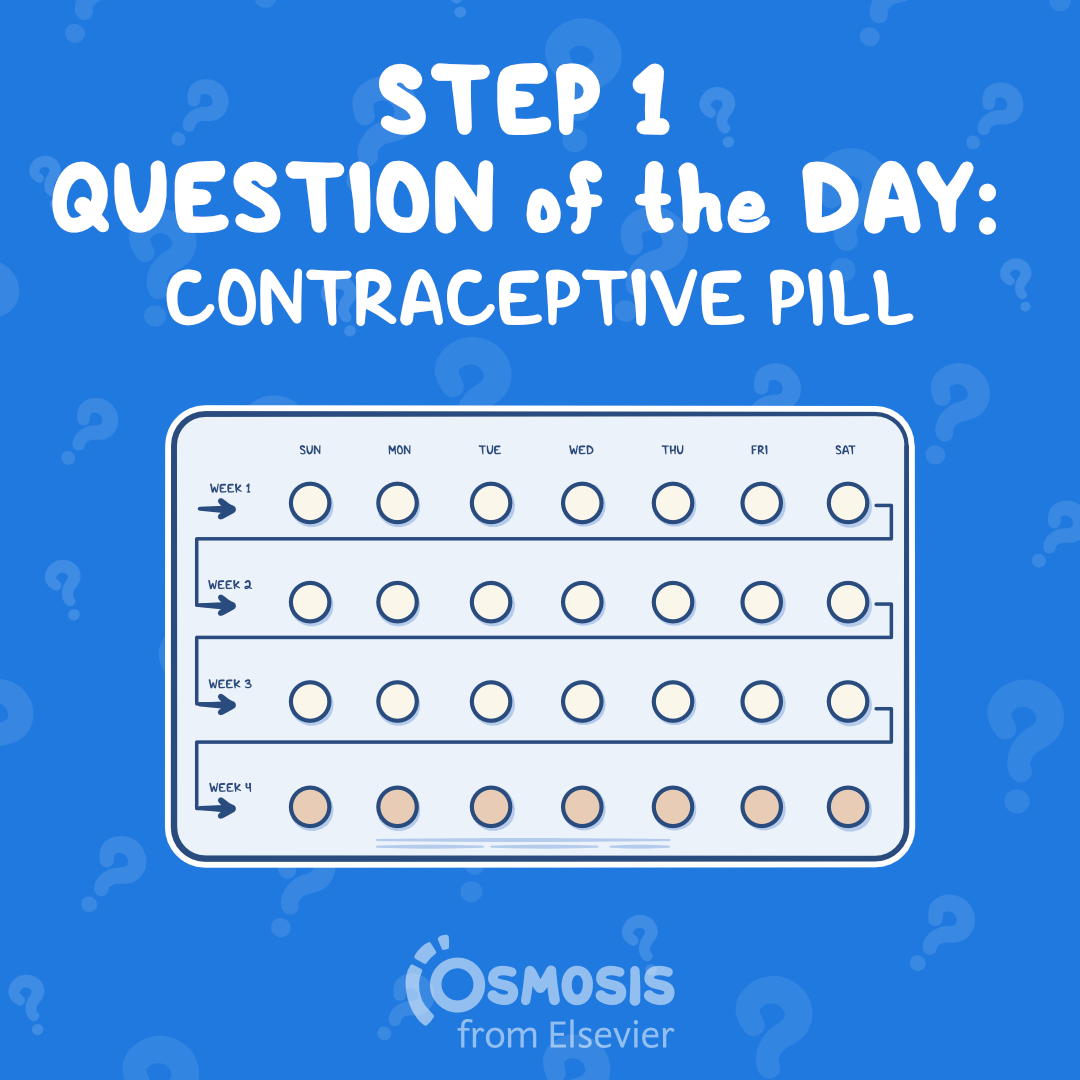
USMLE® Step 1 Question of the Day: Contraceptive pill
— Updated:
Learn the pharmacologic actions of contraceptive pill ingredients and important contraindications for safe use in patient care.
-
NCLEX® LPN Question of the Day: Blood brain barrier
— Updated:
Explore the components and role of the blood-brain barrier in maintaining brain health and protecting the central nervous system.
-

PANCE® Question of the Day: Confusion
— Updated:
Review a clinical scenario highlighting features of delirium, assessment strategies, and distinctions from dementia and other cognitive disorders.
-
USMLE® Step 2 CK Question of the Day: Routine vaccination
— Updated:
Apply vaccination guidelines for adults, including which vaccines are recommended based on age and health status during routine check-ups.
-
NCLEX-RN® Question of the Day: Preeclampsia
— Updated:
Explore the clinical features of preeclampsia, focusing on symptoms nurses should assess to identify and manage this pregnancy complication effectively.