
Category: Exam Prep
-
USMLE® Step 1 Question of the Day: Chronic cough
— Updated:
A histology image reveals a granulomatous lesion with central necrosis. Learn how caseating granulomas develop, how to distinguish infectious etiologies from other causes, and how to integrate histology with clinical context to sharpen differential diagnosis and clinical reasoning.
-
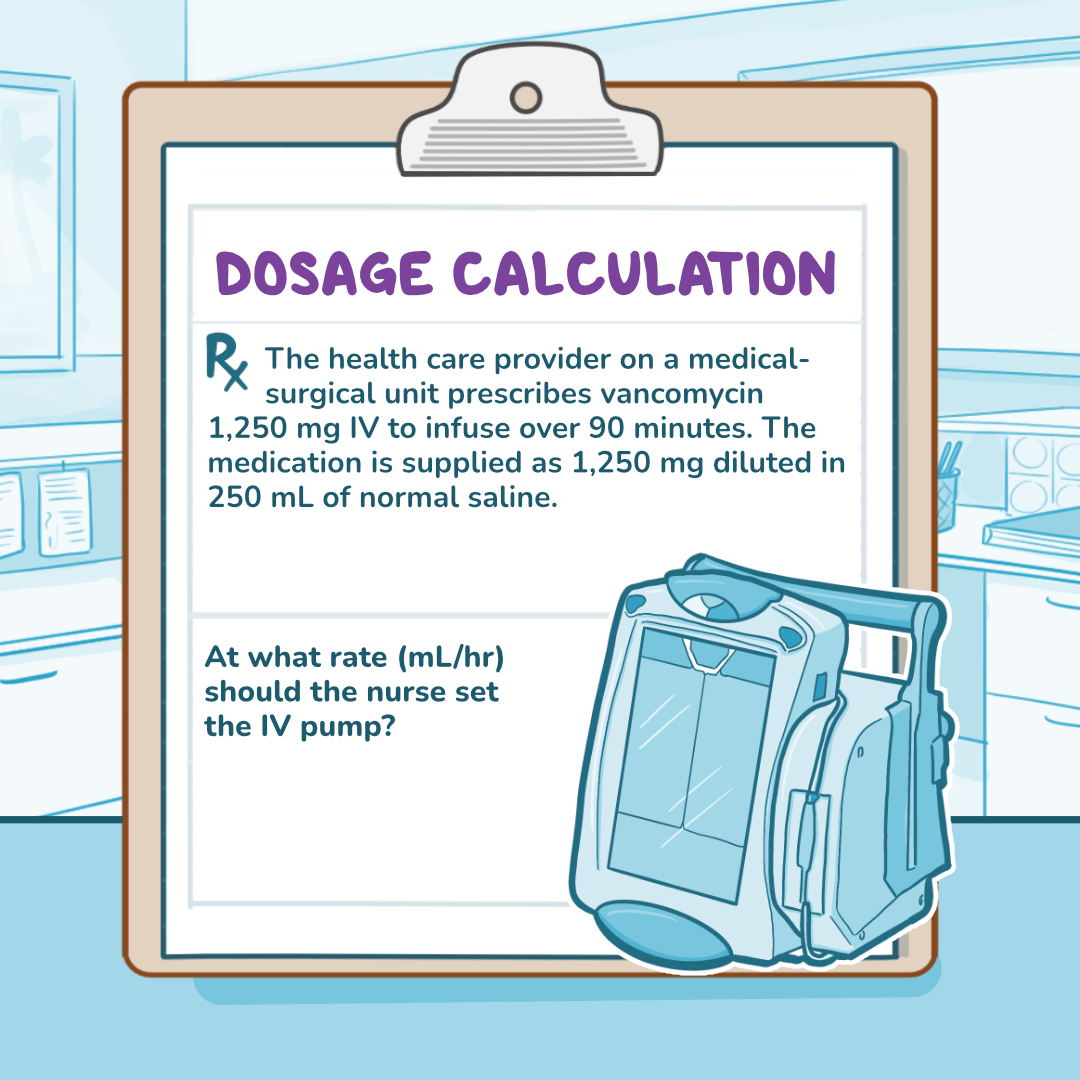
Dosage Calculation: Vancomycin
— Updated:
Tackle this IV infusion rate problem and learn a reliable method for accurate, safe medication administration in a busy clinical setting.
-

NCLEX-RN® Question of the Day: Pertussis Teaching Plan
— Updated:
An RN guides the mother of a child with pertussis through a structured teaching plan, covering home care for cough, vaccination schedule, infection-control practices, and when to seek urgent care.
-
USMLE® Step 2 CK Question of the Day: Dysuria
— Updated:
Follow the case of a 30-year-old woman with four days of dysuria, urgency, and suprapubic tenderness as clinicians review history, exam findings, and urinalysis results to navigate the differential and why certain tests guide decision-making.
-
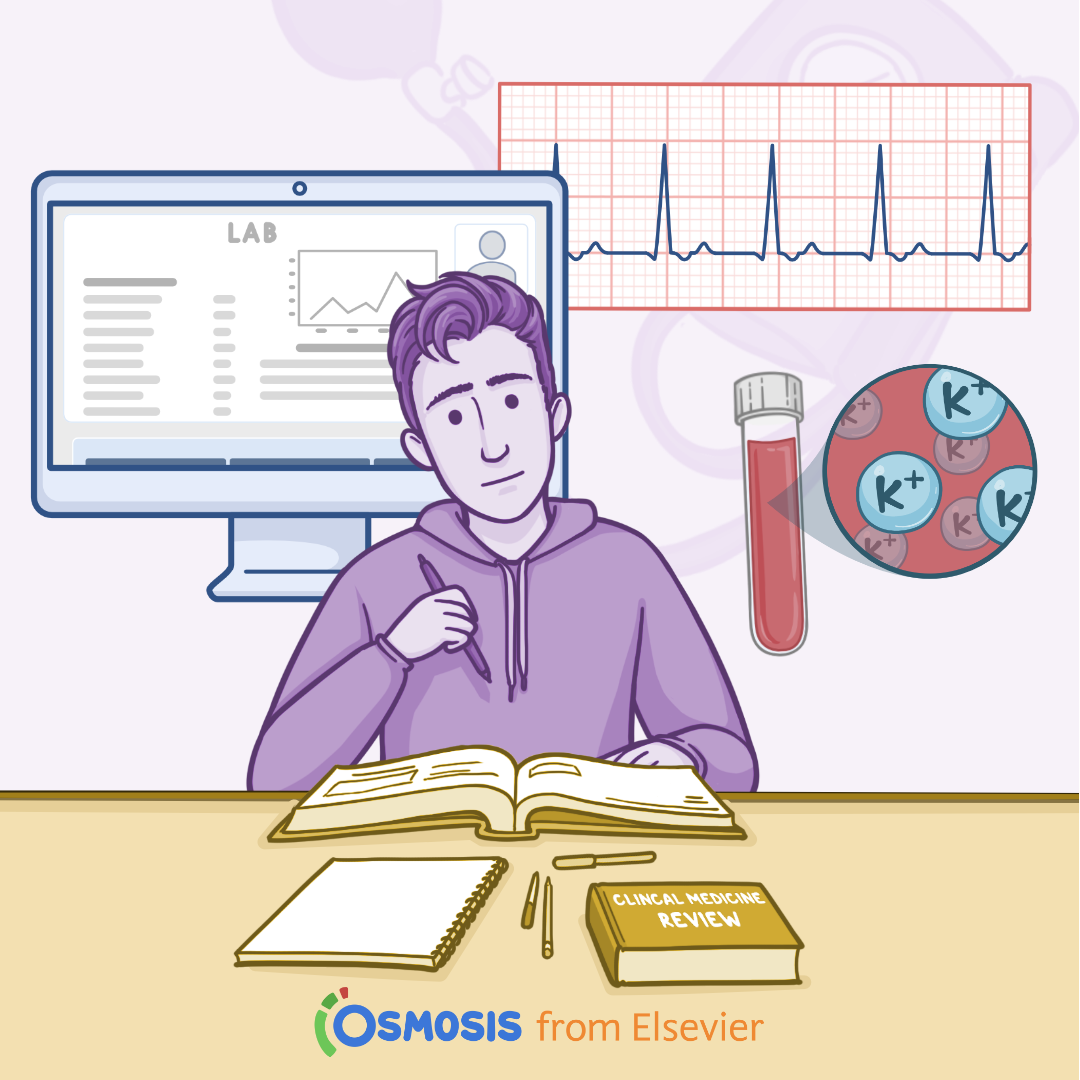
Internal Medicine Shelf Exam: How to Study Less and Score Better
— Updated:
Translate your daily ward experience into shelf exam success while staying grounded during your IM rotation with this realistic, high-yield guide to conquering the Internal Medicine shelf exam study period.
-

PANCE® Question of the Day: Fatigued and cold
— Updated:
A 32-year-old woman presents with months of fatigue, weight gain, cold intolerance, and constipation. Explore a structured approach to evaluating suspected thyroid disorders, including which tests to order next and how antibody testing helps clarify autoimmune involvement.
-
NCLEX® LPN Question of the Day: Respiratory rate
— Updated:
An LPN reviews respiratory rates across multiple ages to determine which readings are abnormal. Explore how to apply age-specific normative ranges, ensure accurate counting, and interpret results to guide patient care and nursing decisions in acute settings.
-

NCLEX-RN® Question of the Day: Hyperpituitarism
— Updated:
A nurse reviews hyperpituitarism concepts in a clinical teaching scenario, focusing on common causes, hereditary links, and risk factors. Learn how to structure patient education and clinical discussions to cover the endocrine condition, its assessment, and appropriate nursing considerations.
-
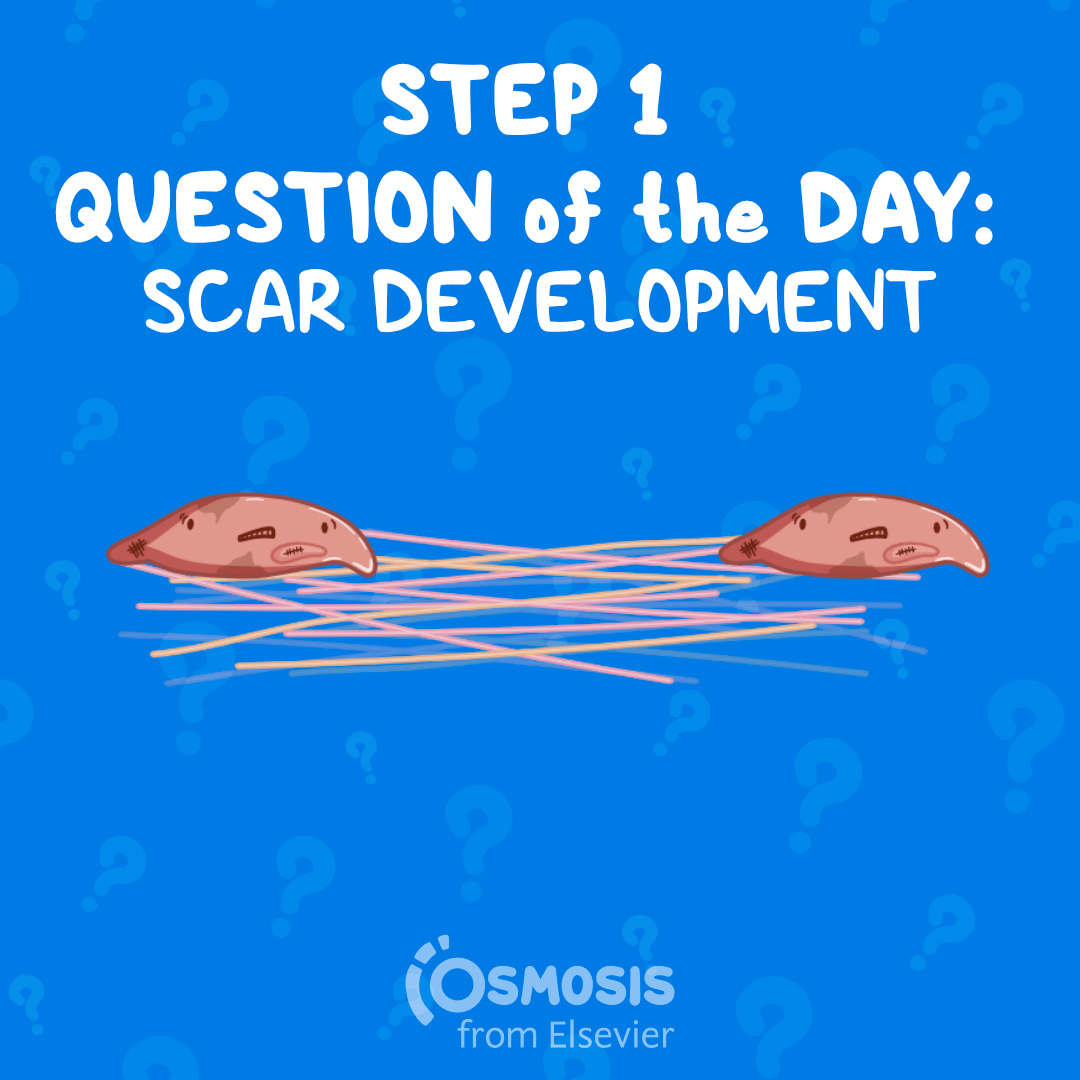
USMLE® Step 1 Question of the Day: Scar development
— Updated:
A 28-year-old man presents after a skin injury with concerns about scarring. Explore how scar biology (collagen deposition patterns, TGF-β signaling, and the balance of inflammatory cytokines) shapes outcomes. Learn how histology distinguishes scar types and why some scars may persist or recur, guiding clinical management and exam prep.
-

NCLEX-RN® Question of the Day: T1D
— Updated:
A patient with newly diagnosed type 1 diabetes presents with pneumonia. Learn a structured nursing approach to spotting a potential life-threatening diabetic emergency, including key assessment steps, monitoring priorities, and when to escalate care to the provider.
-
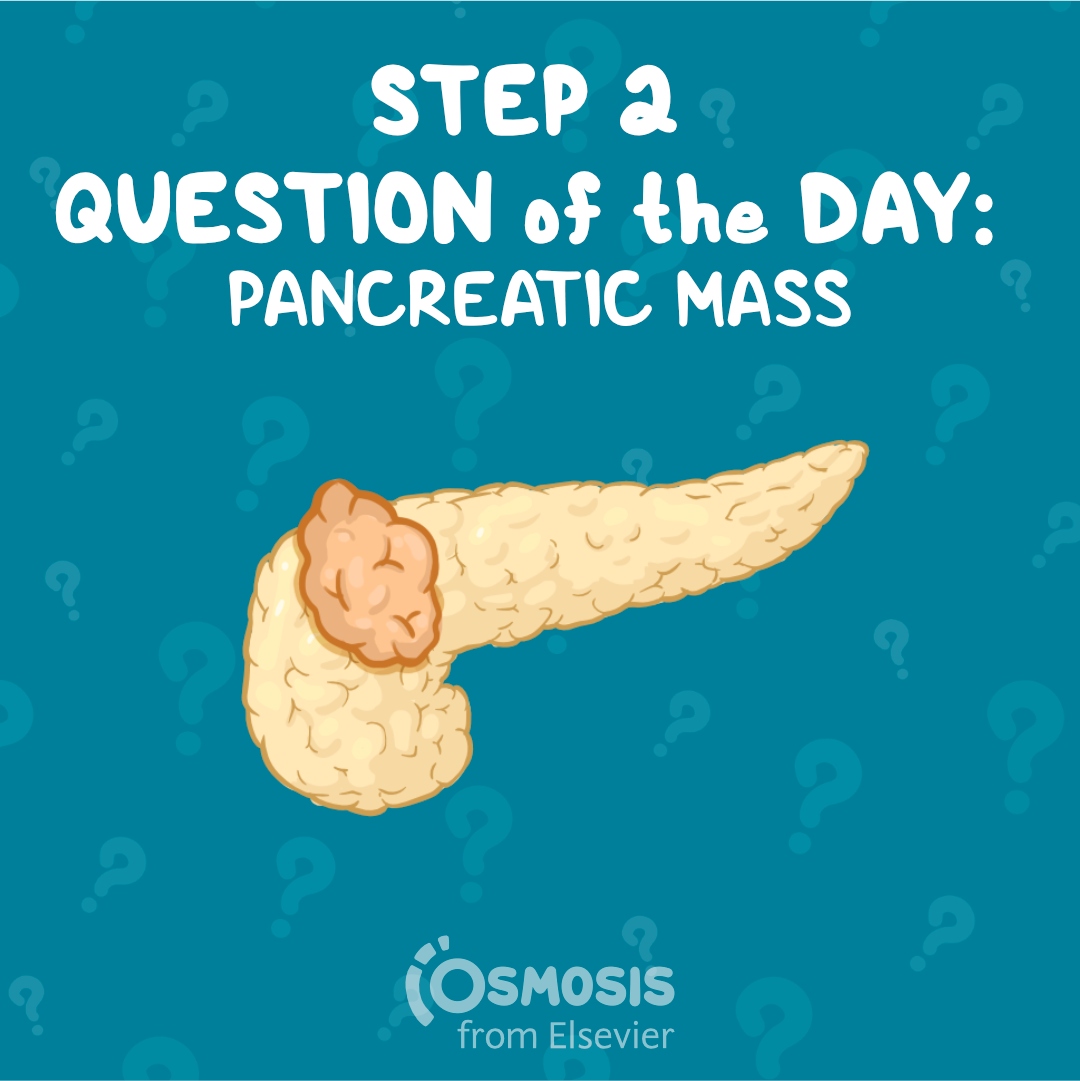
USMLE® Step 2 CK Question of the Day: Pancreatic mass
— Updated:
An incidental pancreatic mass prompts a structured workup with focused imaging and laboratory tests. This question of the day explains what’s preferred and how imaging findings, along with tumor markers, guide subsequent evaluation without assuming a final diagnosis.
-
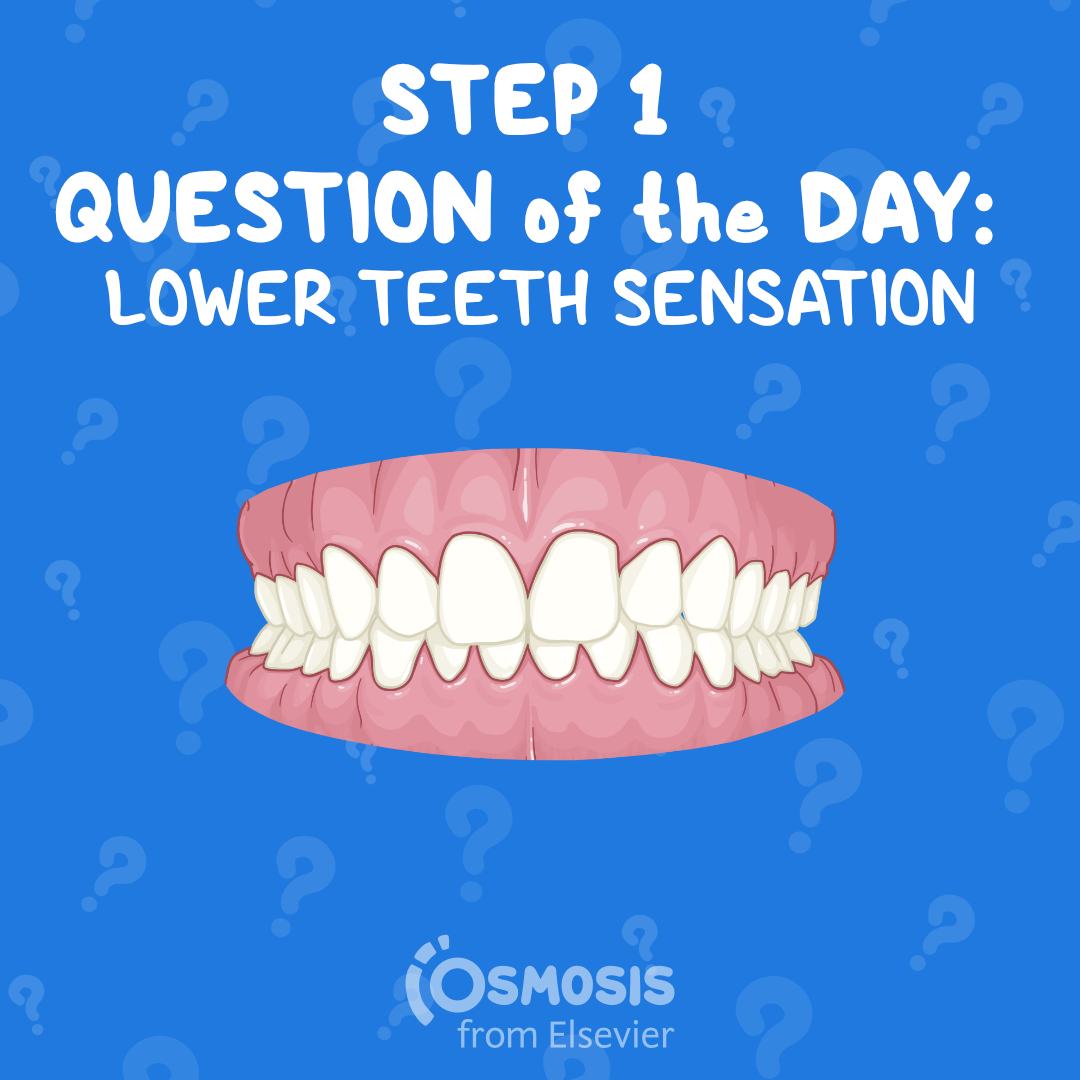
USMLE® Step 1 Question of the Day: Lower teeth sensation
— Updated:
A woman post-wisdom tooth extraction has numbness in lower teeth and chin. Learn more about nerve anatomy and surgical risks.
-

NCLEX-RN® Question of the Day: Cardiogenic shock
— Updated:
Understand important clinical findings to watch for in patients at risk of cardiogenic shock following myocardial infarction. Early identification guides care.
-

PANCE® Question of the Day: Bloody stool
— Updated:
A child presents with bright red blood stool and pain during bowel movements. Understanding key history elements helps guide diagnosis and care.
-
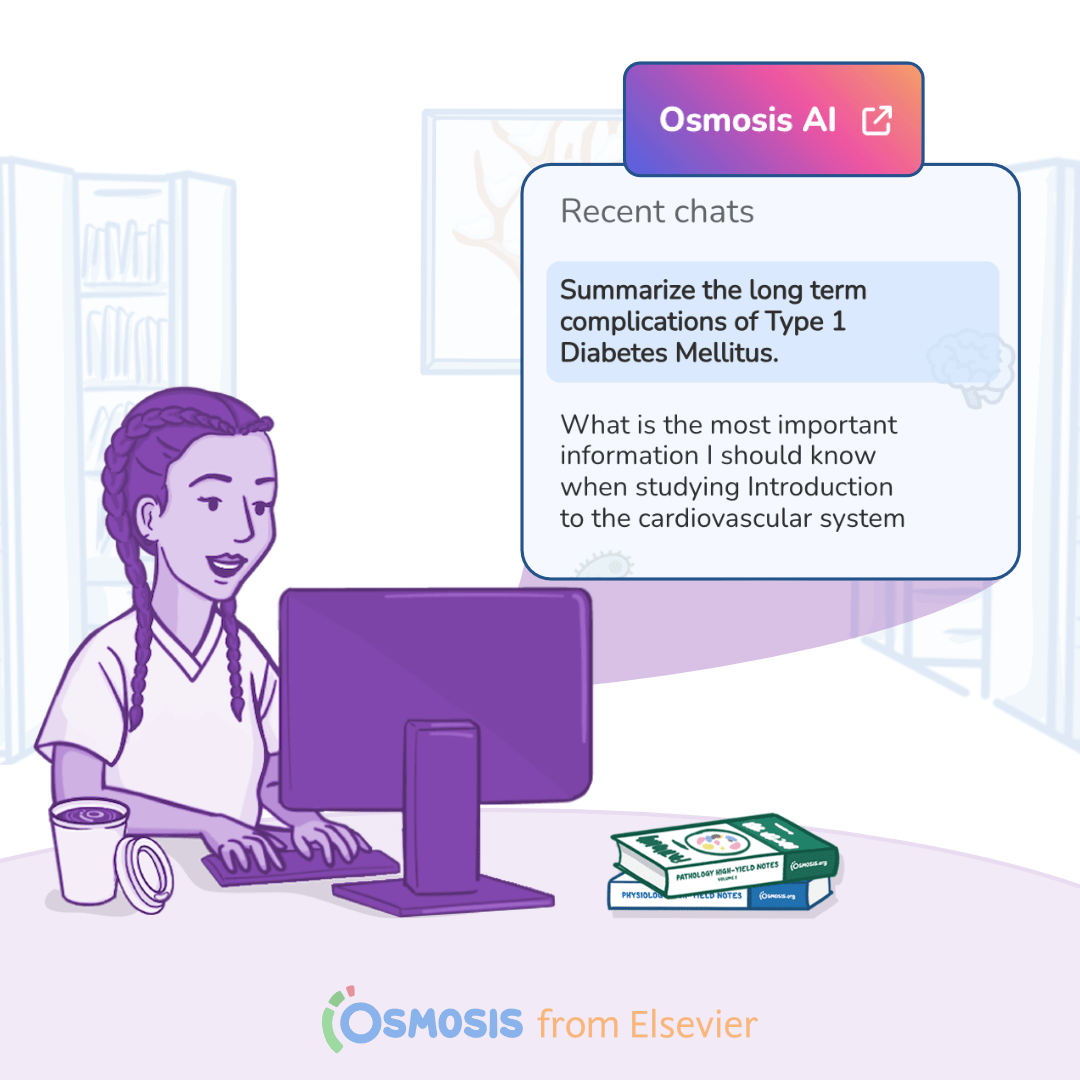
Meet Osmosis AI: Your New Study Partner
— Updated:
Osmosis AI is a built-in, conversational study assistant that combines Osmosis’s visual learning with trusted Elsevier content. Explore its concise, evidence-based explanations, links to relevant videos, and real-time study aids like flashcards and quizzes, personalized to your learning stage and exam goals.
-
NCLEX® LPN Question of the Day: Thalassemia
— Updated:
Understand the genetic and clinical aspects of thalassemia to effectively educate patients about this blood disorder and its impact on health.
-
NCLEX-RN® Question of the Day: Perineal care
— Updated:
Nurses performing perineal care must recognize and report critical findings promptly. Learn which abnormalities require immediate healthcare provider notification.
-
USMLE® Step 2 CK Question of the Day: Frequent falls
— Updated:
A patient presents with an unsteady, stomping gait and frequent falls. Understanding appropriate diagnostic tests is key to identifying the underlying cause.
-
USMLE® Step 1 Question of the Day: Intraperitoneal free fluid
— Updated:
A 26-year-old trauma patient with left shoulder pain, abdominal tenderness, and free fluid on FAST suggests splenic laceration. Recognize signs for timely management.
-
NCLEX-RN® Question of the Day: Sexual orientation
— Updated:
Understand sexual orientation basics and correct terminology to provide respectful, informed care to diverse patients in nursing practice.
-

USMLE® Step 2 CK Question of the Day: L&D triage
— Updated:
A pregnant patient with contractions and minimal cervical dilation requires careful evaluation. Measuring cervical length via endovaginal ultrasound is key to distinguishing preterm labor.
-

NCLEX-RN® Question of the Day: Laparoscopic cholecystectomy
— Updated:
Effective discharge teaching after laparoscopic cholecystectomy covers lifting restrictions, incision care, expected drainage, and dietary advice to promote healing and prevent complications.
-

NCLEX® LPN Question of the Day: Bed wetting
— Updated:
An 8-year-old with new bedwetting requires evaluation for recent life stressors and other causes. Understanding factors behind secondary enuresis guides nursing care.
-
PANCE® Question of the Day: Hemoptysis
— Updated:
A 45-year-old with productive cough, hemoptysis, and systemic symptoms presents with cavitary lung lesions. Recognize key clinical and imaging features to guide diagnosis.
-
USMLE® Step 1 Question of the Day: Antipsychotic medication
— Updated:
A patient with schizophrenia develops involuntary movements after antipsychotic treatment. Learn which medication carries the highest risk and how atypicals are named.
-
NCLEX-RN® Question of the Day: Risk management
— Updated:
A medication safety error occurs when a nurse omits barcode scanning, causing patient harm. Understand the legal implications and terminology involved in nursing practice.
-
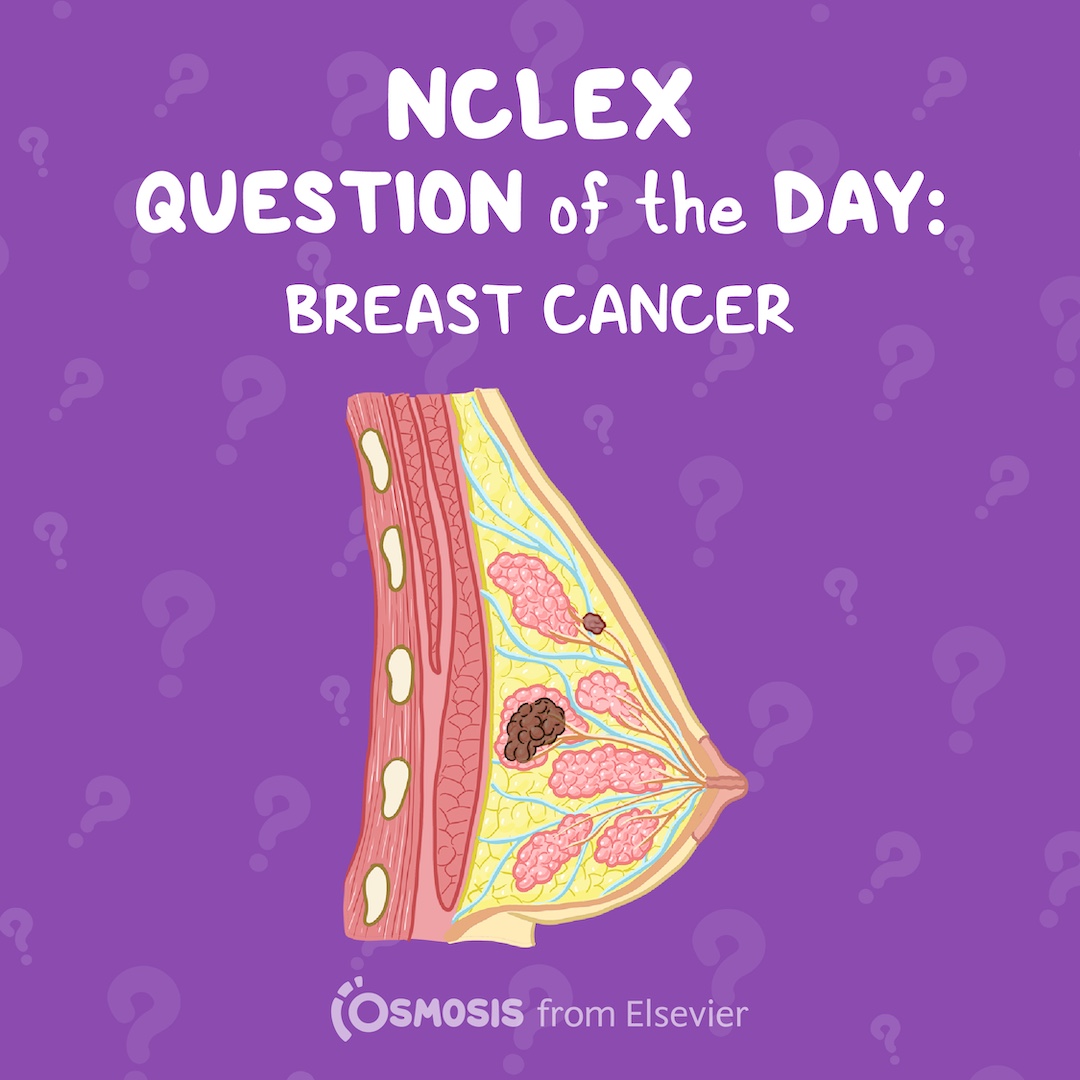
NCLEX-RN® Question of the Day: Breast cancer
— Updated:
What does it mean when abnormal breast cells cross the thin barrier that once contained them? Explore the pivotal microscopic change that marks a shift in tumor behavior, and why it matters for diagnosis and care.
-
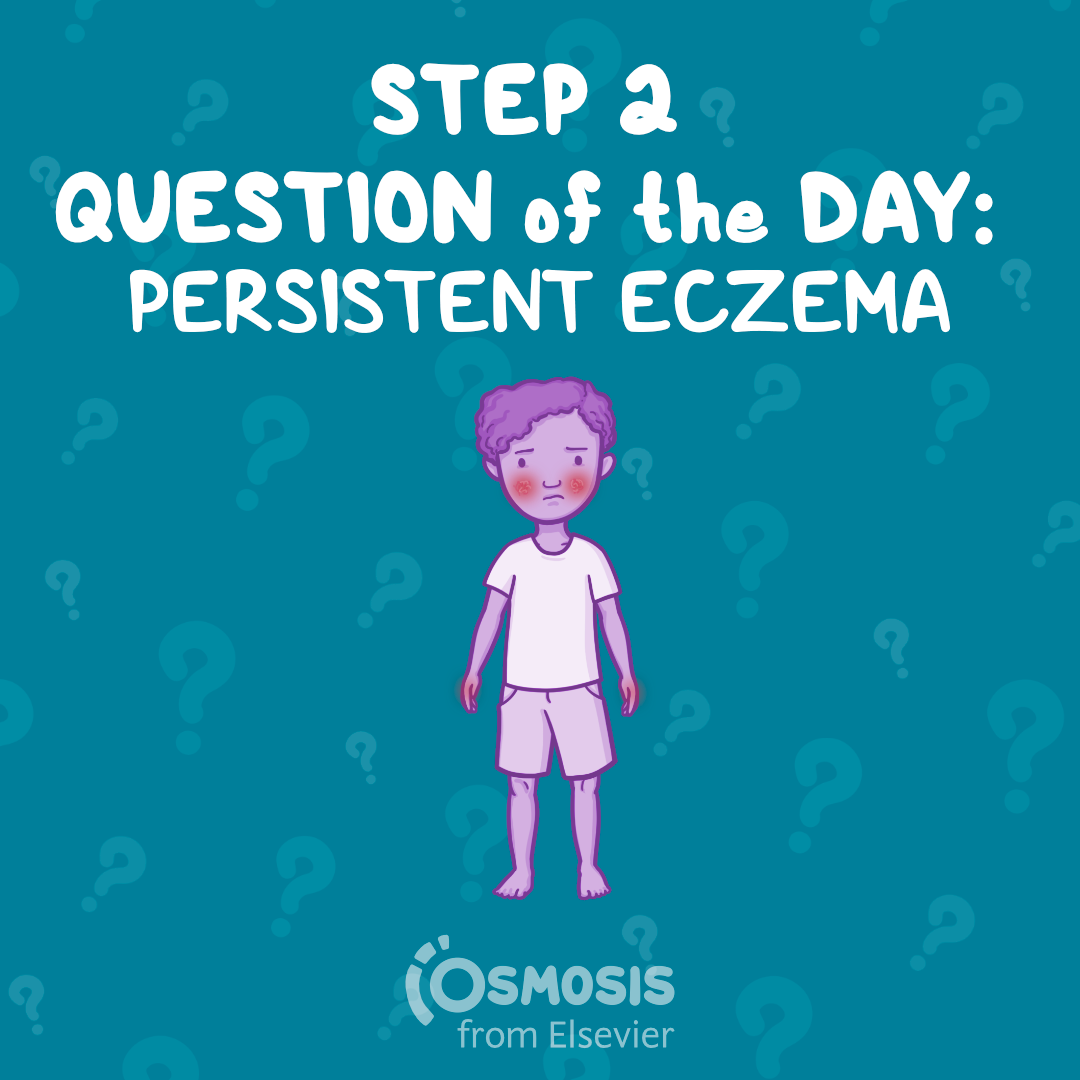
USMLE® Step 2 CK Question of the Day: Persistent eczema
— Updated:
A child presents with eczema, frequent infections, and lab abnormalities. Recognizing key clinical signs is essential for diagnosing primary immunodeficiency syndromes.
-
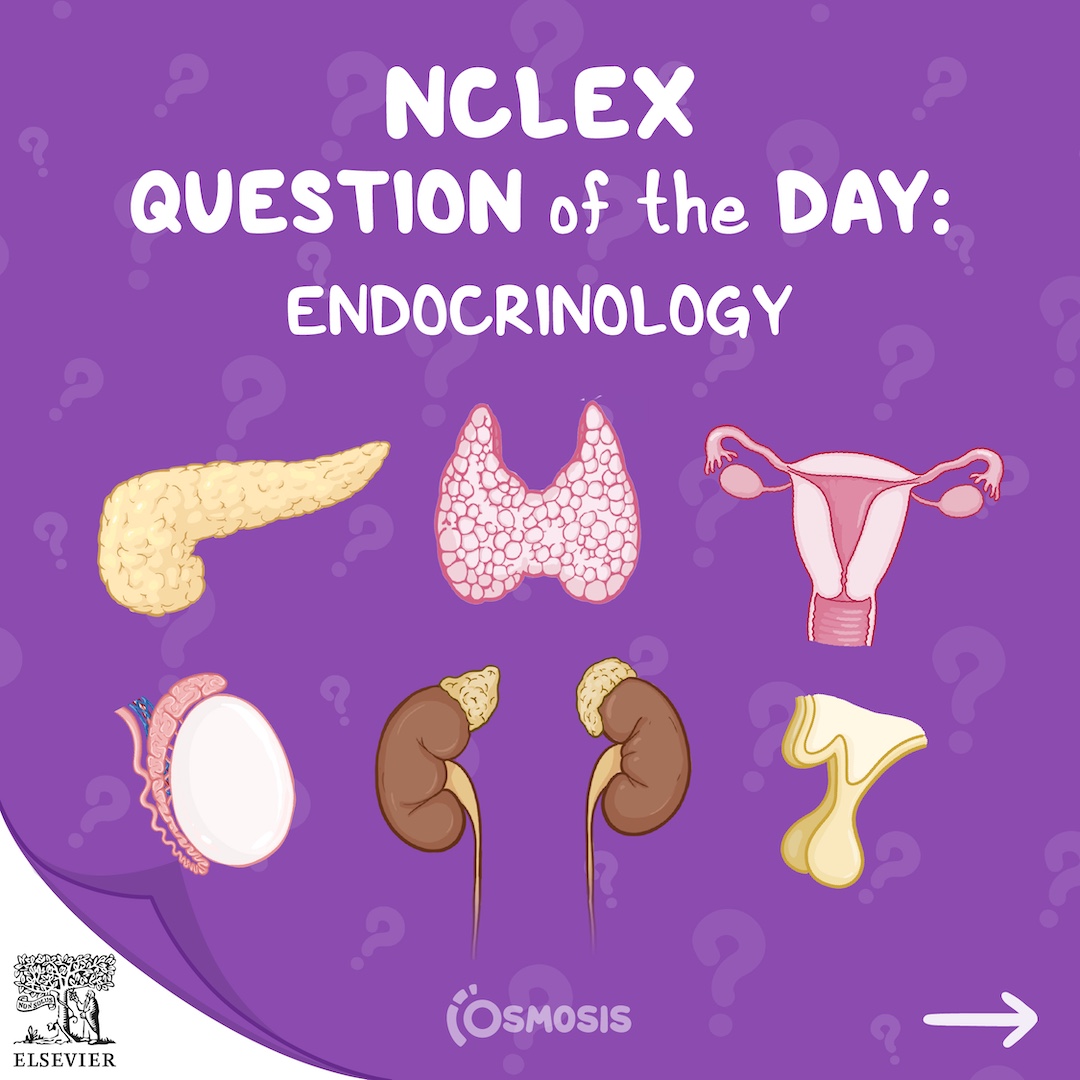
NCLEX-RN® Question of the Day: Endocrinology
— Updated:
Explore key risk factors influencing diabetes development for this retired long-haul truck driver with obesity and hypertension.
-
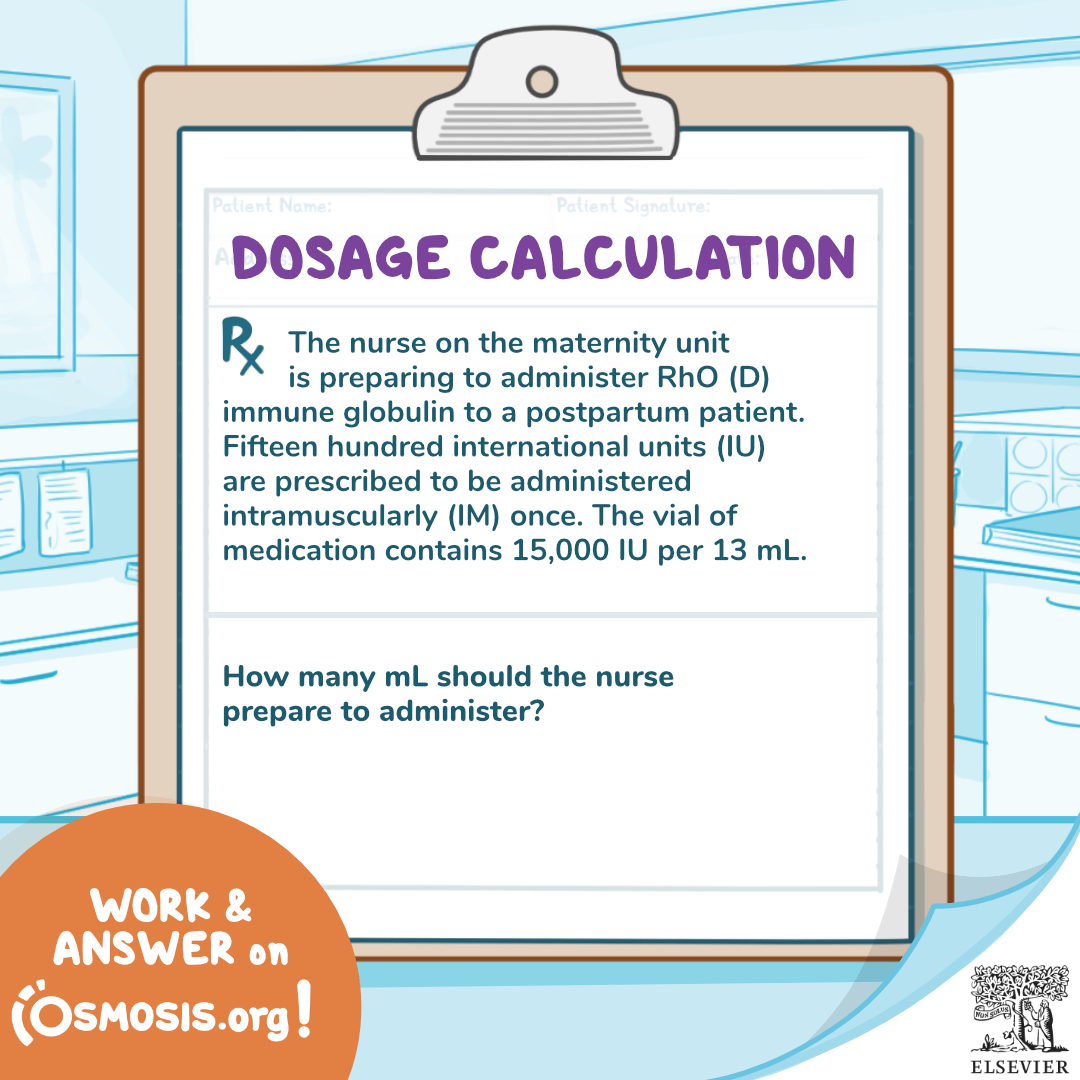
Dosage Calculation: RhO (D) immune globulin
— Updated:
Master dosing calculations for RhO (D) immune globulin in postpartum care. Understand how to convert IU to milliliters to ensure safe and accurate medication administration.