
Category: PANCE
-

PANCE® Question of the Day: Generalized muscle aching
— Updated:
A patient on long-term dialysis develops progressive muscle weakness, bone pain, and abnormal hand imaging. Can you identify the laboratory pattern most consistent with the underlying condition?
-

PANCE® Question of the Day: Pigmented lesion
— Updated:
A patient presents with a pigmented skin lesion after years of significant sun exposure. Can you identify what feature most strongly supports further evaluation in this PANCE-style clinical case?
-

PANCE® Question of the Day: Bloody nose
— Updated:
A patient presents with fever, hypotension, rash, and signs of systemic illness after a recent nasal procedure. Can you identify the diagnosis and the laboratory abnormality most consistent with this life-threatening condition?
-
PANCE® Question of the Day: Diabetic ketoacidosis
— Updated:
A patient with diabetic ketoacidosis improves clinically but remains acidotic and hypotensive. Can you identify the next best management step in this high-yield PANCE-style scenario?
-

PANCE® Question of the Day: Blue extremities
— Updated:
Learn how to perform a newborn’s rapid assessment, obtain vital signs, and use a structured scoring approach to guide clinical decisions and determine appropriate next steps in care and disposition for optimal newborn outcomes.
-
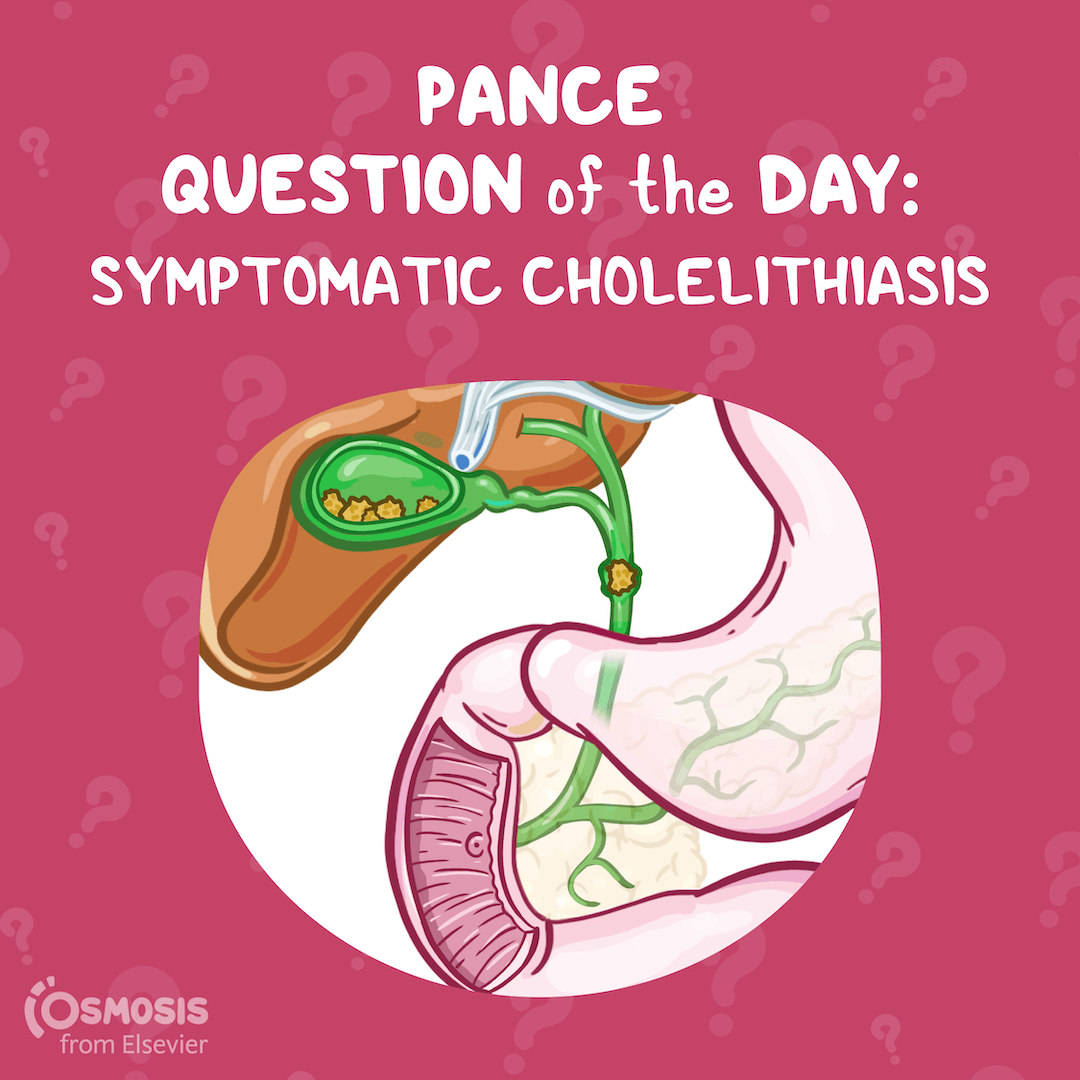
PANCE® Question of the Day: Symptomatic cholelithiasis
— Updated:
A postoperative patient develops shortness of breath after laparoscopic cholecystectomy. Learn practical, evidence-based strategies to prevent atelectasis during the recovery period, focusing on movement, breathing support, and monitoring.
-

Lista final de consejos de estudio por Osmosis de Elsevier
— Updated:
Una guía práctica en español sobre cómo Osmosis de Elsevier reúne consejos y técnicas de aprendizaje para destacarte en salud, prepararte para exámenes USMLE/NCLEX y triunfar en prácticas clínicas y rotaciones. Aprenderás a adaptar métodos a tu estilo, priorizar lo esencial y mantener la motivación a lo largo del programa.
-

PANCE® Question of the Day: Fatigued and cold
— Updated:
A 32-year-old woman presents with months of fatigue, weight gain, cold intolerance, and constipation. Explore a structured approach to evaluating suspected thyroid disorders, including which tests to order next and how antibody testing helps clarify autoimmune involvement.
-

PANCE® Question of the Day: Bloody stool
— Updated:
A child presents with bright red blood stool and pain during bowel movements. Understanding key history elements helps guide diagnosis and care.
-
PANCE® Question of the Day: Hemoptysis
— Updated:
A 45-year-old with productive cough, hemoptysis, and systemic symptoms presents with cavitary lung lesions. Recognize key clinical and imaging features to guide diagnosis.
-
PANCE® Question of the Day: Period symptoms
— Updated:
Understand the clinical presentation of premenstrual disorders with an emphasis on PMDD, its symptoms, and how to distinguish it from other medical conditions.
-

PANCE® Question of the Day: Confusion
— Updated:
Review a clinical scenario highlighting features of delirium, assessment strategies, and distinctions from dementia and other cognitive disorders.
-
PANCE® Question of the Day: ARDS
— Updated:
Today’s PANCE® Question of the Day: ARDS involves a clinical case of moderate ARDS in a patient with pneumonia. What’s the best ventilator adjustment to improve oxygenation and patient outcomes?
-
PANCE® Question of the Day: Right leg pain
— Updated:
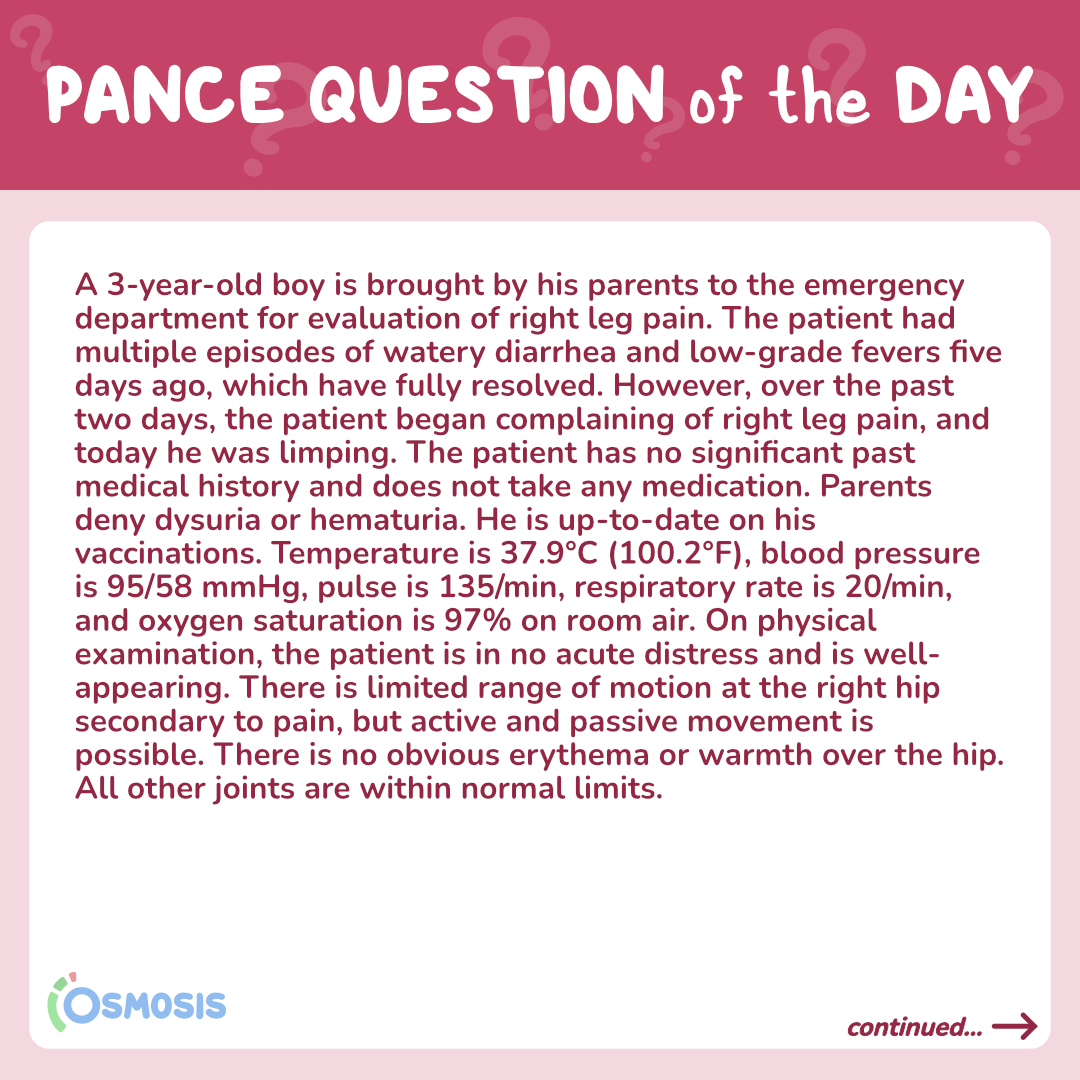
Explore today’s PANCE® question on a pediatric case of right leg pain and learn the critical next step in managing this fascinating case!
-
PANCE® Question of the Day: SLE management
— Updated:
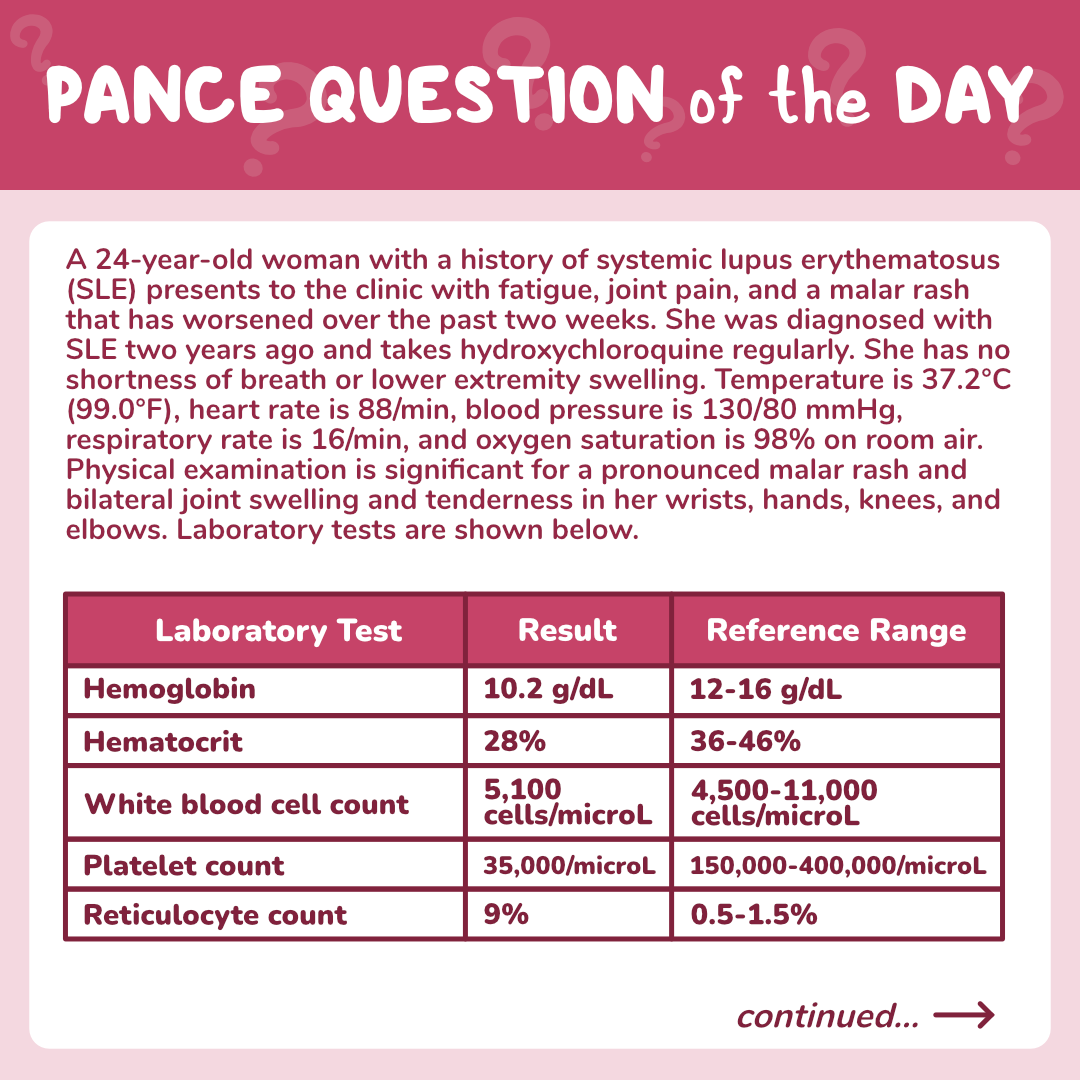
Prepare for the PANCE with this challenging clinical scenario that tests your ability to diagnose and manage a common yet serious condition. Devise a stepwise, evidence-based approach to treating an adult with systemic lupus erythematosus, including hydroxychloroquine, NSAIDs, glucocorticoids, and other immunomodulating agents, as well as ACE inhibitors and angiotensin receptor…
-

The Most Frequently Asked Questions About Becoming a PA: What You Need to Know
— Updated:
PAs, or physician associates (or assistants), are licensed clinicians who provide medical services to patients of all ages and stages of life while under the supervision of an MD or DO. As this essential profession becomes more popular and the number of PA training programs increases, let’s take a moment to…
-
How to Use Osmosis to Study for the PACKRAT Exam
— Updated:
Preparing for the PACKRAT exam? Learn how the Osmosis Clinical Sciences library, practice questions, and smart study habits can boost your confidence and score.
-
PANCE® Question of the Day: Candida
— Updated:
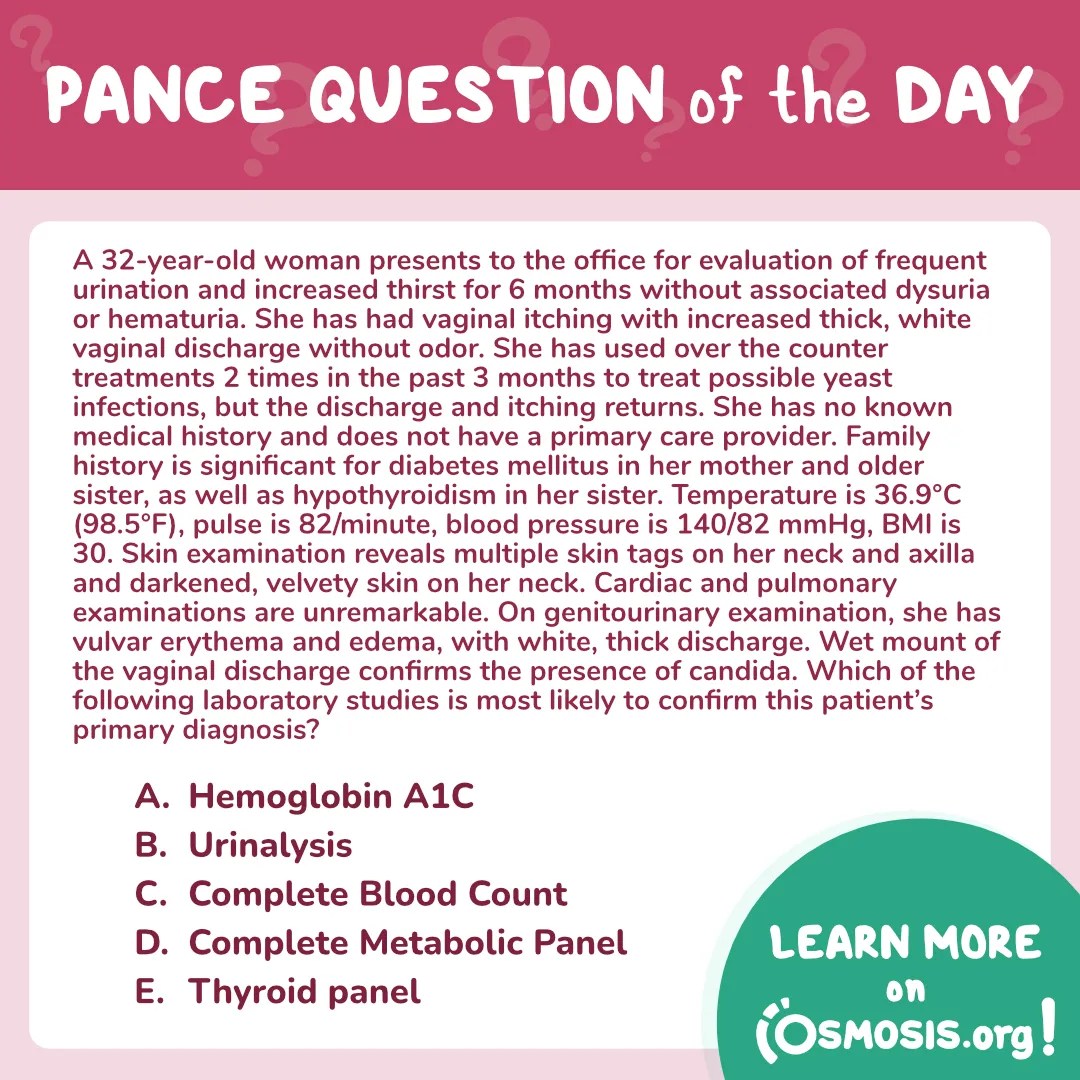
Prepare for the PANCE: A 32-year-old woman with frequent urination, thirst, yeast infections, and insulin resistance signs—what lab confirms the diagnosis? A 32-year-old woman presents to the office for evaluation of frequent urination and increased thirst for 6 months without associated dysuria or hematuria. She has had vaginal itching with…
-
PANCE® Question of the Day: Gynecology exam
— Updated:
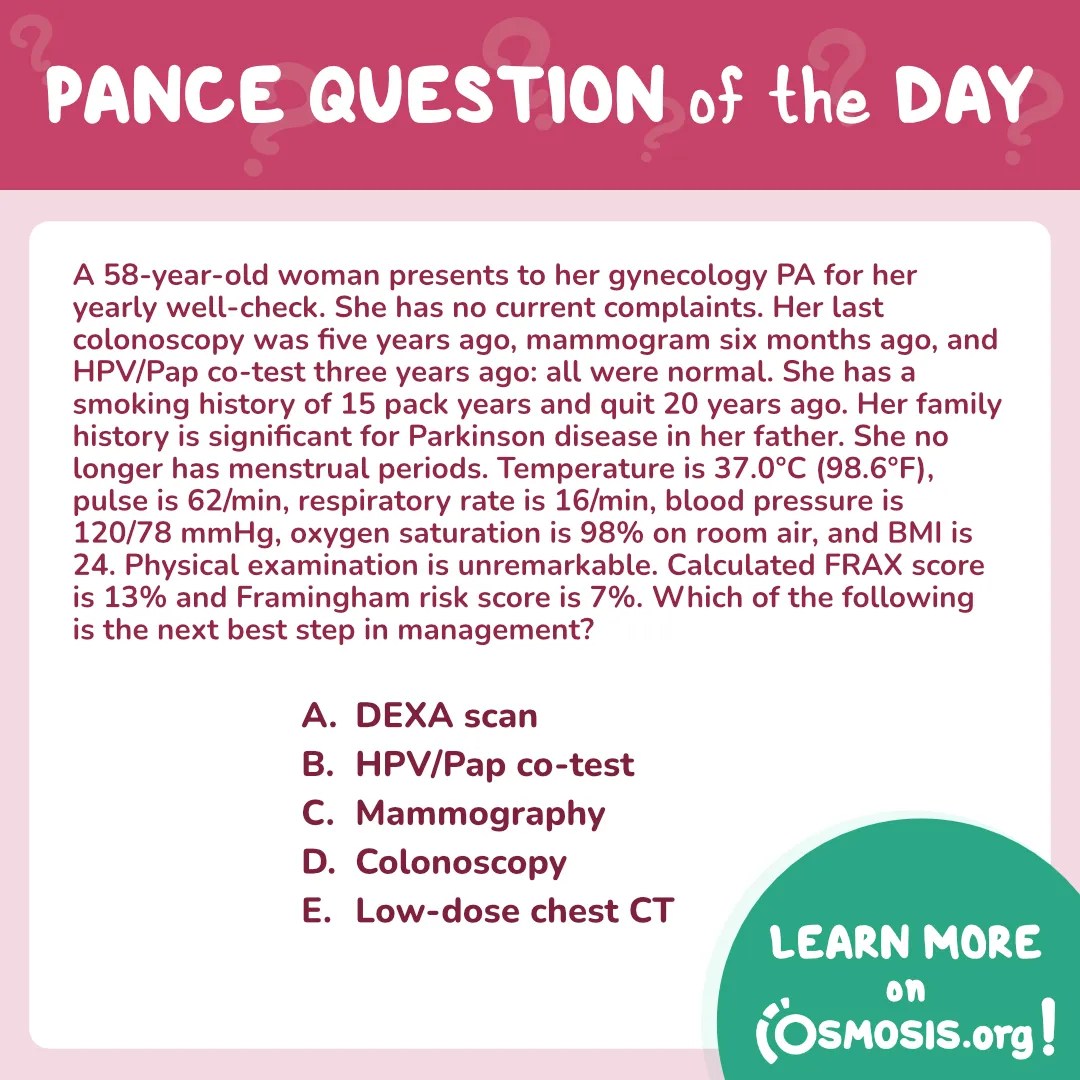
Prepare for the PANCE with this question! Learn about osteoporosis screening using FRAX score. Understand when to assess fracture risk in postmenopausal women, even if they’re younger than 65. A 58-year-old woman presents to her gynecology PA for her yearly well-check. She has no current complaints. Her last colonoscopy was…
-
PANCE® Question of the Day: Hepatitis B
— Updated:
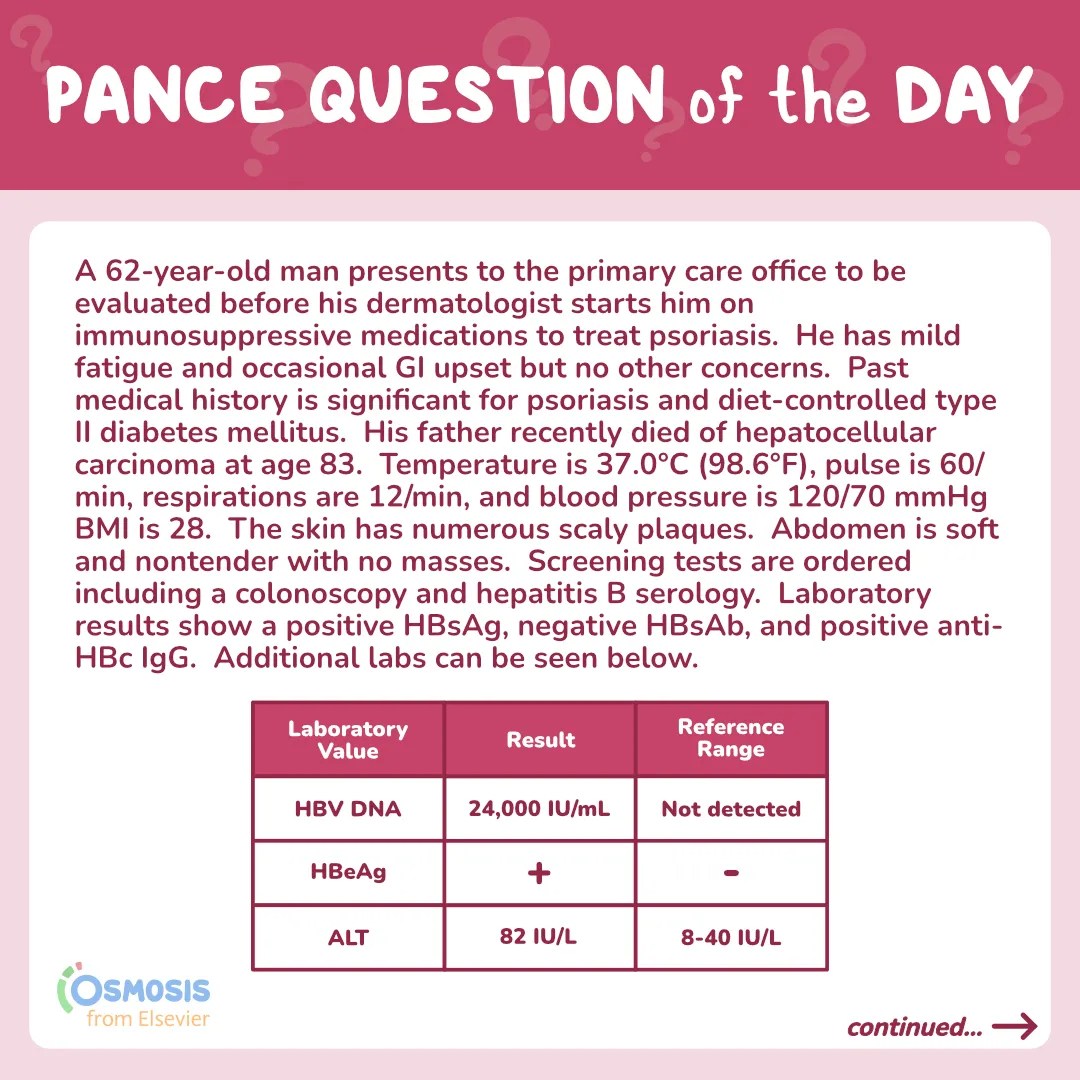
Prepare for the PANCE with this comprehensive topic on pulmonary function testing (PFT) in asthma assessment. Follow the case of a 62-year-old man with psoriasis and a family history of hepatocellular carcinoma presents with positive HBsAg, negative HBsAb, and positive anti-HBc IgG. What’s the best next step in management before…
-
PANCE® Question of the Day: Hepatitis C
— Updated:
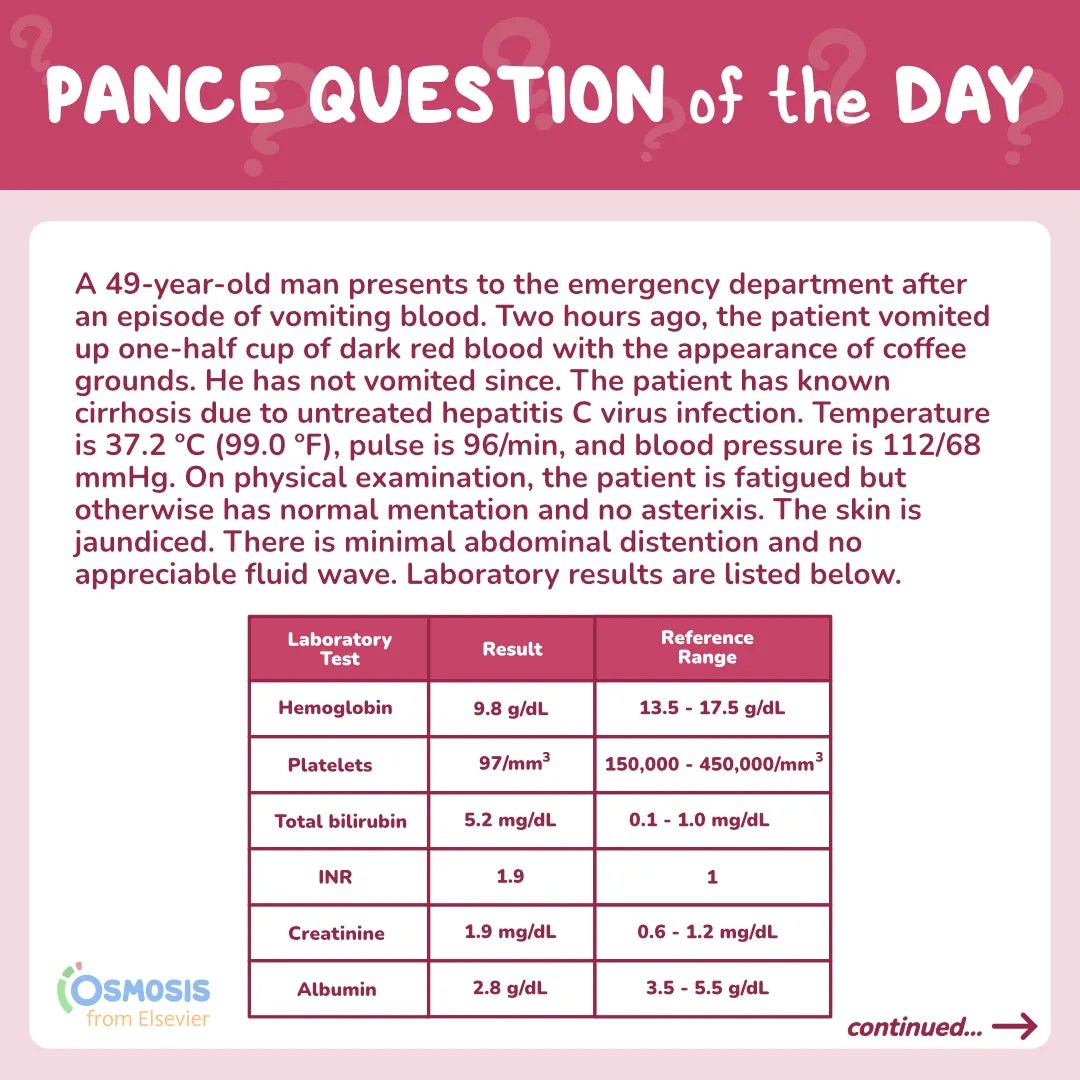
This week, we are sharing another PANCE®-style practice question to test your knowledge of medical topics. Today’s case focuses on a 49-year-old man with cirrhosis and vomiting blood. Explore his symptoms, physical examination findings, and lab results to determine the most appropriate treatment. Learn more about this critical medical scenario. A…
-
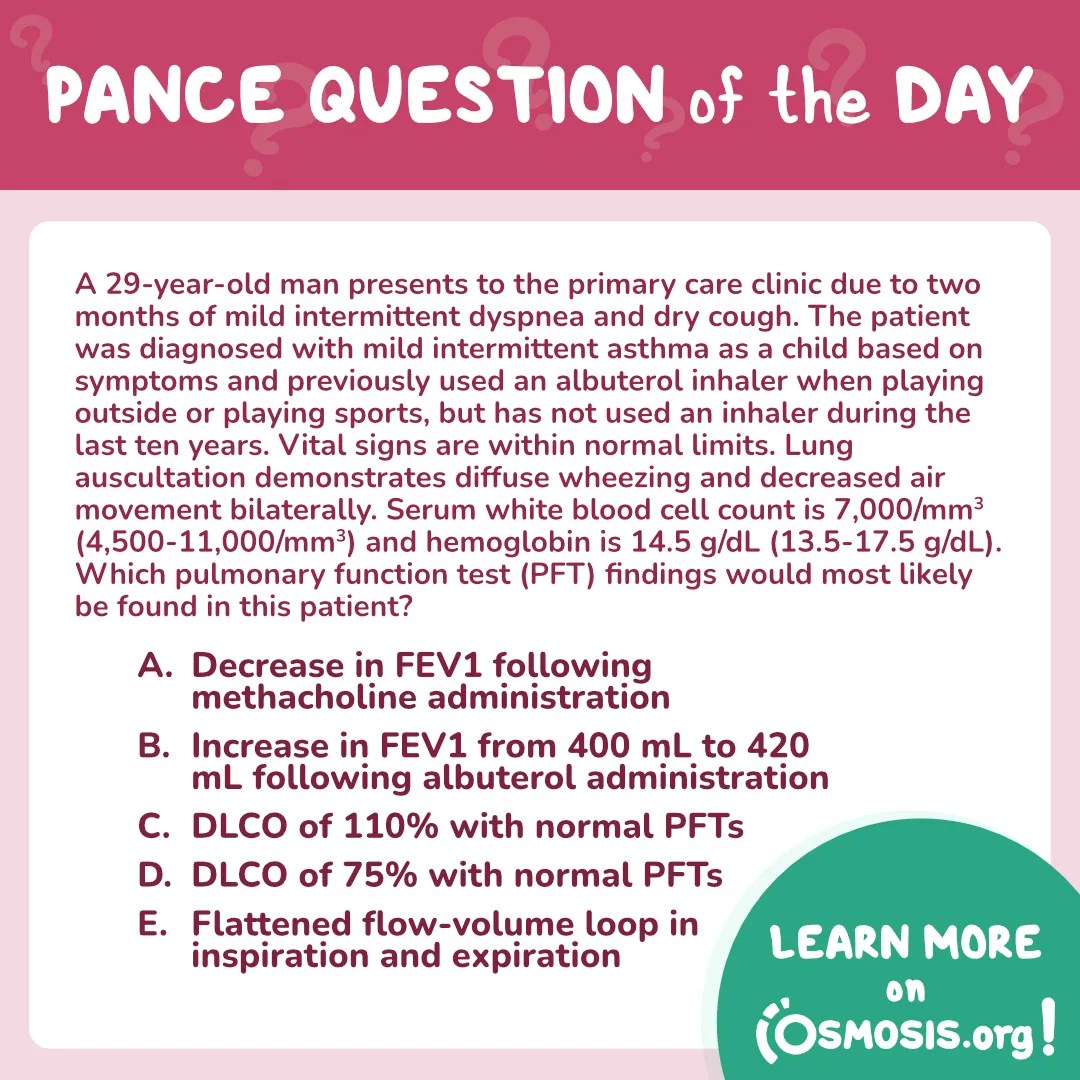
PANCE® Question of the Day: Pulmonary function test (PFT)
— Updated:
Prepare for the PANCE with this comprehensive topic on pulmonary function testing (PFT) in asthma assessment. Follow the case of a 29-year-old man presenting with dyspnea and dry cough, with a history of childhood asthma. Explore the vital signs, lung auscultation, and laboratory findings to determine the most likely PFT…
-
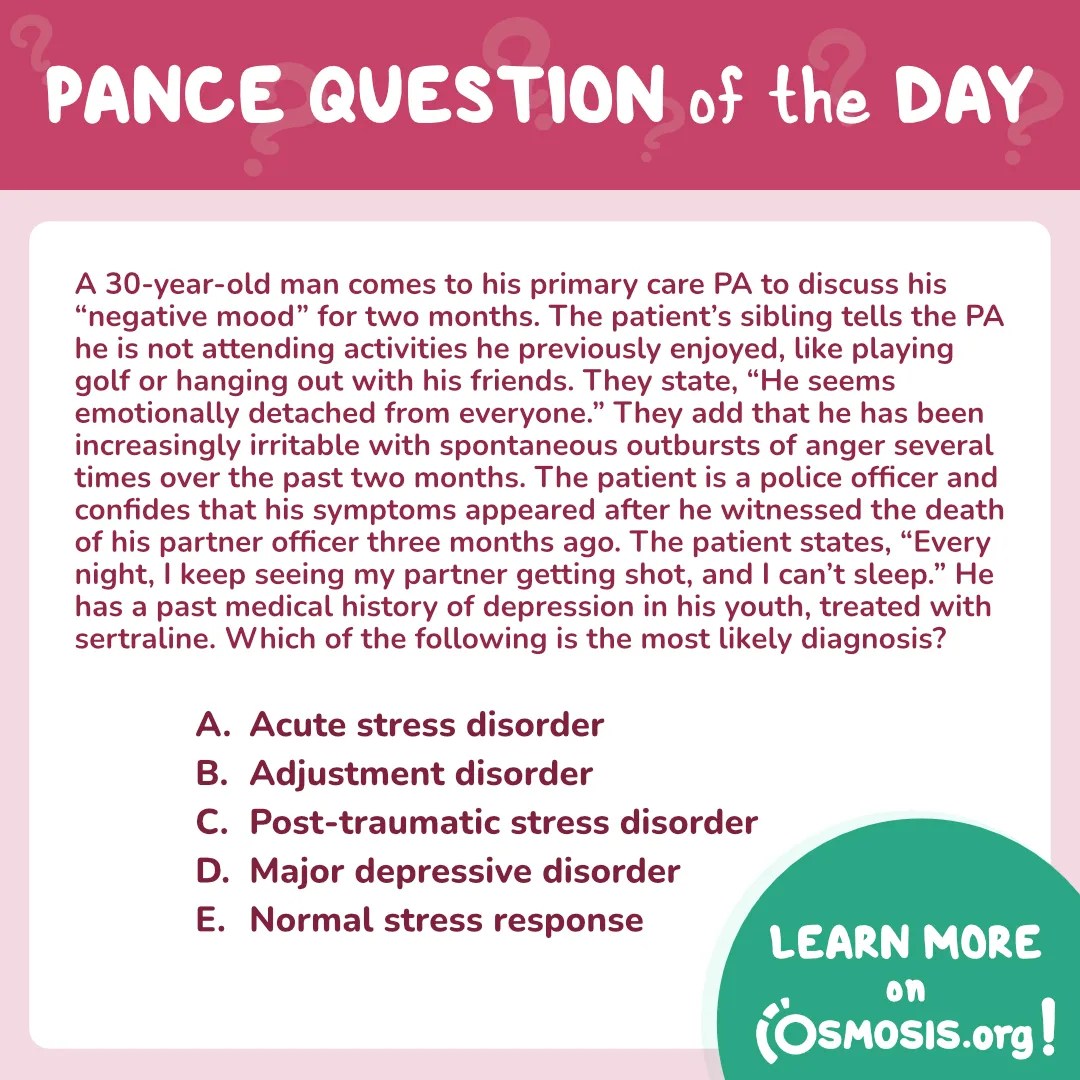
PANCE® Question of the Day: Post-traumatic stress disorder (PTSD)
— Updated:
This week, we are sharing another PANCE® style practice question to test your knowledge of medical topics. Today’s case focuses on a 30-year-old man with a history of depression presents to his primary care PA with symptoms of negative mood, emotional detachment, and irritability following the death of his partner officer.…
-

Active Recall: The Most Effective High-Yield Learning Technique
— Updated:
Are you maximizing your study effectiveness? Many healthcare and medical students rely on familiar methods like rereading text or flashcards without realizing it’s less effective. Discover science-backed study techniques that can improve learning, boost your exam performance, and transform your study habits.
-
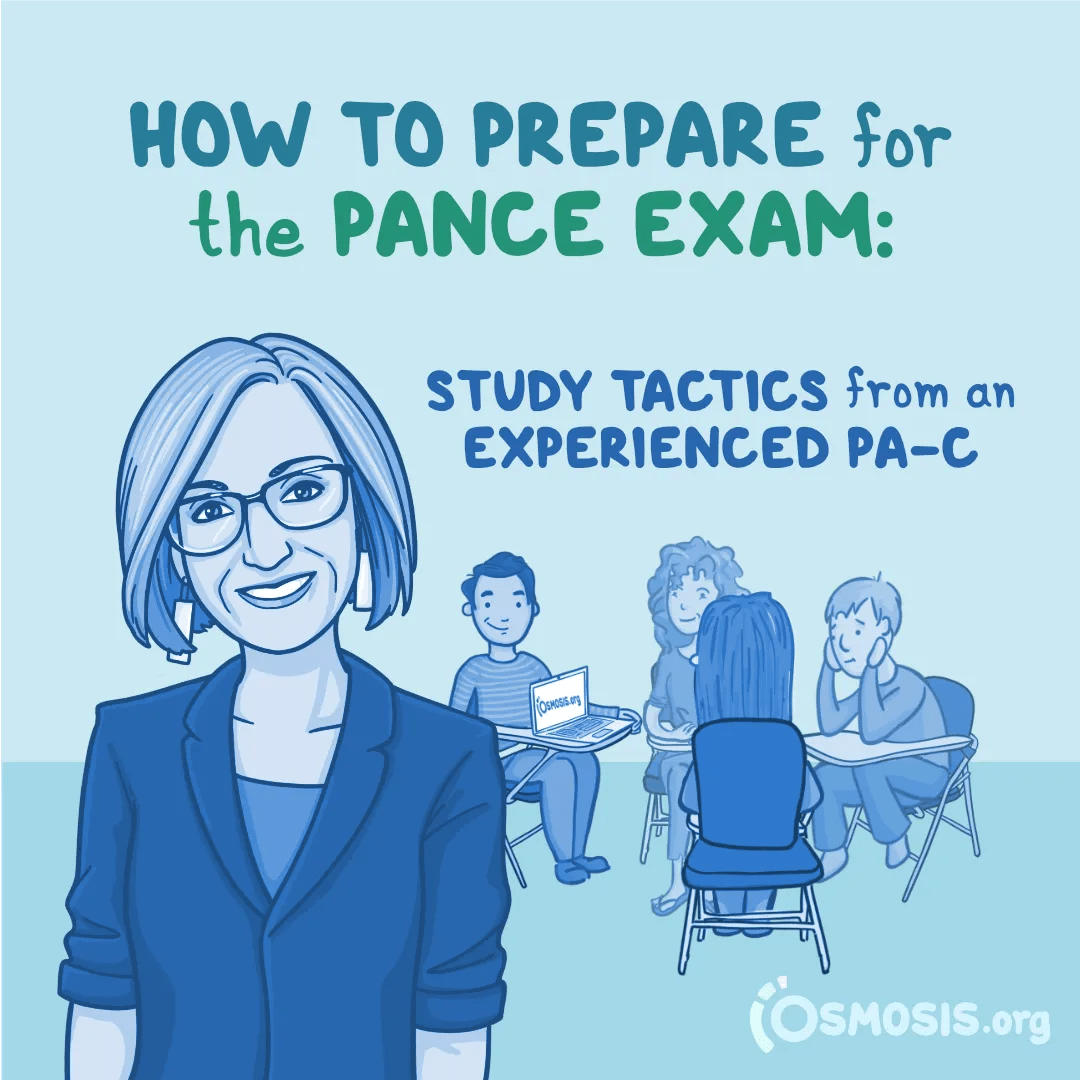
How to Study for the PANCE Exam: Tips from an Experienced PA-C
— Updated:
Passing the PANCE® exam: It’s the last milestone to reach in becoming a full-fledged physician assistant. Pretty exciting, right? But also nerve-wracking, as this transition from student to certified PA is a hurdle of questions: What is the best way to study? How long should you practice? And how do…
-

PANCE® Review Essentials: The Osmosis Ultimate Guide
— Updated:
The PANCE® exam is what stands between a physician assistant student and certification. This five-hour, 300-question exam covers the breadth of content a PA student learns in school. Though it can be challenging to study for the PANCE given the volume of content you’re expected to know, Osmosis has a…