
Tag: USMLE Step 1
-
USMLE® Step 1 Question of the Day: Vortioxetine interaction
— Updated:
A young patient develops rapid-onset agitation, hyperthermia, and rigidity after a medication change. Can you identify the underlying mechanism behind this high-yield clinical scenario?
-
USMLE® Step 1 Question of the Day: Thromboprophylaxis medication
— Updated:
A postoperative patient develops a concerning drop in platelets after starting thromboprophylaxis. Can you identify the drug mechanism behind this clinical scenario?
-

PANCE® Question of the Day: Blue extremities
— Updated:
Learn how to perform a newborn’s rapid assessment, obtain vital signs, and use a structured scoring approach to guide clinical decisions and determine appropriate next steps in care and disposition for optimal newborn outcomes.
-
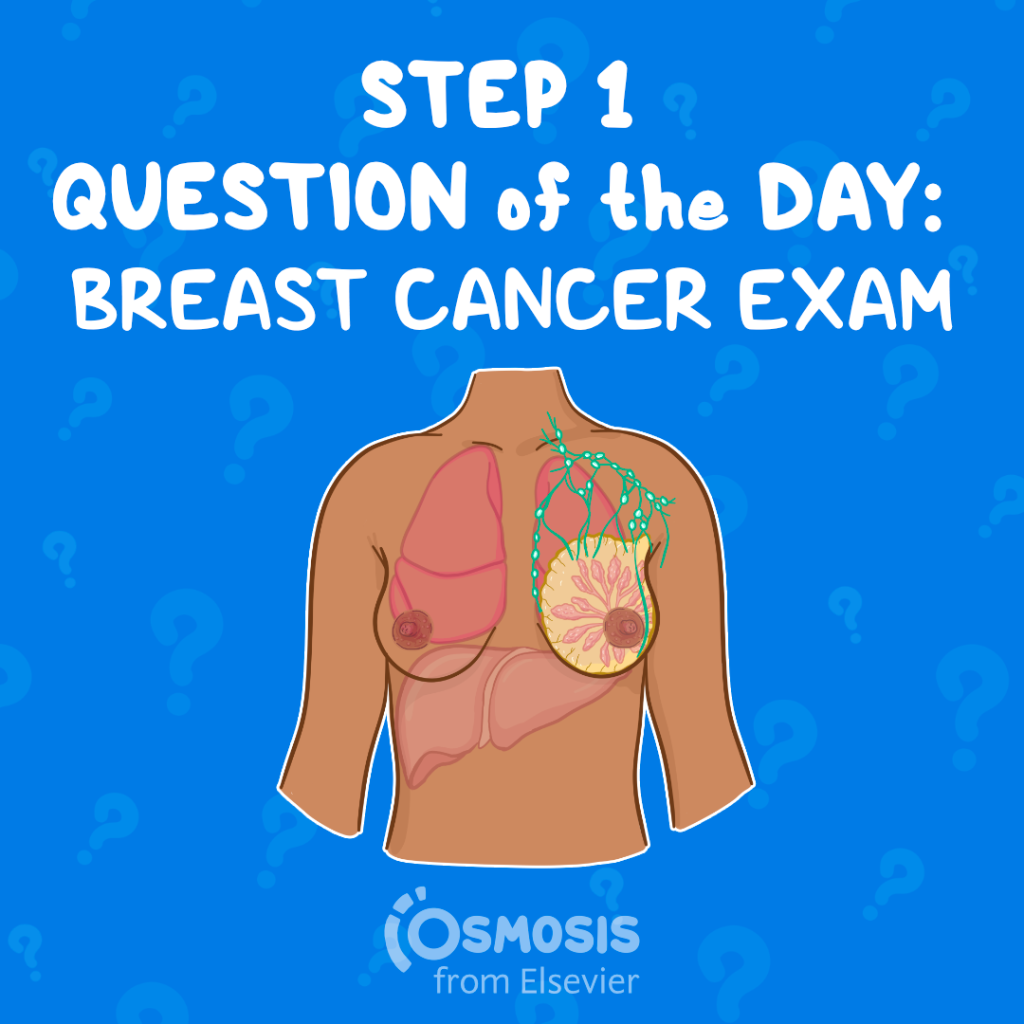
USMLE® Step 1 Question of the Day: Breast cancer exam
— Updated:
A 50-year-old woman presents with a persistent itchy breast rash and skin changes, including peau d’orange, dimpling, nipple retraction, and fixation of the breast. What’s the diagnosis?
-
USMLE® Step 1 Question of the Day: Axillary nerve injury
— Updated:
A 66-year-old man presents with shoulder pain after a fall. Identify which shoulder movements may be limited due to nerve injury in this clinical scenario.
-
USMLE® Step 1 Question of the Day: Endometriosis medication
— Updated:
A 35-year-old woman with endometriosis starts a GnRH agonist. What side effects should clinicians monitor for during continuous therapy?
-
USMLE® Step 1 Question of the Day: Vascular ischemia
— Updated:
Explore a clinical case of acute neurological deficits in an elderly patient, focusing on identifying the affected brainstem vascular territory.
-

What USMLE Step 1 Score Do You Need to Match?
— Updated:
Now that Step 1 is pass/fail, a “good” score means confidently passing and mastering core concepts to excel in clerkships and when taking Step 2 CK. Learn how to assess your readiness.
-
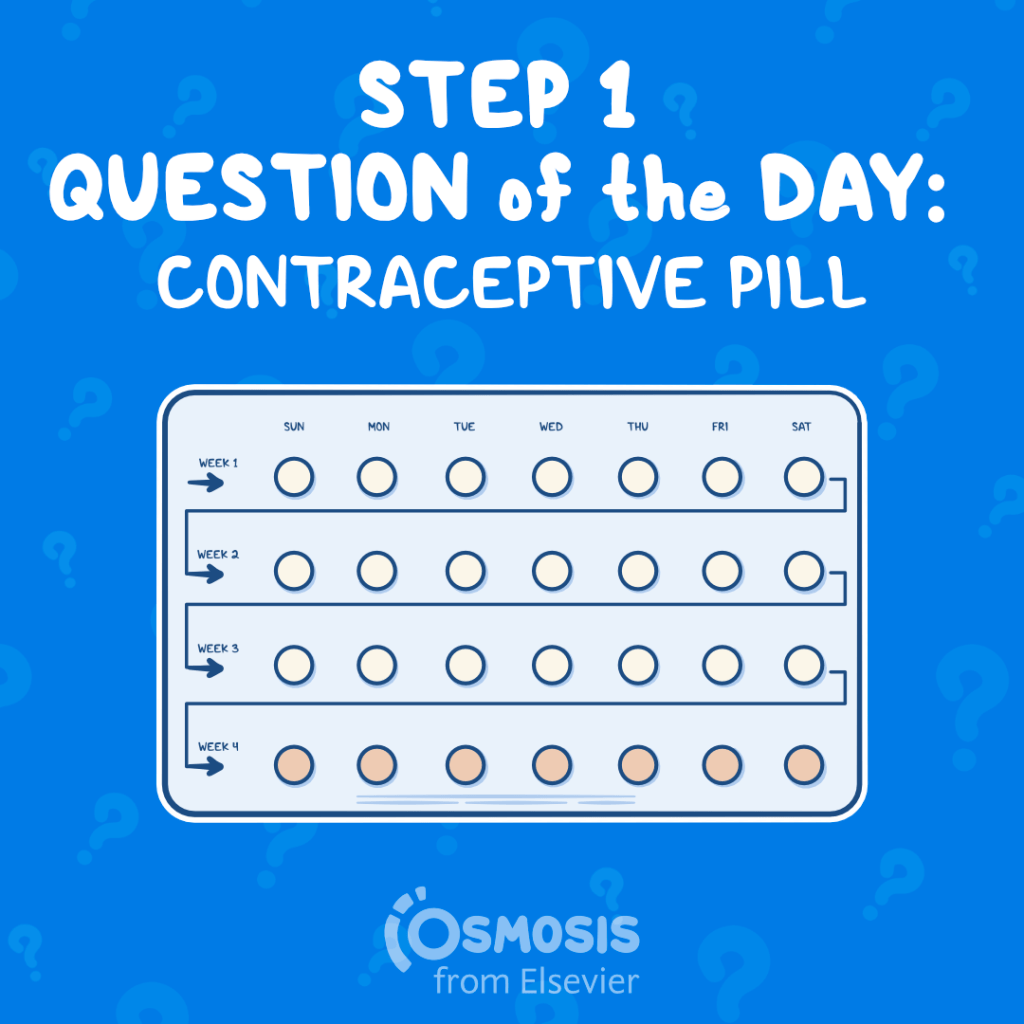
USMLE® Step 1 Question of the Day: Contraceptive pill
— Updated:
Learn the pharmacologic actions of contraceptive pill ingredients and important contraindications for safe use in patient care.
-
USMLE® Step 1 Question of the Day: Dilated bowel loops
— Updated:
A patient with a history of abdominal surgery presents with severe abdominal pain and imaging showing dilated bowel loops. What are the possible causes?
-

USMLE® Step 1 Question of the Day: Muscle spasticity medication
— Updated:
A patient with multiple sclerosis presents with muscle pain and tightness. What medication mechanisms are important to consider in managing her symptoms?
-

The Breakdown of USMLE® Step 1: What You Need to Know
— Updated:
Prepare for USMLE Step 1 with a breakdown of exam content, format, and proven study techniques to boost confidence and performance.
-

Unlocking the Secrets of Osmosis.org: An In-Depth Look
— Updated:
Discover how Osmosis uses proven learning strategies, personalized study schedules, and engaging content to help you ace USMLE Step 1.
-

USMLE® Step 1 Question of the Day: Propofol
— Updated:
Review a Step 1 clinical case on propofol sedation for shoulder dislocation and discover which complication is most associated with this intravenous anesthetic.
-

USMLE® Step 1 Question of the Day: Blurry vision
— Updated:
Test your knowledge with a USMLE Step 1 question on a patient with progressive blurred vision and muscle weakness linked to a mediastinal mass. Which neuromuscular structure is affected?
-

USMLE® Step 1 Question of the Day: Quadruple test
— Updated:
A pregnant patient’s quadruple test shows abnormal markers. Which fetal condition is most likely associated with these results?
-

USMLE® Step 1 Question of the Day: Cognitive decline
— Updated:
An older woman presents with fluctuating cognition, visual hallucinations, and parkinsonism. What diagnosis best explains her symptoms?
-

USMLE® Step 1 Question of the Day: Systolic ejection murmur
— Updated:
Aortic stenosis produces a classic crescendo-decrescendo systolic ejection murmur best heard at the right second intercostal space. Learn key auscultation sites for cardiac murmurs.
-

USMLE® Step 1 Question of the Day: Left heart failure
— Updated:
A patient with left heart failure presents with shortness of breath and an S3 gallop. Learn how increased pulmonary venous pressure causes pulmonary edema and related symptoms.
-

USMLE® Step 1 Question of the Day: Schizophrenia
— Updated:
Explore a challenging USMLE® Step 1-style question highlighting the dopamine pathways involved in schizophrenia and the origins of auditory hallucinations.
-

USMLE® Step 1 Question of the Day: Chancroid
— Updated:
Today’s USMLE Step 1 case explores what’s causing a chancroid with multiple painful genital ulcers in a 28 year old male patient visiting his primary care doctor.
-

USMLE® Step 1 Question of the Day: Thyroid Surgery Complications
— Updated:
Enhance your USMLE® Step 1 exam preparation with a clinical case. A patient develops voice changes after thyroid surgery. Learn which nerve injury is most likely and how it presents clinically.
-

USMLE® Step 1 Question of the Day: Altered Mental State
— Updated:
Analyze Swan-Ganz catheter hemodynamics in a critically ill patient with elevated PCWP and SVR, low cardiac index, and low SvO2. What’s the cause?
-

USMLE® Step 1 Question of the Day: Acute Chest Pain with Diabetes and Hypertension
— Updated:
A 60-year-old with chest pain and ECG changes shows LAD artery occlusion. Learn why endothelial cell injury is the first step in atherosclerosis causing myocardial infarction.
-

How To Choose Your Medical Specialty
— Updated:
Find out how a 4th-year med student approaches choosing a medical specialty by balancing USMLE scores, personal strengths, and career goals for residency success.
-

My Step 1 Experience, Dr. George Koshy
— Updated:
Learn how a medical student used a 3-month integrated study plan with trusted resources and daily checklists to prepare effectively for the USMLE® Step 1 exam