Alström Syndrome · What It Is, Causes, Signs and Symptoms, and More

Published: Mar 30, 2026
Author: Ashley Mauldin, MSN, APRN, FNP-BC, CNE
Editor: Ian Mannarino, MD, MBA
Editor: Kelsey LaFayette, DNP, ARNP, FNP-C
Illustrator: Abbey Richard, MSc
7-day free trial

Go deeper with Osmosis

Osmosis is a learning platform with videos, questions, and AI tools to help you master topics like this.

4.8 · 12,000+ reviews
Watch quick, visual videos
Practice with Qbank-style questions
Use AI to explain, quiz, and review
Study anytime with the mobile app
Start free trial

No credit card · Cancel anytime

What is Alström syndrome?

Alström syndrome is a rare genetic condition characterized by progressive vision and hearing loss, cardiomyopathy, obesity, type 2 diabetes mellitus, as well as numerous other conditions affecting multiple organ systems. Alström syndrome tends to present differently from person to person but can often lead to fatal conditions (e.g., heart and kidney failure). Early diagnosis and intervention are key in helping prevent complications, increasing the quality of life, and increasing life expectancy.  

Learn deeper with Osmosis

Master this topic faster with videos, questions, and AI.

Used by 8M+ healthcare learners.

Start free trial

No credit card · Cancel anytime

What causes Alström syndrome?

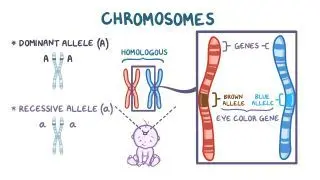
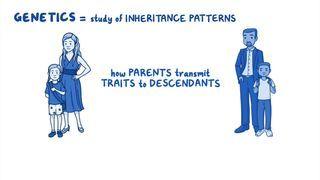
Alström syndrome is an autosomal recessive genetic disorder caused by mutations in the Alström syndrome 1 gene (ALMS1 gene), which is responsible for encoding the protein known as ALMS1. With an autosomal recessive disorder, the affected individual must receive a mutated gene from each parent to manifest Alström syndrome. The ALMS1 protein is present throughout the entire body, however, the exact role that it plays is not currently known. There is some thought that mutations in the ALMS1 gene cause abnormalities in ciliary function, cell cycle, and transportation within the cell. Dysfunction of the cilia, or the hairlike structures found on the surface of the cell, is thought to be the cause of the complications that can occur with Alström syndrome.  

What are the signs and symptoms of Alström syndrome?

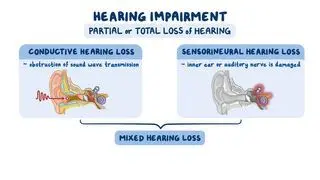
Signs and symptoms of Alström syndrome depend on the severity of the condition and the body systems affected. In general, symptoms usually develop during infancy or childhood, and progressively worsen throughout one’s life. Sensory deficits are a common finding in children with Algröm syndrome and can include vision changes, like cone-rod dystrophy, which is when the cones and rods in the retina start to deteriorate causing vision loss; photophobia, or light sensitivity; and nystagmus, or abnormal rapid eye movements. Usually, vision changes will present soon after birth with complete blindness usually occurring by the second decade of life. Hearing changes can also occur with Alström syndrome, specifically, sensorineural hearing loss, which can be progressive and can affect both ears 

Patients with Alström syndrome may also have issues with chronic inflammation and infections of the middle ear, also known as otitis media. Individuals may experience conductive hearing loss related to the build-up of sticky ear fluid behind the eardrum, also known as adhesive otitis media or more colloquially, glue ear. Other chronic infections may involve both the respiratory and the urinary tracts. 

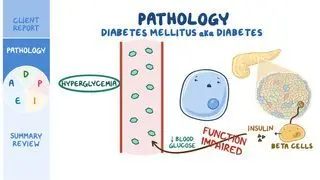
Patients with Alström syndrome often present with clinical manifestations that are caused by endocrine abnormalities, like hypertriglyceridemia, abnormal bone growthobesity, insulin resistance, and type 2 diabetes mellitus. Before puberty, children are noted to have rapid growth and typically present at heights above the 50th percentile for the age; however, early growth velocity tends to decline with age, resulting in short stature in adulthood. Obesity, or more specifically, truncal obesity, is a fat buildup in the abdomen and is a common characteristic of Alström syndrome that is seen during childhood. Insulin resistance and diabetes can occur with Alström syndrome related to the body's inability to use insulin and glucose correctly. Additionally, patients with Alström syndrome can also develop acanthosis nigricans, which is a skin condition related to insulin resistance, resulting in hyperpigmentation and a thickened appearance. Another endocrine abnormality is hypogonadism, which may be seen in both males and females, though is more common in males.  

Individuals may also experience organ system dysfunction involving the heart, liver, and kidneys. Dilated cardiomyopathywhich is an enlarged heart muscle that has difficulty pumping, can occur with Alström syndrome. This can eventually lead to congestive heart failure, where the heart is unable to pump blood to meet the demands of the body’s tissues. Hepatic disease may present initially with clinically silent elevations in transaminases (i.e., AST, ALT) and steatosis, proceeding to significant fibrosis, cirrhosis, portal hypertension, esophageal varices, hepatic encephalopathy, and end-stage liver disease. Finally, renal failure and liver failure can occur later in life as a result of glomerulosclerosis.  
How is Alström syndrome diagnosed?

Alstrom syndrome is usually suspected based on clinical manifestations, however, molecular genetic testing is required for confirmation. The presence of two mutated alleles, which are mutated versions of genes, or one mutated ALMS1 allele along with four clinical manifestations is usually considered a positive indication for Alström syndrome. Diagnosing Alstöm syndrome may be difficult due to the delayed onset of some clinical manifestations.  

Usually, a variety of other tests will be performed to rule out other possible conditions, like various mitochondrial disorders and early-onset severe retinal dystrophy. These can include eye tests, like an electroretinogram (ERG), which can visualize any changes to the retina, and an electrooculogram (EOG), which can assess retinal function. Other exams like an electrocardiogram (ECG), as well as blood tests, can be completed to help differentiate other heart and endocrine disorders from Alström syndrome. Hearing tests will also usually be performed and usually include audiometry.  

How is Alström syndrome treated?

There is no current cure for Alström syndrome, and therefore current therapies are usually aimed at treating the underlying symptoms and are managed by a variety of healthcare professionals, which can include a pediatrician, cardiologist, ophthalmologist, endocrinologist, and audiologist. In children presenting with visual changes, early intervention with eye mobility training, and the use of vision aids, like magnifiers, night vision devices, and specialty glasses may be recommended. For hearing losscochlear implants and hearing aids can be recommended. Lifestyle modifications including following an approved dietary plan along with increased daily activity can be helpful in managing obesity, insulin resistance, and type 2 diabetes mellitus. Oral medications, like metformin, or insulin may be recommended in those individuals whose blood glucose levels aren’t controlled by diet and exercise alone. With any cardiac symptoms, oral medications like lisinopril, an ACE inhibitor, or furosemide, a diuretic, may be recommended to help the heart pump more effectively and remove any excess fluid.  

What are the most important facts to know about Alström syndrome?

Alström syndrome is a rare genetic condition characterized by the progressive development of vision and hearing loss, cardiomyopathy, obesity, type 2 diabetes mellitus, as well as numerous other conditions. Early diagnosis and intervention are key in helping prevent complications and increasing the quality of life for those with Alstrom syndrome. Alström syndrome is usually recognized through clinical manifestations, however, diagnosis through molecular genetic testing is required for confirmation. There is currently no curative treatment for Alström syndrome. Current therapies are usually aimed at managing symptoms. 

Key Takeaways

Definition 

Alström syndrome is a rare genetic condition characterized by progressive vision and hearing loss, cardiomyopathy, obesity, type 2 diabetes mellitus, as well as numerous other conditions affecting multiple organ systems, often leading to fatal conditions 

Causes 

 - Autosomal recessive inheritance 

 - ALMS1 gene mutation  

 - ALMS1 protein: unknown function  

 - Probably involved in ciliary function, cell cycle, transportation within cells  

 - Ciliary dysfunction → complications related to the condition  

Signs and Symptoms 

 - Develop in infancy/childhood, progressively worsen 

 - Sensory deficits:  

 - Vision changes (cone-rod dystrophy, photophobia, nystagmus, eventually complete blindness) 

 - Hearing changes (sensorineural hearing loss) 

 - Chronic (adhesive) otitis media 

 - Infections of respiratory and urinary tracts  

 - Endocrine abnormalities: hypertriglyceridemia, abnormal bone growth, truncal obesity, insulin resistance, T2DM, hypogonadism  

 - Dilated cardiomyopathy congestive heart failure  

 - Hepatic disease (steatosis, cirrhosis, liver failure) 

 - Glomerulosclerosis → renal failure  

Diagnosis 

 - Clinical presentation  

 - Molecular genetic testing (confirmation)  

 - Other tests to rule out alternative diagnoses (eye and hearing tests; ECG; blood tests)  

Treatment 

 - No curative treatment  

 - Symptoms management (multidisciplinary team 

 - Visual changes: eye mobility training, vision aids 

 - Hearing loss: cochlear implants, hearing aids  

 - Obesity, insulin resistance, T2DM: lifestyle modifications +/– oral medications (metformin, insulin 

 - Cardiac symptoms: ACE inhibitors, diuretics  

Students say Osmosis is 100% worth it

Because Osmosis saves them time. Lowers stress. And actually helps them remember when it counts.

I used Osmosis to prepare for my first medical school licensing exam! Super helpful and interactive for people who may not do great with just pages of text info!

Cecilia Ruiz

Cecilia Ruiz

MD student

Sayan Misra

I have used Osmosis for about four years. Best thing I have ever used for my medical studies.

Sayan Misra

Sayan Misra

Med student

Osmosis videos are superior because they define simple concepts, tell a story with a clear progression, and provide context.

Jay Pate

Jay Pate

Dental student

References


Alström Syndrome. American Academy of Ophthalmology. Published August 26, 2016. Accessed December 19, 2023. https://www.aao.org/education/disease-review/alstr%C3%B6m-syndrome 


Marshall J, Maffei P, B. Collin G, K. Naggert J. Alstrom syndrome: Genetics and clinical overview. Current Genomics. 2011;12(3):225-235. doi:https://doi.org/10.2174/138920211795677912 


Marshall JD, Maffei P, Beck S, Barrett TG, Paisey R, Naggert JK. Clinical utility gene card for: Alström Syndrome - update 2013. European Journal of Human Genetics. 2013;21(11):3-4. doi:https://doi.org/10.1038/ejhg.2013.61 


National Organization for Rare Disorders. rarediseases.org. https://rarediseases.org/?s=&rdb-search=true&post_type%5B%5D=rare-diseases&post_type%5B%5D=gard-rare-disease 


Roy Choudhury A, Munonye I, Sanu KP, Islam N, Gadaga C. A review of Alström syndrome: a rare monogenic ciliopathy. Intractable & Rare Diseases Research. 2021;10(4):257-262. doi:https://doi.org/10.5582/irdr.2021.01113 


What is Alström Syndrome? – Alstrom Syndrome International. Accessed December 19, 2023. https://www.alstrom.org/what-is-alstrom-syndrome/