-

USMLE® Step 1 Question of the Day: Intraperitoneal free fluid
— Updated:
—
A 26-year-old trauma patient with left shoulder pain, abdominal tenderness, and free fluid on FAST suggests splenic laceration. Recognize signs for timely management.
-
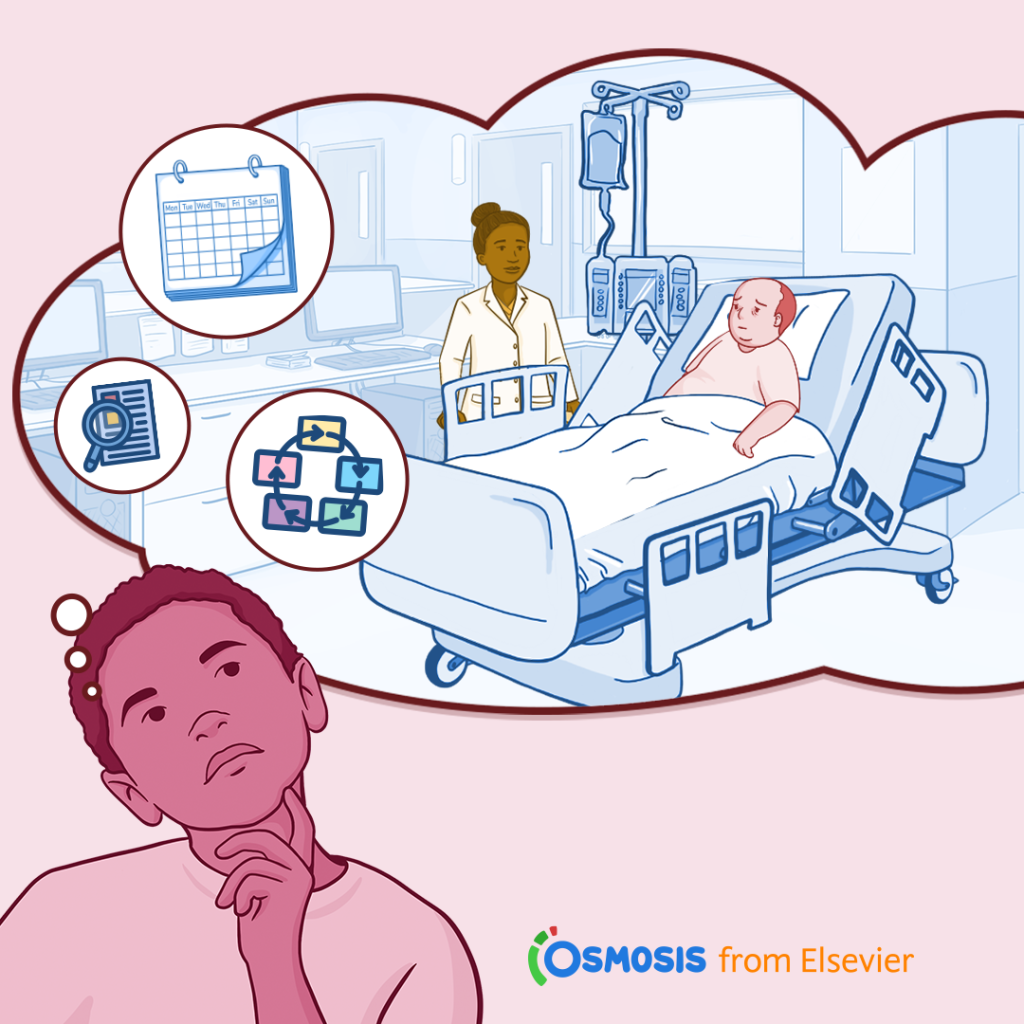
Easy Ways to Integrate Active Recall and Spaced Repetition into Your Curriculum
— Updated:
—
Healthcare students don’t struggle from lack of effort; they struggle from ineffective study habits. Active recall and spaced repetition shift learning from passive review to durable understanding, helping students retain information, apply knowledge clinically, and study more efficiently in high-stakes medical training environments.
-

NCLEX-RN® Question of the Day: Sexual orientation
— Updated:
—
Understand sexual orientation basics and correct terminology to provide respectful, informed care to diverse patients in nursing practice.
-

Fellowships Made Simple: From Application to Acceptance
— Updated:
—
Thinking about medical fellowships? This guide breaks down the application process, helps you assess fit beyond prestige, and shares practical tips to choose a program where you’ll grow, feel supported, and thrive.
-

USMLE® Step 2 CK Question of the Day: L&D triage
— Updated:
—
A pregnant patient with contractions and minimal cervical dilation requires careful evaluation. Measuring cervical length via endovaginal ultrasound is key to distinguishing preterm labor.
-

What You Need to Study Medicine Effectively
— Updated:
—
Studying medicine isn’t about memorization. Discover what truly effective learning platforms do to build clinical reasoning, retention, and real-world patient care skills.
-

NCLEX-RN® Question of the Day: Laparoscopic cholecystectomy
— Updated:
—
Effective discharge teaching after laparoscopic cholecystectomy covers lifting restrictions, incision care, expected drainage, and dietary advice to promote healing and prevent complications.
-
NCLEX-LPN® Question of the Day: Bed wetting
— Updated:
—
An 8-year-old with new bedwetting requires evaluation for recent life stressors and other causes. Understanding factors behind secondary enuresis guides nursing care.
-

The Science of Rest & Recovery: Why Healthcare Learners Need Downtime (and How to Actually Take It)
— Updated:
—
Healthcare training rewards endurance, but biology tells a different story. Learning does not improve by pushing endlessly. It improves when stress and recovery are balanced. Understanding how rest supports cognition, memory, and emotional resilience may be the most overlooked study strategy in healthcare education.
-
PANCE® Question of the Day: Hemoptysis
— Updated:
—
A 45-year-old with productive cough, hemoptysis, and systemic symptoms presents with cavitary lung lesions. Recognize key clinical and imaging features to guide diagnosis.
-
USMLE® Step 1 Question of the Day: Antipsychotic medication
— Updated:
—
A patient with schizophrenia develops involuntary movements after antipsychotic treatment. Learn which medication carries the highest risk and how atypicals are named.
-
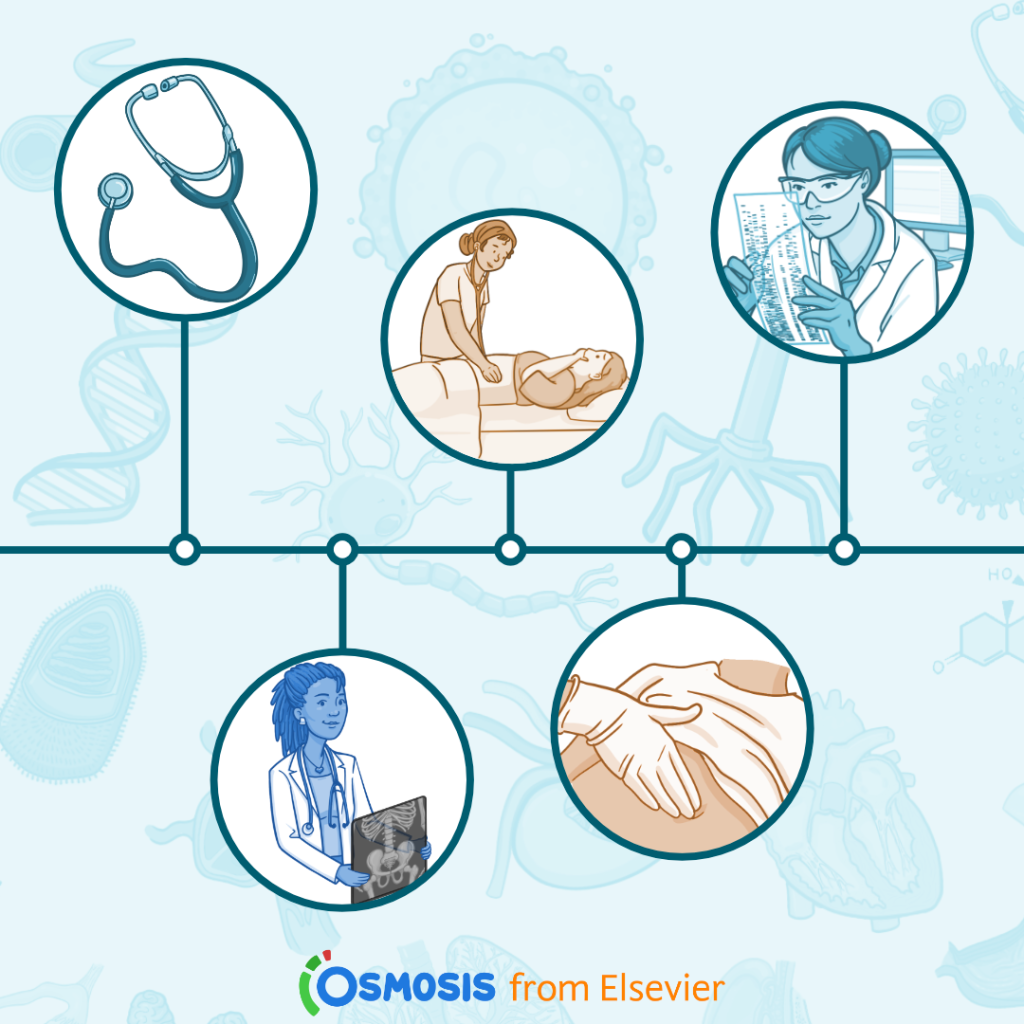
A History of Internal Medicine: From Physical Exams to Precision Medicine
— Updated:
—
Trace internal medicine’s journey from bedside exams by candlelight to cutting-edge precision care. Discover how pioneers and technology shaped this vital specialty.
-
NCLEX-RN® Question of the Day: Risk management
— Updated:
—
A medication safety error occurs when a nurse omits barcode scanning, causing patient harm. Understand the legal implications and terminology involved in nursing practice.
-
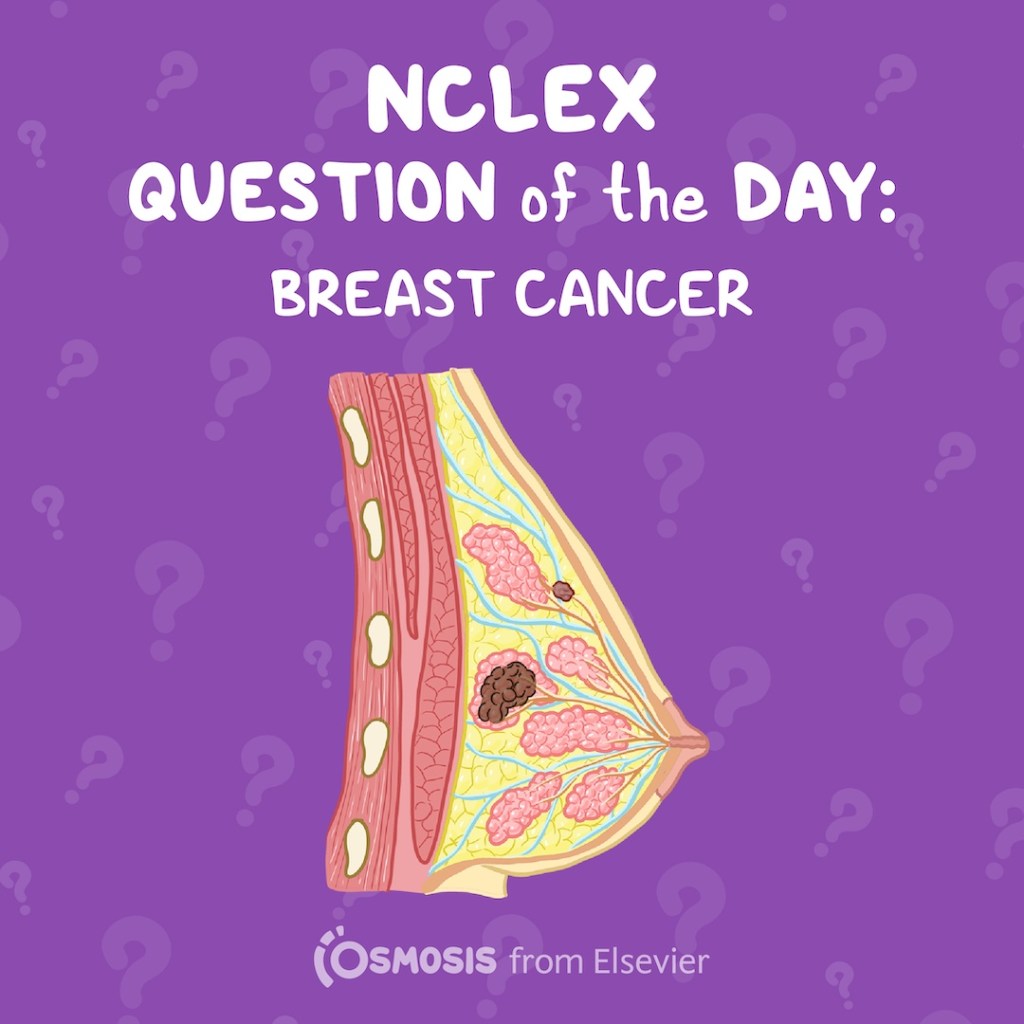
NCLEX-RN® Question of the Day: Breast cancer
— Updated:
—
What does it mean when abnormal breast cells cross the thin barrier that once contained them? Explore the pivotal microscopic change that marks a shift in tumor behavior, and why it matters for diagnosis and care.
-
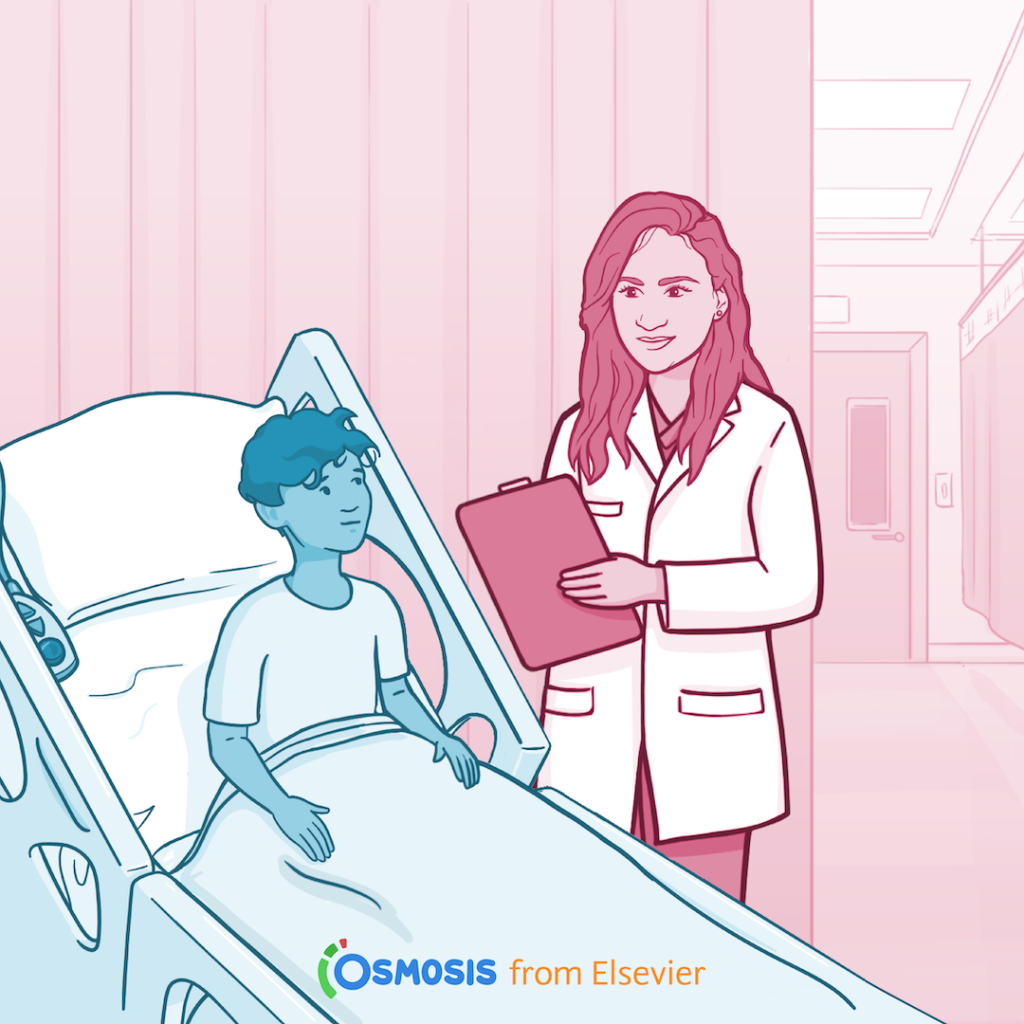
Stories of Gratitude: What Patients Taught Me
— Updated:
—
A pediatric case initially thought to be diabetic ketoacidosis reveals a rare cause after thorough history-taking, highlighting the importance of clinical curiosity and listening.
-
USMLE® Step 2 CK Question of the Day: Persistent eczema
— Updated:
—
A child presents with eczema, frequent infections, and lab abnormalities. Recognizing key clinical signs is essential for diagnosing primary immunodeficiency syndromes.
-

Preparing Students for a Successful Return After the Winter Break
— Updated:
—
Support students returning from winter break with practical tips for regaining momentum, refreshing knowledge, setting goals, and fostering well-being in medical training.
-

NCLEX-RN® Question of the Day: Endocrinology
— Updated:
—
Explore key risk factors influencing diabetes development for this retired long-haul truck driver with obesity and hypertension.
-

Small Habits, Big Impact: A Simple Reset Guide for the New Year
— Updated:
—
Discover simple, effective ways to improve focus and resilience during demanding healthcare training. Small daily actions build confidence and maintain motivation.
-

Guess the Rhythm: Atrial flutter
— Updated:
—
Atrial flutter is a fast, abnormal heart rhythm with characteristic sawtooth waves on ECG. Learn to recognize atrial flutter’s unique features and its effects on heart pumping efficiency.
-
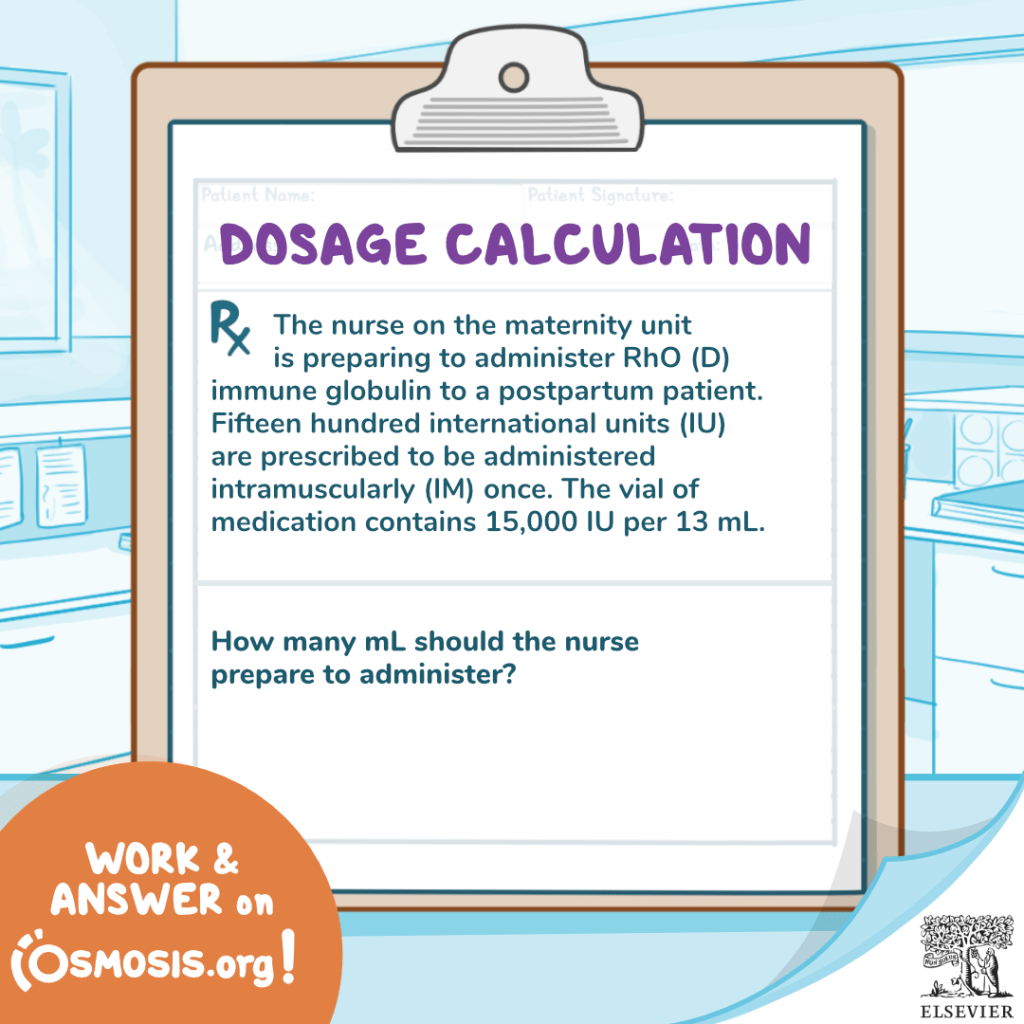
Dosage Calculation: RhO (D) immune globulin
— Updated:
—
Master dosing calculations for RhO (D) immune globulin in postpartum care. Understand how to convert IU to milliliters to ensure safe and accurate medication administration.
-

USMLE® Step 1 Question of the Day: Class I antiarrhythmics
— Updated:
—
A patient with arrhythmia after myocardial infarction receives a medication that alters phase 0 depolarization. Explore how this drug modulates cardiac electrical activity.
-
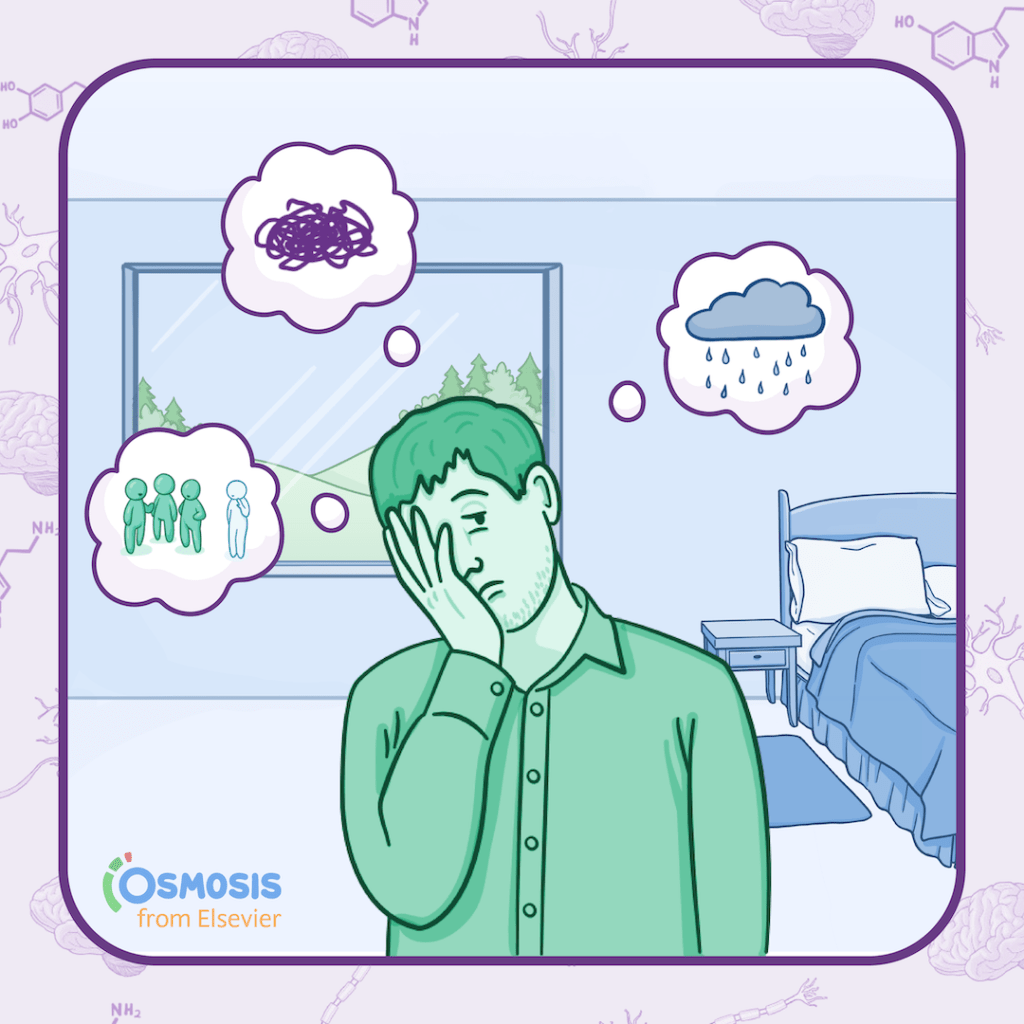
Understanding Illness Anxiety Disorder: A helpful guide for health professionals
— Updated:
—
Illness Anxiety Disorder (formerly known as hypochondria) causes persistent fear of serious illness despite normal tests. Discover causes, diagnosis, and management strategies to support affected patients.
-
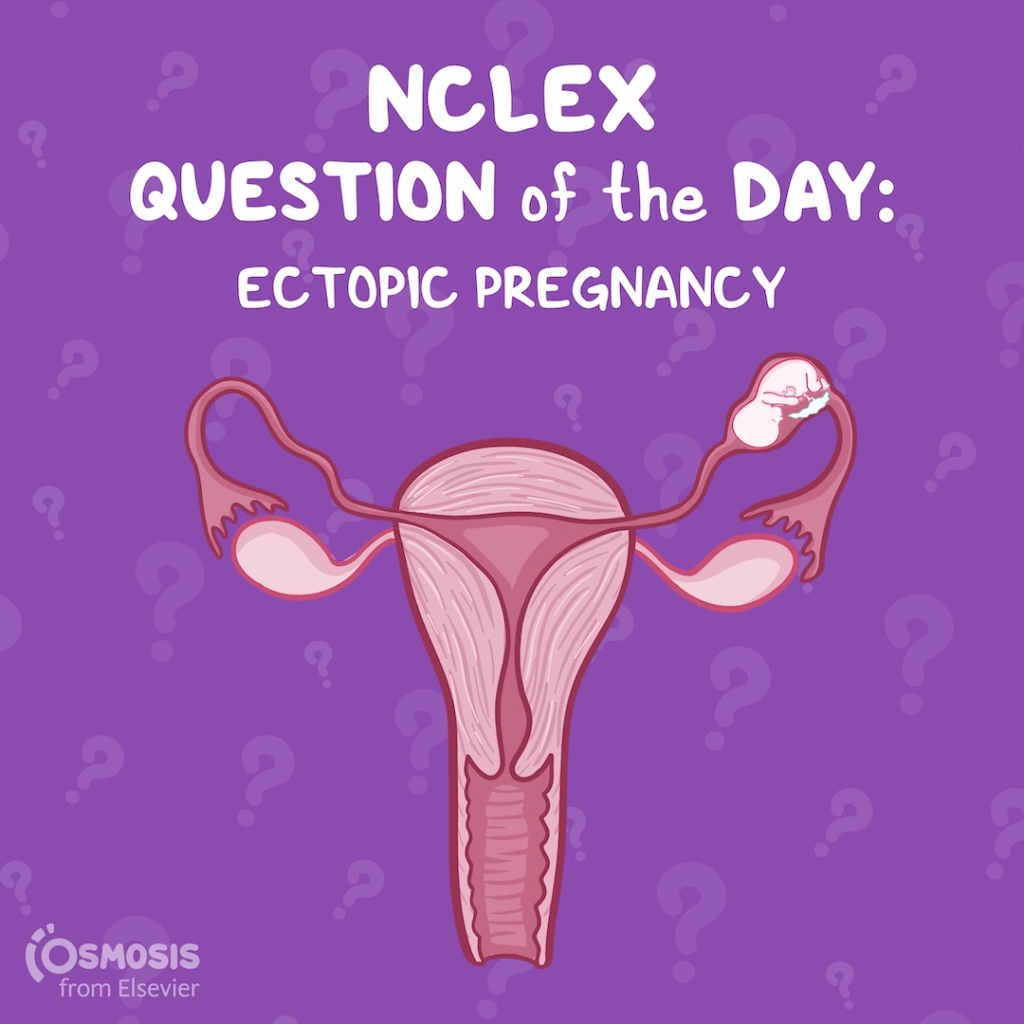
NCLEX-RN® Question of the Day: Ectopic pregnancy
— Updated:
—
When ectopic pregnancy is suspected, confirming pregnancy with the right test is crucial. Discover how beta human chorionic gonadotropin (β-hCG) assists in diagnosis and management.
-

How Marsha Linehan’s Struggle with BPD Led to DBT and a New Way to Heal
— Updated:
—
Explore Marsha Linehan’s journey from living with BPD to developing Dialectical Behavior Therapy (DBT), a therapy combining acceptance and change to heal emotional pain.
-

NCLEX-RN® Question of the Day: Second-Degree Heart Block
— Updated:
—
Learn how certain medications can lead to second-degree heart block, particularly in patients with kidney impairment.
-
How to Manage Your Stress and Prevent Burnout at the End of Term
— Updated:
—
Healthcare training is demanding and burnout is common, but manageable. Discover effective stress management techniques, self-care habits, and when to seek support to thrive during your studies.
-
USMLE® Step 2 CK Question of the Day: Erratic movements
— Updated:
—
A patient presents with psychosis and unusual movements. Discover how family history and other factors may increase risk for certain hereditary neurological disorders.
-
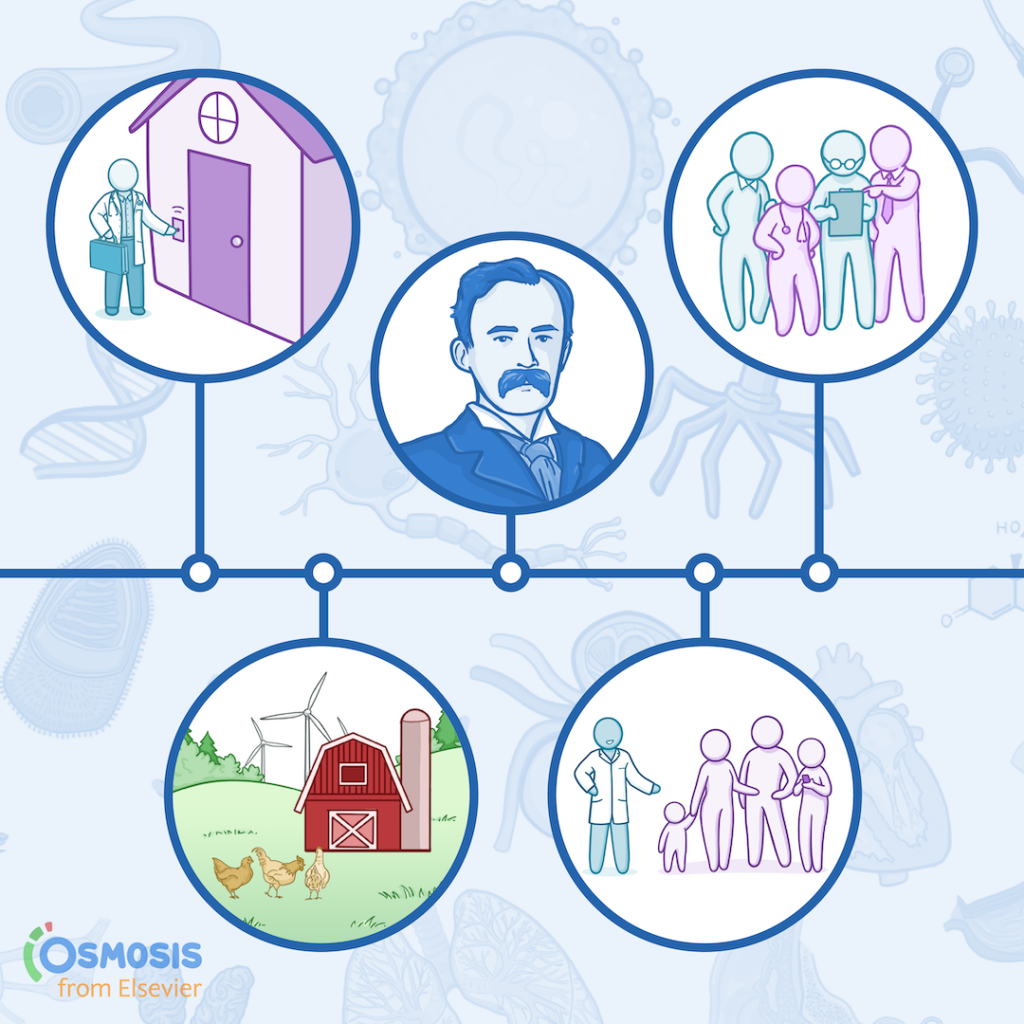
A History of Family Medicine: From Country Doctors to Coordinated Care
— Updated:
—
Journey through family medicine’s transformation, ranging from horse-drawn house calls to today’s coordinated, tech-enhanced care, highlighting pioneers, challenges, and future directions.
-
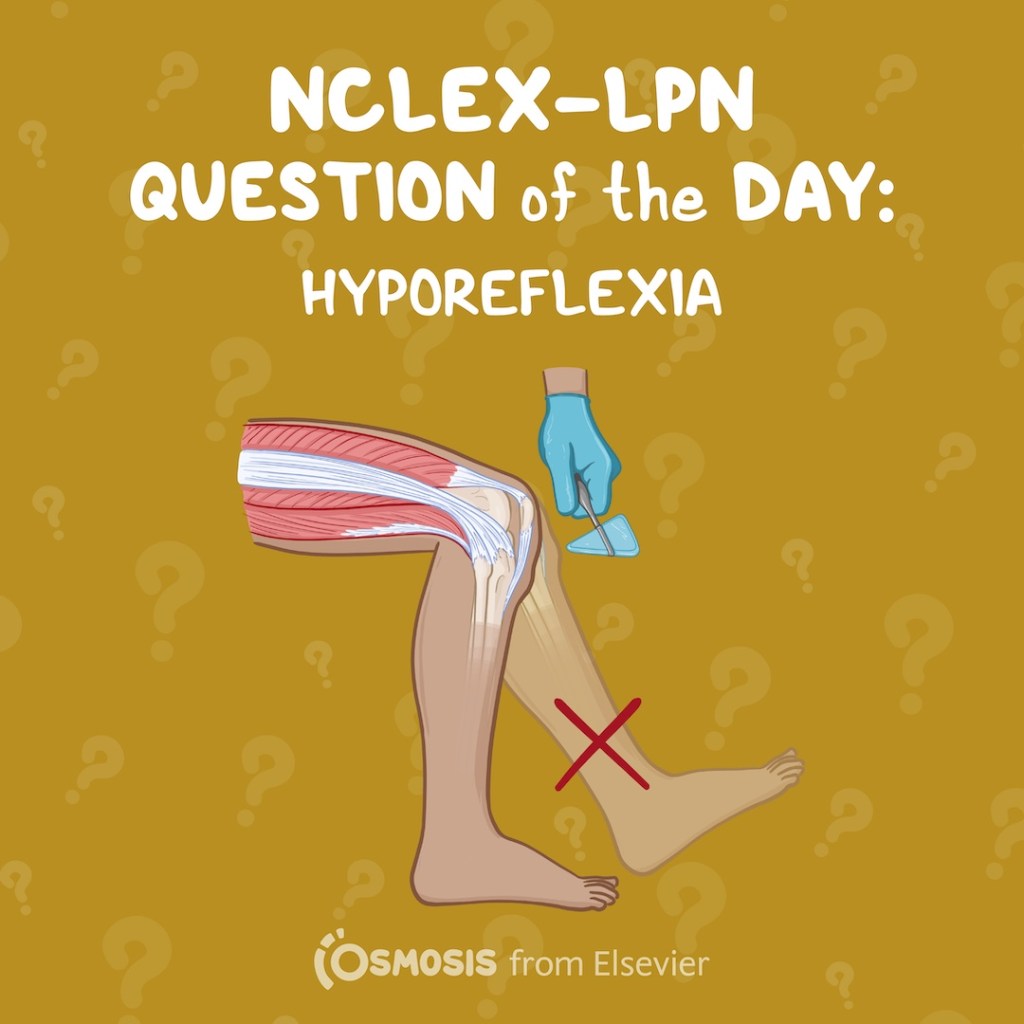
NCLEX-LPN® Question of the Day: Hyporeflexia
— Updated:
—
Explore how abnormal calcium levels can affect neuromuscular function. Learn which calcium values might cause hyporeflexia and muscle weakness in patients.
-

Residency Interviewing Tips: How to Prepare and Impress Program Directors
— Updated:
—
Get ready to ace your residency interviews! Learn how to prepare your story, present confidently, and reflect effectively to connect with program directors and stand out.
-
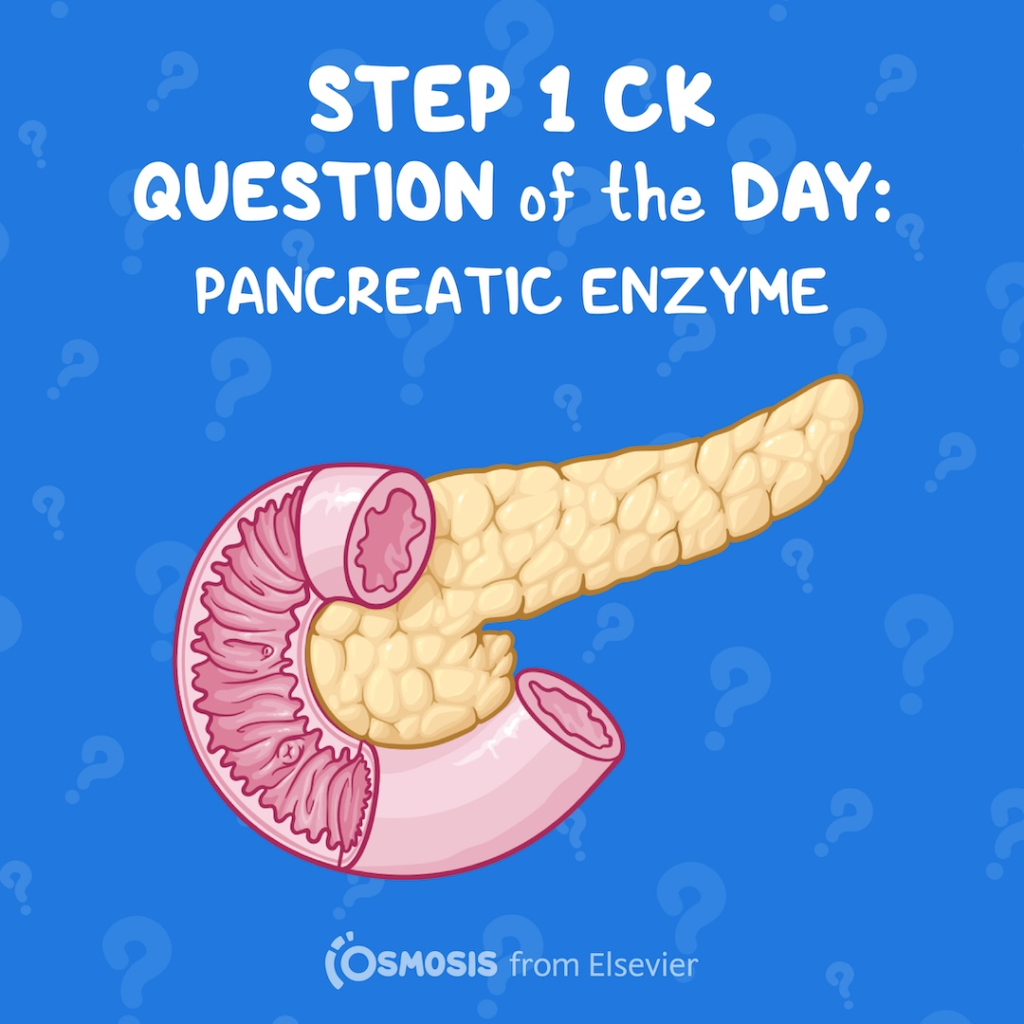
USMLE® Step 1 Question of the Day: Pancreatic enzyme
— Updated:
—
MODY type 2 arises from a defect in a pancreatic enzyme crucial for glucose sensing. Discover the distinctive characteristics that set this enzyme apart in glucose metabolism.