-

Guess the Rhythm: Premature atrial contractions (PAC)
— Updated:
—
Premature atrial contractions (PACs) cause early atrial beats originating outside the sinoatrial node. Recognize PAC features on ECG like irregular rhythm and abnormal P waves.
-

La ciencia del amor: Cómo nuestros cuerpos influyen en la atracción y el compromiso
— Updated:
—
Explora cómo el amor involucra cuerpo y mente, desde las hormonas que despiertan el deseo hasta las que fortalecen el apego emocional en las relaciones.
-
NCLEX-RN® Question of the Day: Gas exchange
— Updated:
—
Explore how gas exchange occurs in the lungs. Understand the movement of oxygen into the blood and carbon dioxide out during breathing for effective respiratory care.
-
USMLE® Step 2 CK Question of the Day: Constant headache
— Updated:
—
A patient with advanced HIV shows symptoms of meningitis. Learn how CSF analysis and specific staining techniques guide diagnosis among infectious causes.
-
5 Quick Reads That Will Elevate Active Learning in Your Classroom
— Updated:
—
Elevate your medical classroom with five practical reads offering easy-to-implement active learning strategies—from teamwork and self-directed learning to effective quizzing and large-group engagement.
-
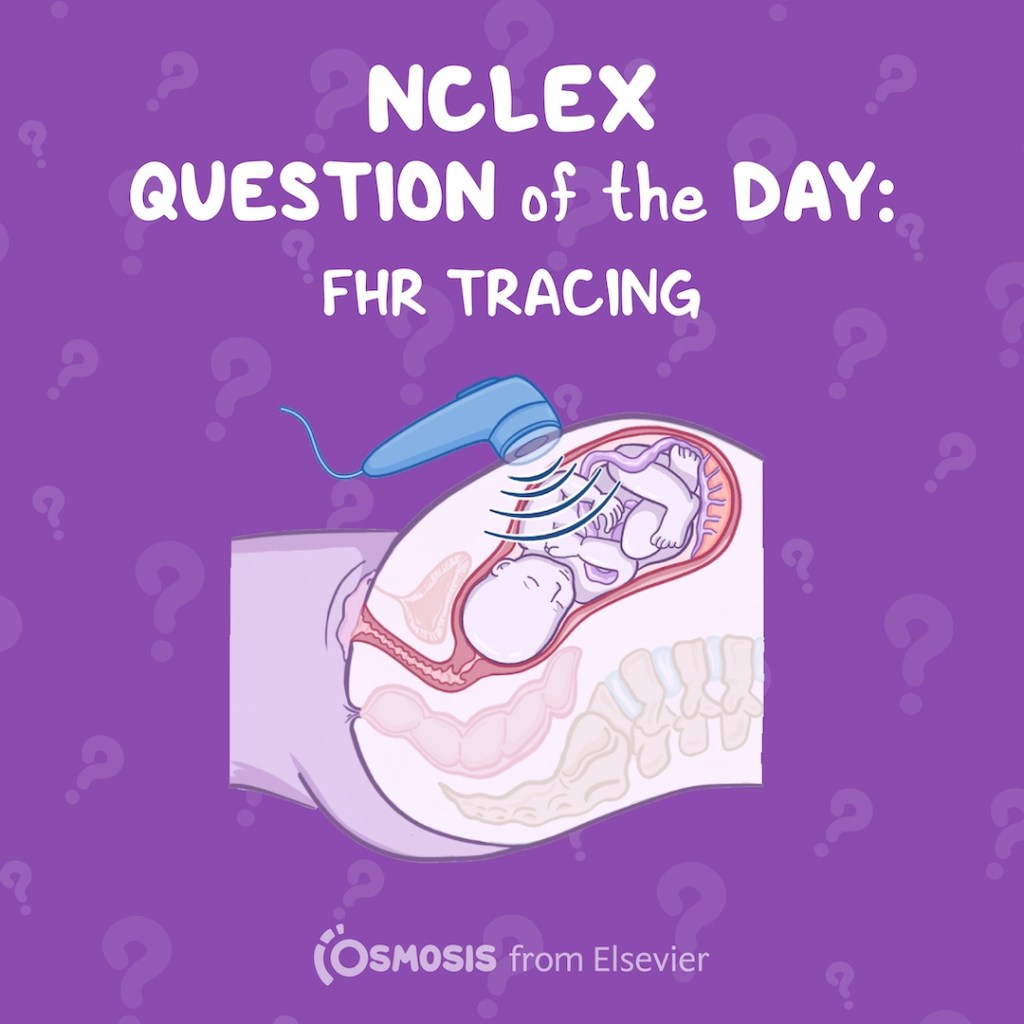
NCLEX-RN® Question of the Day: FHR tracing
— Updated:
—
Which fetal heart rate category should a nurse report during active labor based on assessment findings? Understand FHR categories for clinical decision-making.
-
USMLE® Step 1 Question of the Day: Axillary nerve injury
— Updated:
—
A 66-year-old man presents with shoulder pain after a fall. Identify which shoulder movements may be limited due to nerve injury in this clinical scenario.
-
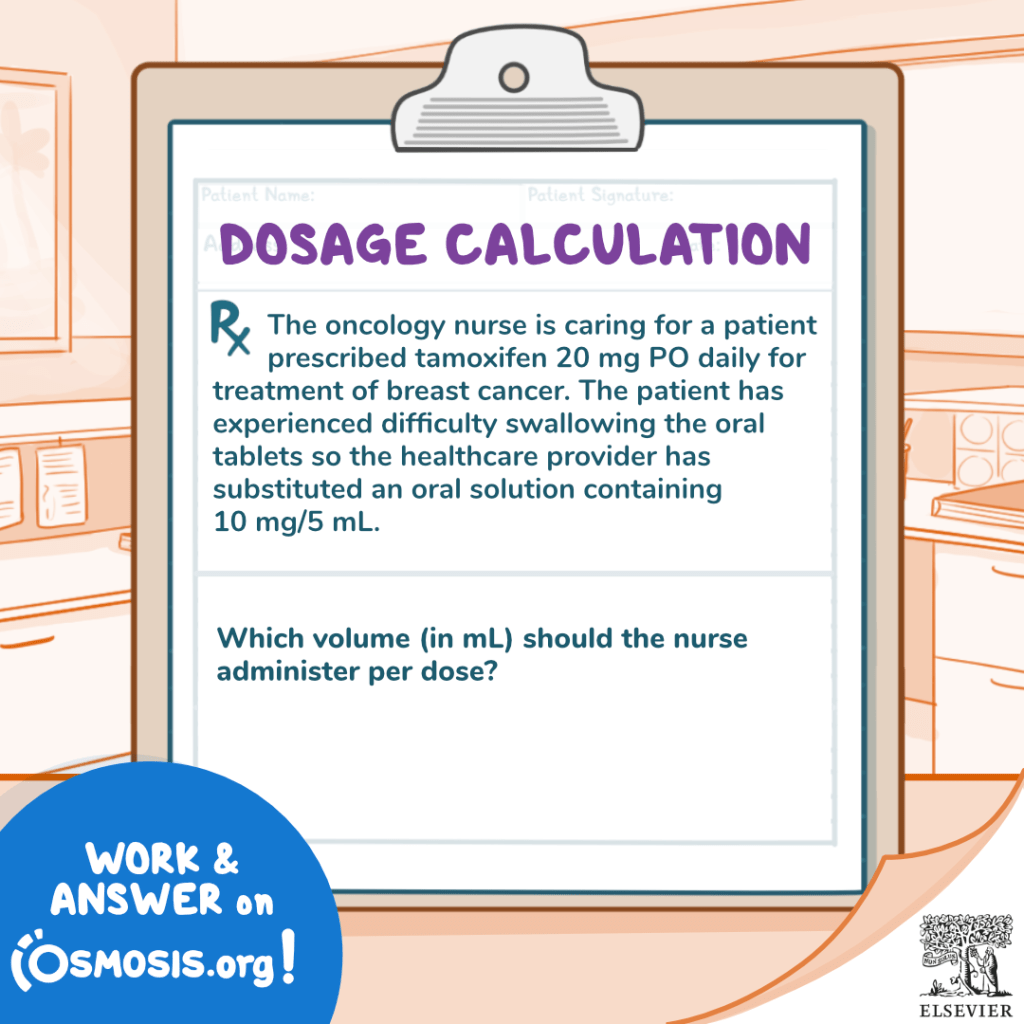
Dosage Calculation: Tamoxifen
— Updated:
—
How many milliliters of a 10 mg/5 mL oral solution should be given for a 20 mg tamoxifen dose? Learn to calculate safe medication volumes accurately.
-

Will AI Replace Radiologists? The Truth About AI in Medical Imaging
— Updated:
—
AI is reshaping healthcare and radiology by enhancing imaging and diagnostics, but significant challenges remain. Discover why AI won’t replace radiologists but will support them in the future of healthcare.
-

NCLEX-RN® Question of the Day: Proper body alignment
— Updated:
—
How should a nurse assess a patient’s body alignment to ensure proper posture and reduce strain during rehabilitation?
-

Common First-Rotation Mistakes and How to Avoid Them
— Updated:
—
Embarking on your first clinical rotation? Discover key strategies to navigate the challenges, build professionalism, and maximize learning in real patient care settings.
-

USMLE® Step 2 CK Question of the Day: Painful rash
— Updated:
—
A 66-year-old man presents with a painful, rash lasting three days. What is the best initial medication to manage his condition effectively?
-
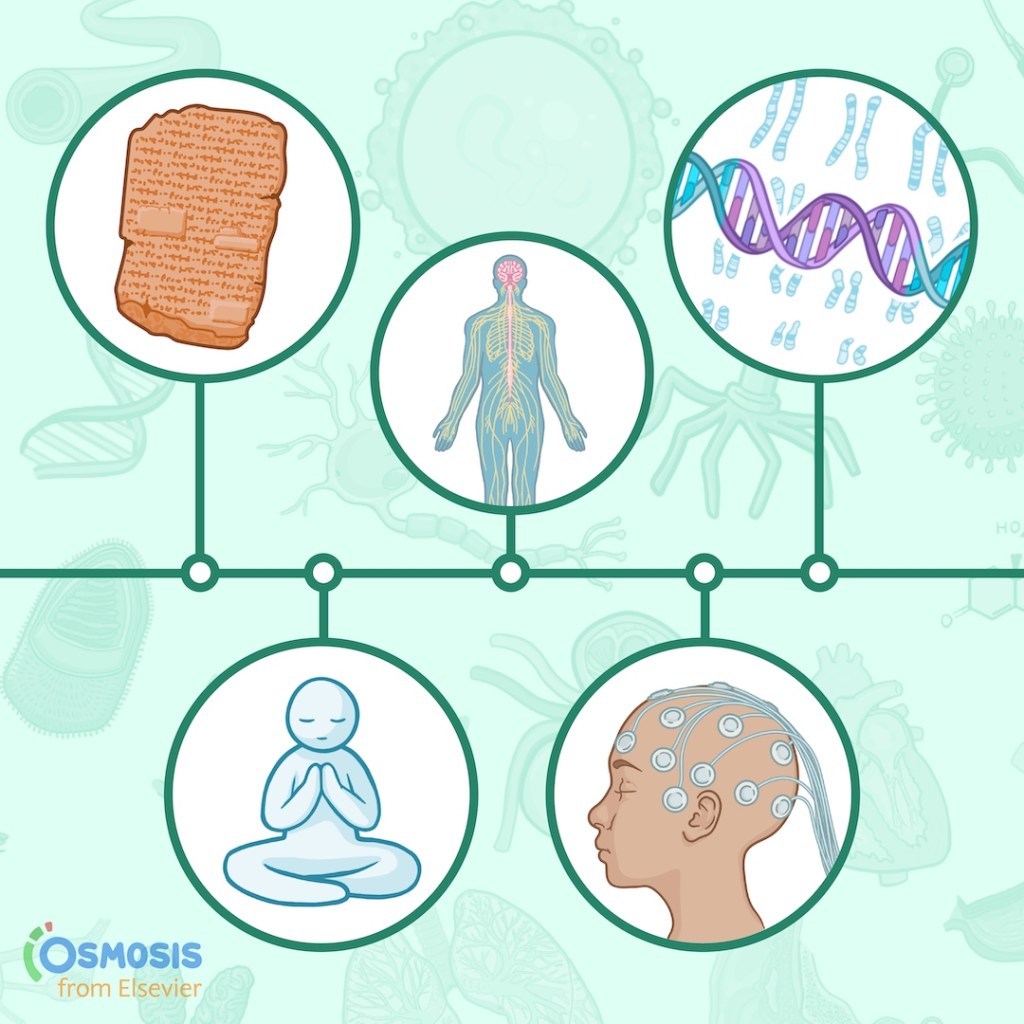
A History of Neurology: From Mysticism to Modern Medicine
— Updated:
—
Take a thrilling ride through neurology’s evolution—from mystical origins to modern breakthroughs reshaping how we understand and treat the brain.
-
USMLE® Step 1 Question of the Day: Endometriosis medication
— Updated:
—
A 35-year-old woman with endometriosis starts a GnRH agonist. What side effects should clinicians monitor for during continuous therapy?
-
11 consejos para registrar el historial clínico de un paciente
— Updated:
—
Registrar un buen historial clínico es vital para el diagnóstico y cuidado del paciente. Descubre 11 consejos prácticos para mejorar esta habilidad esencial en medicina.
-
NCLEX-LPN® Question of the Day: Trouble sleeping
— Updated:
—
A patient reports trouble falling asleep in the hospital. Which common factor is most likely affecting their ability to sleep well?
-
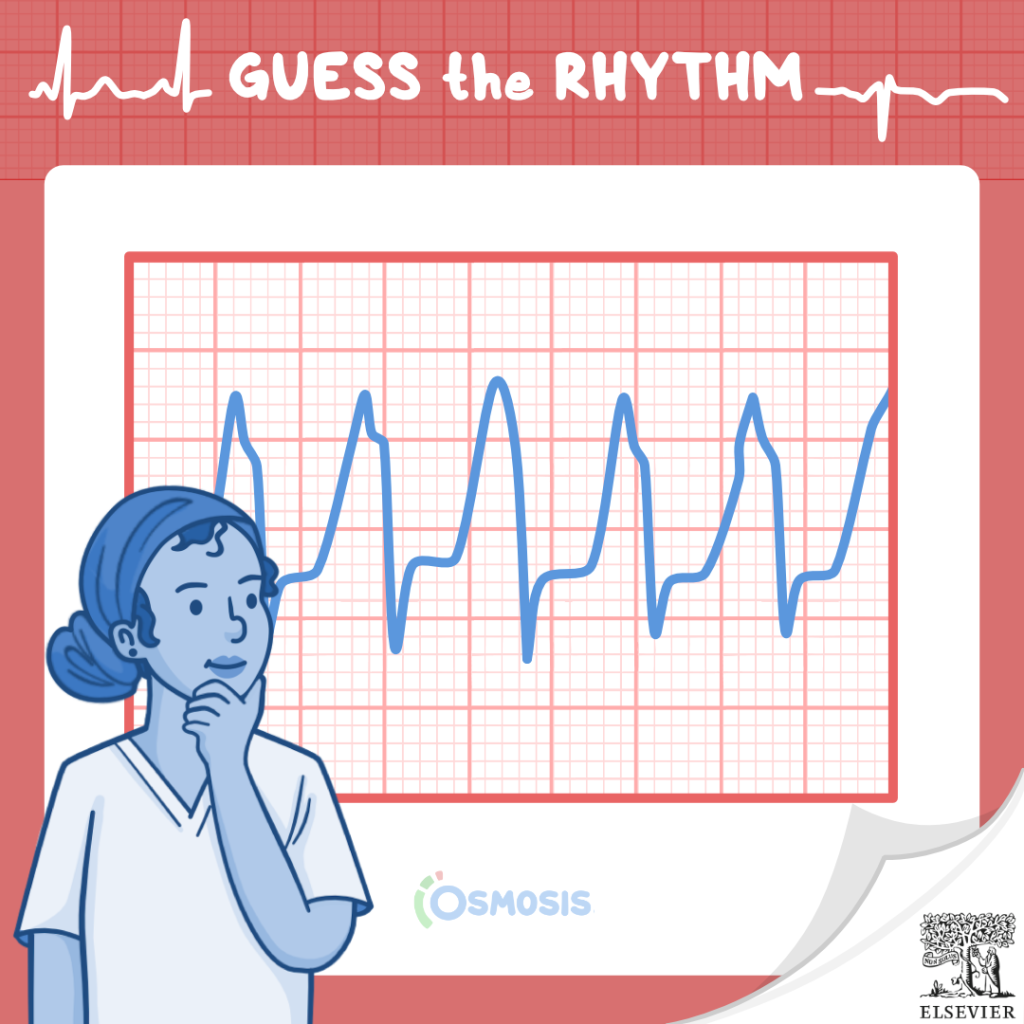
Guess the Rhythm: Ventricular tachycardia
— Updated:
—
Ventricular tachycardia is a fast heart rhythm originating in the ventricles. Learn how to recognize key ECG features for prompt care.
-
Ten Years of Learning by Osmosis: The All-In-One Learning Platform
— Updated:
—
For a decade, Osmosis has transformed healthcare education through engaging videos, innovative tools, and a learner-first approach, supporting millions worldwide. Help us celebrate this important milestone!
-
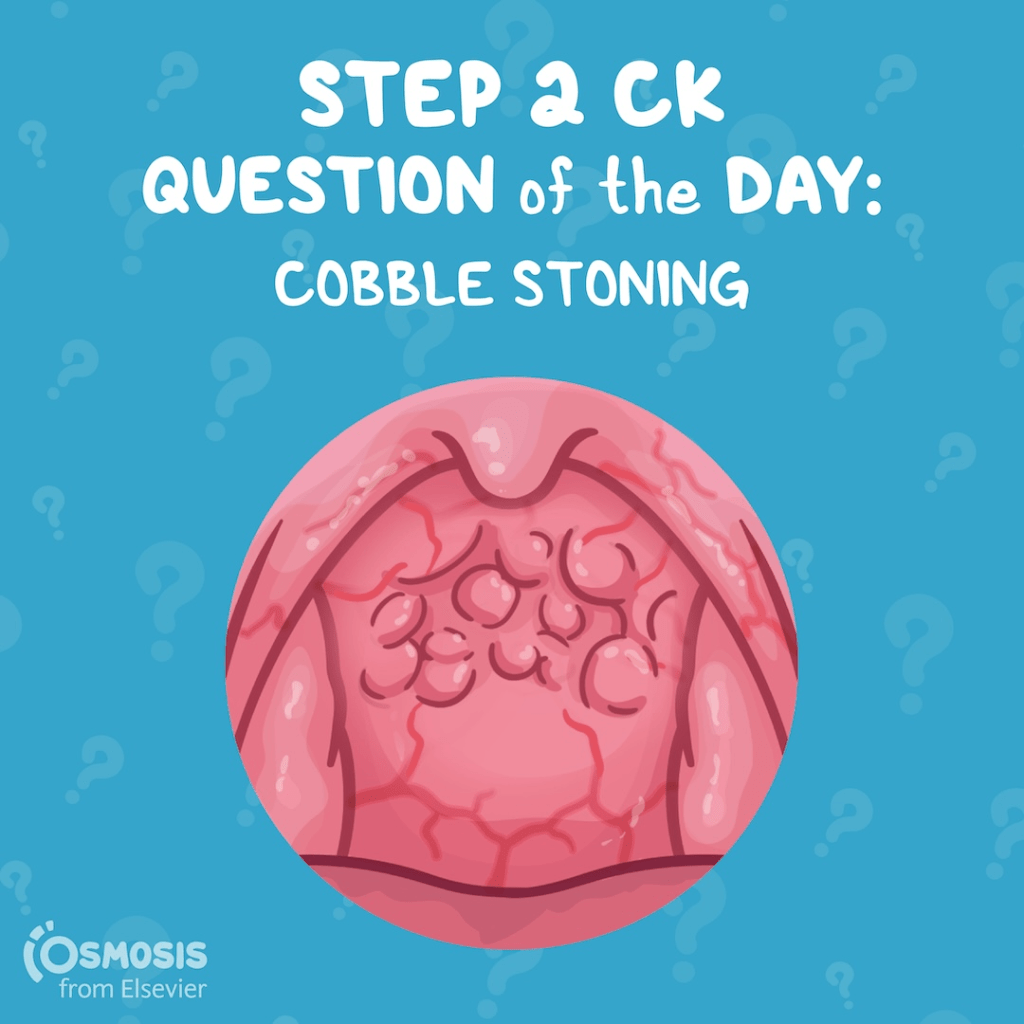
USMLE® Step 2 CK Question of the Day: Cobble stoning
— Updated:
—
A 36-year-old man with nasal itching and congestion presents symptoms of allergic rhinitis. What’s the best initial treatment to manage his condition effectively?
-
5 Student Study Mistakes Medical Educators Should Watch For
— Updated:
—
Discover five common study mistakes medical students make—from poor time management to passive learning—and how educators can support better habits, well-being, and clinical readiness.
-
NCLEX-RN® Question of the Day: Medicare
— Updated:
—
Which patient is most likely eligible for Medicare? Understand the criteria for Medicare eligibility and how it compares to other insurance programs.
-
A Day in the Life of a PA
— Updated:
—
Explore what a typical day looks like for a family medicine PA; from pre-charting and annual exams to procedures and helping patients across all life stages.
-
NCLEX-RN® Question of the Day: Depressive disorder
— Updated:
—
Explore the diagnostic criteria for depressive disorders, emphasizing episode duration and symptom patterns essential for accurate diagnosis.
-

Skills That Set You Apart: Becoming a Remarkable Clinician
— Updated:
—
What sets a remarkable clinician apart? Beyond medical knowledge, it’s empathy, adaptability, continuous growth, and authentic connection that transform care and inspire patients and teams alike.
-
USMLE® Step 1 Question of the Day: Vascular ischemia
— Updated:
—
Explore a clinical case of acute neurological deficits in an elderly patient, focusing on identifying the affected brainstem vascular territory.
-
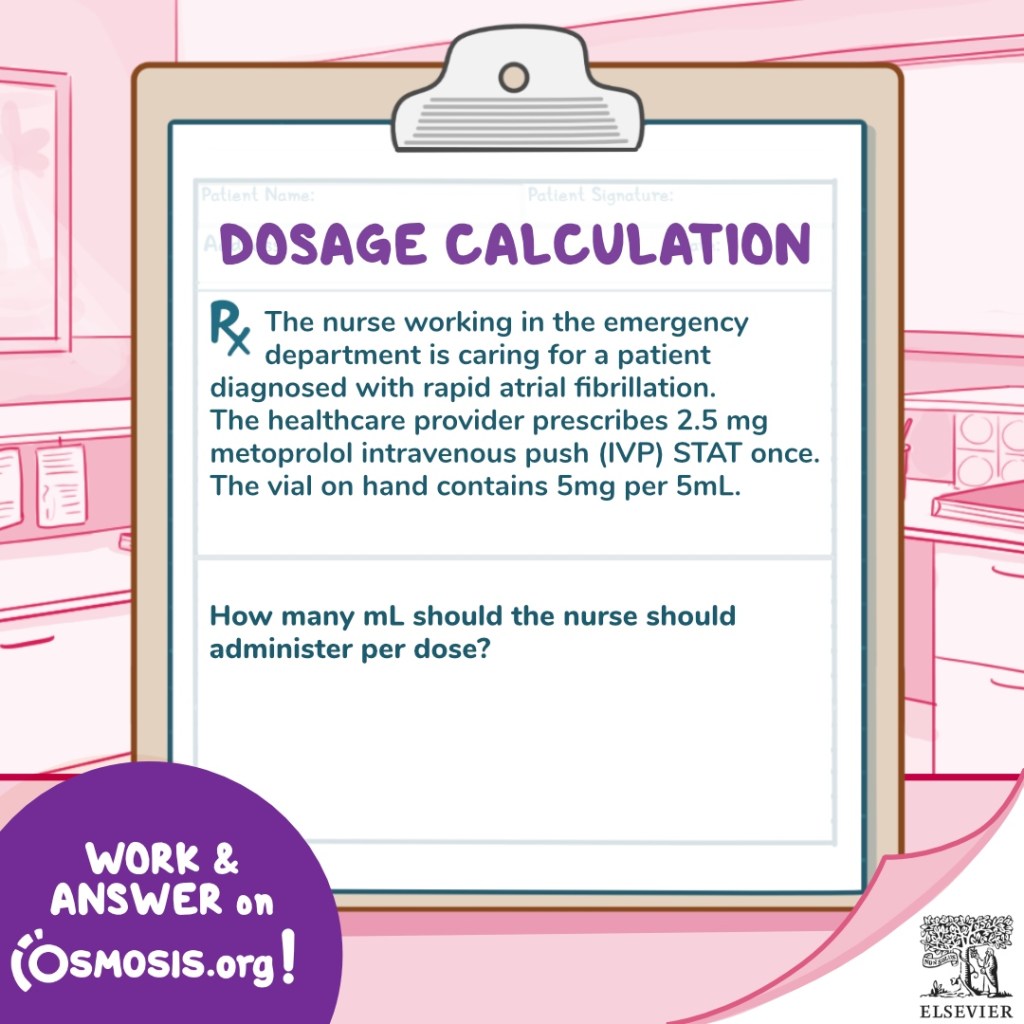
Dosage Calculation: Metoprolol
— Updated:
—
Practice calculating accurate IV doses with this metoprolol example to ensure safe patient care and effective drug administration.
-

How to Write a Nursing Care Plan
— Updated:
—
Learn the steps to create clear, personalized nursing care plans using ADPIE. Prioritize assessments, formulate diagnoses, set SMART goals, and evaluate patient progress confidently.
-

NCLEX-RN® Question of the Day: Craniosynostosis
— Updated:
—
Explore the clinical features nurses should expect when assessing infants with craniosynostosis and how to differentiate them from common newborn conditions.
-

What USMLE Step 1 Score Do You Need to Match?
— Updated:
—
Now that Step 1 is pass/fail, a “good” score means confidently passing and mastering core concepts to excel in clerkships and when taking Step 2 CK. Learn how to assess your readiness.
-
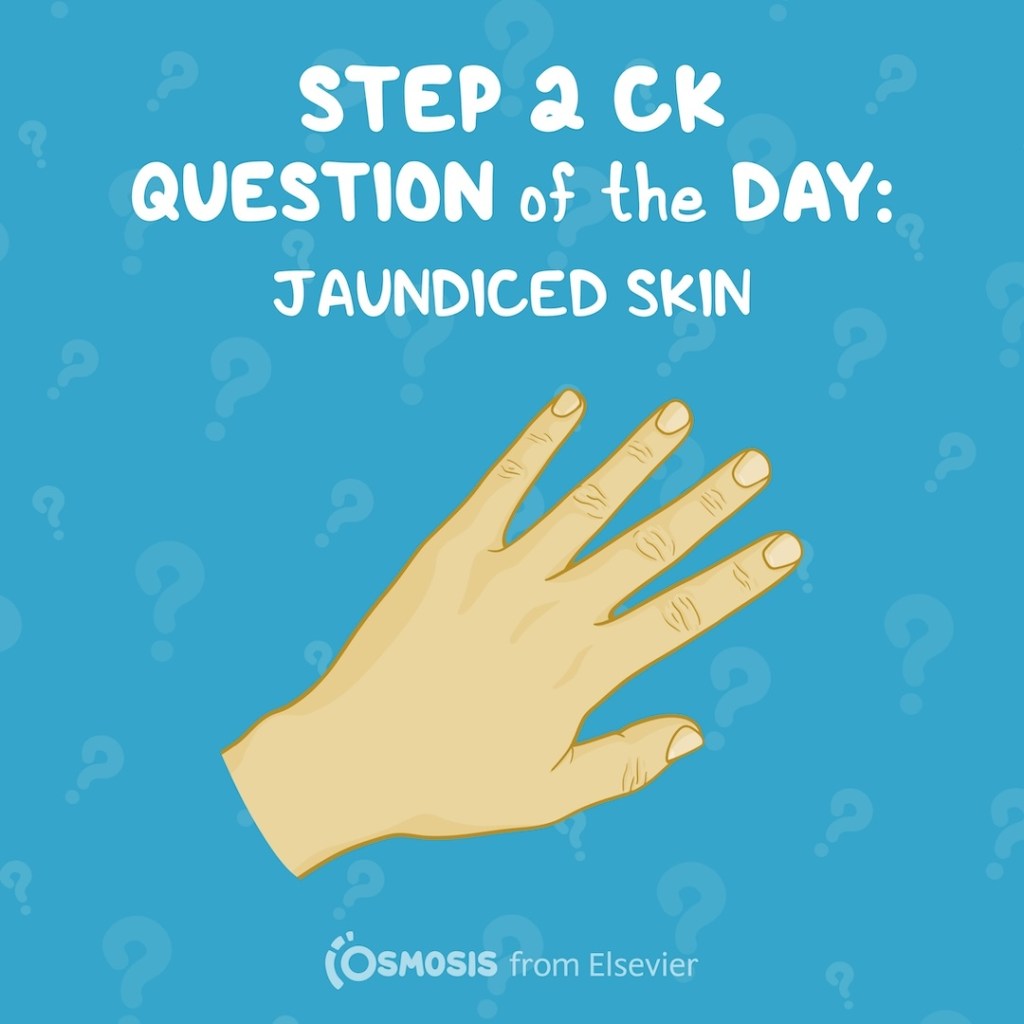
USMLE® Step 2 CK Question of the Day: Jaundiced skin
— Updated:
—
Evaluate a patient presenting with jaundice and altered mental status using targeted physical exam findings to guide further diagnostic steps.
-
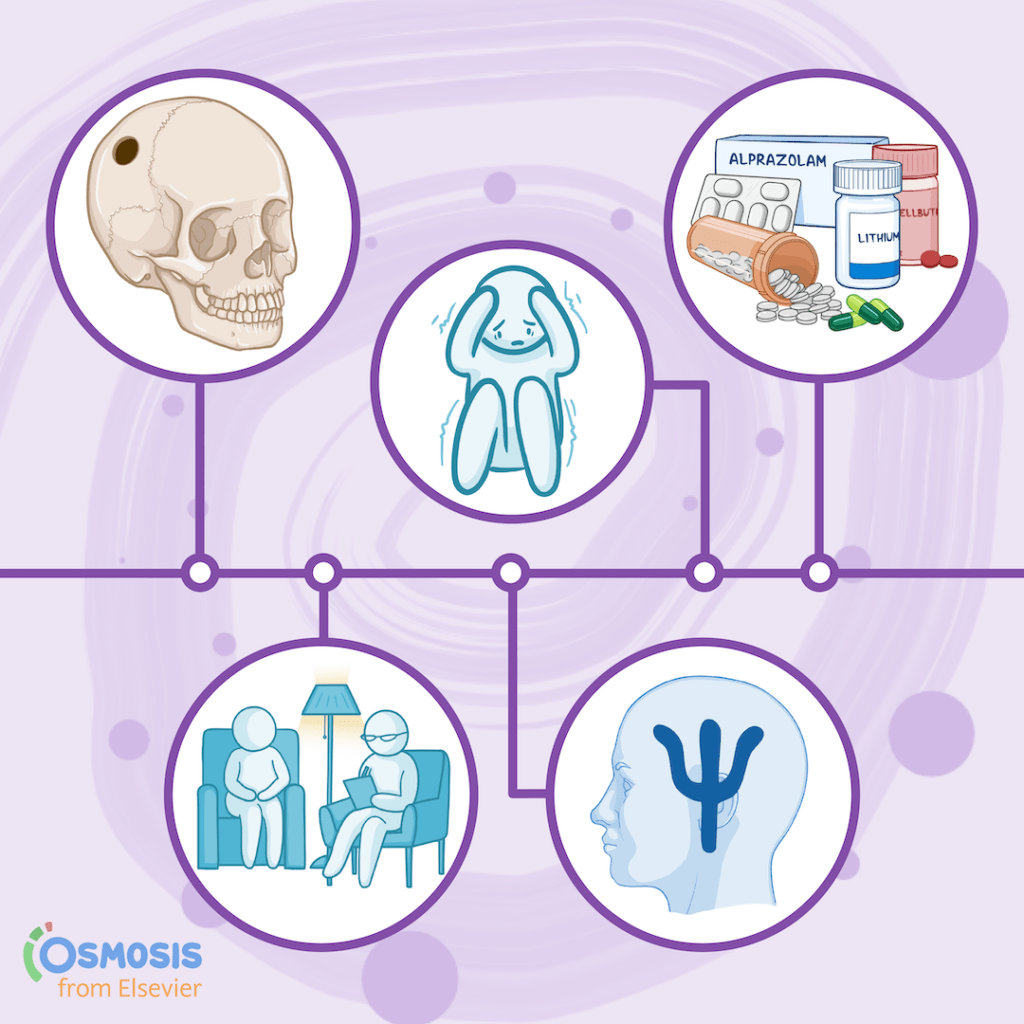
A History of Psychiatry: From Social Stigma to Medical Specialty
— Updated:
—
Discover psychiatry’s journey from mystical origins and early theories to today’s cutting-edge therapies and compassionate mental health care.
-
NCLEX-RN® Question of the Day: Delirium screening
— Updated:
—
Explore the best screening methods for delirium in critically ill patients and understand how to differentiate delirium from other cognitive disorders.