-

Guess the Rhythm: Asystole
— Updated:
—
Understand the characteristics and clinical significance of asystole, an emergency cardiac rhythm requiring immediate intervention by healthcare teams.
-
PANCE® Question of the Day: Period symptoms
— Updated:
—
Understand the clinical presentation of premenstrual disorders with an emphasis on PMDD, its symptoms, and how to distinguish it from other medical conditions.
-

Tips to Become a Better Listener as a Healthcare Professional
— Updated:
—
Effective listening is key in healthcare. Get practical tips to enhance your listening skills, build trust, and improve patient care without missing vital details.
-
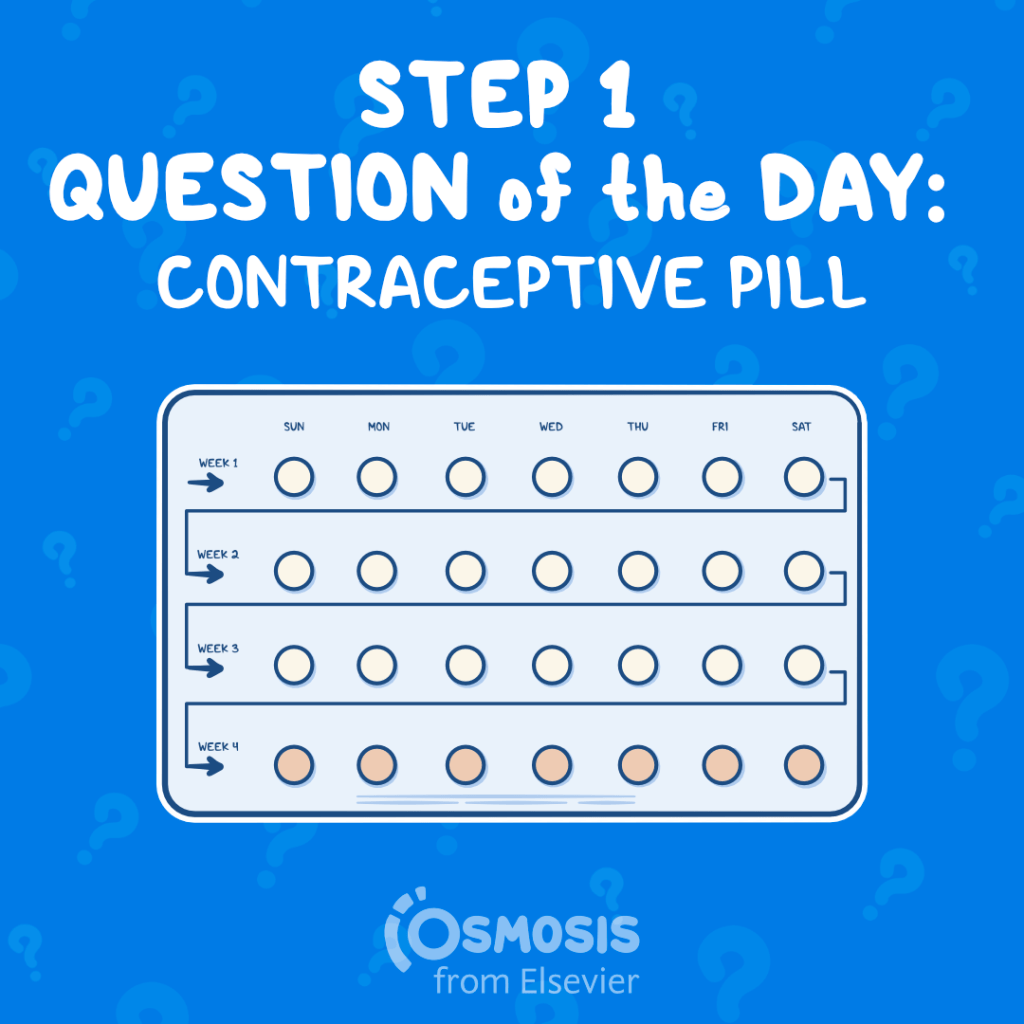
USMLE® Step 1 Question of the Day: Contraceptive pill
— Updated:
—
Learn the pharmacologic actions of contraceptive pill ingredients and important contraindications for safe use in patient care.
-
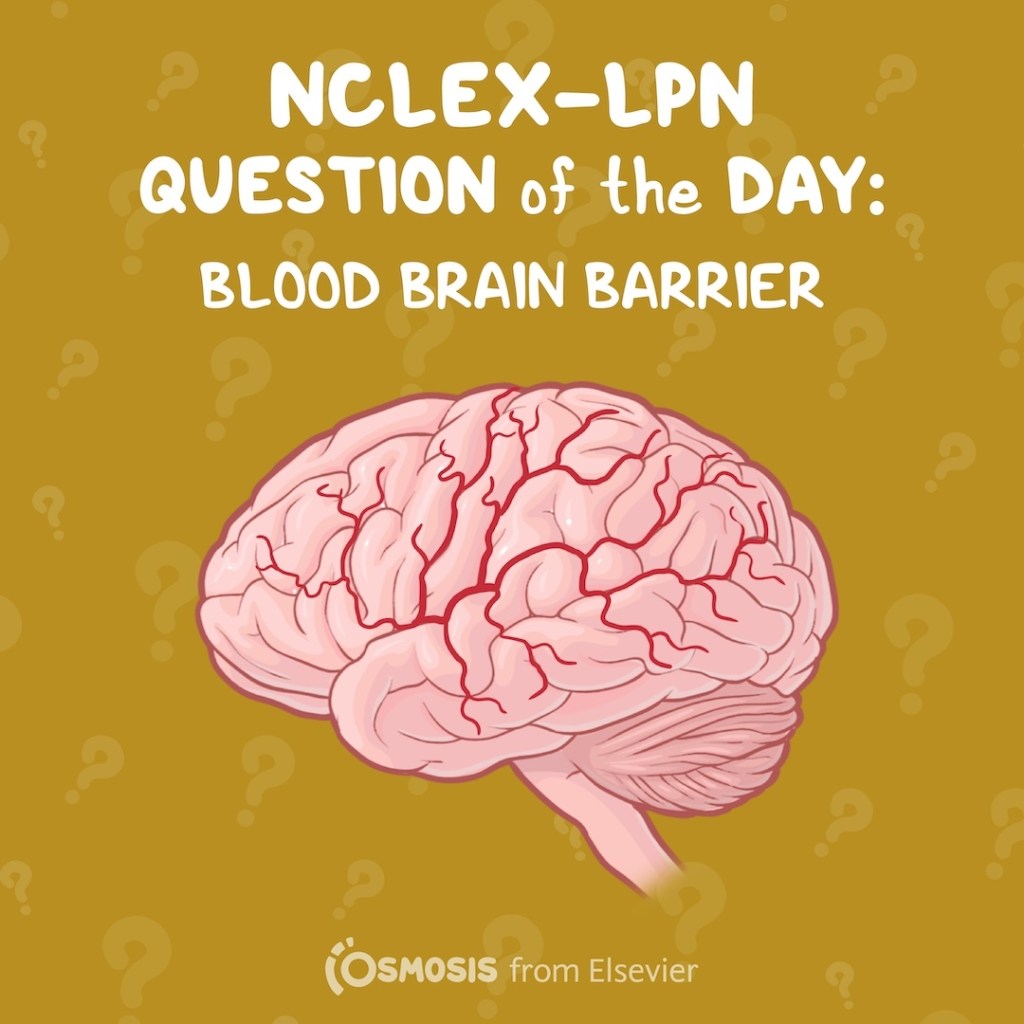
NCLEX-LPN® Question of the Day: Blood brain barrier
— Updated:
—
Explore the components and role of the blood-brain barrier in maintaining brain health and protecting the central nervous system.
-

PANCE® Question of the Day: Confusion
— Updated:
—
Review a clinical scenario highlighting features of delirium, assessment strategies, and distinctions from dementia and other cognitive disorders.
-
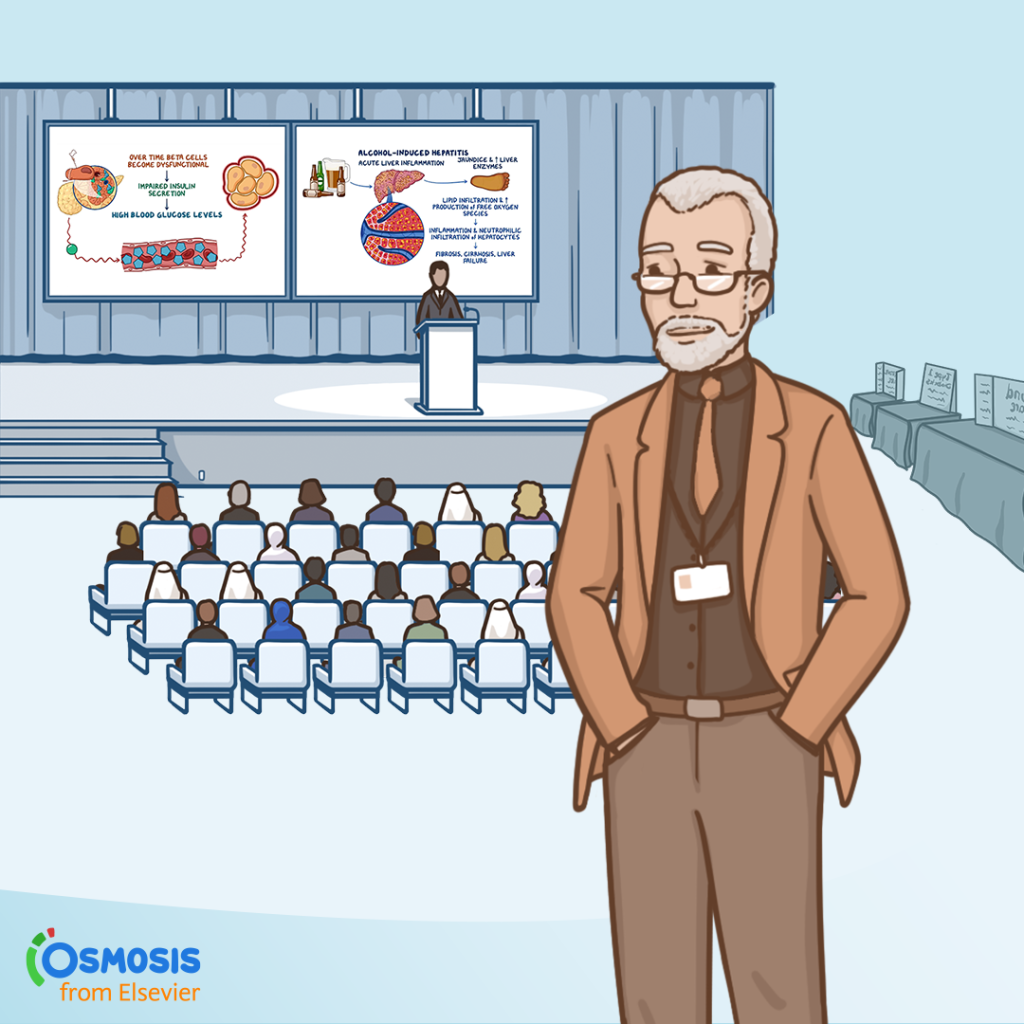
Making the Most Out of a Medical Conference
— Updated:
—
Learn how to prepare strategically for medical conferences, build meaningful connections, select sessions wisely, and extend learning beyond the event.
-
USMLE® Step 2 CK Question of the Day: Routine vaccination
— Updated:
—
Apply vaccination guidelines for adults, including which vaccines are recommended based on age and health status during routine check-ups.
-

A Complete List of US Osteopathic (DO) Medical Schools
— Updated:
—
Learn about US DO (Osteopathic) school curricula, admission requirements, and learn how Osmosis supports faculty with the use of analytics and unique educational resources.
-
NCLEX-RN® Question of the Day: Preeclampsia
— Updated:
—
Explore the clinical features of preeclampsia, focusing on symptoms nurses should assess to identify and manage this pregnancy complication effectively.
-

Dosage Calculation: Ursodiol
— Updated:
—
Test your nursing math skills by calculating how many 300 mg ursodiol tablets to administer per dose for a patient weighing 220 pounds.
-

The Top 10 Helpful Nursing Mnemonics from Osmosis
— Updated:
—
Boost your nursing skills with top mnemonics regularly used for assessment, communication, and care planning to enhance learning and patient safety.
-
NCLEX-RN® Question of the Day: SGA
— Updated:
—
A nurse assesses a newborn’s size relative to gestational age. Which assessment tool helps evaluate if an infant is small for gestational age?
-

A Quick Mental Health Treatment Guide for Clinicians: Therapies with More Than One Person
— Updated:
—
Learn about the various multi-person therapy modalities, their applications, and strategies to facilitate effective group dynamics and patient outcomes.
-
USMLE® Step 1 Question of the Day: Dilated bowel loops
— Updated:
—
A patient with a history of abdominal surgery presents with severe abdominal pain and imaging showing dilated bowel loops. What are the possible causes?
-

Guess the Rhythm: Sinus tachycardia
— Updated:
—
Explore the characteristics of sinus tachycardia on ECG, its physiological and pathological causes, and key features to identify this rhythm.
-

A History of Women in Medicine: 20 of the Greatest Physicians
— Updated:
—
Learn about the remarkable lives of historic women in medicine, highlighting the key figures who paved the way for today’s medical professionals.
-
NCLEX-LPN® Question of the Day: Dependent adult
— Updated:
—
Which patient is most likely considered a dependent adult? Explore criteria for dependency and the nursing implications for vulnerable adult patients.
-
USMLE® Step 2 CK Question of the Day: Respiratory acidosis
— Updated:
—
A ventilated patient develops cyanosis and respiratory acidosis after an opiate overdose. What clinical factors should be assessed next to determine the cause?
-
Cómo dar malas noticias: el uso del protocolo SPIKES versus el protocolo BREAKS
— Updated:
—
Descubre cómo los protocolos SPIKES y BREAKS guían a los profesionales de la salud para dar malas noticias de manera compasiva y efectiva.
-
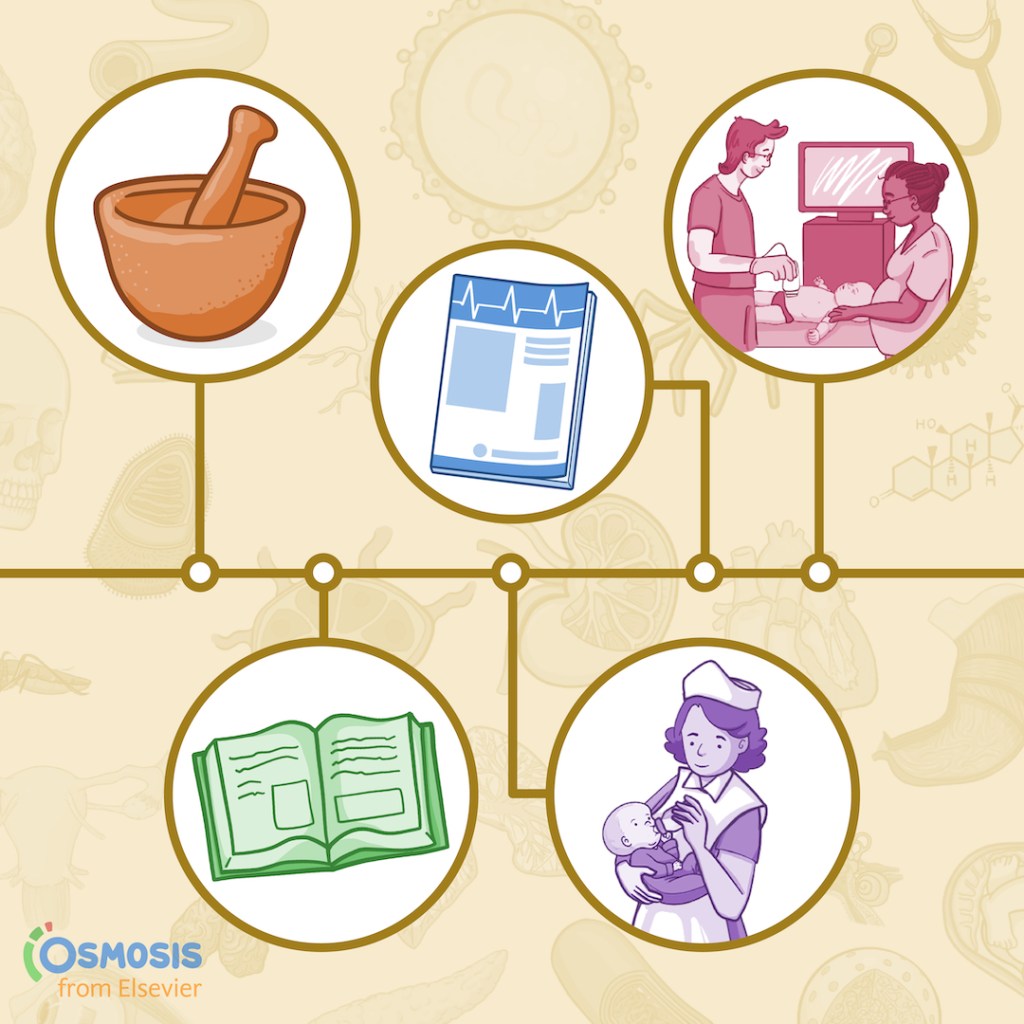
A History of Pediatrics: From Ancient India to Modern Medical Specialty
— Updated:
—
Read about the foundations of pediatric medicine, from key historical milestones and breakthroughs to future directions in child health care.
-

NCLEX-RN® Question of the Day: Coitus interruptus
— Updated:
—
A patient uses coitus interruptus for contraception and seeks guidance. What should the nurse communicate about pregnancy risk and method reliability?
-
USMLE® Step 1 Question of the Day: Muscle spasticity medication
— Updated:
—
A patient with multiple sclerosis presents with muscle pain and tightness. What medication mechanisms are important to consider in managing her symptoms?
-

Dosage Calculation: Amoxicillin
— Updated:
—
Test your nursing math skills by calculating the correct amoxicillin oral suspension dose for a 5-year-old child with otitis media based on weight and dosing schedule.
-

The Breakdown of USMLE® Step 1: What You Need to Know
— Updated:
—
Prepare for USMLE Step 1 with a breakdown of exam content, format, and proven study techniques to boost confidence and performance.
-
NCLEX-RN® Question of the Day: Obstructive pulmonary disease
— Updated:
—
A nurse explains obstructive pulmonary disease to a caregiver. Which statement shows the best understanding of how this lung condition affects breathing?
-

How to Use Goal Setting to Fuel Healthcare Student Motivation
— Updated:
—
Learn how goal setting enhances motivation and success in healthcare education by promoting focus, persistence, and personalized learning strategies.
-
USMLE® Step 2 CK Question of the Day: Altered mental status
— Updated:
—
A 65-year-old man with confusion and weight loss presents to the ER. What is the best next step to identify the cause of his altered mental status?
-

RN vs LPN: What’s the Right Role for Your Professional Goals?
— Updated:
—
Discover the differences between registered nurses and licensed practical nurses, including schooling, training, job duties, workplace settings, and career advancement options.
-
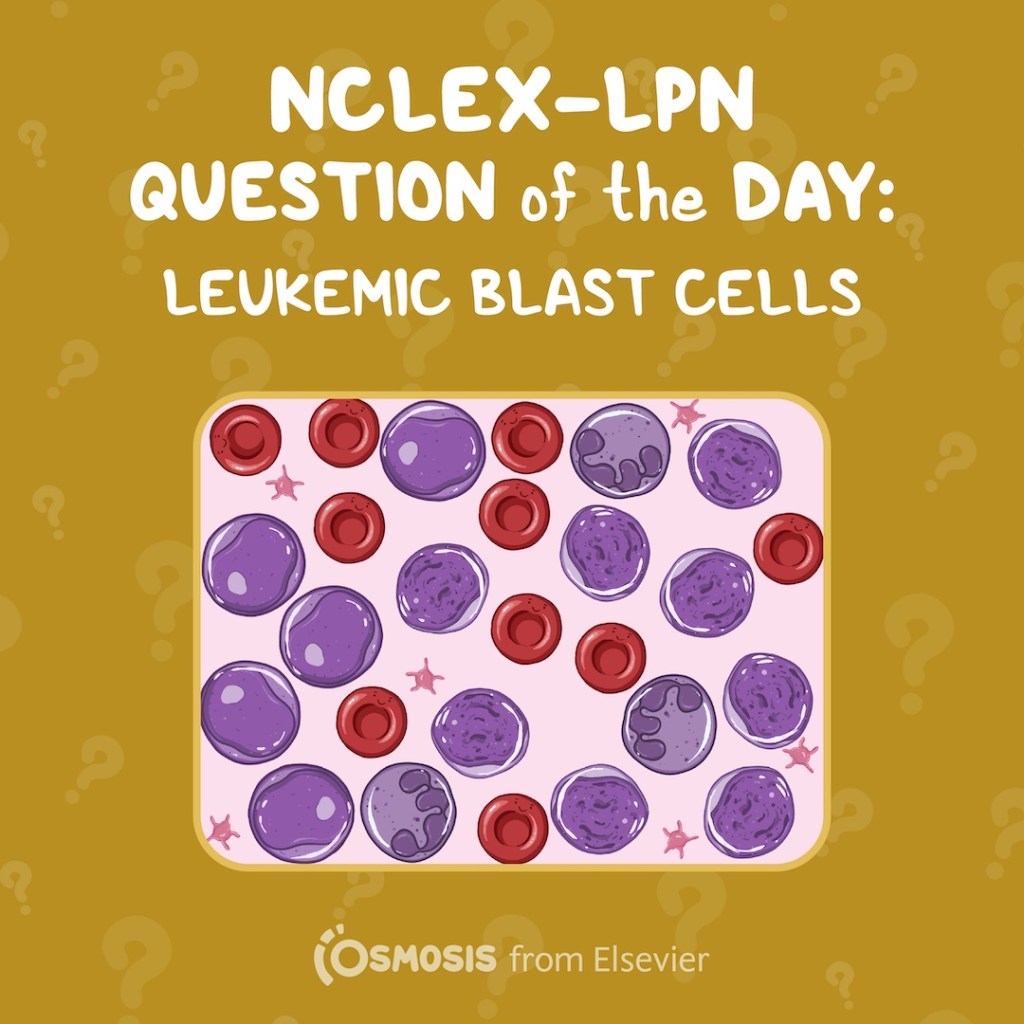
NCLEX-LPN® Question of the Day: Leukemic blast cells
— Updated:
—
Explore a leukemia case focusing on signs linked to leukemic blast cell activity. Which clinical finding best reflects rapid cell proliferation and destruction?
-
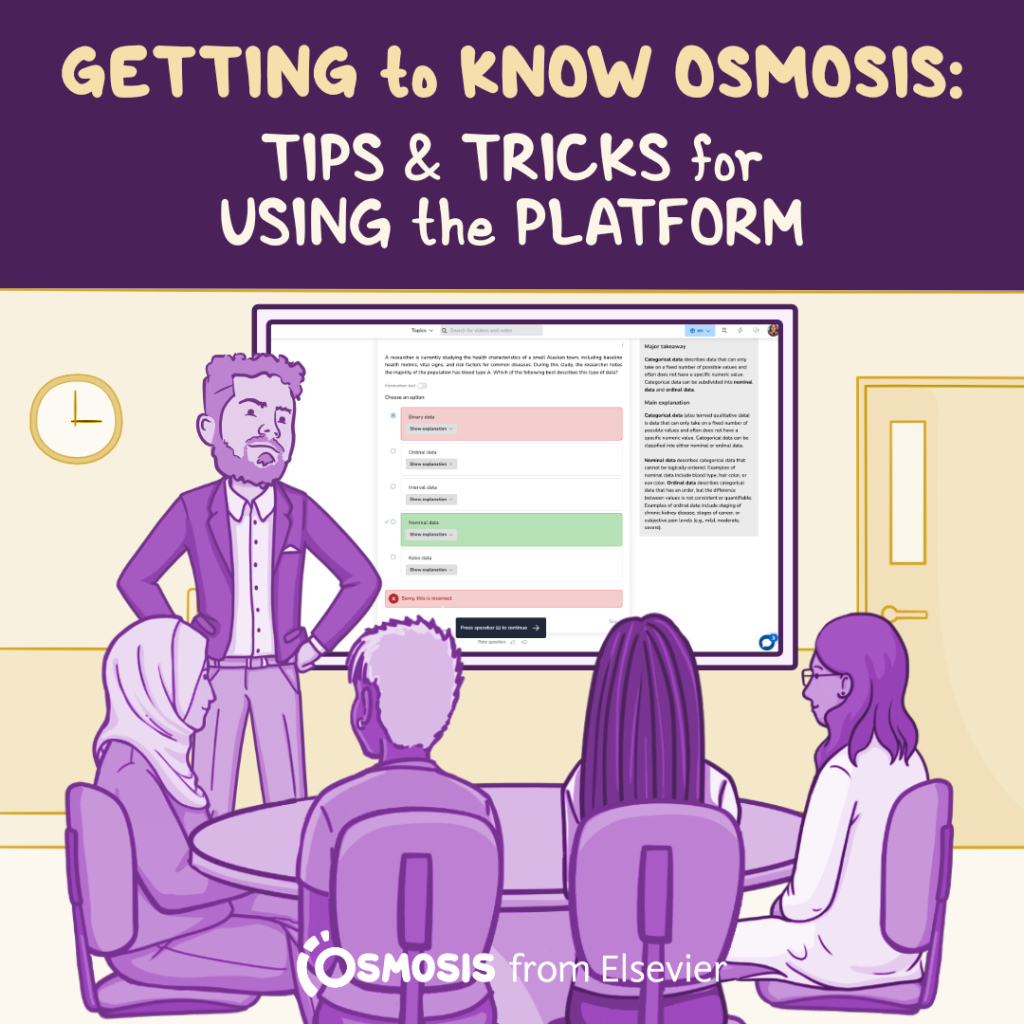
Getting to Know Osmosis: Tips & Tricks for Using the Platform
— Updated:
—
Explore how Osmosis helps healthcare students study smarter with personalized schedules, engaging videos, effective study techniques, and peer support.
-

PANCE® Question of the Day: ARDS
— Updated:
—
Today’s PANCE® Question of the Day: ARDS involves a clinical case of moderate ARDS in a patient with pneumonia. What’s the best ventilator adjustment to improve oxygenation and patient outcomes?