
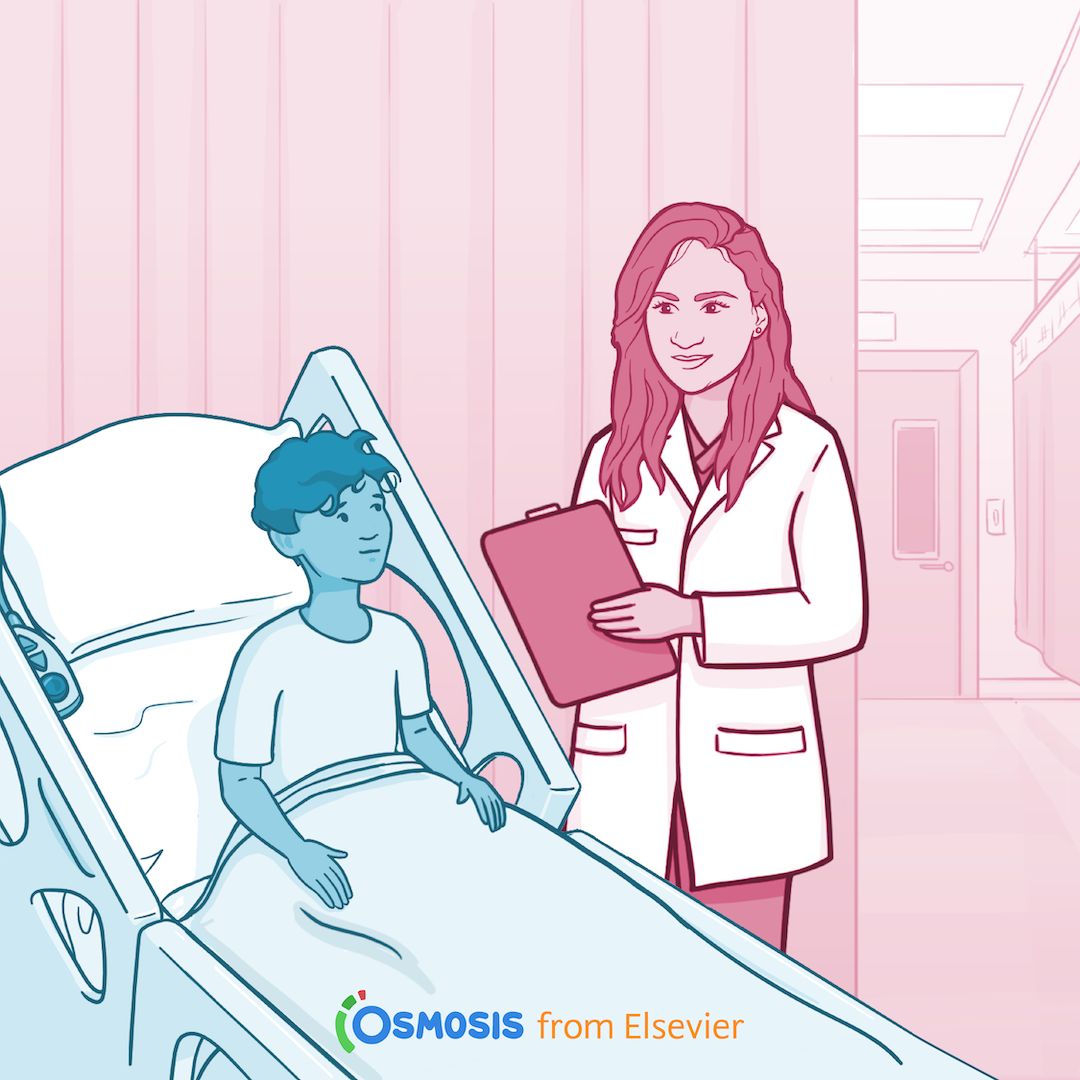
Dr. Rowida Kheireldin shares a story about a pediatric emergency that looked familiar, until she asked a single question that changed everything.
Every clinician carries a handful of patient stories that linger long after the shift ends based on encounters that remind us that clinical care is as much about curiosity as it is about competence. Gratitude in clinical practice often grows out of these moments. Not from dramatic saves, but from the quiet realization that a different outcome was possible because of asking one more question. Those moments of curiosity in medicine are hardest to find when time feels tight. At first, the following case appeared to be a textbook emergency. Diabetic ketoacidosis was at the top of the list, shaping the early decisions and sense of urgency.
Diabetic ketoacidosis (DKA) is a life-threatening complication of diabetes that occurs when the body lacks enough insulin to use glucose for energy. The body breaks down fat, leading to a buildup of acidic ketones in the blood. It’s most common in type 1 diabetes, but can also occur in type 2 diabetes, often triggered by illness or missed/insufficient insulin. It typically presents with symptoms such as extreme thirst, frequent urination, nausea, fruity-smelling breath, and confusion, requiring urgent medical attention.
A Quiet Night
This shift appeared to be one of those calm nights, the kind where the air feels soft and cool, and you almost believe nothing dramatic will happen. Then my pager went off, noting: “Pediatrics resident to the emergency room (ER) for diabetic ketoacidosis (DKA).”
Whenever I hear “DKA in the ER,” I hope for a straightforward case: just a patient with high glucose and acidic ketones. We give IV fluids and insulin, check glucose hourly, and monitor urine ketones and blood gases every few hours. Usually, within a day, the child stabilizes and leaves the ICU.
With that in mind, I headed to the ER, ready for what I expected to be a routine case of DKA.
A 5-year-old boy sat on the bed, breathing fast and shallow, with a heart rate of 200.
The ER doctor looked at me and said, “Yes, classic: rapid breathing, acidotic, and I can smell the acetone.”
I couldn’t smell anything (my sense of smell has never been the same after multiple rounds of COVID), but I nodded.
I asked, “Did you send labs?”
“Of course. His glucose is 298. And here are the blood gases.”
- pH 7.18 (acidic)
- HCO₃ 13 mEq/L (acidic)
- Lactate 12 mmol/L (acidic)
“Okay, what about urine ketones?”
“Pending.”
“Any other labs?”
“Yes, I’ll bring them.”
Something Felt Off
Anyone who works in pediatrics knows DKA is defined by a clear triad:
- High blood glucose > 300
- Metabolic acidosis
- Ketonemia or ketonuria (acetone in urine)
And this child didn’t meet the triad. This was the moment the case stopped following a familiar script.
His glucose wasn’t high enough. It was the first reading, before fluids. No diabetes or family history. Something felt off. He was acidotic, but the lactate of 12 explained that. This seemed more perfusion or drug-related than DKA.
Back to the patient. Potassium returned at 2.3 mEq/L (low). The electrocardiogram (ECG) showed sinus tachycardia (fast, regular heart rate that can be seen with dehydration or stress). He was still breathing fast, but his chest was completely clear.

The Missing Piece
I turned to the older sister, who had brought him in.
“Can you tell me what happened today?”
“He has asthma and uses nebulizers. He was sick this morning and took nebulizer sessions, but they didn’t help.”
I thought to myself, “Okay, but his chest sounds clear now.”
“And then?” I asked.
“Then he drank the whole bottle of the nebulizer solution.”
I froze. “What do you mean he drank it? He drank the bronchodilator medicine?”
“Yes, doctor. The whole bottle of the inhalation solution.”
I had assumed she meant extra inhaler treatments.
“No, he said he drank it to feel better faster.”
“And where were your parents?”
“At work, I did not see him do it. He told me afterwards.”
“What happened after he drank it?”
“His heart started beating so fast, and he said his legs felt too weak to walk. So, I brought him here.”
“You did the right thing. But why didn’t you tell this to the first doctor?”
She shrugged, “The doctor said his sugar was high, and it must be a diabetic coma. How would I know more than the doctor?”
“It’s okay. You did well. We’ll take care of him. He just needs to be admitted until the medication wears off.”
We admitted him to treat the known effects of oral intake of albuterol (the inhaler solution): a fast heart rate, tremors, low potassium, high glucose, acidosis of the blood, and even arrhythmias (irregular heart rate).
Thankfully, everything normalized, and he was discharged safely.
Why This Case Stayed with Me
This case stayed with me not for its rarity or drama, but because it quietly highlighted the core lesson of clinical care. The diagnosis didn’t change because of a lab value. It changed because someone finally asked the patient’s sister to tell the story from the beginning. When we pause to question our assumptions and listen fully to each patient, we change outcomes for the better. A child recovered, a family learned, and a dangerous situation was avoided because one question led to the real story.
My patients remind me that gratitude in medicine comes from these moments, when curiosity and careful listening make all the difference. The true lesson is to never let a familiar diagnosis keep you from listening for what you might otherwise miss.
Key Takeaways
- Not all acidosis with high glucose is diabetic ketoacidosis.
- Careful history can reveal unexpected causes like medication ingestion.
- Albuterol overdose can cause tachycardia, hypokalemia, and acidosis.
- Listening closely to patients and families improves diagnosis.
- Curiosity and questioning assumptions save lives in clinical care.

Try Osmosis from Elsevier today! Access your free trial and discover why millions of current and future clinicians and caregivers love learning by Osmosis.
Leave a Reply