
Over the past decade, healthcare has seen rapid advances in biotechnology, artificial intelligence, and digital health that electrify every healthcare professional fortunate enough to practice medicine during this “golden age.” Rapid advances in biotechnology, artificial intelligence, and digital health have completely transformed how we diagnose, treat, and prevent disease. Physicians are increasingly moving beyond symptom management. Today, they use tools that target underlying causes, personalize treatments based on genetics, and, in some cases, prevent disease before it develops. These breakthroughs have slashed mortality rates, shortened hospital stays, improved the quality of life of millions, and reshaped healthcare systems worldwide.
Health professionals can now collaborate with bioengineers, data scientists, immunologists, and patients to deliver outcomes that once seemed impossible. For example, biotechnology allows us to rewrite faulty DNA. Artificial intelligence spots subtle disease patterns faster than the human eye ever could. Digital platforms bring specialist care directly into patients’ homes in remote areas, helping to bridge the healthcare accessibility gap. The COVID-19 pandemic, while devastating, accelerated many of these technologies, proving that humanity can respond with extraordinary speed and ingenuity when lives hang in the balance.
Today, we’re highlighting ten medical breakthroughs in the past decade that have fundamentally changed modern medicine. Each innovation has dramatically improved patient outcomes, inspired new research, and fueled optimism for both patients and doctors. We stand on the threshold of an era where medicine becomes truly proactive, personalized, and preventive.
1. CRISPR Gene Editing
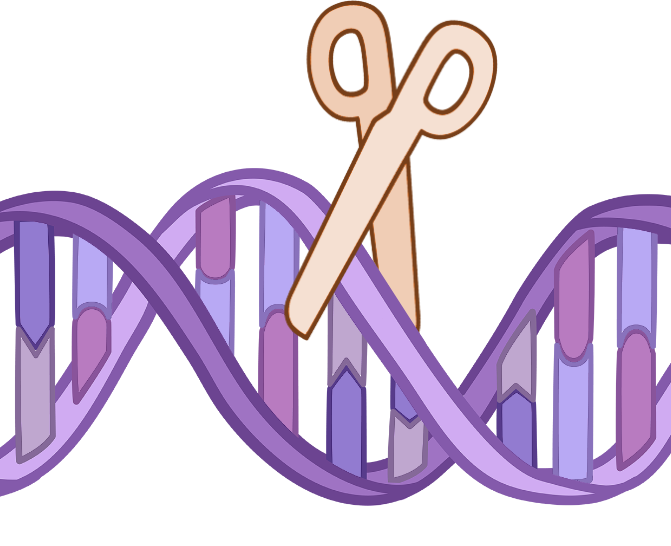
Scientists actively wield CRISPR technology to edit DNA with astonishing precision, transforming the battle against genetic diseases. CRISPR, short for Clustered Regularly Interspaced Short Palindromic Repeats, operates like programmable molecular scissors guided by RNA molecules. Researchers design the guide RNA to locate a specific faulty gene sequence and direct the Cas9 enzyme to cut the DNA at that exact spot. They then rely on the cell’s natural repair machinery to insert corrected genetic material or disrupt harmful sequences.
CRISPR has already shown promising results in conditions like sickle cell disease and beta thalassemia. In these conditions, the therapy works by increasing fetal hemoglobin, which helps compensate for defective adult hemoglobin. In December 2023, the FDA approved Casgevy (exagamglogene autotemcel), a CRISPR-based gene-editing therapy. Doctors collect a patient’s hematopoietic stem cells, edit them ex vivo to reactivate fetal hemoglobin production by disrupting the BCL11A gene. They then infuse the corrected cells back into the body. Clinical trial data showed extraordinary success: 96.7% of sickle cell patients achieved freedom from severe vaso-occlusive crises for at least 12 consecutive months, with many remaining crisis-free for over 35 months in a longer follow-up. And, in transfusion-dependent beta thalassemia, 91% of treated patients became independent of regular blood transfusions.
The broader implications should excite every healthcare professional. CRISPR shifts medicine from lifelong symptom management to potential one-time cures for inherited conditions. Researchers now target inherited blindness with in vivo editing, cystic fibrosis by correcting CFTR mutations, and Duchenne muscular dystrophy by restoring dystrophin production. Because CRISPR enables personalized medicine at the genetic level, families who carry generational burdens can now envision healthy futures for their children.
2. mRNA Vaccine Technology
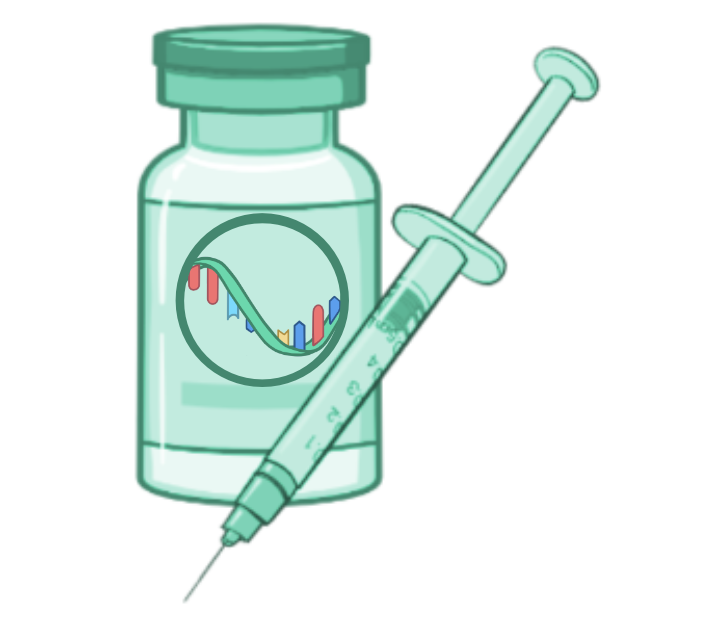
Researchers pioneered mRNA vaccine technology as a versatile platform that instructs human cells to produce protective proteins, representing a seismic shift in how we develop and deploy vaccines. Instead of using weakened or inactivated viruses, scientists synthesize messenger RNA sequences that code for specific antigens. Once injected, cells translate the mRNA into the target protein, triggering a robust immune response that includes antibodies and T-cell memory. The mRNA degrades naturally afterward, leaving no permanent genetic change.
The world witnessed mRNA’s power during the COVID-19 pandemic. Pfizer-BioNTech and Moderna designed, tested, and rolled out highly effective vaccines in under a year, saving tens of millions of lives and preventing countless hospitalizations. That success unlocked endless possibilities. Today, over 550 mRNA therapeutic trials span oncology, infectious diseases, and autoimmune conditions.
For cancer, personalized mRNA vaccines target unique tumor neoantigens. BioNTech’s melanoma vaccine was a breakthrough, while pancreatic cancer trials showed up to an 86% reduction in recurrence risk among responders when combined with checkpoint inhibitors. HIV research is also gaining momentum through mRNA platforms, with phase I trials testing boosters designed to elicit neutralizing antibodies.
One platform now tackles viruses, cancers, and genetic errors with rapid redesign capability. Future outbreaks could see vaccines developed in weeks rather than years, and patients can have hope that preventive or therapeutic shots will soon address conditions long considered intractable.
3. CAR-T Cell Therapy
Clinicians engineer patients’ own immune cells to become cancer assassins through CAR-T cell therapy, resulting in powerful, lasting remissions, especially in blood cancers. Doctors extract T cells via apheresis, insert a chimeric antigen receptor (CAR) gene that recognizes specific tumor surface proteins, expand the modified cells in the laboratory, and reinfuse them after lymphodepletion. The CAR-T cells proliferate upon encountering cancer, release cytokines, and systematically destroy malignant cells while forming memory populations for long-term surveillance.
Since the first approvals in 2017, CAR-T therapies have transformed outcomes for relapsed or refractory B-cell acute lymphoblastic leukemia, large B-cell lymphoma, and multiple myeloma. CD19- and BCMA-targeted therapies have improved long-term survival and often achieve prolonged remissions in patients with historically poor prognoses.
Physicians are also exploring CAR-T for autoimmune diseases. In this instance, the resetting of the immune system offers potential cures. CAR-T’s precision immunology is advancing research toward CAR-T use in solid tumors, once considered nearly impossible due to immunosuppressive microenvironments and antigen heterogeneity.
4. Immunotherapy for Cancer
Immunotherapy harnesses the body’s immune system to recognize and attack cancer cells, which often evade detection by disguising themselves or suppressing immune responses. It works by training T cells to recognize tumor-specific antigens and enhancing their activity through vaccines, engineered cells such as CAR-T cells, or monoclonal antibodies. This restores the immune system’s natural ability to destroy malignant cells while preserving healthy tissue.
Checkpoint inhibitors are a type of cancer immunotherapy drug that works by taking the “brakes” off your immune system so it can better recognize and attack cancer cells, and they’re dramatically extending survival in previously lethal cancers, such as melanoma and lung cancer. Monoclonal antibodies block inhibitory proteins that tumors exploit to evade immune attack. When blocked, T cells activate fully, infiltrate tumors, and eliminate malignant cells while generating long-term memory. The impact has been dramatic. In advanced melanoma, for example, response rates exceed 40–50%, yielding durable remissions and increasing long-term survival.
Researchers combine immunotherapy with chemotherapy, radiation, targeted agents, and personalized neoantigen vaccines to broaden efficacy across a variety of cancer types. For non-small cell lung cancer, these agents have become first-line therapy, significantly extending progression-free and overall survival when compared to chemotherapy alone.
Immunotherapy stands out as one of the most promising areas in oncology because it harnesses the patient’s own immune system to recognize and destroy cancer cells, often where traditional treatments have failed. Unlike chemotherapy, it offers potential for lasting immune memory with fewer indiscriminate toxicities.

5. Artificial Intelligence (AI) in Healthcare
We now embed artificial intelligence throughout healthcare, enhancing diagnostics, interpreting medical imaging, predicting disease trajectories, and accelerating drug discovery at breathtaking speed. AI systems analyze millions of data points, including radiology scans, electronic health records, genomics, and wearable metrics, to detect patterns humans might miss. In hospitals, AI prioritizes stroke alerts, triages emergency department patients, and suggests personalized treatment regimens based on genetic profiles and real-world evidence.
Machine learning accelerates drug development by analyzing large chemical and biological datasets to predict molecular interactions, identify promising drug candidates, and optimize compounds more quickly than traditional methods. AI reduces trial-and-error, shortening development timelines, cutting costs, and enabling precision medicine through pattern recognition in genomics and protein structures.
Many physicians are beginning to integrate AI-based decision support tools into their daily workflows to improve diagnostic accuracy and efficiency. For example, predictive models can help identify patients at risk of sepsis or hospital readmission, enabling earlier intervention. AI systems can also analyze large datasets (such as medical images or electronic health records) to detect subtle patterns that might be difficult to recognize otherwise.
Together, these tools can support earlier diagnosis, more targeted treatment decisions, and better use of healthcare resources, ultimately helping deliver safer, more timely care to patients.
6. Gene Therapy Advancements
Gene therapy enables doctors to deliver functional genes to replace, supplement, or repair defective genes, offering long-term benefits for rare genetic disorders. The corrected genetic material is carried into target cells, where it integrates into the genome to produce missing proteins. One-time or infrequent administrations can restore normal physiology.
Researchers have targeted muscular dystrophies, metabolic disorders, and neurodegenerative conditions, with landmark approvals defining the decade’s progress. Zolgensma halts spinal muscular atrophy progression in infants with a single intravenous dose. Luxturna restores vision in RPE65-related retinal dystrophy. Hemophilia A and B therapies dramatically reduce bleeding episodes and the need for factor replacement.
In 2026, the FDA proposed a new “plausible mechanism” framework to accelerate approvals for ultra-rare diseases using small, well-controlled studies when larger trials prove infeasible, supporting bespoke genome editing and RNA-based therapies tailored to individual mutations. Gene therapy shifts paradigms toward curative intent, filling patients and health professionals with the hope that many genetic burdens will become historical footnotes.

7. Telemedicine and Digital Health
Providers dramatically expanded virtual care during the COVID-19 pandemic, and telemedicine now delivers convenient, high-quality healthcare to populations previously limited by geography or mobility. Secure video platforms, remote monitoring devices, and mobile applications connect patients with specialists instantly. Physicians conduct consultations, review labs, adjust medications, and provide counseling without requiring physical travel, reducing patient time and costs, improving access to care for those in remote or underserved areas, increasing convenience and flexibility in scheduling, and enabling more consistent follow-up and chronic disease management.
Rural and underserved communities gain enormous benefits. Patients in remote areas access cardiology, endocrinology, or psychiatry expertise that once demanded prohibitive travel. For example, a patient in a rural area can now have a cardiology follow-up visit without the logistics or risks of traveling for hours to a specialty center. Digital health tools enable timely interventions that prevent complications. Digital therapeutics and AI-enhanced symptom checkers improve adherence and self-management for chronic conditions.
Remote monitoring and digital health platforms are transforming patient care by enabling continuous, real-time data collection and analysis through connected systems, facilitating proactive interventions, early detection of complications, fewer hospital readmissions, and tailored chronic disease management. Patients gain greater engagement from home, while AI-powered predictive tools anticipate risks, driving preventive, efficient, and truly patient-centered healthcare.
8. 3D Bioprinting and Regenerative Medicine
Engineers use 3D bioprinting to construct living tissues and organs layer by layer with patient-derived cells, advancing regenerative medicine toward solving transplant shortages and tissue damage. Bioinks mix stem cells, growth factors, and biocompatible scaffolds to create structures that mimic the body’s natural architecture.
Bioprinting already has many uses, including surgeons using printed anatomical models for preoperative planning, reducing operative times, and improving precision in complex cases. The application of bioprinted skin grafts to severe burn victims achieves faster healing with less scarring. Early clinical use of laboratory-grown bladders and tracheas demonstrate integration and function. Research teams are bioprintingheart patches that improve cardiac contractility post-infarct and work toward full organs with perfusable vascular networks.
Regenerative strategies are now combining bioprinting with gene editing and stem cell modulation to restore liver, kidney, and nerve function, with trials showing accelerated wound healing and reduced fibrosis. Most notably, this technology promises to eliminate long transplant waitlists and the complications of rejection. The thrill arises from envisioning on-demand custom organs that will revolutionize regenerative medicine.
9. Wearable Health Technology
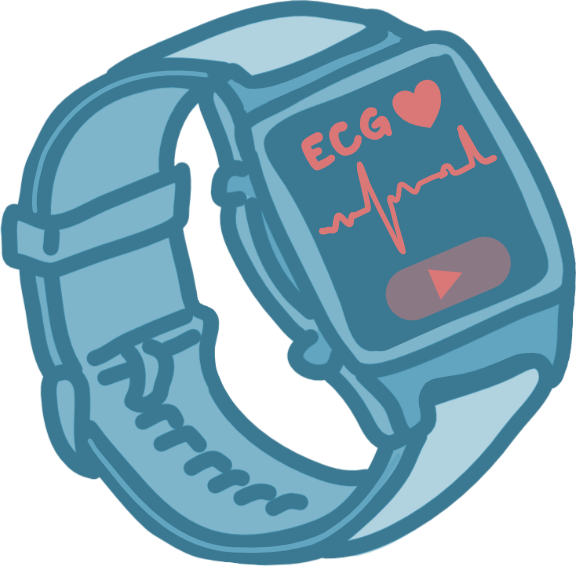
Wearable devices are becoming increasingly popular, continuously tracking physiological metrics to empower proactive health management and early disease detection. Smartwatches and patches monitor heart rate variability, oxygen saturation, sleep architecture, physical activity, and even ECG signals with clinical-grade accuracy. Advanced algorithms can detect atrial fibrillation episodes, predict falls, identify abnormal glucose excursions, and immediately notify users and clinicians.
Physicians incorporate wearable data streams into electronic records for holistic patient insights. Hypertensive or diabetic patients have been shown to adjust their behaviors based on immediate feedback, significantly lowering complication rates. Large-scale studies confirm that wearables reduce stroke incidence through timely arrhythmia alerts while also improving chronic disease control metrics.
Wearables are transforming patients from passive recipients into active partners in their health journey. Doctors can detect problems days or weeks earlier, personalize prevention strategies, and reduce unnecessary clinic visits. The accessibility of these devices democratizes high-quality monitoring, turning personal data into powerful, lifesaving preventive action for patients.
10. Microbiome-Based Therapies
Scientists now recognize the trillions of microbes in the human gut as central orchestrators of immunity, metabolism, digestion, and even brain health, with researchers now deploying microbiome-based therapies to restore natural balance through relatively gentle interventions that improve digestion, bolster immunity, and enhance overall well-being. A great example of this therapy is fecal microbiota transplantation (FMT), which involves transferring stool from a healthy colon into an unwell one, and repopulating the gut with healthy donor bacteria, curing recurrent, antibiotic-resistant Clostridioides difficile infections.
Emerging research is exploring the modulation of the microbiome for inflammatory bowel disease, metabolic syndrome, and allergies. The engineered bacteria act as living drug factories, producing anti-inflammatory molecules or enzymes directly in the intestine. In addition, clinical trials also link microbiome composition to mental health outcomes, with “psychobiotics” showing promise for depression and anxiety by influencing the gut-brain axis.
The Future of Medical Innovation
These medical breakthroughs have propelled medicine into an exciting new era of precision, prevention, personalization, and regeneration. Continued investment in research, international collaboration, ethical oversight, and equitable access will determine how fully we realize their potential. Addressing cost barriers, training the workforce, and ensuring responsible implementation that benefits everyone are all essential.
Together, these innovations highlight a shift toward more personalized, preventive, and data-driven care. While challenges like cost and access remain, continued research and collaboration will shape how widely these advances benefit patients. The journey of discovery continues, and there’s little doubt that the best days of medicine are still unfolding.
Key Takeaways
- Modern medicine is shifting from reactive care to proactive, preventive, and personalized approaches.
- Breakthroughs in gene editing, mRNA, and gene therapy are redefining treatment possibilities.
- AI is accelerating diagnostics, drug discovery, and clinical decision-making.
- Digital health tools like telemedicine and wearables are expanding access and continuous care.
- Regenerative medicine and microbiome research are opening new frontiers in healing and disease management.
References
- https://pmc.ncbi.nlm.nih.gov/articles/PMC10401902/
- https://news.wsu.edu/press-release/2024/11/14/ai-method-can-spot-potential-disease-faster-better-than-humans/
- https://www.osmosis.org/learn/Sickle_cell_disease_(NORD)
- https://hms.harvard.edu/news/creating-worlds-first-crispr-medicine-sickle-cell-disease
- https://jamanetwork.com/journals/jama/article-abstract/2809736
- https://www.chop.edu/news/researchers-publish-final-results-key-clinical-trial-gene-therapy-sickle-cell-disease
- https://www.nejm.org/doi/full/10.1056/NEJMoa2309673
- https://hms.harvard.edu/news/gene-editing-improves-vision-some-people-inherited-blindness
- https://www.cff.org/research-clinical-trials/gene-editing-cystic-fibrosis
- https://pmc.ncbi.nlm.nih.gov/articles/PMC3124804/
- https://www.nature.com/articles/s41586-020-2622-0
- https://pmc.ncbi.nlm.nih.gov/articles/PMC12931907/
- https://investors.biontech.de/news-releases/news-release-details/biontech-announces-positive-topline-phase-2-results-mrna/
- https://www.science.org/doi/10.1126/scitranslmed.ady6831
- https://www.cancer.org/cancer/managing-cancer/treatment-types/immunotherapy/car-t-cell.html
- https://my.clevelandclinic.org/health/procedures/apheresis
- https://pmc.ncbi.nlm.nih.gov/articles/PMC10770848/
- https://aacrjournals.org/cancerdiscovery/article/7/10/OF1/6073/First-Ever-CAR-T-cell-Therapy-Approved-in-U-S
- https://pmc.ncbi.nlm.nih.gov/articles/PMC9475465/
- https://www.sciencedirect.com/science/chapter/edited-volume/abs/pii/B9780323661812000123
- https://car-t-access.org/what-difference-between-cd19-and-bcma-car-t-therapy.html
- https://www.sciencedirect.com/topics/immunology-and-microbiology/immunotherapy
- https://www.cancer.gov/about-cancer/treatment/types/immunotherapy/checkpoint-inhibitors
- https://www.frontiersin.org/journals/immunology/articles/10.3389/fimmu.2023.1129323/full
- https://pmc.ncbi.nlm.nih.gov/articles/PMC7019511/
- https://www.fda.gov/vaccines-blood-biologics/cellular-gene-therapy-products/what-gene-therapy
- https://pmc.ncbi.nlm.nih.gov/articles/PMC12177741/
- https://www.zolgensma.com/
- https://luxturna.com/
- https://www.jthjournal.org/article/S1538-7836(25)00915-8/fulltext
- https://www.hhs.gov/press-room/fda-launches-framework-accelerating-development-individualized-therapies-ultra-rare-diseases.html
- https://www.sciencedirect.com/topics/agricultural-and-biological-sciences/bioprinting
- https://www.sciencedirect.com/topics/medicine-and-dentistry/digital-health
- https://www.sciencedirect.com/science/article/abs/pii/S0294126025001128
- https://heartresearch.com.au/research/mending-broken-hearts-using-bio-printed-patches/
- https://www.nature.com/articles/s41591-018-0268-3
- https://pmc.ncbi.nlm.nih.gov/articles/PMC11461032/
- https://www.frontiersin.org/journals/microbiology/articles/10.3389/fmicb.2026.1804560/abstract
- https://www.sciencedirect.com/topics/medicine-and-dentistry/microbiome

Try Osmosis today! Get your free trial today to find out why millions of clinicians and caregivers love learning by Osmosis.
Leave a Reply