
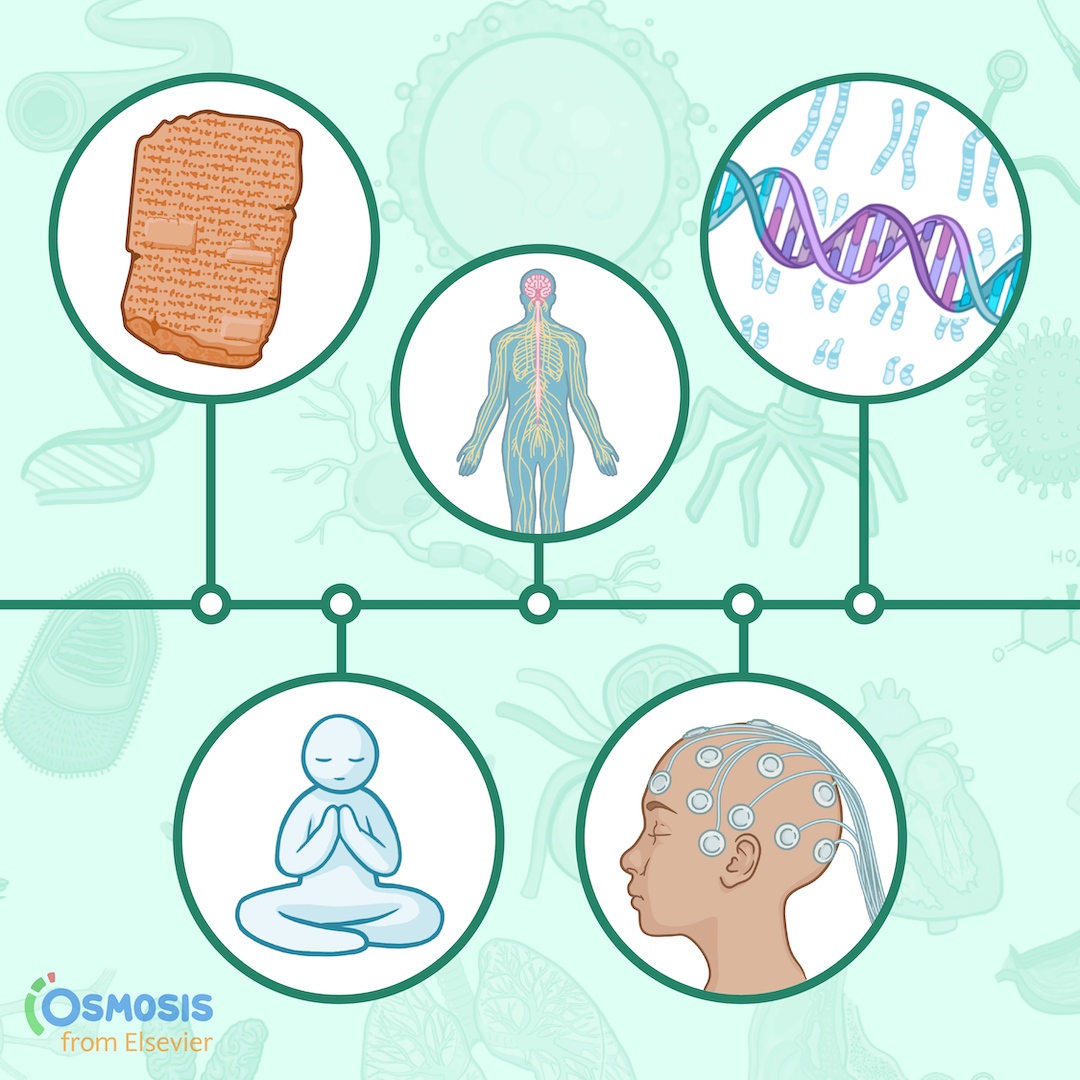
Grab your favorite snack and buckle up for a mind-blowing ride through the epic and electrifying history of neurology — the medical specialty that grapples with the brain, spinal cord, and nerves. This field tackles everything from migraines that hit like a freight train to disorders like Alzheimer’s that rewrite your entire story, and has evolved throughout human history from the days of ancient shamans blaming seizures on angry gods to modern-day labs where scientists wield MRIs, gene-editing gadgets, and AI like sci-fi superheroes.
Let’s unravel how neurology morphed from mystical mumbo-jumbo to a scientific superstar that’s saving lives, decoding minds, and pushing the boundaries of what it means to be human.
Early Understandings of the Brain: Mysticism and Ancient Beliefs
Let’s head to ancient Egypt, around 3000 BC, where the brain was the ultimate wallflower at the organ party. The heart was considered the superstar, claiming the spotlight as the presumed seat of intelligence, emotions, and basically everything that made you, well, you. The brain? Just some squishy gunk they’d yeet out during mummification.
The discovery of the Edwin Smith Papyrus, an ancient guide to trauma, transformed these beliefs, revealing critical medical insights, like head injuries can cause limb dysfunction, slurred speech, or unconsciousness. Treatment was purely spiritual performance, with chants to Thoth, the healing god, and herbal potions that were more hope than science.
Over in Mesopotamia, things got downright spooky. Epileptic seizures were blamed on demons crashing the soul’s party or gods throwing divine tantrums. Clay tablets from the 7th century BC described fits with creepy precision: limbs flailing, eyes rolling, and froth at the mouth. And the treatment was peak exorcist energy. Priests waved amulets, chanted incantations, and begged evil spirits to exit the body. And while their treatments were more prayer than potion, they were meticulous about symptoms, scribbling notes like ancient detectives.
Ancient India brought its own mystical flair. Ayurvedic texts, such as the Charaka Samhita, waxed poetic about “prana“. This cosmic life force zipped through channels, which sounded suspiciously like nerves — got tremors, convulsions, or a foggy mind? Pop some herbs, meditate, and realign your chakras. In China, the Huangdi Neijing blamed neurological drama on “qi” energy gone haywire, with acupuncture prescribed to get the vibes flowing. Both cultures saw the brain as a mystical resting point for the soul, not a command center. Seizures, madness, or paralysis? Clearly, your spiritual connection was in doubt, or the gods were feeling cantankerous.
Artifacts from these eras are like time capsules of quirky, brainy anecdotes, with Mesopotamian amulets etched with anti-demon spells, Egyptian papyri scribbling injury notes, Indian charms for mental clarity, and Chinese acupuncture needles for energy alignment. These early physicians were sharp observers, jotting down symptoms like convulsions, paralysis, or migraines with driven detail. While their cures leaned hard into rituals and prayers, their symptom logs were the first wobbly steps toward something resembling science. They didn’t know it, but they were planting seeds for neurology’s future.
The Classical Era: Foundations of Neurology
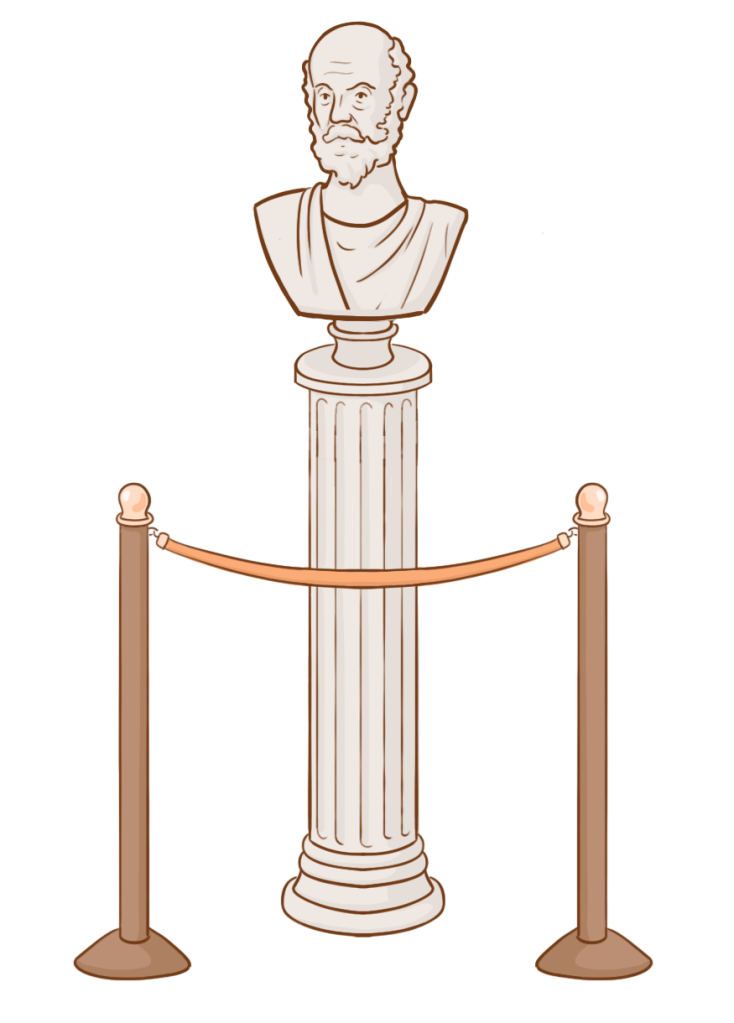
Our next stop is, of course, ancient Greece, where views shifted from mostly magical to more substantive thinking. Hippocrates (460–370 BCE), the OG of medicine, even called epilepsy the “sacred disease” simply to aggravate the mystics. His mantra? Observe the patient and skip the prayers. Instead of chalking it all up to magic, he observed that head injuries can affect movement, speech, and even consciousness, sowing the seeds of what would become modern medicine centuries later.
Then came Galen, the Roman dissection rockstar. He figured out the brain was mission control for senses and movement. However, his theory that “animal spirits” surging through brain ventricles and powering the body was, while super creative, totally wrong. Galen’s ideas were the medical standard for over a millennium, with Islamic scholars like Avicenna keeping his texts alive through the Middle Ages. He described stuff like apoplexy (stroke) and convulsions and linked them to brain or nerve damage. His cures, bloodletting, and dodgy potions were more enthusiastic than accurate. Still, he was sketching the nervous system like an artist, giving future doctors a roadmap to build on.
Other Greek brainiacs, like Alcmaeon of Croton, were early proponents of the brain-over-heart theory. They argued our brains were the real source of thought, sensation, and action. By the classical era, physicians were connecting the dots between brain injuries and symptoms like paralysis, tremors, or speech loss, leaving behind the “cursed by Apollo” justification. They poked at spinal cords and nerves, and noticed how damaging it was when they messed with the body’s wiring. Treatments were still relatively primeval, but the shift from mystical to anatomical thinking was massive. The extensive work of the “classical crew” laid the foundation for neurology, recognizing that the brain was, in fact, pretty important. Their work was like the first rough draft of a neuroscience textbook. Although scribbled in togas and candlelight, it set the stage for centuries of brainy breakthroughs.
The Renaissance and Enlightenment: Advancing Neurology Knowledge
The Renaissance and Enlightenment were neurology’s teenage years, awkward, curious, and ready to take on the world with a newfound sense of purpose.
By the 14th century, dissections were back in style, shaking off the historically religious “no cutting into bodies” rules that had kept dissections off-limits for ages. Andreas Vesalius, an anatomy wizard, published De Humani Corporis Fabrica, with brain illustrations so stunning they’d make Osmosis content creators weep. Vesalius also debunked Galen’s weirder ideas, demonstrating that the brain is a delicate and complex masterpiece. His excellent work set the stage for neurology’s big break, with his detailed drawings of nerves and brain structures inspiring a generation of doctors to be more curious in their work.
Then there’s Thomas Willis (1621-1675), an English doctor who basically invented neurology. His work on Cerebri Anatome was a love letter to the nervous system. It mapped cranial nerves and named the Circle of Willis (a brain artery hotspot that’s still a big deal). And Willis wasn’t just doodling pretty pictures. He observed patients with epilepsy, migraines, and strokes, then linked their symptoms to specific zones of the brain. Willis saw the nervous system as a unified network, not a mystical receptacle, and his clinical notes on disorders, such as chorea, paralysis, and even sleep disorders, were pure gold for future doctors. He was the guy who gave the field its name and a sense of purpose.
The science of the Enlightenment took medicine to new levels. Researchers like John Hunter zapped nerves with electricity, proving they weren’t just fancy strings but actual signal carriers buzzing with life. Others started cataloging disorders like epilepsy, paralysis, migraines, and even “hysteria” with obsessive detail. The nervous system was now the body’s command center, and neurology was striding into the spotlight.
By the 18th century, anatomists were sketching nerve pathways, experimenting with stimulation, and dreaming up theories about how brains sparked movement, thought, and even emotion. They poked at frog legs to see muscles twitch, messed with early batteries to test nerve responses, and debated whether the brain was a single unit or a collection of specialized parts. It was like the brain finally got its own fan club, complete with nerdy debates about function, structure, and what made humans tick.

19th Century Breakthroughs: The Birth of Modern Neurology
The 19th century was when neurology threw a coming-out party and became a new specialty. Jean-Martin Charcot, the French godfather of neurology, turned Salpêtrière Hospital in Paris into a neurologist’s paradise. He studied everything: Parkinson’s, hysteria, matching symptoms to brain damage like a crime-scene investigator cracking a case. His clinic was a training ground for neuro-super stars, spreading the way and the truth: symptoms plus anatomy equals answers. Charcot’s lectures were regularly packed, with students flocking to learn how to spot a tremor, diagnose a stroke, or untangle the mystery of “hysterical” paralysis. His work made neurology a household name in medicine, and his vibe was pure swagger, blending clinical genius with a flair for the dramatic.
Paul Broca was the localization legend. In 1861, he autopsied a man who could only say “tan” and found a busted spot in the frontal lobe, now referred to as Broca’s area, as the speech command center. This take was a game-changer. The brain had specific zones with distinct functions, such as speech, movement, and memory. Carl Wernicke soon followed up, pinpointing a language comprehension area (Wernicke’s area). John Hughlings Jackson soon followed up with cracking epilepsy’s code, demonstrating that seizures followed brain electrical patterns like a glitchy circuit board. These discoveries revealed that the brain is a highly organized machine, not a mystical mush.
Santiago Ramón y Cajal, using Camillo Golgi’s staining technique, revealed that the nervous system is composed of individual neurons communicating via synapses rather than a continuous web. His sketches were so amazing that they earned him a Nobel Prize in 1906, and his neuron doctrine remains the bedrock of brain science to this day.
Microscopes revealed what went wrong in diseases like Alzheimer’s (plaques and tangles clogging brain circuits) and Huntington’s (genetic chaos causing neuron death). New tools like the ophthalmoscope and reflex hammer made diagnosing brain tumors, spinal injuries, or nerve damage less of a wild guess and more of a precise art.
Lumbar puncture was introduced in 1891 by Heinrich Quincke, allowing doctors to sample spinal fluid, confirming diagnoses for meningitis, syphilis-related brain damage, or even early signs of MS. The 19th century was when neurology grew into a reputable field, with pioneers turning it into a science with serious skills. Instead of just treating symptoms, they mapped the brain’s blueprint, figured out what made it tick, and built a foundation for the high-tech future.
20th Century to Modern Neurology: Medical Research and Technological Innovation
The 20th century witnessed the first big tech explosion in neurology. Hans Berger’s EEG monitor let doctors eavesdrop on brain waves and made epilepsy and sleep disorder diagnoses a breeze. The arrival of CT scans (1970s) and MRI (1980s) gave neurologists superhero-like vision, allowing them to peek inside our brains to spot strokes, tumors, and multiple sclerosis without a scalpel in sight. Functional MRI (fMRI) took it to the next level, catching brains in the act of thinking, dreaming, and even zoning out. These new tools opened doors to the study of cognition, memory, emotions, and mental disorders like depression and schizophrenia.
From then on, disease breakthroughs came one after the other. Multiple sclerosis? An immune system rebellion attacking nerve insulation, caught red-handed on MRI with its telltale lesions. Parkinson’s? A dopamine drought in the substantia nigra, tackled with levodopa, turned shaky patients into smoother movers. Epilepsy was tamed with the use of anticonvulsants like phenytoin, carbamazepine, and valproate. Surgeries like temporal lobectomy, guided by EEG and imaging, turned chaotic seizures into manageable conditions. Alzheimer’s spilled its dirty secrets, amyloid plaques and tau tangles clogging brain circuits, while stroke care leveled up with clot-busting drugs like tPA and endovascular tricks like stents to clear blocked arteries.
Neurology continued to evolve, spawning a squad of new subspecialties: neuro-oncology for brain tumors, neuromuscular for muscle disorders like muscular dystrophy, pediatric neurology for tiny brains, neurocritical care for brain emergencies like traumatic injuries, and specialists in movement disorders for Parkinson’s and dystonia. Teaming up with neurosurgeons, psychiatrists, and geneticists made the field a juggernaut.
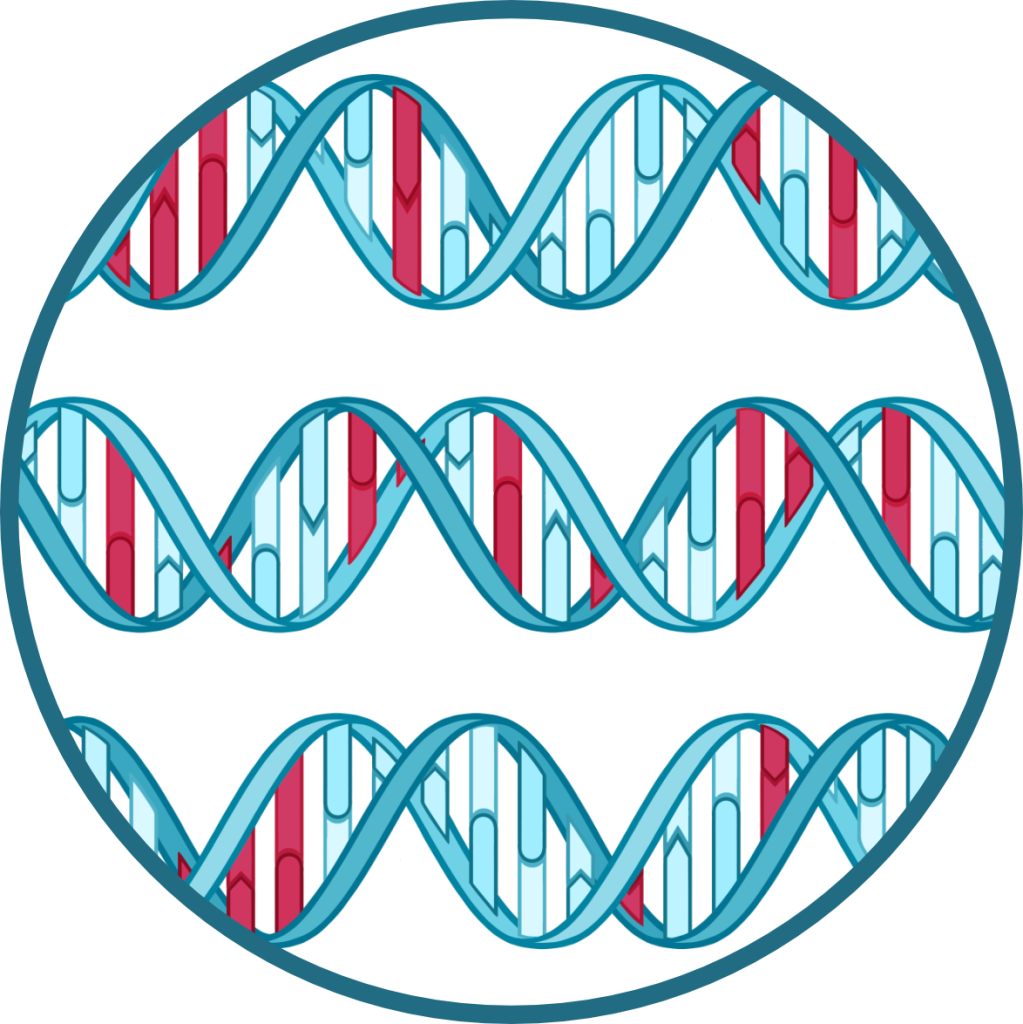
The 1953 discovery of DNA by Watson, Crick, and Franklin cracked open the genetic vault, revealing mutations behind Huntington’s, muscular dystrophy, and ALS. Molecular biology spilled the beans on neurotransmitters (like dopamine and serotonin), ion channels, and protein misfires, leading to game-changers like deep brain stimulation for Parkinson’s and monoclonal antibodies like ocrelizumab for MS.
Molecular biology spilled the beans on neurotransmitters (like dopamine and serotonin), ion channels, and protein misfires, leading to game-changers like deep brain stimulation for Parkinson’s and monoclonal antibodies like ocrelizumab for MS.
Today, neurology’s future is looking like a sci-fi blockbuster. Artificial intelligence is crunching brain data at lightning speed, predicting disease progression and personalizing treatments like a tailored playlist. Gene therapies and stem cells are offering hope for people with spinal cord injuries, ALS, and rare disorders like spinal muscular atrophy, by aiming to rebuild broken circuits. Brain-computer interfaces are straight-up fantastic, allowing paralyzed patients the ability to control tech with their thoughts. Research is regularly buzzing about the gut-brain axis, neuroinflammation, and new Alzheimer’s drugs like lecanemab that clear plaques. Clinical trials are chasing cures for glioblastoma, epilepsy, and rare genetic disorders, using your DNA, lifestyle, and even microbiome to pick the perfect therapy.
The Next Chapter for Neurology
Contemplating the future of neurology is dazzling. Picture neural implants letting you control devices with a thought, AI diagnosticians spotting diseases before symptoms hit, and gene-editing tools like CRISPR broken brain circuits at the DNA level. Medical researchers are exploring brain networks to unlock consciousness, tinkering with optogenetics to control neurons with light, and investigating psychedelics to address resistant forms of depression and PTSD. Neurology’s not just saving lives. It’s rewriting what’s possible, from decoding the mysteries of the mind to rebuilding damaged nerves. The brain’s the ultimate frontier, and we’re just scratching the surface of its secrets, with every new study pushing the boundaries of what we think the mind can do.
We’ve taken an extraordinary trip through time — from mystical madness to scientific stardom — following neurology on its steep trajectory as it tackles diseases once deemed unbeatable. How we’ve evolved in our understanding — from supplicating “animal spirits” to modern neurology as we know it — is an impressive monument to human ingenuity.
We recommend keeping an eye on neurology’s future, because we’re pretty sure it’s about to blow our minds wide open. Stay curious, my friends, because the brain’s got more plot twists than a blockbuster thriller, and the next chapter’s gonna be a doozy!
Key Takeaways
- Neurology evolved from ancient mystical beliefs to a rigorous scientific field.
- Ancient practitioners like Hippocrates and Galen laid foundational neurological knowledge.
- 19th-century discoveries mapped brain functions and neurological disorders.
- Modern imaging and genetics revolutionize diagnosis and treatment.
- Emerging tech like AI and gene therapy promise a transformative future.
References
- https://www.healthline.com/health/fitness-exercise/7-chakras#The-history-of-chakras
- https://www.osmosis.org/learn/Multiple_sclerosis:_Clinical_sciences
- https://www.osmosis.org/learn/Alzheimer_disease
- https://www.osmosis.org/learn/Huntington_disease
- https://www.osmosis.org/learn/Epilepsy
- https://www.osmosis.org/learn/Meningitis
- https://www.osmosis.org/video/CRISPR
- https://www.osmosis.org/learn/Movement_disorders:_Pathology_review
- https://www.osmosis.org/learn/Monoclonal_antibodies
- https://www.sciencedirect.com/topics/medicine-and-dentistry/history-of-neurology
- https://www.osmosis.org/learn/Muscular_dystrophy
- https://www.osmosis.org/learn/Major_depressive_disorder
- https://www.osmosis.org/notes/Schizophrenia_and_psychotic_disoders
- https://www.osmosis.org/learn/Parkinson_disease
- https://www.psychologytoday.com/ca/blog/consciousness-and-beyond/202306/ancient-concepts-of-the-mind-brain-and-soul
- https://onlinelibrary.wiley.com/doi/10.1111/ejn.13341
- https://2024.sci-hub.se/2696/223cdbf081fefd886021b520a3c8d90f/[email protected]#navpanes=0&view=FitH
- https://pubmed.ncbi.nlm.nih.gov/22947382/
- https://nah.sen.es/vmfiles/vol8/NAHV8N3202076_86EN.pdf
- https://www.britannica.com/biography/Thomas-Willis
- https://pmc.ncbi.nlm.nih.gov/articles/PMC3064755/
- https://www.britannica.com/biography/Paul-Broca
- https://pmc.ncbi.nlm.nih.gov/articles/PMC1360417/
- https://www.nobelprize.org/prizes/medicine/1906/cajal/biographical/
- https://2024.sci-hub.se/2793/0184ffa38234316cc9ea12b984040d89/[email protected]#navpanes=0&view=FitH
- https://pmc.ncbi.nlm.nih.gov/articles/PMC3064755/
- https://academic.oup.com/brain/article-abstract/123/12/2573/325738
- https://www.hopkinsmedicine.org/neurology-neurosurgery/about-us/history
- https://www.nature.com/articles/sc201074.pdf
- https://www.aan.com/about-the-aan/history
- https://www.med.upenn.edu/neurology/history.html
- https://www.nih.gov/news-events/news-releases/scientists-design-gene-delivery-systems-cells-brain-spinal-cord
- https://pmc.ncbi.nlm.nih.gov/articles/PMC11224934/
Try Osmosis from Elsevier today! Access your free trial and discover why millions of current and future clinicians and caregivers love learning with us.
Leave a Reply