

USMLE® Step 1 is the first major exam medical students take on their path to becoming a doctor. This 8-hour exam is designed to assess your understanding of concepts in pathology and physiology. It’s important to do well on this exam and this handy Osmosis.org guide will show you how to do just that!
What This USMLE Step 1 Guide Covers
It’s highly likely that since you been in medical school (or even before you started your program) you’ve been told how important the USMLE Step 1 Exam is. And as the first board exam you’ll take on your journey to becoming a full-fledged physician, the stakes are high.
For a bit of context, before Step 1 transitioned to Pass/Fail in 2022, your score had a huge influence on what your residency, specialty, and overall career options could be in the future. In fact, 94% of program directions stated that a candidate’s score on USMLE Step 1/COMLEX-USA® Level 1 was the most important factor when offering a prospective residency interview.
However, since Step 1 became Pass/Fail, residency programs generally place greater emphasis on your Step 2 CK performance, clerkship evaluations, letters of recommendation, research, and overall academic performance.
Nevertheless, passing Step 1 is still essential if you want to continue learning medicine, and it remains one of the most high-pressure exams you’ll take on the road to residency.
No big deal, right?
Take it from us: you can pass this exam! You’ve come this far through your medical school program, and you can make it all the way with the right plan. Osmosis has your back!
We’ll cover everything (and we mean everything) about USMLE Step 1, including:
- What’s covered on the USMLE Step 1 exam?
- How should I study for USMLE Step 1?
- How do I apply to take the USMLE Step 1 exam?
- When and where should I take the USMLE Step 1 exam?
- What score do I need to pass USMLE Step 1?
- What happens if I fail the USMLE Step 1 exam?
- How has the 2026 update changed the USMLE Step 1 exam?
- How do students use Osmosis to prepare for USMLE Step 1?
>> Want to download a copy of this guide? <<
So, without further ado, let’s get started with the most fundamental question to help you prepare for Step 1: What’s on the USMLE Step 1 exam?
What’s on the USMLE Step 1 exam?
Step 1 is a multiple-choice, computerized test offered at a designated exam center. Typically taken by medical students after their preclinical coursework, it assesses each student’s understanding of foundational medical science and is the first Pass/Fail exam in the three-part USMLE sequence, followed by Step 2 CK and Step 3. The Step 1 exam is divided into fourteen “blocks” or sections, each containing up to 20 questions to test your medical knowledge and analytical skills. You will have 30 minutes to complete each section.
What skills will the Step 1 exam test me on?
In general, USMLE Step 1 will require you to:
- Use your understanding of basic scientific principles to solve clinical problems
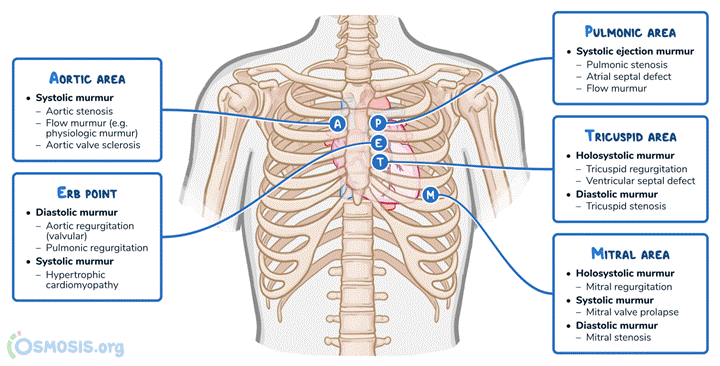
- Analyze and interpret data (graphs, tables, auscultation media, etc.)
- Recognize both physiological and pathological processes from gross and microscopic specimens
What topics are covered in Step 1?
USMLE Step 1 covers a range of didactic topics and evaluates you on a series of physician tasks and competencies:
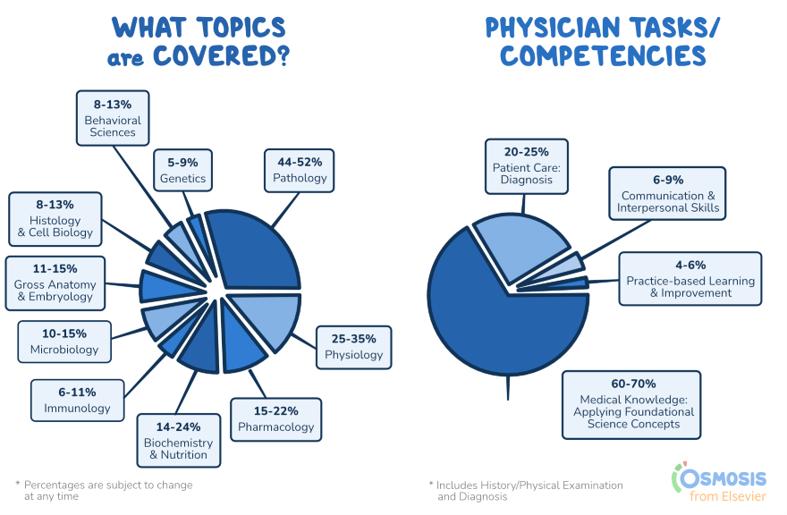
How are different topics weighted on USMLE Step 1?
Test items are divided into Systems and Processes as follows:
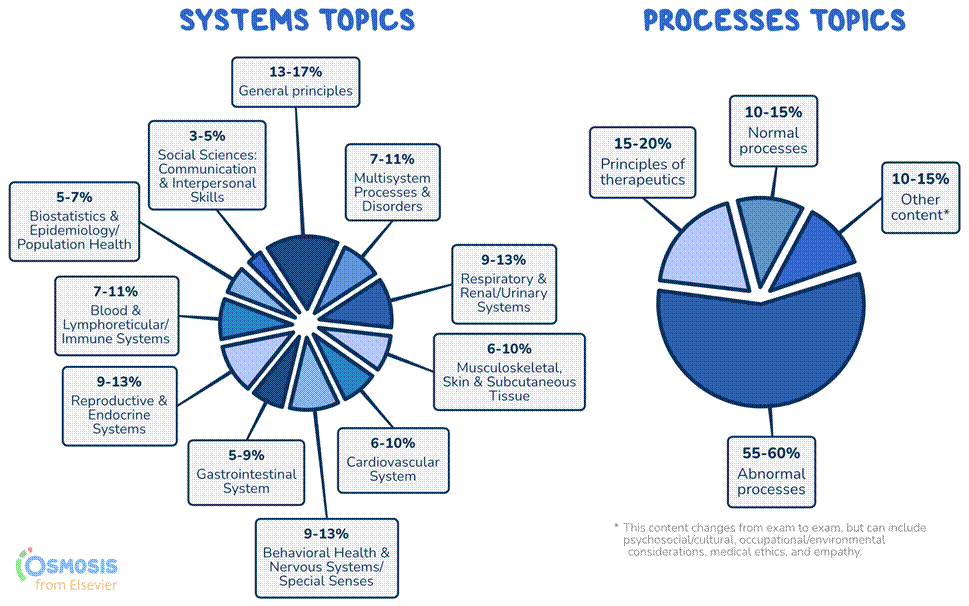
The Updated USMLE Step 1 Testing Experience
As of May 14, 2026, the USMLE Step 1 exam features an updated testing interface, but the exam itself remains fundamentally the same. While the software has been modernized, the content, scoring, and Pass/Fail standard haven’t changed.
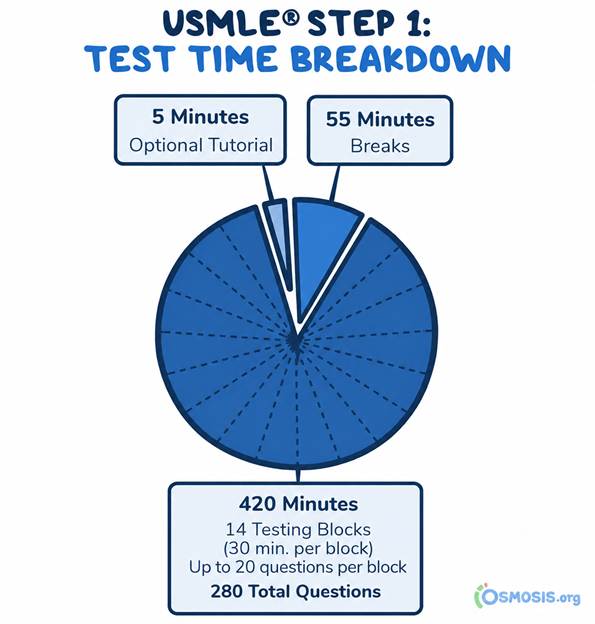
The biggest difference is the exam format. Step 1 is now administered in fourteen, 30-minute blocks with up to 20 questions per block, instead of seven, 60-minute blocks. You’ll still answer 280 total questions over the same testing day. In addition, break time has increased to 55 minutes, and the optional tutorial is now five minutes.
The updated interface also includes a cleaner design, improved navigation, and new features like adjustable image contrast. If you’re preparing for Step 1, it’s worth familiarizing yourself with the new, official Step 1 Interactive Testing Experience before exam day, but there’s no need to change your study strategy. The updates improve the testing experience rather than what you’re expected to know. In fact, the new interface reflects what’s used for the NBOME Shelf exams, so it’s a better learning experience in preparation for your upcoming assessments.
USMLE Step 1 Test Scores and Exam Duration
What score do I need to pass Step 1?
In February 2020, the NRMP announced that scoring for USMLE Step 1 would be changed to pass/fail. The transition from numeric scoring to pass/fail began with exams taken on or after January 26, 2022.
Score reports don’t share the number of questions, but they do break the test down into Systems and Disciplines. Here’s a quick look at a sample score report.
How long is the Step 1 exam?
The exam takes about 8 hours, broken down as follows:
- Tutorial: 5 minutes (optional)
- Breaks: 55 minutes in total
- Testing Blocks: 14 testing blocks, 30 minutes per block (~1.5 minutes per question)
There are some nuances around breaks that we’ll cover in more detail in the Step 1 Logistics section later in this guide.
What’s the best way to study for the USMLE Step 1 exam?
Now that you have a sense of what you’re going to be tested on, it’s time to come up with a strategy for how you’re going to learn all this information for the exam.
Preparing for USMLE Step 1 isn’t like studying for any other exam you’ve ever taken. You’ll need to understand, retain, and recall two years’ worth of foundational medical science. Mastering that volume of complex information requires a well-designed study plan. Start by developing learning habits that maximize comprehension, retention, and recall.
Developing Effective Learning Habits
Learning is a science, and decades of research have identified techniques that make studying more effective. By applying evidence-based learning strategies, you can improve comprehension, strengthen long-term retention, and recall information more confidently on exam day. Here are six proven learning science techniques to incorporate into your Step 1 study plan:
- Testing effect
- Spaced repetition
- Interleaving
- Multimedia learning
- Elaborative rehearsal (aka elaborative interrogation)
- Concrete examples
A Note on Spaced Repetition
Spaced repetition is a big part of why learning by Osmosis is so effective. But what is it and how does it work?
Spaced repetition is the practice of retrieving knowledge at increasing intervals to reduce forgetting and strengthen long-term retention. Incorporating it throughout your Step 1 preparation can help you retain foundational concepts as you move through new material. The challenge is that timing these reviews manually can be difficult. The Osmosis platform uses a spaced repetition algorithm to automatically surface key information at strategic intervals, supporting memory retrieval and helping reinforce what you’ve learned over time.
How to Pick a Few Good Resources and Stick to Them
There’s no shortage of USMLE Step 1 study resources, but more isn’t always better. Using too many resources can lead to unnecessary overlap, wasted time, and information overload. The key is choosing a set of resources that work well together. So, where should you start and how do you choose?
UWorld®, First Aid®, and Pathoma® (UFAP) are commonly used for Step 1 preparation. When paired with Osmosis, you can organize your study plan in one place and integrate all of your resources into a seamless learning experience. Think of Osmosis as your HQ and go-to support team for this momentous challenge ahead of you. And best of all, all of the UFAP resources can be integrated into the Osmosis Study Schedule for a completely seamless learning experience!
As you work through First Aid and UWorld, Osmosis.org helps fill in the gaps. Our extensive library of videos explains difficult concepts in a clear, visual way, making it easier to connect foundational science with clinical application and retain what you’ve learned for exam day.
Our videos cover important topics like basic sciences, biostatistics, epidemiology, pharmacology, microbiology, pathology, physiology, and more. Once you’ve watched our pathology videos, you can kick your studying into high gear with the Osmosis High Yield Pathology Review series, specifically designed to highlight and integrate all the important concepts needed for the USMLE Step 1.
Osmosis includes an extensive Qbank with more than 5,600+ USMLE Step 1-style practice questions covering pre-clerkship subjects such as pathology, anatomy, physiology, microbiology, and pharmacology. Every question is developed and regularly reviewed by the Osmosis content team to ensure it’s clinically relevant, patient-centered, inclusive, and aligned with current board exam expectations. As the Step 1 blueprint evolves, our question bank evolves with it, helping you prepare with confidence.
You can also use Osmosis AI, our built-in study companion, to ask questions, clarify difficult concepts, create Flashcards and practice questions, along with relevant Osmosis learning resources like High-Yield Notes without leaving your study workflow. Answers are grounded in trusted Elsevier content, with inline and textbook citations that make it easy to verify key information as you study.
Everyone takes a different approach to how they use Osmosis resources. Let’s go over some tips to put you on the right path!
Start Reviewing on Day One of Medical School
The sooner you start studying for Step 1, the better prepared you’ll be. Studying for Step 1 as you make your way through Year 1 and 2 will help you save time during your dedicated study period, because you’ll already have a solid foundation on key subjects. Schedule time to regularly review concepts you’ve already learned throughout each term (e.g., use the Osmosis Qbank approximately 30 minutes a day). That way, you ensure that key medical concepts and knowledge have made it into your long-term memory.
Some students begin preparing for Step 1 early in medical school by taking a practice exam before their dedicated study period. NBME self-assessments can help you establish a baseline, identify knowledge gaps, and prioritize the topics that need the most attention.
Go Through Each Resource as Many Times as You Need To
One of the best ways to assess your understanding is to “reach one, teach one.” If you’re able to explain a concept clearly to someone else, you’ve likely mastered it. If you struggle to explain it, you’ve identified an opportunity to strengthen your understanding before moving on to the next subject. Experiment with different study techniques and stick with the ones that help you understand, retain, and confidently recall the material.
Focus on Classical Presentations of Diseases
When studying pathology for Step 1, prioritize the classic presentations and hallmark features of diseases. These high-yield concepts form the foundation of many exam questions. Once you’ve mastered the basics, avoid overcomplicating your reasoning by dwelling on every rare presentation or exception. Focus on the most likely diagnosis, trust your clinical reasoning, and let the question stem guide your answer.
Stop Studying When You’re Running Out of Steam
It can be tempting to compare your study habits against those of your classmates (especially if some of your classmates claim they’re pulling regular all-nighters). However, longer study sessions don’t necessarily equate to better learning. If you’ve been studying for hours and notice your focus fading or the material isn’t sticking, it’s time to take a break.
It’s important that you don’t think of breaks as lost study time. Rest plays an important role in learning by giving your brain time to consolidate new information. Take some time to step away from your desk, close your laptop, and focus on something restorative, like taking a walk, exercising, or preparing a meal. You’ll return to your studies with better focus and a greater ability to retain what you’ve learned all because of taking some time away from studying.
Don’t Panic If You See a Classmate Using a Resource You’re Not Using
As we’ve mentioned already, everyone will take a slightly different approach to studying for USMLE Step 1. Find the tools that work best for you, and stick with them!

The Osmosis Learning Loop
Osmosis brings together videos, Qbank practice questions, flashcards, and other learning tools into a single, evidence-based study experience. Follow the Osmosis Learning Loop to reinforce key concepts, identify knowledge gaps, and strengthen long-term retention.
- Watch a video
- Go through the flashcards
- Test yourself with practice questions
- Review the information with High-Yield Notes
Then you can use Osmosis AI along the way to clarify difficult concepts, check your understanding, or turn what you’re learning into flashcards and practice questions. You can even pause an Osmosis video to ask for a simpler explanation, review high-yield points, or quiz yourself on the topic.
Learn How to Break Down USMLE-style Practice Questions
Knowing your systems and processes inside and out is just one aspect of studying for Step 1. You’ll also need to be familiar with how USMLE® questions are structured, so you can quickly eliminate incorrect answer options and make the best choice.
You can also use Tutor Mode in Osmosis AI to practice working through difficult concepts step by step. Instead of immediately giving you the answer, Tutor Mode uses guided questions to help identify knowledge gaps, reinforce key concepts, and strengthen the reasoning skills you’ll use when tackling Step 1-style questions.
Osmosis has a variety of resources to prepare for Step 1:
- How to Use Osmosis Quizzes to Prep for USMLE Step 1
- The Breakdown of USMLE® Step 1: What You Need to Know
- How to Ace Med School & The USMLE
Once you’ve had a chance to look over these resources, put what you’ve learned into action by testing yourself with +5,600 Qbank USMLE Step 1-style practice questions on the Osmosis platform.
>> Get started with the Osmosis QBank <<
Make Effective Use of Flashcards
Because flashcards are best suited for learning individual facts rather than interconnected concepts, they’re another convenient way to learn a high volume of information quickly, and a great way to study on the go.
Osmosis has +15,000 flashcards built into the platform, all containing information you may need to know for Step 1. You can also create reusable flashcards using our built-in tool or with Osmosis AI, including cloze, front/back, and fill-in-the-blank formats. Use our AI-generated flashcards within your existing study workflow or copy them into tools like Anki for additional review. You can also build your flashcard decks using the Flashcard Builder or Osmosis AI, which you can export or keep in Osmosis for one-stop studying built on trusted Osmosis and Elsevier content.
An added bonus: The Osmosis algorithm uses spaced repetition with our flashcards, saving you time and providing a method to review and learn medical concepts based on learning science.
Practice Multimedia Learning
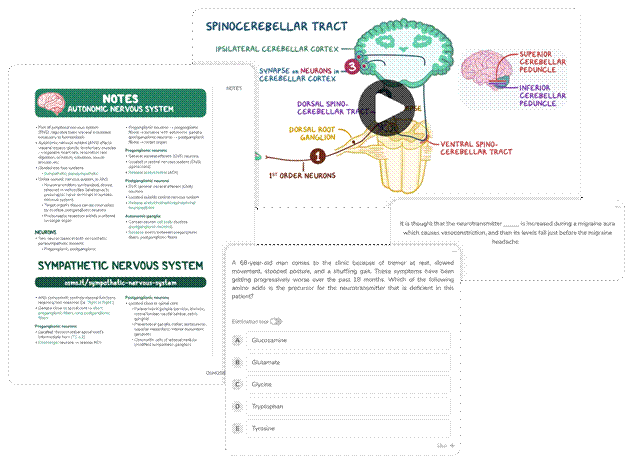
Osmosis uses multimedia learning and “chunking” to help you learn more efficiently. (This is the essence of learning by Osmosis!) We do this because the brain can only process a certain amount of new information at one time. So, we divide complex topics into smaller, digestible lessons or chunks to reduce cognitive load.
Each video lesson pairs visual explanations with narration and text, helping you connect concepts, reinforce understanding, and improve long-term retention. The result is a learning experience that’s easier to follow, more engaging, and better suited for mastering the foundational science tested on Step 1.
Take Practice Exams
You can register for an official Prometric practice session through the USMLE website and take a short practice test at your local Prometric test center, in the same environment that you’ll take the actual Step 1 exam. These practice tests are shorter than the exam you’ll take on test day, clocking in at around 3.5 hours, but they’re an excellent way to familiarize yourself with the exam setting.
Step 1 is a lengthy examination, and you need to arrive prepared to deal with what can be a physically and mentally exhausting experience. To get a feel for this, try to simulate the test environment with at-home practice tests before you take the exam.
The NBME’s comprehensive self-assessments will help you identify key areas you need to focus on to improve your score. Typically, they’re about 4 hours long, so doing two back-to-back practice sessions is grueling, but good training for test day.
>> Learn more about NBME self-assessment services <<
A note about NBME practice tests: Many students obsess over their practice test scores, which causes them unnecessary stress. Keep in mind that it’s a practice run, not an exact predictor of your Step 1 score. In fact, it’s one of your best tools to identify what you still need to study!
When should I take my Step 1 practice tests?
There are a range of approaches, and you should do what works for you. Some students may take a practice test every 2–3 weeks during their dedicated study period, including one at the Prometric test center. Some may take it months prior to their exam date. Whatever your approach, try to take a practice test at least a month before the actual exam. This way, if you don’t get a score within the range you want, you’ll have time to reevaluate your goals and rethink your strategy with minimal stress.
Develop your study strategy using the Osmosis Step 1 Study Schedule. It automatically integrates practice exams into your schedule if you create one during the dedicated period, which ranges from 4-8 weeks before your test date. The Osmosis platform will pick the optimal days for you to take your practice tests.
If you’re a little further out from your test date, or maybe you don’t have a date selected yet but still want to incorporate some practice exams into your schedule, our Step 1 Study Schedule allows you to input these dates manually, along with aligning other resources (Qbanks, flashcards, books, and videos).

How to Adapt Your Step 1 Study Plan
There’s no single Step 1 study plan that works for everyone. Use practice exams and question-bank performance to identify your strengths and knowledge gaps (again, spaced repetition is your friend), then adjust how you spend your study time based on your progress.
If you’re consistently strong in a subject, spend less time reviewing material you already know and more time on weaker areas. If your practice performance isn’t improving, reassess your approach: identify the topics or question types giving you trouble, adjust the resources or study techniques you’re using, and continue testing yourself to see whether those changes are working.
Your available study time matters, too. Whether you have several months or only a few weeks, prioritize high-yield concepts, practice questions, and the areas where you need the most improvement rather than trying to cover every resource equally.
Maintain Healthy Habits Leading Up to the Big Day
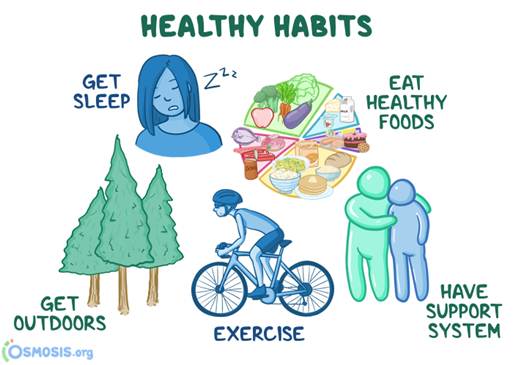
Keeping a healthy routine should be part of every study plan. Physical and mental self-care is crucial for thriving in every stage of your medical education, but the months, weeks, and days leading up to your first board exam are particularly stressful. Here are a few quick tips for maintaining equilibrium and managing any last-minute exam-day jitters so you feel fully ready to crush Step 1 on test day.
And remember, test anxiety is a real (and solvable!) problem that many students face. Check out our various webinars on Step 1 (note: you’ll need to log into Osmosis to watch them) and always feel empowered to ask for support and professional help if you need it.
Make Sure to Take Study Breaks
Taking a break gives your brain time to absorb information for the long term. Once you see your productivity levels starting to falter, it’s time to step away from the books and do something else, even if it’s just for a few minutes. Check out these study tips and more information on the value of breaks, plus advice on how to optimize your study space for maximum productivity, and more:
- How to Build Study Habits That Last
- Making the Most of Your Time in Medical School
- Battling Impostor Syndrome: How to Fight Back
- Procrastination Hacks: How to Dodge Exam Anxiety
- Time Management 101: How to get (and stay) organized while you’re in school
Exercise Helps, So Get Moving!
Physical exercise has positive benefits for cognitive performance. It’s also a great way to blow off steam and release anxious energy. Some Osmosis learners have even been known to watch Osmosis videos while they’re at the gym or going for a walk!
- Multitasking with Osmosis
- Establishing Balance in Medical School
- The Ultimate Guide to Wellness in Your Health Professional Program
Eat a Healthy Diet
When it comes to Step 1 studying, ramen noodles aren’t going to cut it. You need to eat real brain food. Eating a healthy, balanced diet of green vegetables, whole grains, and lean proteins will keep you alert and focused.
Maintain a Regular Sleep Schedule
Proper sleep hygiene is essential. Going to bed at a consistent time every night will keep your brain well-rested, which helps strengthen connections between ideas. While it might be tempting to sneak in a few flashcards on your phone before bed, try to avoid doing this. Stop studying, switch off your devices, and avoid screens at least an hour before bed.
Establish a Support System with Your Friends and Family
Maintaining relationships is challenging during medical school, especially during your Step 1 study period, but connecting with others is crucial for your mental well-being. Whoever you choose to be part of your support network, make sure to stay in regular contact with them. Having someone cheer you on as you reach towards your goals is incredibly motivating!
Celebrate Important Study Milestones
Preparing for Step 1 takes long-term, sustained focus and effort, so don’t wait until exam day to acknowledge your progress. Set smaller milestones throughout your study period, such as completing a block of content, reaching a practice-question goal, or finishing a practice exam, and take some time to recognize when you reach them.
Give yourself something to look forward to along the way, whether that’s an evening off, a favorite meal, time with friends, or another activity you enjoy. Breaking a long study period into smaller, achievable goals can make your progress feel more tangible and give you natural opportunities to step away, recharge, and return to studying with renewed focus.
Now, let’s get you prepared for the big day!
Stop Studying the Day Before the Exam
Now, this one might be a little controversial for die-hard USMLE preppers. But hear us out.
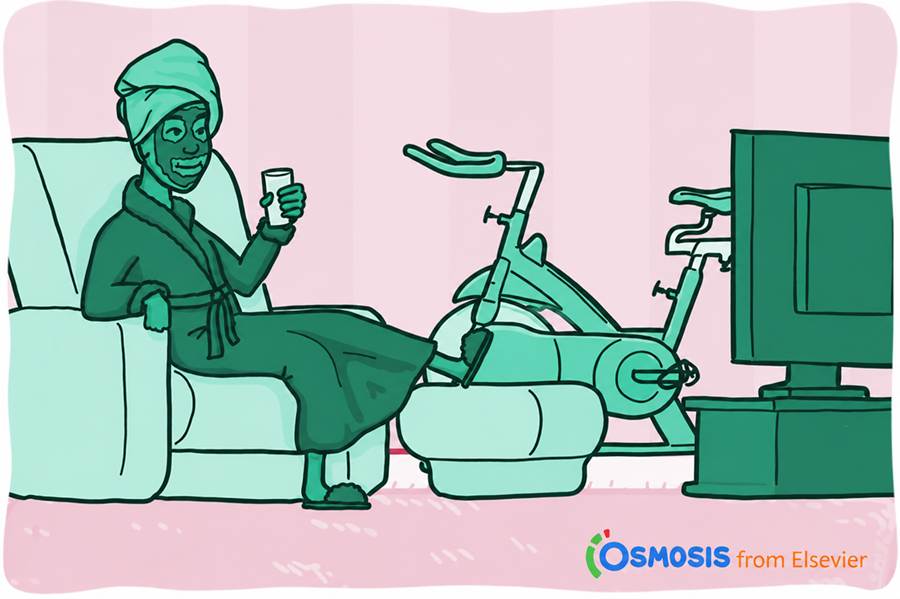
Dedicate the day before the exam to getting yourself into the right headspace. Relax, recharge, and take care of last-minute housekeeping tasks, like figuring out how to get to the test center, checking the weather, and preparing your snacks.
Consider creating a pre-exam ritual since this will be the first of many board examinations you’ll take over your career. Consider a massage or exercise class, a lunch date with a friend, or jumping into a hobby you’ve put off during exam prep time. Either way, the routines and rituals you make today will help you carry forward and become a nice reminder of how far you’ve come!
And don’t forget to go to bed on time and set your alarm!
USMLE Step 1 Exam Logistics: What you need to know for the big day
Now that you’re familiar with what’s on the USMLE Step 1 exam, how to study for it, and how to mentally and physically prepare for it, it’s time to look at practical details, like registering for and taking the exam.
How do I apply to take Step 1 as a US Student?
To register for the USMLE Step 1 exam, visit the NBME® Licensing Examination Services website, input your information, and pay a $695 registration fee. You’ll need to coordinate with your institution to have your documents sent to the NBME head office for processing. After you receive your email confirming your three-month testing window, head to the Prometric website to schedule a specific date.
How do I apply to take Step 1 as an International Medical Student?
If you’re an International Medical Graduate (IMG, e.g., you attend a medical school outside of the U.S. and Canada), you’ll need to register through the Educational Commission for Foreign Medical Graduates (ECFMG®).
Can I reschedule my Step 1 exam date if I need to?
Yes. You can reschedule your Step 1 appointment through Prometric. Rescheduling 31 days or more before your appointment is free; changes made closer to the exam incur a fee. Review the current Prometric rescheduling fees and deadlines before changing your appointment. Get the specifics on the USMLE website.
When should I take Step 1?
US medical students typically take Step 1 in April, at the end of their dedicated study period, but it varies by institution. Some students don’t take it until their third year when they’re in clinical rotations!
International students will often take Step 1 during the summer between their preclinical years and the start of clerkships (e.g., the summer after the second year in a four-year program or after the fourth year in a six-year program).
Whenever you take Step 1, make sure you give yourself plenty of time for review. Programs vary in their allotted Step 1 dedicated period for students. We recommend beginning your prep 3-6 months before your exam, but on average, 5-8 weeks (or 40 dedicated days, not including weekends or break days) is the recommended amount of time for a dedicated study period. However, because Step 1 is pass/fail, the amount of dedicated study time students and medical schools allocate may shift over time.
Where do I take USMLE Step 1?
Step 1 is administered at Prometric test centers. Use Prometric’s test-center search to find an available location, then review the center’s current ID requirements and operating status before exam day. To find your nearest test center, plug your ZIP code into Prometric’s website.
Testing policies and ID requirements can change, so review the current requirements on Prometric’s site before exam day. You should also check for test center closures, which are updated daily for disruptions caused by extreme weather, technical issues, or other circumstances.
What can I expect on test day?
Show up for the exam at least 30 minutes before the scheduled time to check in. You won’t be allowed to take the exam if you’re late. Bring a government-issued ID with a name that matches your scheduling notification.
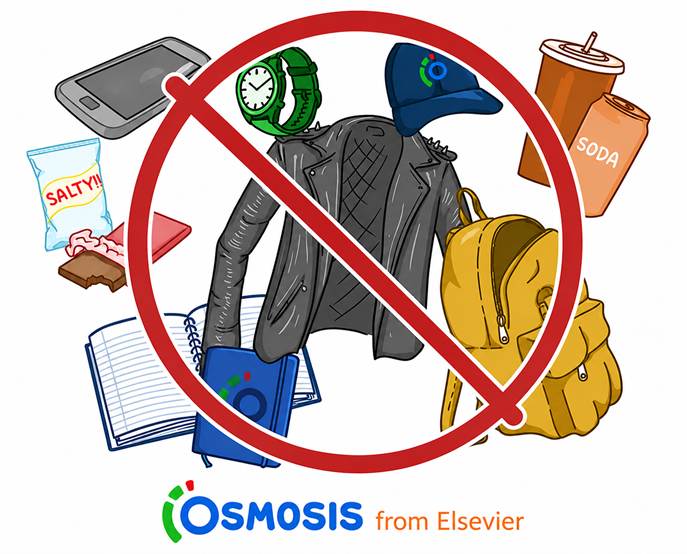
The exam center will provide a temporary locker for your belongings, which you’ll be able to access during your breaks. You’re not allowed to bring anything into the exam room with you other than your ID, locker key, soft earplugs, and noise-canceling headphones provided by the test center.
Items like eyeglasses will be inspected to check for cameras, and all jewelry, with the exception of wedding rings, is forbidden. Empty your pockets and prepare to be scanned with a metal detector before entering the exam room.
Note: When you leave the exam, don’t forget to bring the slip provided by the test center that proves you took the exam. If anything, it’ll serve as a reminder that the whole experience was real!
What is the USMLE Step 1 exam room like?
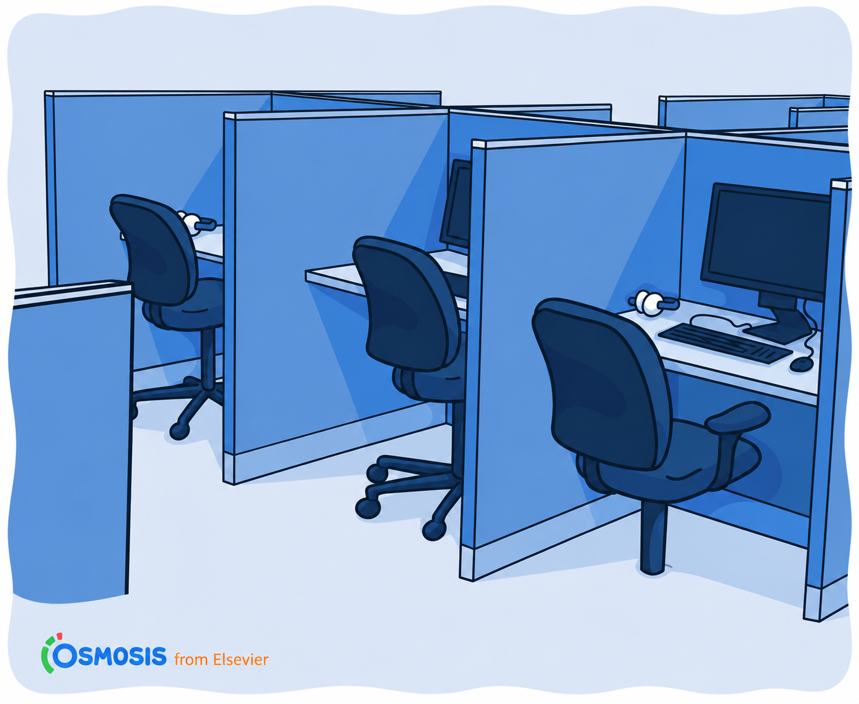
In a typical scenario, you’ll enter an exam room that looks like an office space. There will be cubicles with individual computers. You’ll be told which is yours before entering the exam room. If you experience issues with your assigned computer, inform staff immediately.
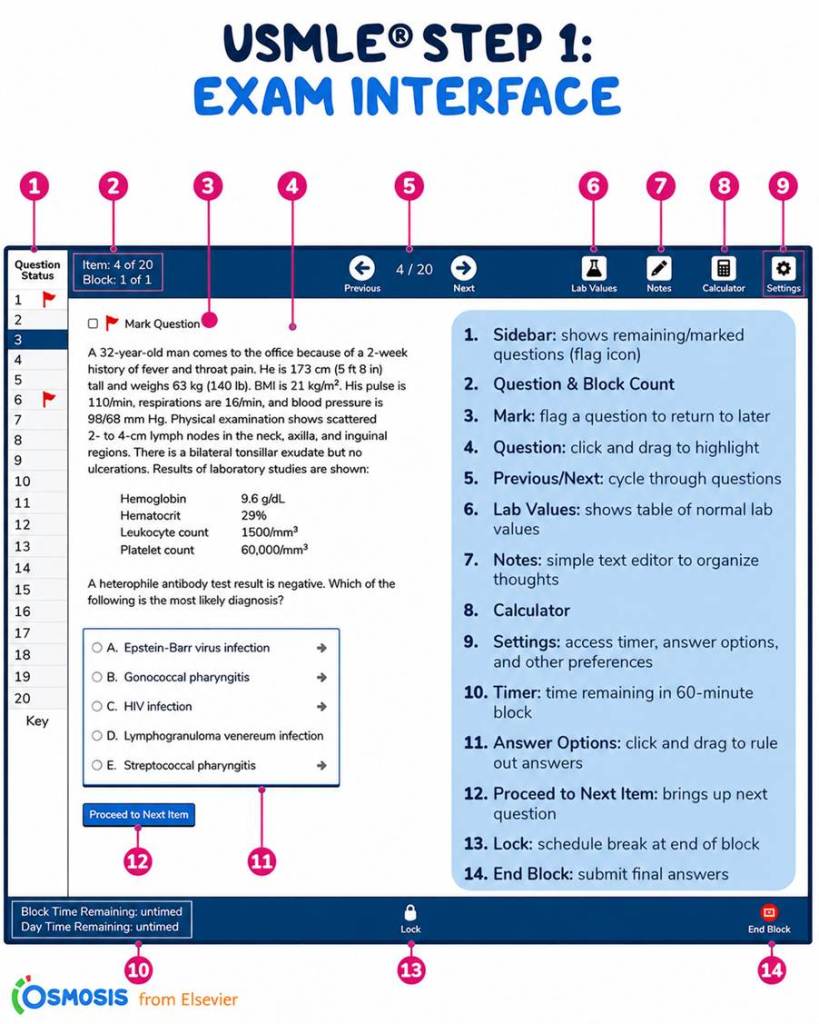
What is the USMLE Step 1 test interface like?
There are now two interfaces: the legacy interface and the new interactive testing experience. Complete the official New Step 1 Interactive Testing Experience before exam day to become familiar with the updated software. Before exam day, complete the official USMLE Step 1 Interactive Testing Experience to familiarize yourself with the updated interface, navigation, and testing tools. Check out a working version of the Step 1 Interactive Testing Experience here.
We’ve also put together the following chart to highlight the basic features and their functionality.
How do breaks work during the USMLE Step 1 exam?
USMLE Step 1 test-takers are entitled to 55 minutes of break time throughout the course of the exam. You may take breaks between any testing blocks and will have up to thirteen opportunities between the fourteen blocks, using your total break allotment however you choose. You cannot break in the middle of a block.
How you use your break time is up to you. Some test-takers take a break every block, while others take a more extended break every two blocks. If you finish a block early, you can leave the exam room, and that time will be added to your break period.
Alternatively, you can use that time to gather your thoughts, take a few deep breaths, and prepare for success!
What should I bring with me to the Prometric test center?
Bring a water bottle and some light snacks to eat between test blocks. Avoid a full lunch, as it could make you sleepy. We recommend healthy foods that give you quick energy boosts, like:

I have a disability. Can the Prometric Test Center accommodate my needs?
If you need testing accommodations, submit an accommodations request with a personal statement and supporting professional assessment documentation. Review the USMLE test accommodations requirements before applying to confirm the documentation required for your circumstances. For a full list of what you need to do to get started, visit the USMLE test accommodations page.
What if I’m lactating and require the use of a breast pump?
If you’re breastfeeding, you can request to bring and use a breast pump during scheduled breaks. Submit your request through the MyUSMLE Portal so Prometric can prepare an appropriate space before your exam.
If you need additional break time to express milk, you can request that as well. Keep in mind that this accommodation extends the exam schedule and requires an accommodated scheduling permit. If you’ve already received a standard scheduling permit, contact your registration entity to update your registration before your exam.
What should I expect after I take USMLE Step 1?
When will my Step 1 results arrive?
Results are usually available in 3–4 weeks, but delays may occur. The USMLE says to allow at least eight weeks for notification that your score is available. You can find announcements about any potential delays on the USMLE website. If possible, try to use this time to relax and recharge. You’ve earned it, and at this point, you’ve done everything you can!
What happens if I fail Step 1?
It is an unfortunate reality that some students fail Step 1 (or the other Step exams) each year. It’s not the best of circumstances. Even if you score high on a subsequent attempt, failing can impact your residency applications, as there are more applicants than available residency positions.
If you fail Step 1, the first thing you should do is take a deep breath: this isn’t the end of your journey, and it will be okay. Take time to examine and accept your feelings and then look ahead to the future.
Next, tell your advisor. They will help you develop a recovery plan, delay your clinical rotations if necessary, and arrange a second attempt. Remember to thank your advisors for their help!
When you’re preparing for Step 1 the second time, assess your previous study strategy and adapt. Avoid spending too long on any subject and focus on what you don’t know rather than topics you’re already confident you know. Use practice tests and Qbanks to identify your areas of weakness and double down on them to build a more well-rounded knowledge base.
>> For additional strategies, see Overcoming Failure in Medical School <<
Step 1 isn’t the sole measure of your worth as a residency applicant and future doctor. There are other factors, including:
- Writing a compelling personal statement
- Working on a compelling Curriculum Vitae
- Sourcing great letters of recommendation from your mentors
- Nailing your medical school interviews
- Publishing research
- Demonstrating strong academic performance
- Showcasing your work and volunteer experience
- Having a graduate degree
How can Osmosis help me study for USMLE Step 1?
Preparing for Step 1 is one of the biggest challenges you’ll face as a medical student. We know because we’ve been there. Osmosis was founded by healthcare students for fellow healthcare students. It’s designed to take all the complex information you’re expected to know in medical school and make it manageable; not just for Step 1, but for the rest of your education and career.
>> Curious about what your fellow students have to say? Check out these success stories from Osmosis learners! <<
Ace USMLE® Step 1 and Beyond with Osmosis
Osmosis gathers all the resources you need to stay organized and study more efficiently for the USMLE® Step 1 and Step 2 CK in one place. When you register, you get access to:
- +2,300 Osmosis USMLE videos offering comprehensive coverage of pathology, physiology, pharmacology, and anatomy, as well as High-Yield Pathology Review videos for dedicated Step 1 prep.
- Osmosis AI, your built-in study companion for asking questions, clarifying difficult concepts, creating study materials, and finding relevant learning resources. Use Tutor Mode to work through concepts step by step and verify key information with inline and textbook citations grounded in trusted Elsevier content and built based on responsible AI principles.
- +5,600 USMLE Step 1 style questions
- +15,000 USMLE-style flashcards
- Dedicated USMLE Step 1 Study Schedule
- High-Yield Pathology & Physiology Notes
- And so much more!
Osmosis also aligns with your favorite USMLE® resources and study tools, including:

Final Thoughts
The USMLE Step 1 exam is a tough challenge, but with the right plan and support tools, it’s absolutely doable. You’ve already learned the material; it’s just about organizing, reviewing, and staying confident.
Here’s what to keep in mind:
- Step 1 tests how well you understand and apply the basics of medicine
- The USMLE Step 1 test format and structure is long but manageable with prep
- Osmosis gives you a clear study structure and supports better retention
Key Takeaways
- The 2026 Step 1 testing experience uses fourteen 30-minute blocks with up to 20 questions per block, while the content, scoring, and Pass/Fail standard remain unchanged.
- Effective preparation should emphasize learning strategies that strengthen comprehension, retention, and recall, including testing, spaced repetition, interleaving, multimedia learning, elaborative rehearsal, and concrete examples.
- Using a focused set of complementary resources can help reduce unnecessary overlap and information overload during Step 1 preparation.
- Practice exams and question-bank performance can help identify knowledge gaps and guide adjustments to your study plan.
- Osmosis combines videos, practice questions, flashcards, High-Yield Notes, a dedicated Study Schedule, and AI-supported study tools to support Step 1 preparation.

Get your free trial today to find out why millions of clinicians love learning by Osmosis!
Leave a Reply