
Category: USMLE Step 1
-

USMLE® Step 1 Question of the Day: Sickle cell trait
— Updated:
Two prospective parents with the same inherited trait want to understand their child’s genetic risk. Can you calculate the probability using key principles of Mendelian inheritance?
-
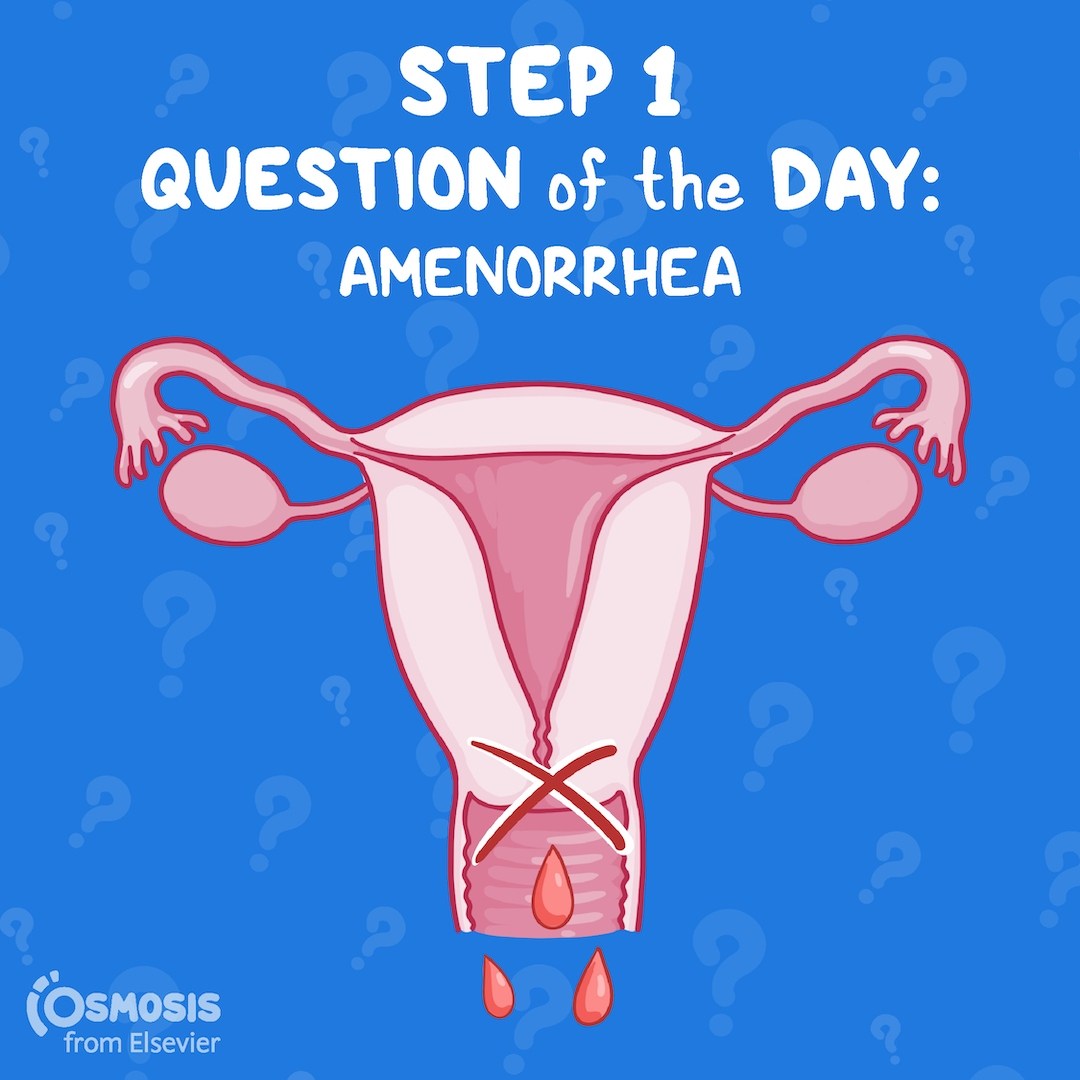
USMLE® Step 1 Question of the Day: Amenorrhea
— Updated:
A 55-year-old patient presents with 12 months of amenorrhea and other characteristic symptoms. Can you identify the laboratory finding most specific to her condition?
-

USMLE® Step 1 Question of the Day: Vitamin K
— Updated:
Why do newborns routinely receive vitamin K after birth? Challenge your understanding of neonatal physiology and coagulation with this high-yield USMLE-style clinical scenario.
-
USMLE® Step 1 Question of the Day: Low back pain
— Updated:
A young athlete develops persistent low back pain during gymnastics training. Can you identify the underlying pathology behind this common sports-related spinal condition?
-

USMLE® Step 1 Question of the Day: Abdominal discomfort
— Updated:
A patient with signs of advanced liver disease develops complications related to increased portal pressure. Can you identify the consequence most closely associated with this high-yield USMLE-style case?
-
USMLE® Step 1 Question of the Day: Vortioxetine interaction
— Updated:
A young patient develops rapid-onset agitation, hyperthermia, and rigidity after a medication change. Can you identify the underlying mechanism behind this high-yield clinical scenario?
-
USMLE® Step 1 Question of the Day: Thromboprophylaxis medication
— Updated:
A postoperative patient develops a concerning drop in platelets after starting thromboprophylaxis. Can you identify the drug mechanism behind this clinical scenario?
-
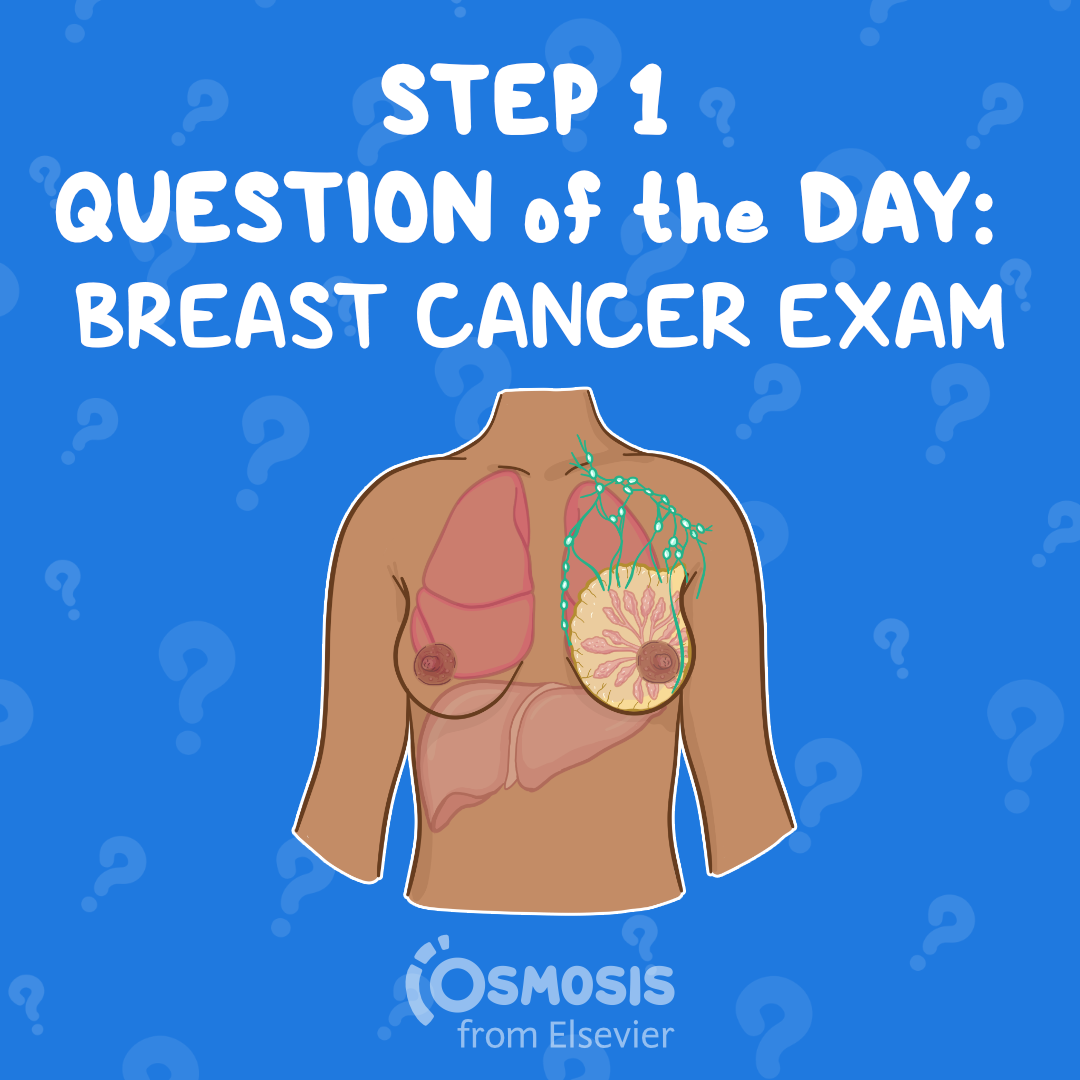
USMLE® Step 1 Question of the Day: Breast cancer exam
— Updated:
A 50-year-old woman presents with a persistent itchy breast rash and skin changes, including peau d’orange, dimpling, nipple retraction, and fixation of the breast. What’s the diagnosis?
-
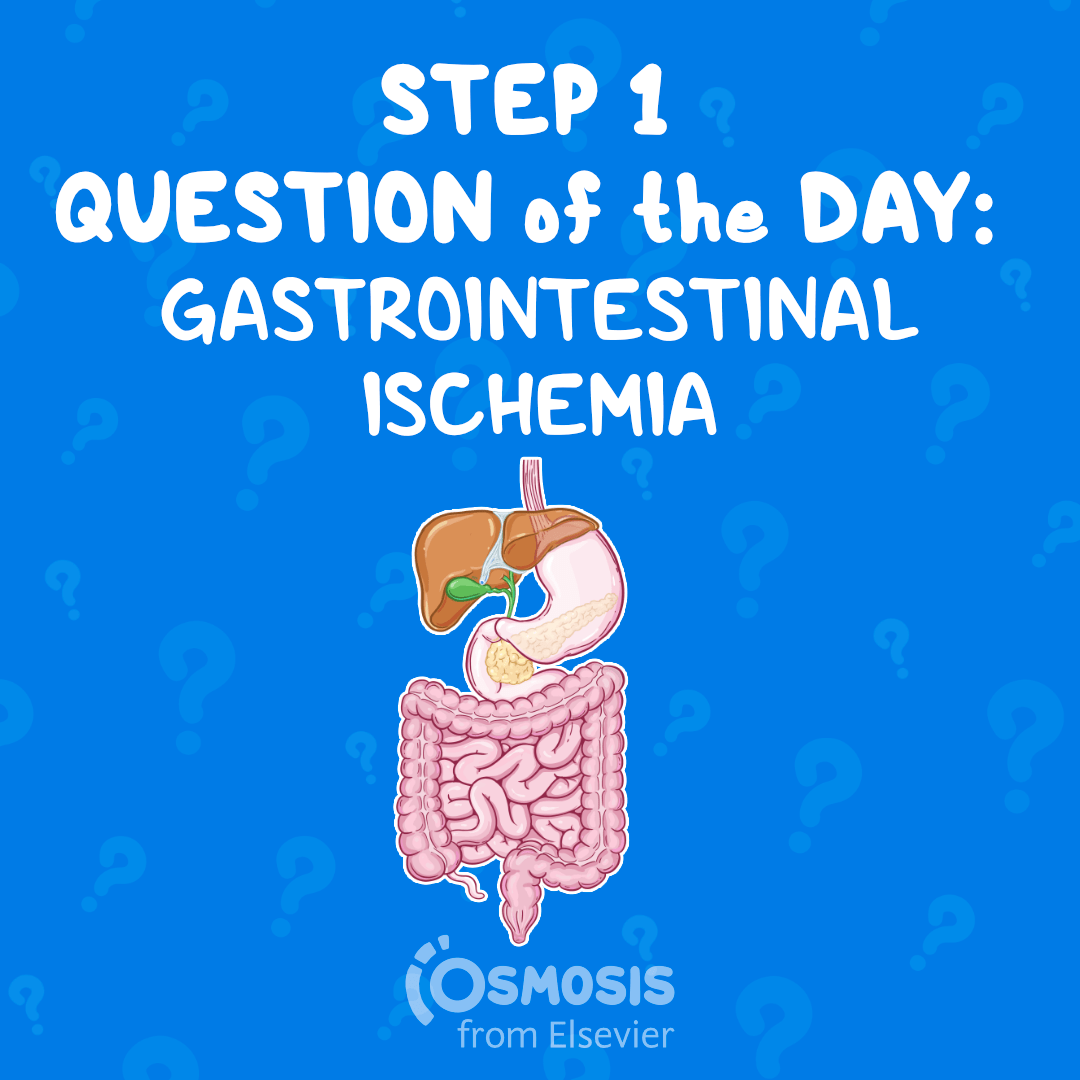
USMLE® Step 1 Question of the Day: Gastrointestinal ischemia
— Updated:
Learn from this clinical case highlighting why certain gut regions are more vulnerable when perfusion drops, how watershed zones operate, and how clinicians use pathophysiology and reasoning to treat the issue.
-
USMLE® Step 1 Question of the Day: Chronic cough
— Updated:
A histology image reveals a granulomatous lesion with central necrosis. Learn how caseating granulomas develop, how to distinguish infectious etiologies from other causes, and how to integrate histology with clinical context to sharpen differential diagnosis and clinical reasoning.
-

USMLE® Step 1 Question of the Day: Scar development
— Updated:
A 28-year-old man presents after a skin injury with concerns about scarring. Explore how scar biology (collagen deposition patterns, TGF-β signaling, and the balance of inflammatory cytokines) shapes outcomes. Learn how histology distinguishes scar types and why some scars may persist or recur, guiding clinical management and exam prep.
-

USMLE® Step 1 Question of the Day: Lower teeth sensation
— Updated:
A woman post-wisdom tooth extraction has numbness in lower teeth and chin. Learn more about nerve anatomy and surgical risks.
-

USMLE® Step 1 Question of the Day: Intraperitoneal free fluid
— Updated:
A 26-year-old trauma patient with left shoulder pain, abdominal tenderness, and free fluid on FAST suggests splenic laceration. Recognize signs for timely management.
-

USMLE® Step 1 Question of the Day: Antipsychotic medication
— Updated:
A patient with schizophrenia develops involuntary movements after antipsychotic treatment. Learn which medication carries the highest risk and how atypicals are named.
-

USMLE® Step 1 Question of the Day: Class I antiarrhythmics
— Updated:
A patient with arrhythmia after myocardial infarction receives a medication that alters phase 0 depolarization. Explore how this drug modulates cardiac electrical activity.
-
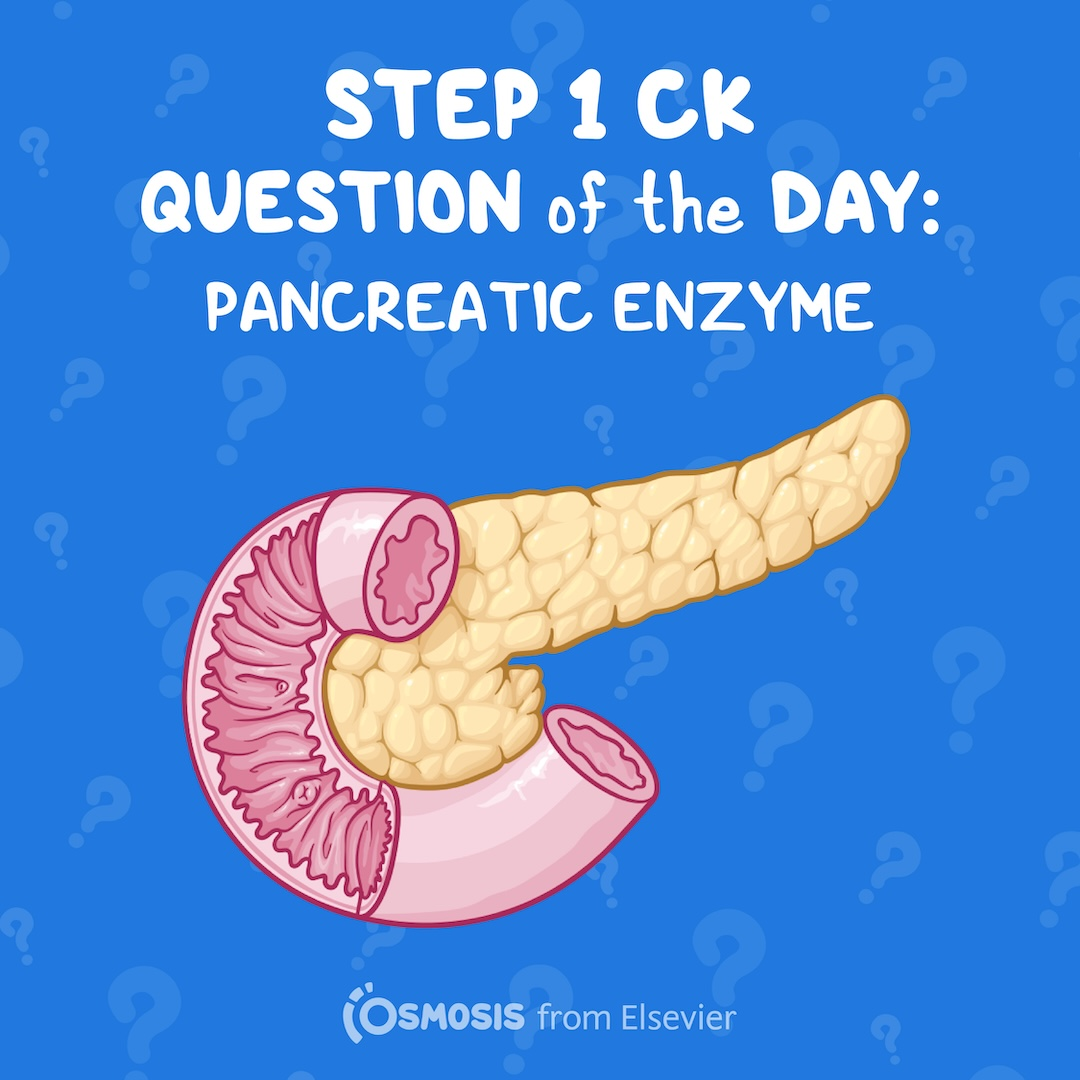
USMLE® Step 1 Question of the Day: Pancreatic enzyme
— Updated:
MODY type 2 arises from a defect in a pancreatic enzyme crucial for glucose sensing. Discover the distinctive characteristics that set this enzyme apart in glucose metabolism.
-
USMLE® Step 1 Question of the Day: Axillary nerve injury
— Updated:
A 66-year-old man presents with shoulder pain after a fall. Identify which shoulder movements may be limited due to nerve injury in this clinical scenario.
-
USMLE® Step 1 Question of the Day: Endometriosis medication
— Updated:
A 35-year-old woman with endometriosis starts a GnRH agonist. What side effects should clinicians monitor for during continuous therapy?
-

USMLE® Step 1 Question of the Day: Vascular ischemia
— Updated:
Explore a clinical case of acute neurological deficits in an elderly patient, focusing on identifying the affected brainstem vascular territory.
-

USMLE® Step 1 Question of the Day: Contraceptive pill
— Updated:
Learn the pharmacologic actions of contraceptive pill ingredients and important contraindications for safe use in patient care.
-

USMLE® Step 1 Question of the Day: Dilated bowel loops
— Updated:
A patient with a history of abdominal surgery presents with severe abdominal pain and imaging showing dilated bowel loops. What are the possible causes?
-

USMLE® Step 1 Question of the Day: Muscle spasticity medication
— Updated:
A patient with multiple sclerosis presents with muscle pain and tightness. What medication mechanisms are important to consider in managing her symptoms?
-

USMLE® Step 1 Question of the Day: Propofol
— Updated:
Review a Step 1 clinical case on propofol sedation for shoulder dislocation and discover which complication is most associated with this intravenous anesthetic.
-
USMLE® Step 1 Question of the Day: Multiple sclerosis
— Updated:
Explore today’s USMLE® Step 1 question focusing on muscle spasticity in multiple sclerosis and discover the mechanism of action for baclofen as a treatment option.
-
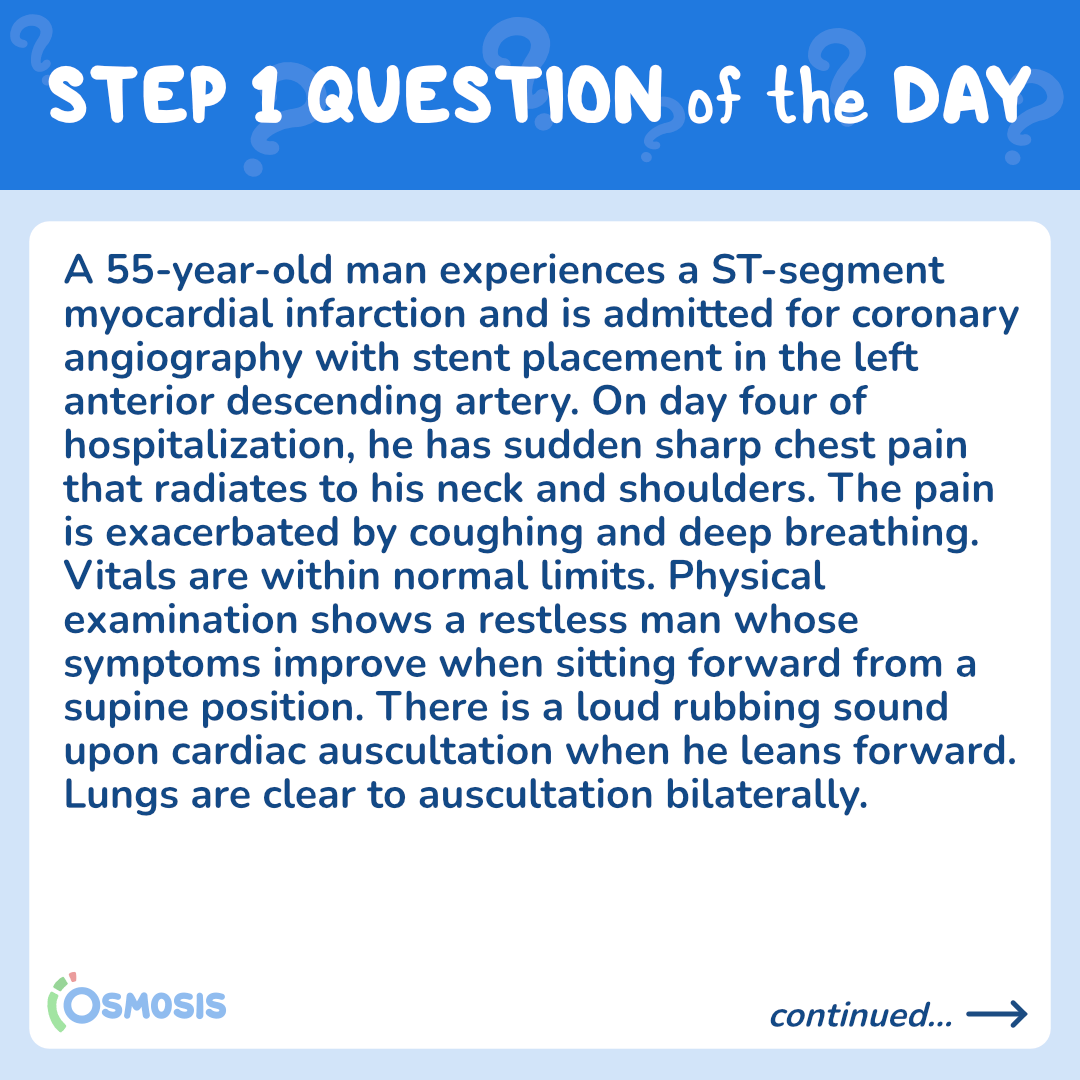
USMLE® Step 1 Question of the Day: Coronary angiography
— Updated:
Delve into today’s USMLE® Step 1 question on a post-MI patient with chest pain and uncover the common adverse effects of antiplatelet therapy.
-
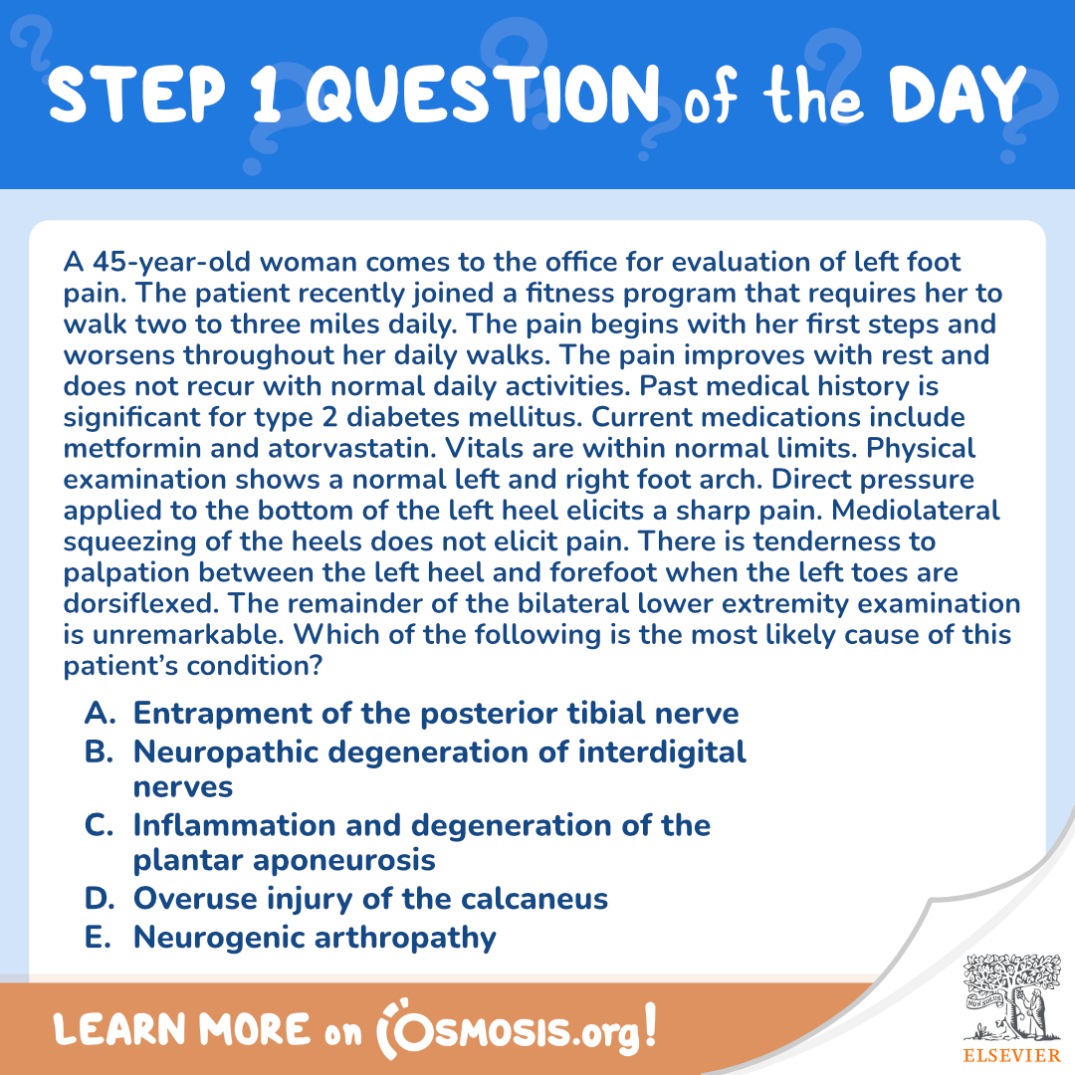
USMLE® Step 1 Question of the Day: Left heel pain
— Updated:
Explore today’s USMLE® Step 1 question focusing on left heel pain to enhance your diagnostic skills!
-
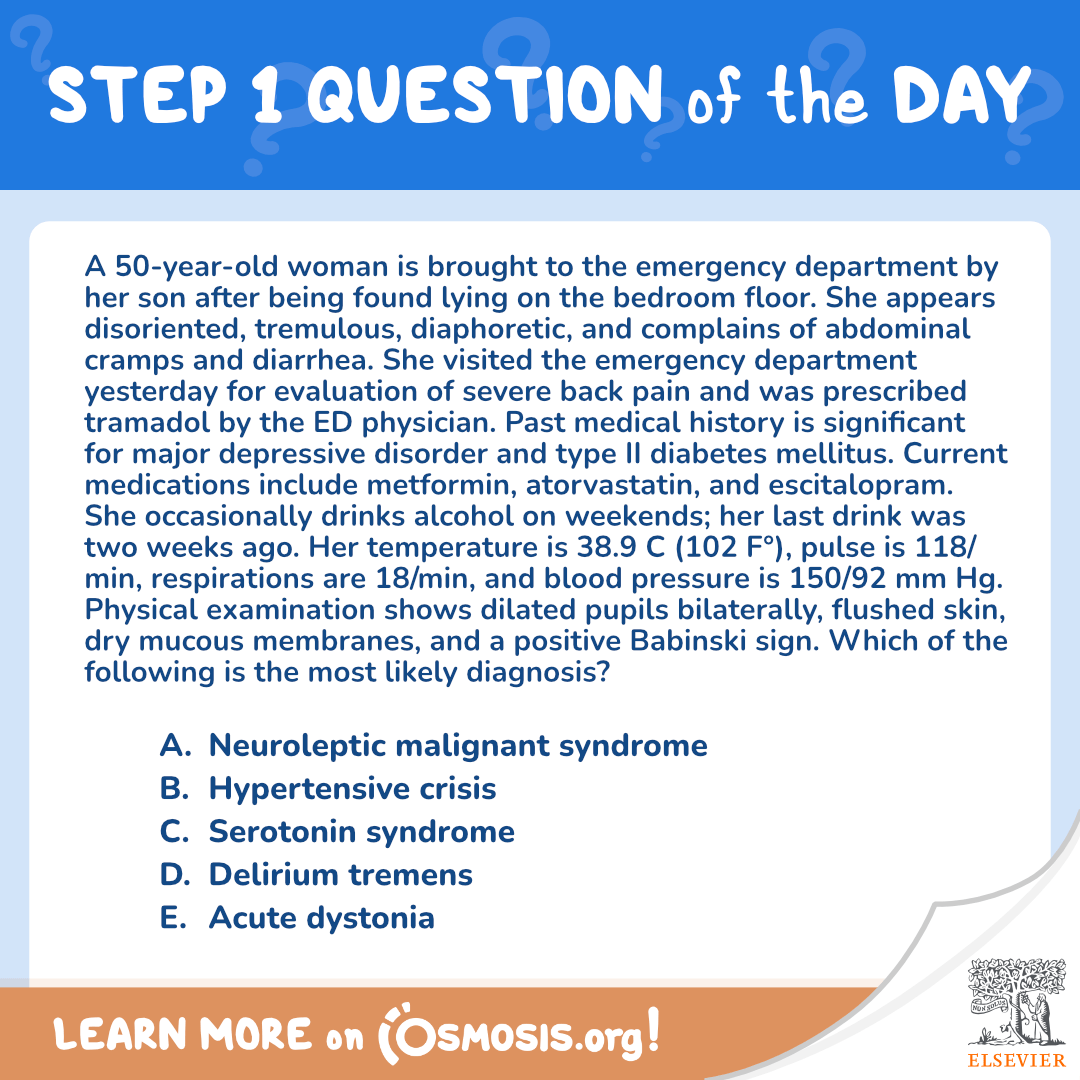
USMLE® Step 1 Question of the Day: Tramadol
— Updated:
Enhance your USMLE® Step 2 CK exam preparation with today’s case study of a 50-year-old woman experiencing symptoms of serotonin syndrome after tramadol use. Learn to recognize the clinical signs and understand the critical role of medication interactions in diagnosing this potentially life-threatening condition.
-
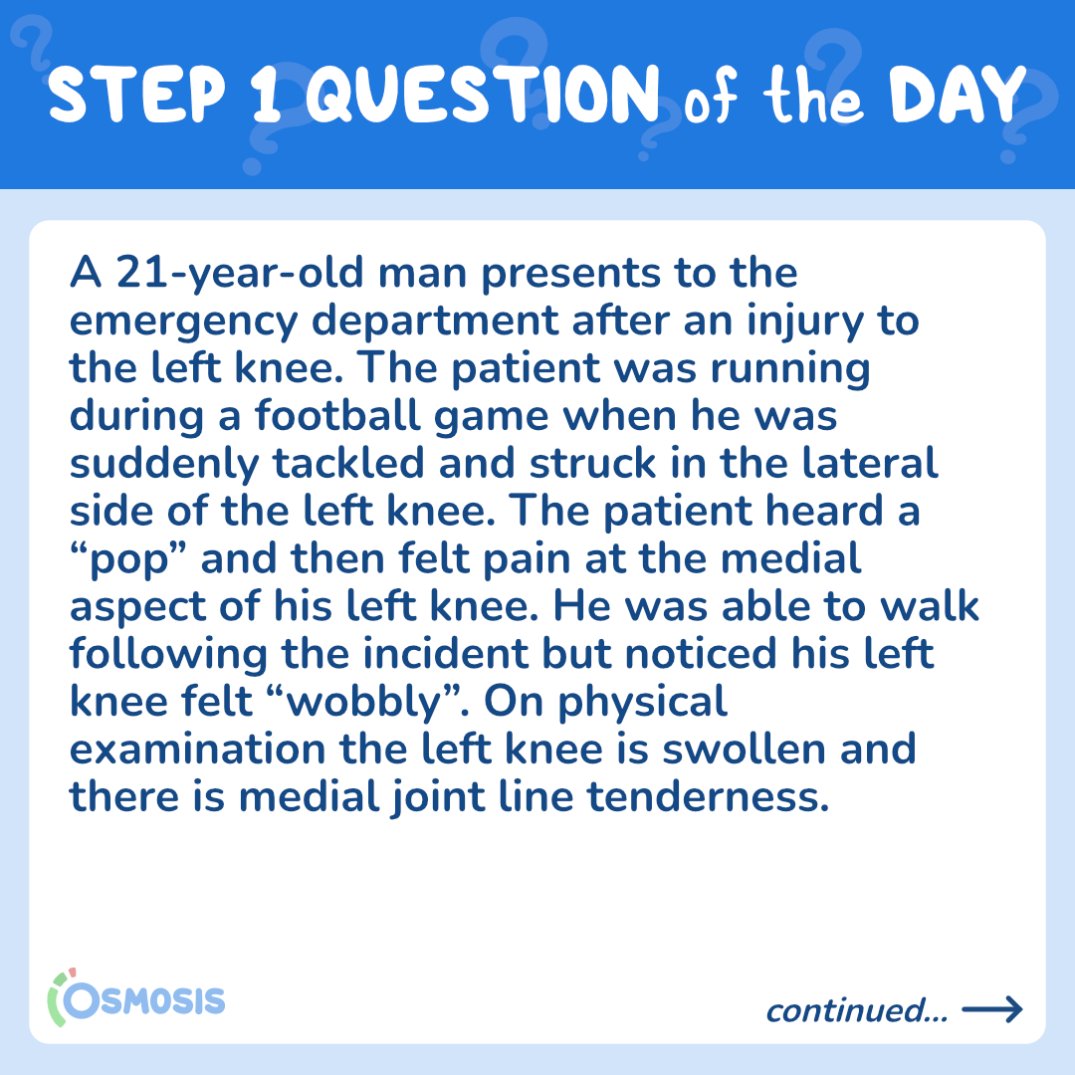
USMLE® Step 1 Question of the Day: Left knee injury
— Updated:
Prep for the USMLE® Step 1 exam by exploring a clinical case involving a 21-year-old man with a left knee injury. Learn to identify the most appropriate physical examination maneuver. Strengthen your clinical assessment skills!
-
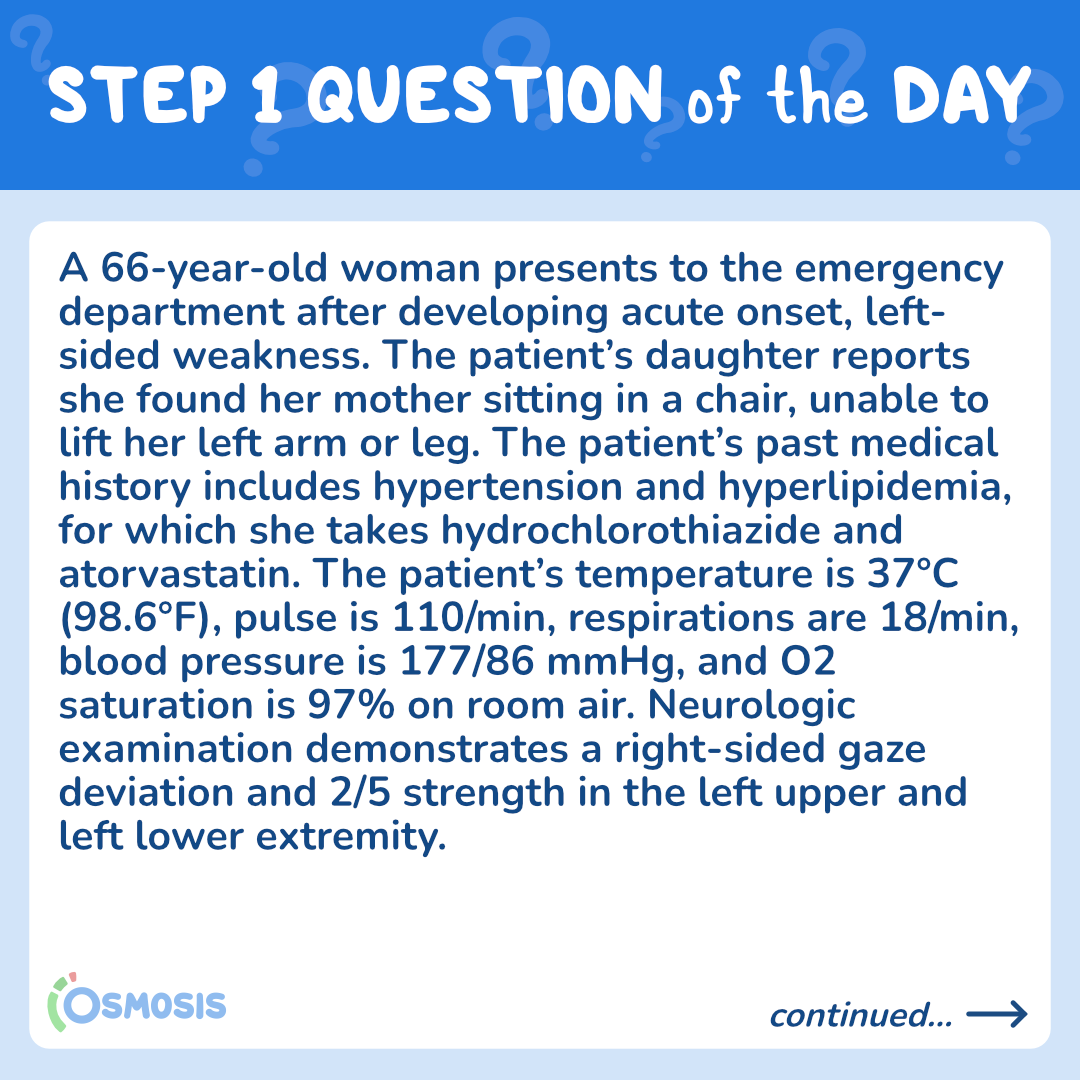
USMLE® Step 1 Question of the Day: Left-sided weakness
— Updated:
Ace the USMLE® Step 1 exam by studying with us! Let’s explore a clinical case involving a 66-year-old woman with left-sided weakness. Learn to identify the most common origin of thrombus in patients experiencing ischemic strokes, particularly in the context of atrial fibrillation. Test your clinical knowledge and improve your…
-
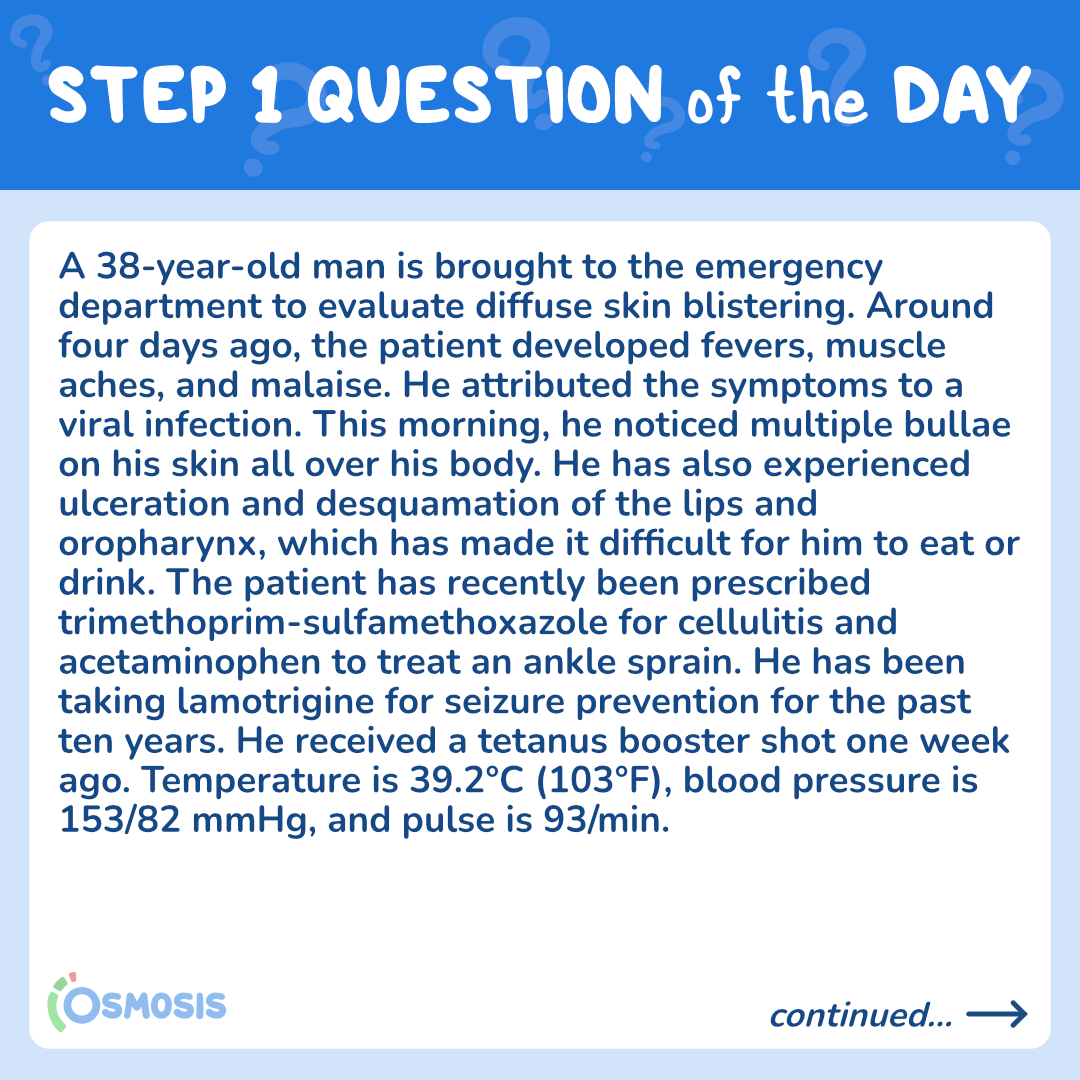
USMLE® Step 1 Question of the Day: Skin blistering
— Updated:
Get ready for the USMLE® Step 1 exam with a case study on skin blistering and Stevens-Johnson syndrome. Learn to identify common triggers, including medications like trimethoprim-sulfamethoxazole, and understand the importance of recognizing and addressing this serious condition. Test your clinical knowledge and prepare effectively for Step 1!