
Category: Questions of the Day
-

NCLEX-RN® Question of the Day: T1D
— Updated:
A patient with newly diagnosed type 1 diabetes presents with pneumonia. Learn a structured nursing approach to spotting a potential life-threatening diabetic emergency, including key assessment steps, monitoring priorities, and when to escalate care to the provider.
-
USMLE® Step 2 CK Question of the Day: Pancreatic mass
— Updated:
An incidental pancreatic mass prompts a structured workup with focused imaging and laboratory tests. This question of the day explains what’s preferred and how imaging findings, along with tumor markers, guide subsequent evaluation without assuming a final diagnosis.
-

USMLE® Step 1 Question of the Day: Lower teeth sensation
— Updated:
A woman post-wisdom tooth extraction has numbness in lower teeth and chin. Learn more about nerve anatomy and surgical risks.
-

NCLEX-RN® Question of the Day: Cardiogenic shock
— Updated:
Understand important clinical findings to watch for in patients at risk of cardiogenic shock following myocardial infarction. Early identification guides care.
-

PANCE® Question of the Day: Bloody stool
— Updated:
A child presents with bright red blood stool and pain during bowel movements. Understanding key history elements helps guide diagnosis and care.
-

NCLEX® LPN Question of the Day: Thalassemia
— Updated:
Understand the genetic and clinical aspects of thalassemia to effectively educate patients about this blood disorder and its impact on health.
-
NCLEX-RN® Question of the Day: Perineal care
— Updated:
Nurses performing perineal care must recognize and report critical findings promptly. Learn which abnormalities require immediate healthcare provider notification.
-

USMLE® Step 2 CK Question of the Day: Frequent falls
— Updated:
A patient presents with an unsteady, stomping gait and frequent falls. Understanding appropriate diagnostic tests is key to identifying the underlying cause.
-

USMLE® Step 1 Question of the Day: Intraperitoneal free fluid
— Updated:
A 26-year-old trauma patient with left shoulder pain, abdominal tenderness, and free fluid on FAST suggests splenic laceration. Recognize signs for timely management.
-

NCLEX-RN® Question of the Day: Sexual orientation
— Updated:
Understand sexual orientation basics and correct terminology to provide respectful, informed care to diverse patients in nursing practice.
-

USMLE® Step 2 CK Question of the Day: L&D triage
— Updated:
A pregnant patient with contractions and minimal cervical dilation requires careful evaluation. Measuring cervical length via endovaginal ultrasound is key to distinguishing preterm labor.
-

NCLEX-RN® Question of the Day: Laparoscopic cholecystectomy
— Updated:
Effective discharge teaching after laparoscopic cholecystectomy covers lifting restrictions, incision care, expected drainage, and dietary advice to promote healing and prevent complications.
-

NCLEX® LPN Question of the Day: Bed wetting
— Updated:
An 8-year-old with new bedwetting requires evaluation for recent life stressors and other causes. Understanding factors behind secondary enuresis guides nursing care.
-
PANCE® Question of the Day: Hemoptysis
— Updated:
A 45-year-old with productive cough, hemoptysis, and systemic symptoms presents with cavitary lung lesions. Recognize key clinical and imaging features to guide diagnosis.
-

USMLE® Step 1 Question of the Day: Antipsychotic medication
— Updated:
A patient with schizophrenia develops involuntary movements after antipsychotic treatment. Learn which medication carries the highest risk and how atypicals are named.
-
NCLEX-RN® Question of the Day: Risk management
— Updated:
A medication safety error occurs when a nurse omits barcode scanning, causing patient harm. Understand the legal implications and terminology involved in nursing practice.
-
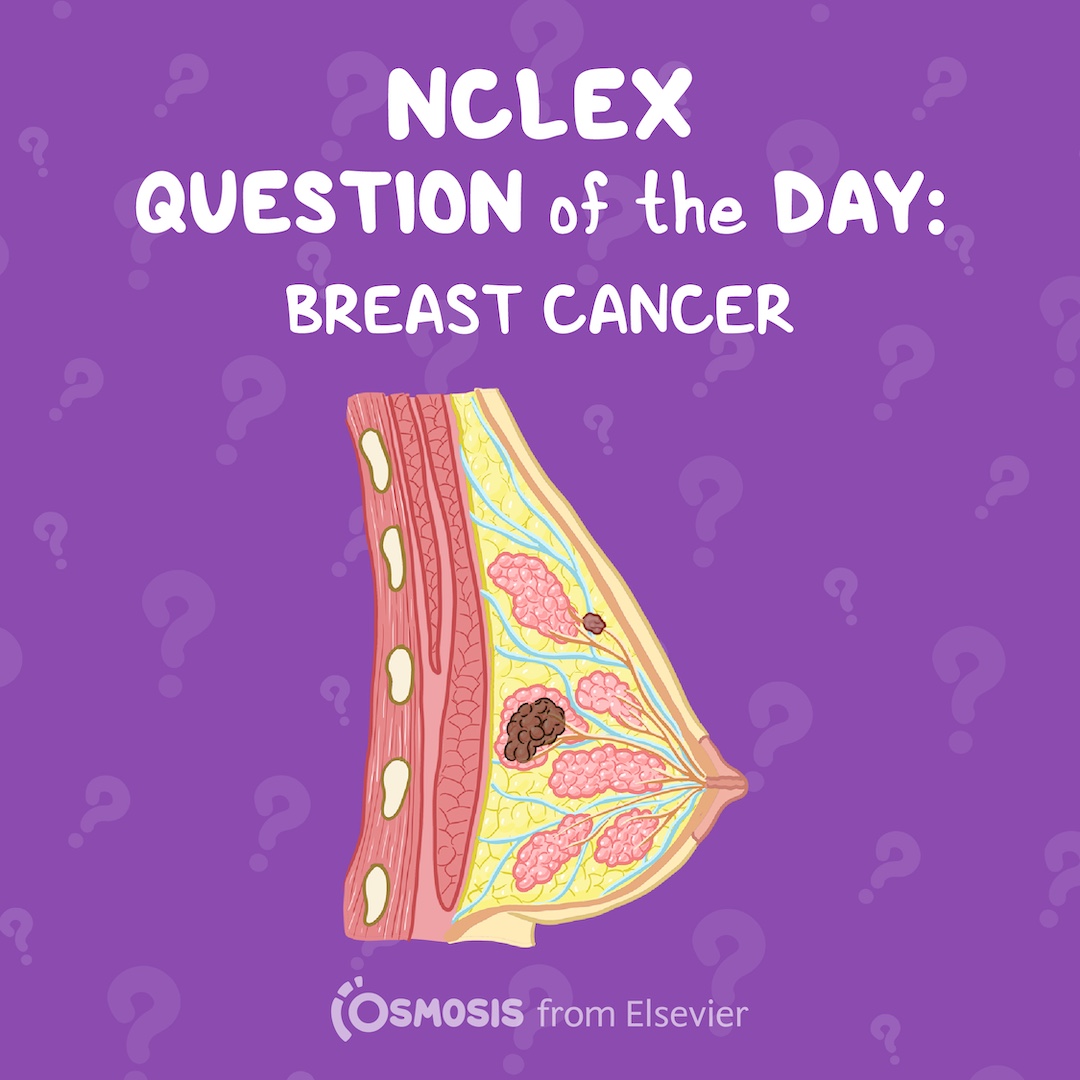
NCLEX-RN® Question of the Day: Breast cancer
— Updated:
What does it mean when abnormal breast cells cross the thin barrier that once contained them? Explore the pivotal microscopic change that marks a shift in tumor behavior, and why it matters for diagnosis and care.
-
USMLE® Step 2 CK Question of the Day: Persistent eczema
— Updated:
A child presents with eczema, frequent infections, and lab abnormalities. Recognizing key clinical signs is essential for diagnosing primary immunodeficiency syndromes.
-
NCLEX-RN® Question of the Day: Endocrinology
— Updated:
Explore key risk factors influencing diabetes development for this retired long-haul truck driver with obesity and hypertension.
-

USMLE® Step 1 Question of the Day: Class I antiarrhythmics
— Updated:
A patient with arrhythmia after myocardial infarction receives a medication that alters phase 0 depolarization. Explore how this drug modulates cardiac electrical activity.
-

NCLEX-RN® Question of the Day: Ectopic pregnancy
— Updated:
When ectopic pregnancy is suspected, confirming pregnancy with the right test is crucial. Discover how beta human chorionic gonadotropin (β-hCG) assists in diagnosis and management.
-

NCLEX-RN® Question of the Day: Second-Degree Heart Block
— Updated:
Learn how certain medications can lead to second-degree heart block, particularly in patients with kidney impairment.
-
USMLE® Step 2 CK Question of the Day: Erratic movements
— Updated:
A patient presents with psychosis and unusual movements. Discover how family history and other factors may increase risk for certain hereditary neurological disorders.
-

NCLEX® LPN Question of the Day: Hyporeflexia
— Updated:
Explore how abnormal calcium levels can affect neuromuscular function. Learn which calcium values might cause hyporeflexia and muscle weakness in patients.
-
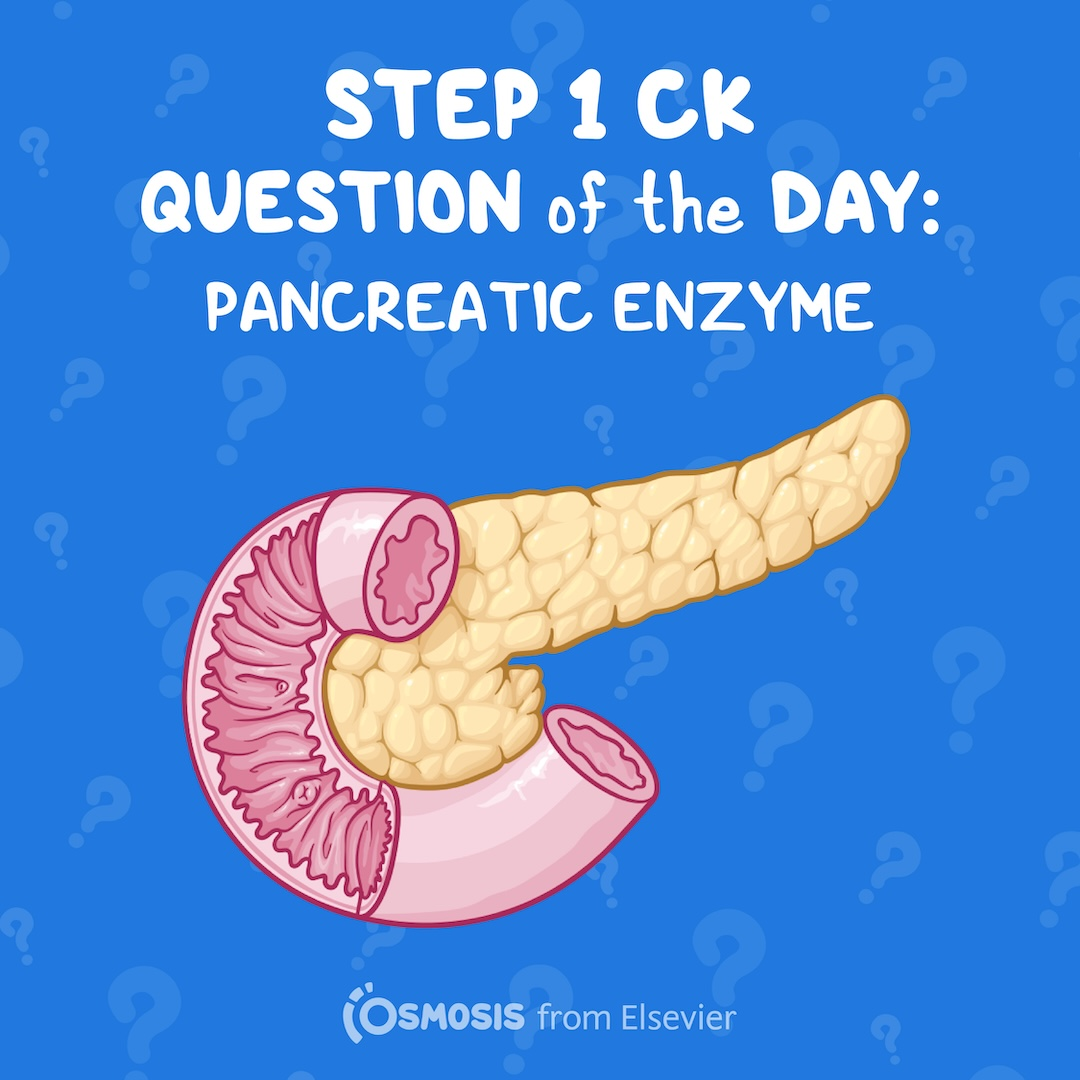
USMLE® Step 1 Question of the Day: Pancreatic enzyme
— Updated:
MODY type 2 arises from a defect in a pancreatic enzyme crucial for glucose sensing. Discover the distinctive characteristics that set this enzyme apart in glucose metabolism.
-

NCLEX-RN® Question of the Day: Gas exchange
— Updated:
Explore how gas exchange occurs in the lungs. Understand the movement of oxygen into the blood and carbon dioxide out during breathing for effective respiratory care.
-
USMLE® Step 2 CK Question of the Day: Constant headache
— Updated:
A patient with advanced HIV shows symptoms of meningitis. Learn how CSF analysis and specific staining techniques guide diagnosis among infectious causes.
-

NCLEX-RN® Question of the Day: FHR tracing
— Updated:
Which fetal heart rate category should a nurse report during active labor based on assessment findings? Understand FHR categories for clinical decision-making.
-
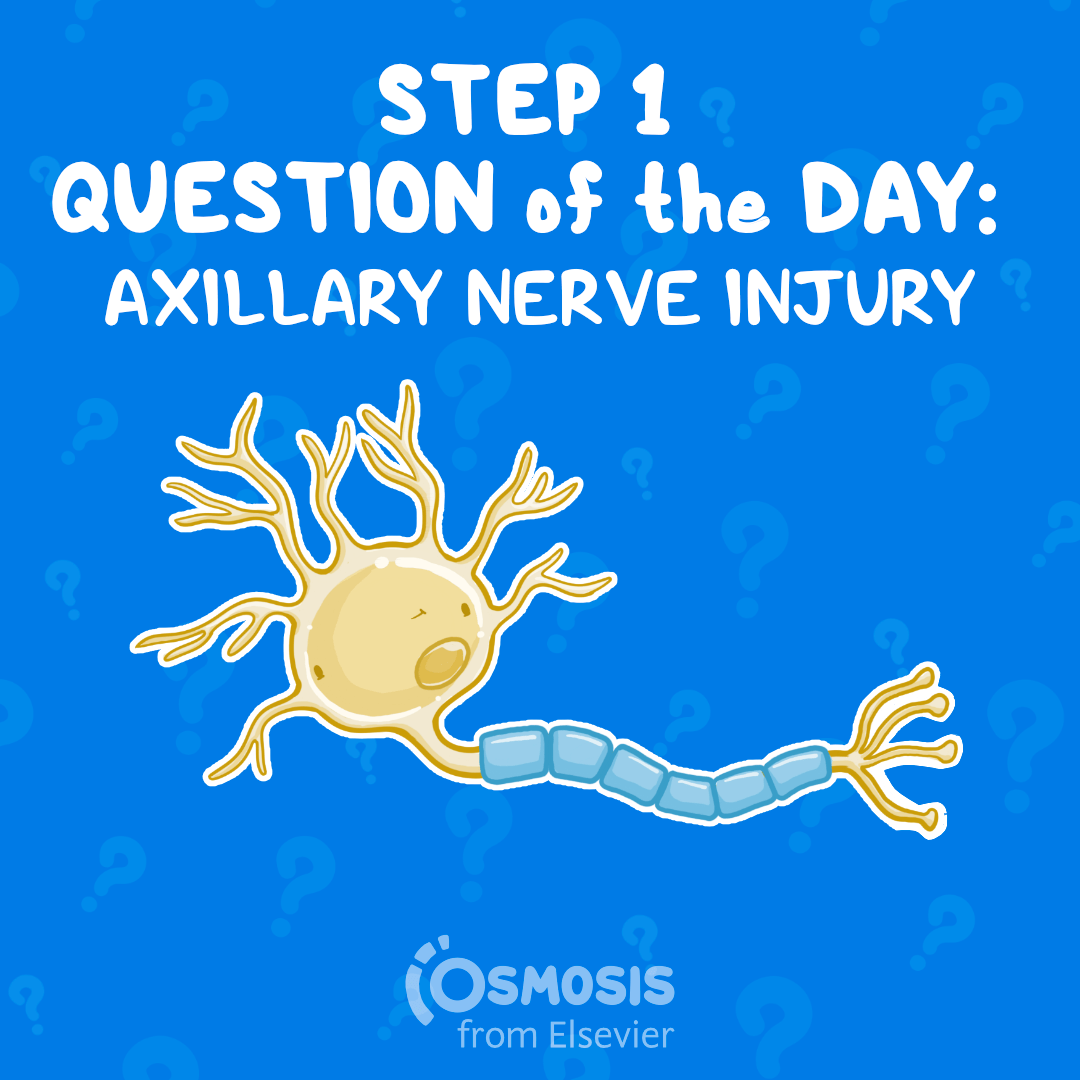
USMLE® Step 1 Question of the Day: Axillary nerve injury
— Updated:
A 66-year-old man presents with shoulder pain after a fall. Identify which shoulder movements may be limited due to nerve injury in this clinical scenario.
-

NCLEX-RN® Question of the Day: Proper body alignment
— Updated:
How should a nurse assess a patient’s body alignment to ensure proper posture and reduce strain during rehabilitation?