
Category: Questions of the Day
-
NCLEX-RN® Question of the Day: Health-related misinformation
— Updated:
Health misinformation can influence treatment decisions and patient outcomes in powerful ways. Explore this NCLEX-style question on evidence-based care, patient education, and the nurse’s role in combating misinformation.
-
USMLE® Step 1 Question of the Day: Low back pain
— Updated:
A young athlete develops persistent low back pain during gymnastics training. Can you identify the underlying pathology behind this common sports-related spinal condition?
-
NCLEX® LPN Question of the Day: Acute respiratory distress syndrome
— Updated:
Can you accurately explain Acute Respiratory Distress Syndrome (ARDS) to a patient? Explore this NCLEX-style question covering the pathophysiology and key characteristics of this life-threatening respiratory condition.
-
USMLE® Step 2 CK Question of the Day: Scout CT
— Updated:
A patient develops worsening abdominal pain, distension, and obstipation after recent treatment for an injury. Can you identify the most likely underlying cause in this USMLE-style clinical scenario?
-
NCLEX-RN® Question of the Day: Increased intracranial pressure
— Updated:
Can you distinguish between the different causes of cerebral edema? Challenge your understanding of increased intracranial pressure (ICP) and neuro pathophysiology with this NCLEX-RN style question.
-

PANCE® Question of the Day: Bloody nose
— Updated:
A patient presents with fever, hypotension, rash, and signs of systemic illness after a recent nasal procedure. Can you identify the diagnosis and the laboratory abnormality most consistent with this life-threatening condition?
-
NCLEX® LPN Question of the Day: Pulse rate
— Updated:
Can you identify which pediatric patient has an abnormal pulse rate? Challenge your understanding of age-specific vital signs with this NCLEX-LPN style nursing question.
-
USMLE® Step 1 Question of the Day: Abdominal discomfort
— Updated:
A patient with signs of advanced liver disease develops complications related to increased portal pressure. Can you identify the consequence most closely associated with this high-yield USMLE-style case?
-
NCLEX-RN® Question of the Day: Meconium aspiration syndrome
— Updated:
A newborn is suspected of having meconium aspiration syndrome. Can you identify the diagnostic test most commonly used to support the diagnosis in this NCLEX-RN scenario?
-
USMLE® Step 2 CK Question of the Day: Influenza medications
— Updated:
An older patient develops worsening respiratory symptoms and concerning clinical findings. Can you identify the most appropriate treatment strategy in this high-yield USMLE-style case?
-

NCLEX-RN® Question of the Day: Altered mental status
— Updated:
A patient presents with altered mental status and suspected substance intoxication. Can you identify the most appropriate next diagnostic step in this NCLEX-RN style clinical scenario?
-
PANCE® Question of the Day: Diabetic ketoacidosis
— Updated:
A patient with diabetic ketoacidosis improves clinically but remains acidotic and hypotensive. Can you identify the next best management step in this high-yield PANCE-style scenario?
-
NCLEX® LPN Question of the Day: Hospital discharge
— Updated:
Do you know what truly defines a hospital discharge? Challenge your understanding of care transitions and discharge planning with this quick LPN-focused question.
-
USMLE® Step 1 Question of the Day: Vortioxetine interaction
— Updated:
A young patient develops rapid-onset agitation, hyperthermia, and rigidity after a medication change. Can you identify the underlying mechanism behind this high-yield clinical scenario?
-
NCLEX-RN® Question of the Day: Reverse isolation
— Updated:
Why are some patients placed in reverse isolation? Explore this NCLEX-RN style question on infection prevention, protective precautions, and caring for immunocompromised patients.
-
USMLE® Step 2 CK Question of the Day: Withdrawal symptoms
— Updated:
A young woman presents with anxiety and tremors after binge drinking. Can you determine the appropriate next step in managing this common but nuanced clinical scenario?
-

NCLEX-RN® Question of the Day: Newborn attachment
— Updated:
Can you identify the behavior that best reflects healthy infant attachment? Explore this NCLEX-RN style pediatric question on newborn development, bonding, and caregiver relationships.
-
USMLE® Step 1 Question of the Day: Thromboprophylaxis medication
— Updated:
A postoperative patient develops a concerning drop in platelets after starting thromboprophylaxis. Can you identify the drug mechanism behind this clinical scenario?
-
NCLEX-RN® Question of the Day: Therapeutic communication
— Updated:
Therapeutic communication may sound simple, but many get it wrong. Can you identify the best response? Explore common misconceptions, real-world communication pitfalls, and how nurses build trust in this question of the day.
-

PANCE® Question of the Day: Blue extremities
— Updated:
Learn how to perform a newborn’s rapid assessment, obtain vital signs, and use a structured scoring approach to guide clinical decisions and determine appropriate next steps in care and disposition for optimal newborn outcomes.
-
NCLEX® LPN Question of the Day: Mental health crisis
— Updated:
Do you know what suicidal ideation actually means? Sharpen your understanding, avoid common terminology mix-ups, and see how nurses assess mental health in this LPN-focused question of the day.
-
USMLE® Step 2 CK Question of the Day: Postpartum mental health
— Updated:
A postpartum case explores how anxiety and irritability evolve after delivery, highlighting diagnostic clues, screening tools, and treatment options to differentiate anxiety from blues or depression in the postpartum period.
-
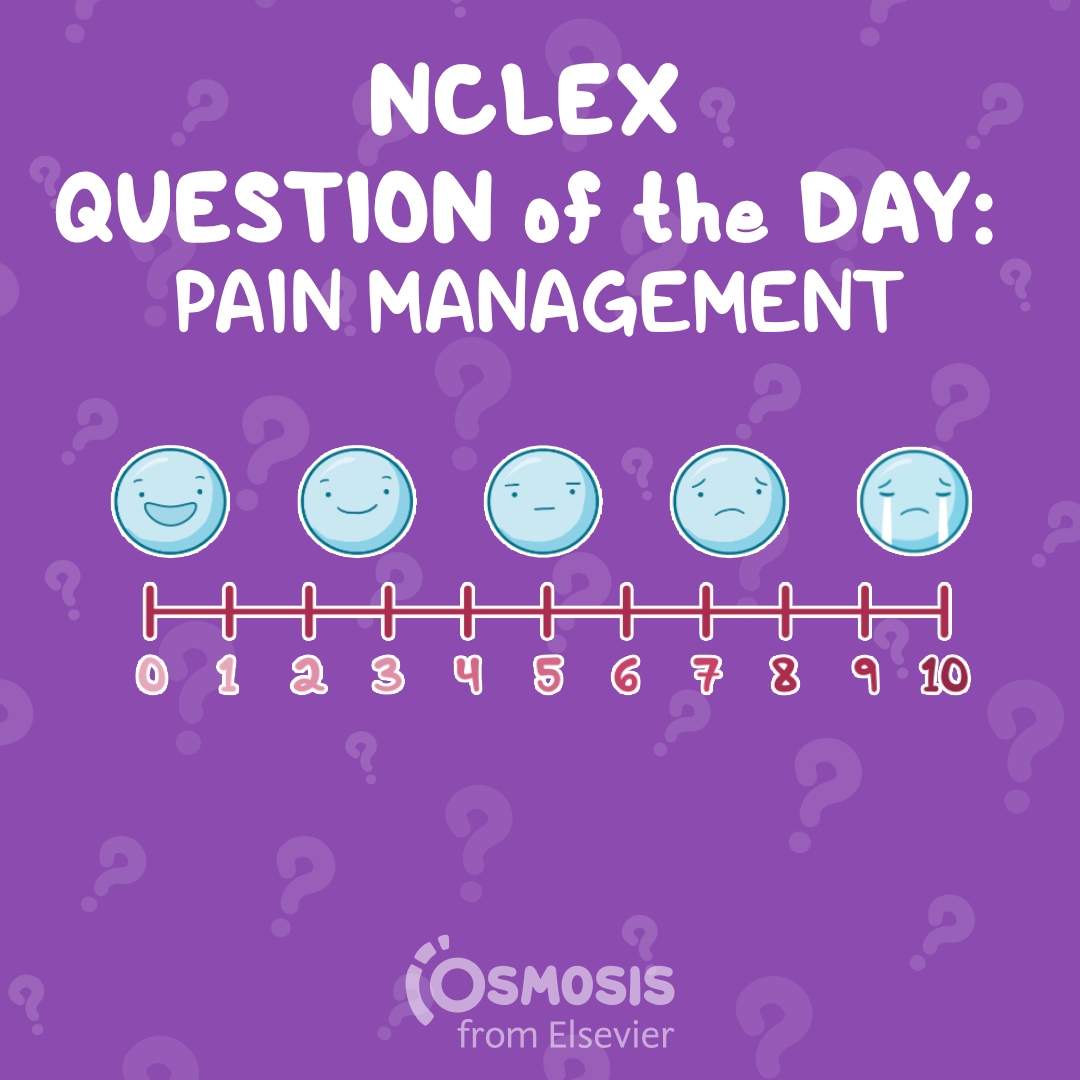
NCLEX-RN® Question of the Day: Pain management
— Updated:
A hospitalized patient receives IV morphine after reporting severe pain. What’s the most appropriate way to evaluate if his pain management is working?
-
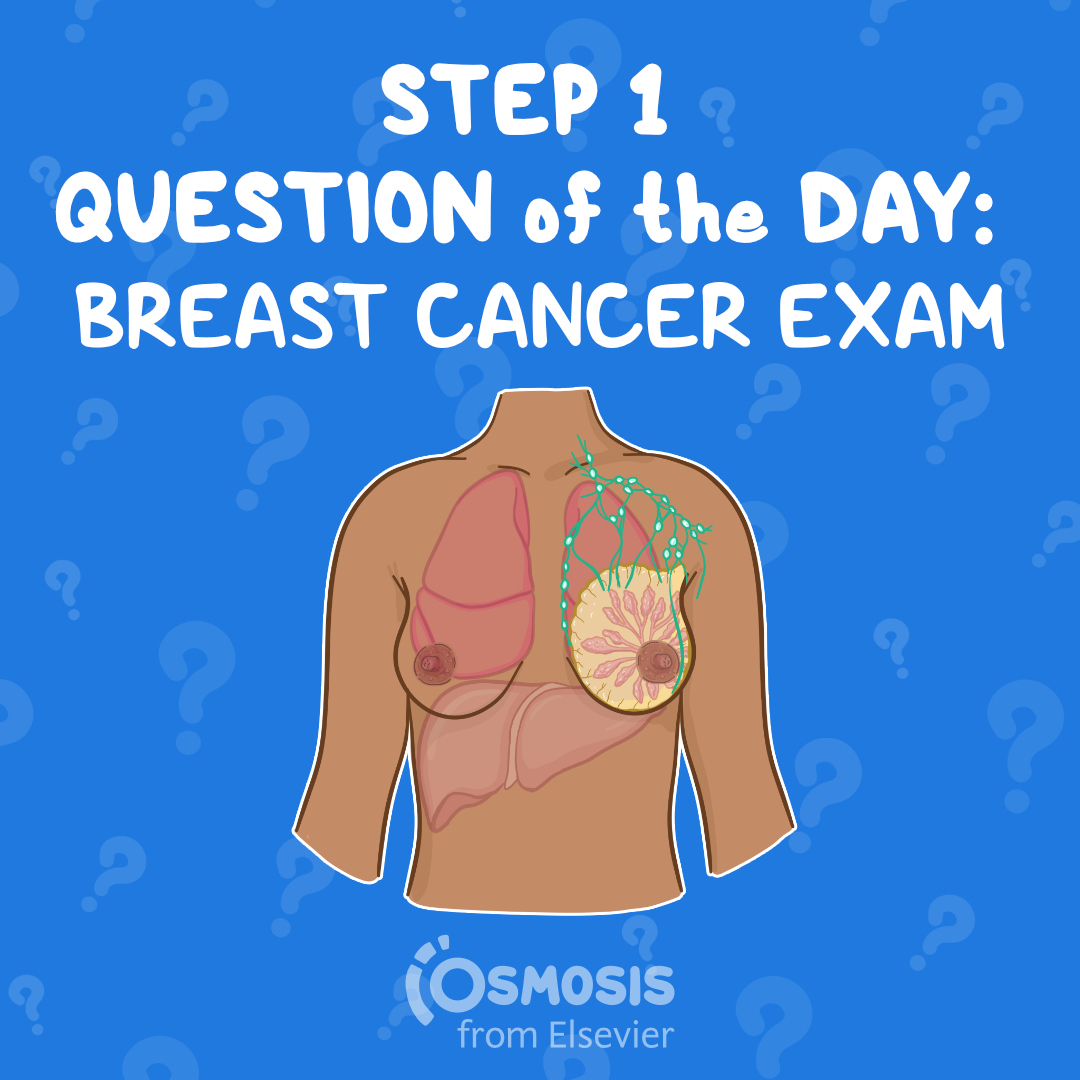
USMLE® Step 1 Question of the Day: Breast cancer exam
— Updated:
A 50-year-old woman presents with a persistent itchy breast rash and skin changes, including peau d’orange, dimpling, nipple retraction, and fixation of the breast. What’s the diagnosis?
-

NCLEX-RN® Question of the Day: Health literacy
— Updated:
Review this RN-focused look at promoting health literacy through plain-language materials, visuals, and timely follow-up, with practical tips for effective patient education.
-
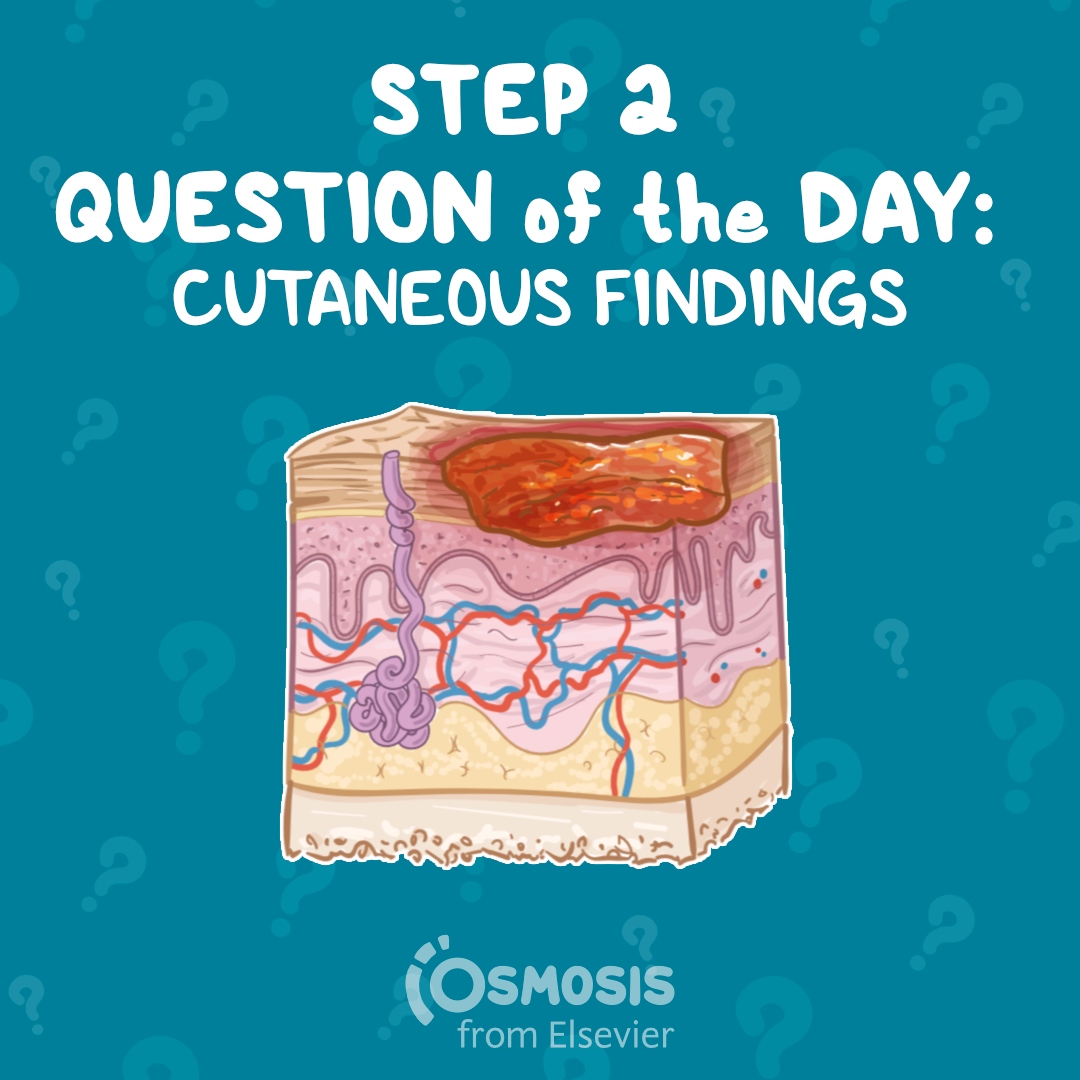
USMLE® Step 2 CK Question of the Day: Cutaneous findings
— Updated:
Review this clinical case of a cutaneous wound in an elderly patient with limited mobility, highlighting how pressure ulcer staging guides management decisions and care plans. What’s next in patient management?
-
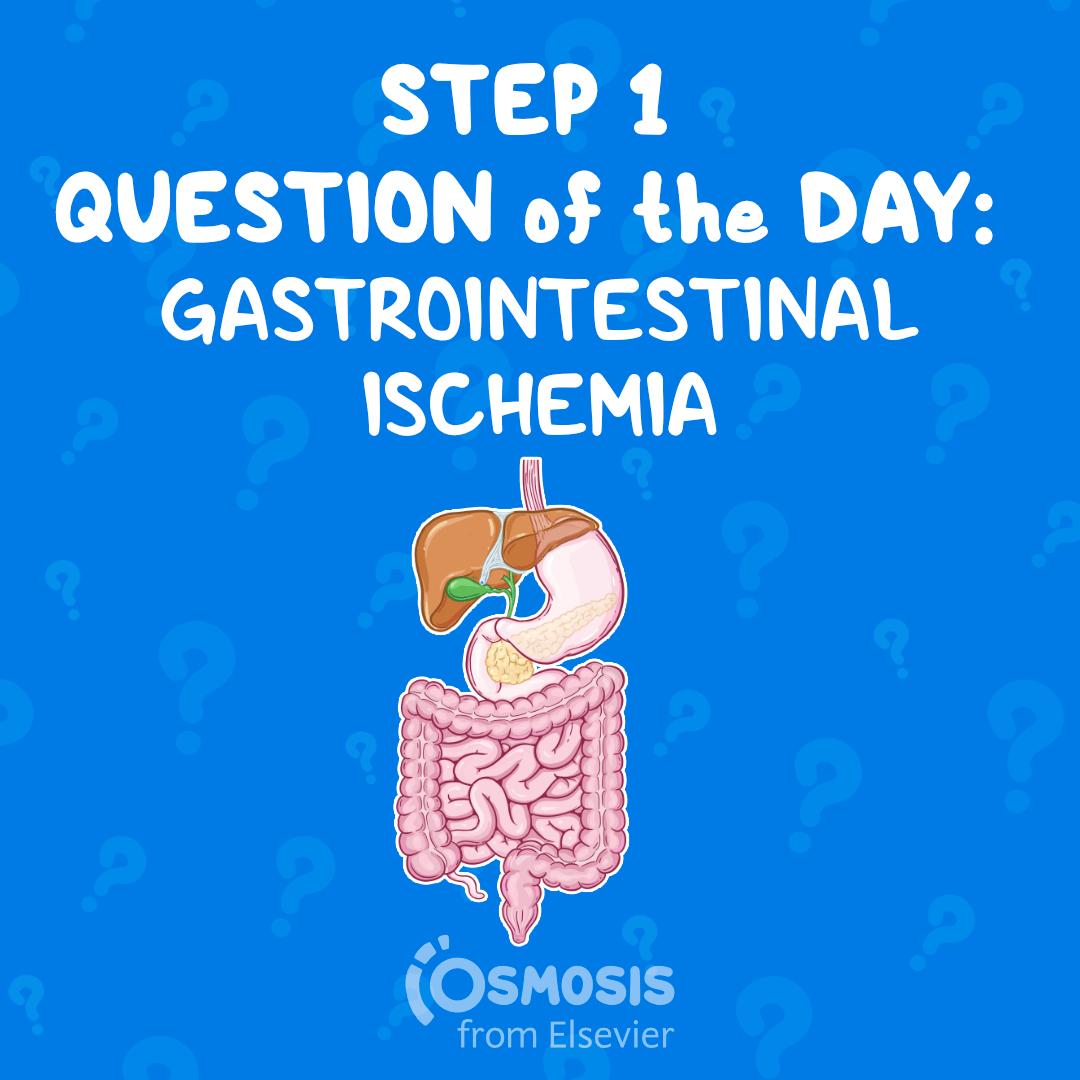
USMLE® Step 1 Question of the Day: Gastrointestinal ischemia
— Updated:
Learn from this clinical case highlighting why certain gut regions are more vulnerable when perfusion drops, how watershed zones operate, and how clinicians use pathophysiology and reasoning to treat the issue.
-

NCLEX-RN® Question of the Day: Culturally competent care
— Updated:
When culturally competent care situations arise in diverse patient populations, a practical approach matters. Learn how nurses structure history, apply key cultural clues, and design respectful care plans that honor beliefs while ensuring safe, effective treatment and clear communication.
-
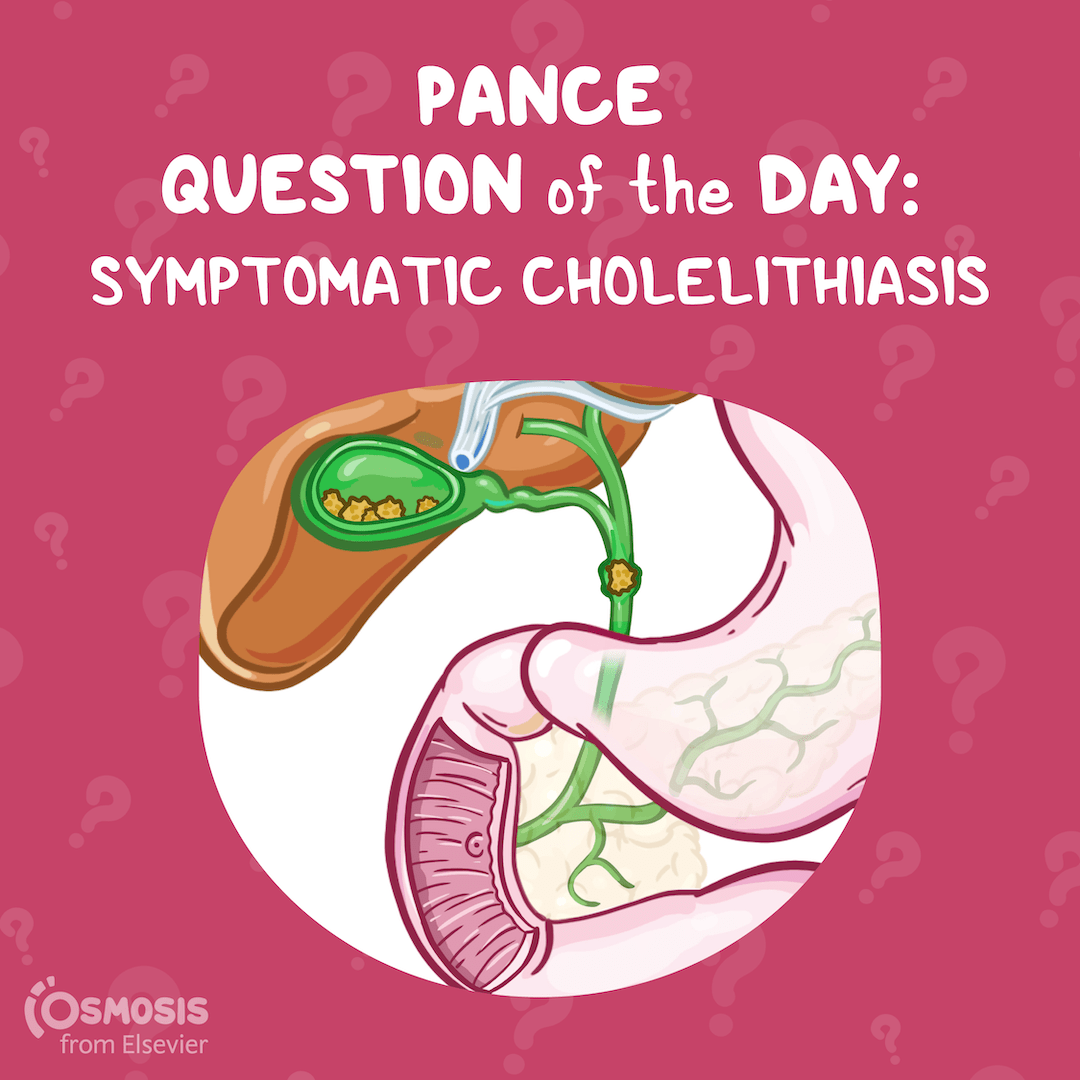
PANCE® Question of the Day: Symptomatic cholelithiasis
— Updated:
A postoperative patient develops shortness of breath after laparoscopic cholecystectomy. Learn practical, evidence-based strategies to prevent atelectasis during the recovery period, focusing on movement, breathing support, and monitoring.
-
NCLEX-RN® Question of the Day: Depression
— Updated:
This NCLEX-RN® question of the day explores how nurses evaluate and implement a plan of care for a patient with depression, emphasizing pharmacologic and psychotherapeutic strategies, patient participation, and the therapeutic nurse-patient relationship.