
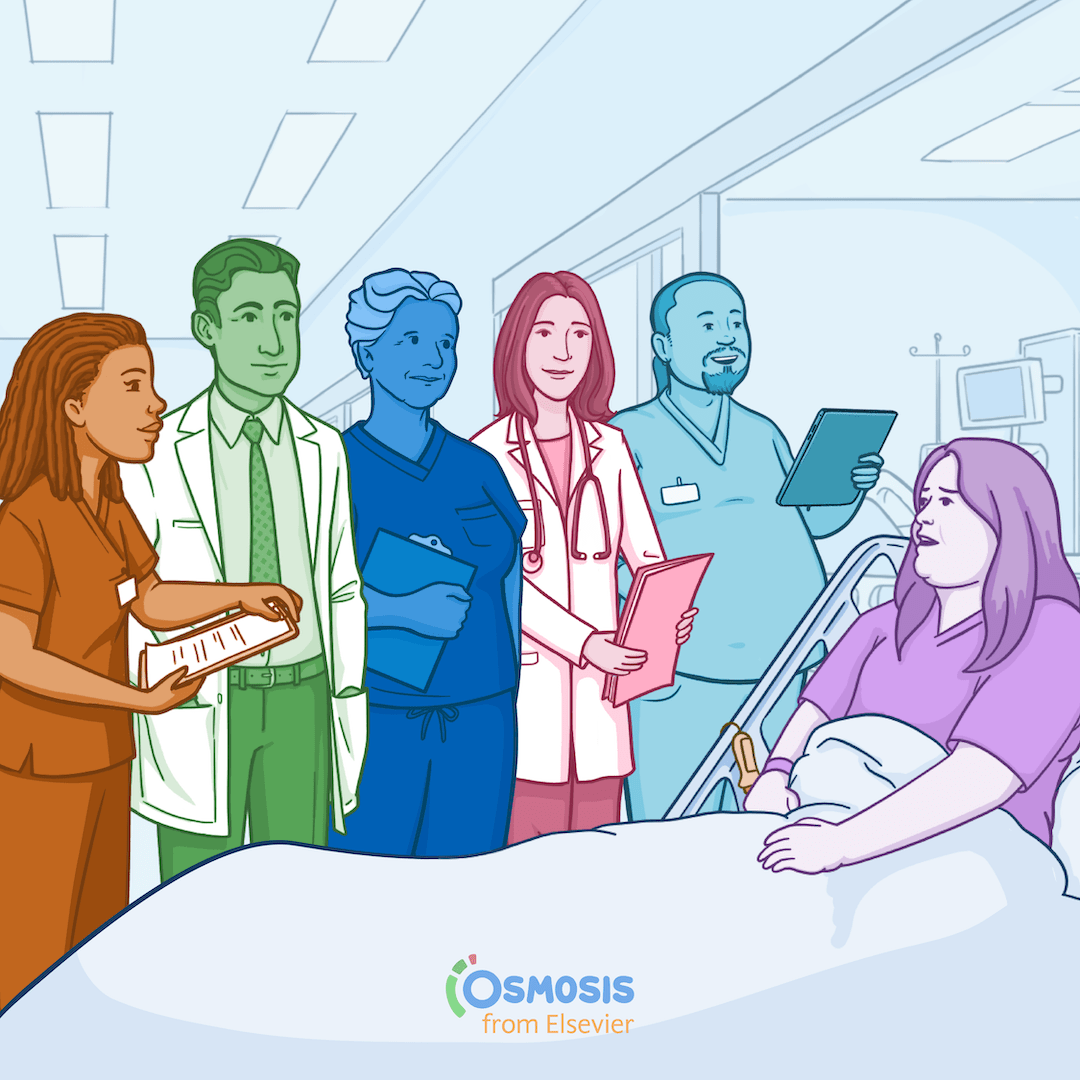
Strong listening skills are essential for all healthcare professionals to provide high-quality patient care. Doctors, nurses, Nurse Practitioners (NPs), Physician Associates/Assistants (PAs), and Licensed Practical Nurses (LPNs) must all learn how to listen actively, understand each people’s concerns, and respond thoughtfully to not only improve patient outcomes but also help build trust and strengthen the provider-patient relationship.
To help you become a more effective listener, we’ve compiled the following valuable tips for both your daily life and professional practice.
1. Give Your Full Attention
Why it matters: People notice when your attention is split between them and someone or something else, which erodes trust. Here’s how to indicate you’re fully focused on the patient:
- Put your phone away
- Move away from the computer / put down the tablet
- Avoid or ignore interruptions during patient interactions.
- Maintain eye contact and look directly at the patient so that they feel seen (both literally and figuratively).
2. Practice Active Listening Each and Every Day
- Why it matters: People often feel heard when you reflect and clarify what they say.
- How to apply: Use phrases like, “So what I hear you saying is…” and restate what you’ve heard, or say, “Can you tell me more about that?” Confirm that everyone understands before moving on.
3. Be Mindful of Body Language (Yours & Theirs)
- Why it matters: Nonverbal cues can communicate empathy and attentiveness. Watch for physical clues from your patient as well.
- How to apply: Lean slightly forward (to indicate you’re listening), nod when appropriate (to acknowledge what’s being said), and maintain an open posture. Avoid crossing your arms or looking distracted.

4. Try Not to Interrupt
- Why it matters: Interrupting someone can discourage them from sharing important information.
- How to apply: Verbally confirm that they’ve finished their thought before responding. If you must interrupt, do so gently and explain why.
5. Use Open-Ended Questions to Encourage Details
- Why it matters: Encourages patients to provide detailed information rather than yes/no answers.
- How to apply: Ask questions like:
- “How have you been feeling since your last visit?”
- “Please describe your pain or symptoms to me, and feel free to share any details.”
Develop your EQ >> Emotional Intelligence for Clinicians: Practical tips for future health professionals
6. Demonstrate Kindness & Empathy
- Why it matters: Empathy builds trust and helps people feel validated.
- How to apply: Acknowledge emotions: “I can see this has been really stressful for you.” Avoid judgmental responses.
7. Listen for Both Words & Meaning
- Why it matters: Patients may want to share their concerns indirectly due to discomfort or a sense of shame.
- How to apply: Pay attention to the patient’s tone, pauses, body language, and any underlying emotions. Make note of repeated concerns or inconsistencies in their story.

8. Avoid Problem-Solving Before the Patient Finishes Sharing
- Why it matters: Jumping to solutions can make patients feel unheard.
- How to apply: Focus first on understanding the patient’s perspective before offering advice or treatment options.
9. Reflect & Summarize What They Said
- Why it matters: It helps ensure an accurate understanding and shows patients that you were paying attention.
- How to apply: Summarize key points: “To make sure I understand, you say you’ve been experiencing fatigue and mild shortness of breath for the past two weeks, correct?”
10. Be Aware of Cultural & Individual Differences
- Why it matters: Cultural norms can influence how patients express themselves.
- How to apply: Respect variations in communication style, and adapt your listening approach accordingly.
11. Manage Your Own Biases
- Why it matters: We all have preconceived notions that cloud judgment and limit empathy. Try to see past your own biases.
- How to apply: Stay conscious of assumptions based on age, gender, ethnicity, or medical history, and focus on the patient’s unique story.
12. Provide a Safe Space for All of Your Patients
- Why it matters: Patients share more when they feel secure and respected.
- How to apply: Ensure privacy, maintain confidentiality, and reassure patients that their concerns are valid.

Why Become a Better Listener?
Being a better listener isn’t just about hearing words; it’s about taking the time to really understand them. It’s also about fully respecting the patient’s experience, validating their concerns, and responding thoughtfully and compassionately. For healthcare professionals – doctor or nurse, NP or PA – becoming a better listener will help you achieve better patient outcomes, make your job and the patient’s experience better, and help you develop stronger therapeutic relationships throughout your career.
Key Takeaways
- Give full attention to patients by minimizing distractions.
- Use active listening techniques to clarify and reflect statements.
- Be mindful of body language to convey empathy and engagement.
- Ask open-ended questions to encourage detailed responses.
- Manage personal biases to provide unbiased, respectful care.

Access your free trial to find out why millions of current and future clinicians and caregivers love learning with us.
Leave a Reply