
Did you know that as of 2019, 970 million people experience mental health challenges globally? That’s more than 8% of the world’s population, demonstrating that access to effective mental health treatment is critical. Depending on the type of diagnosis, the treatment plan of choice typically includes medication, psychotherapy, or a combination of both.
It’s great to know that there’s help available. However, it’s also important to recognize the barriers to treatment that prevent patients from getting the care that they need, including mental health stigma, high out-of-pocket costs, lack of insurance coverage, and the shortage and imbalanced geographic distribution of mental health providers. In addition to those difficult barriers to care, patients may find that the first-line treatment for their mental health concern doesn’t completely get rid of their symptoms, leading to an increase in the number of people turning to complementary and alternative treatment methods.
Complementary methods are non-traditional therapies used in tandem with traditional medical treatment. While alternative methods are helpful, these treatments typically don’t replace those offered by a clinician. About 40% or more of Americans use complementary and alternative treatment methods, and they often do so without consulting their medical or mental health providers. As interest increases, clinicians must be well-versed in the available options so that they’re prepared to have collaborative discussions with their patients while cultivating a well-rounded treatment plan.
So, while it’s possible your program didn’t train you on complementary and alternative approaches, there’s no need to worry, Osmosis has you covered with this quick mental health guide!
Complementary and Alternative Therapies
What, exactly, are complementary and alternative therapies? They’re approaches that developed outside of the scope of standard medical care. Integrative mental health bridges the gap between complementary and alternative medicine (CAM) and traditional mental health care by incorporating them to treat the patient. There are four categories of complementary and alternative therapies:
- Psychological (e.g., mindfulness, meditation)
- Physical (e.g., massage, spinal manipulation)
- Nutritional (e.g., herbal, vitamin supplements)
- Mind-body techniques (e.g., yoga, tai chi)
It’s important to note that there’s limited research on CAM mental health treatment. The majority of studies focused on the application of these treatment options in major depressive disorder. However, there’s still a significant need for studies exploring the effectiveness of these approaches in mental health disorders such as anxiety disorders, bipolar disorder, and schizophrenia. Despite the limited research, many patients find these therapies helpful for symptom relief and improving their overall well-being.
CAM mental health treatment focuses on mental, physical, and spiritual well-being. As a clinician, it’s essential for you to view your patients as complex human beings rather than focusing solely on their condition. Holistic mental health treatment emphasizes this idea, and studies have shown that taking a holistic and patient-centered approach reduces stress, aids in treatment, and can improve overall mental well-being.
Complementary Therapies in Mental Health
Now let’s discuss the different types of complementary therapies available and how they can help to address mental health concerns.
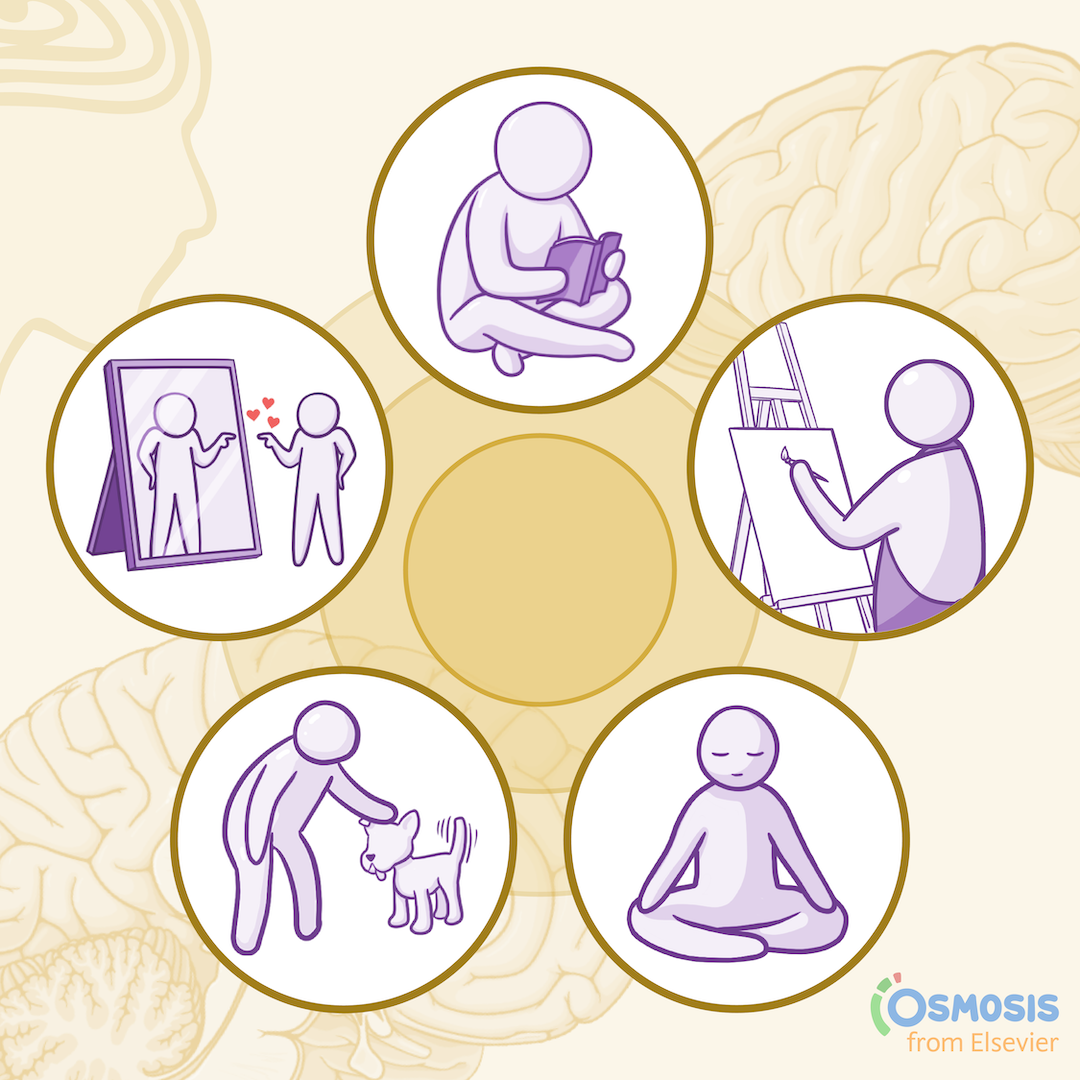
For example, bibliotherapy is therapeutic reading for emotional and cognitive support. Rather than a pill, a book is prescribed to the patient to assist them with emotional processing and help them connect to characters whose personal challenges mirror their own. This form of connection creates an opportunity for an emotional release and an increase in self-awareness.
Bibliotherapy also helps with changing thought patterns, developing coping mechanisms, and reducing stress and anxiety. When used in group therapy, bibliotherapy helps patients connect with others and improve their communication skills by sharing their reflections and interpretations of the book. Bibliotherapy is often used as a complementary therapy for:
- Eating disorders
- Substance use disorder
- Anxiety disorders
- Major depressive disorder
- Relationship troubles
- Loneliness
- Grief
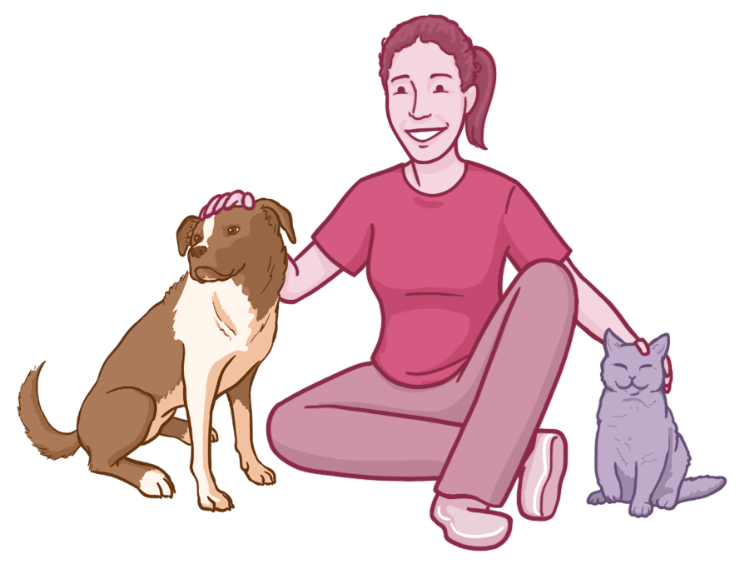
Next, let’s discuss Animal-Assisted Therapy. Through this approach, animals, including dogs, birds, cats, and horses, are incorporated into the treatment plan. The patient, clinician, and animal move through therapeutic activities based on the goals of treatment. The connection between animals and people often cultivates feelings of safety, trust, self-worth, comfort, and relaxation, while also changing the patient’s focus from their difficult situation to an enjoyable one. This type of therapy also reduces loneliness, encourages more physical activity, and improves social support. Animal-Assisted Therapy is often helpful for:
- Anxiety disorders
- Stress
- Major depressive disorder
- Schizophrenia
- Substance use disorder
- Autism
- Attention-deficit hyperactivity disorder (ADHD)
- Alzheimer’s disease
- Behavioral/emotional problems in children
Now let’s explore some mind-body techniques. Activities like exercise, yoga, meditation, guided imagery, and Tai Chi are all considered mind-body techniques because they’re a combination of both mental and physical exercise. All mind and body treatments can improve mood, relieve anxiety, and improve other symptoms of mental illness. Physical activity helps to slow weight gain, ease fatigue, and mitigate some of the side effects of many conventional medicines used to treat mental health conditions.
Mind-body techniques are helpful for patients with:
- Depression
- ADHD
- Insomnia
- Post-traumatic stress disorder (PTSD)
- Stress reduction
- Pain relief
Learn more about the different types of mind-body techniques here.
Next, let’s learn more about herbal and nutritional supplements and how they’re used as a complementary therapy. There is a wide variety of herbal supplements, and they are effective for mental health conditions such as:
- Depression
- Anxiety
- Stress
- Bipolar disorder
- Panic
- Trauma
Some examples of CAM supplements include St. John’s Wort, chamomile, sage, and passionflower. Learn more about supplements and their uses here.
The nutritional supplements used include minerals, vitamins, and enzymes such as vitamin D, calcium, folate, and omega-3 fatty acids. Although research is ongoing to determine the efficacy of these nutritional supplements, some have been found to help treat depression and contain antioxidant activity.
Whether it’s an herbal or a nutritional supplement, patients and clinicians should both be aware of potential interactions with medications such as antidepressants, blood thinners, oral contraceptives, and anti-cancer drugs, as well as potential side effects.
Other complementary therapies include Eastern medicine options such as acupuncture and acupressure. The goals of acupuncture and acupressure are to prevent and cure conditions while encouraging the release of endorphins to improve overall feelings of well-being. Acupuncture achieves this goal through the insertion of thin needles into specific points of the body, while acupressure stimulates the same points through manual pressure. These therapies are used to treat mental health concerns, including:
- Anxiety
- Depression
- Insomnia
- Promote relaxation
Massage and aromatherapy may also be helpful as complementary therapies. During a massage, the masseuse works on the soft tissue of the body to promote relaxation, relieve pain, and improve well-being. Some patients find massage therapy useful in reducing muscle tension caused by PTSD or anxiety. Aromatherapy utilizes essential oils to help manage anxiety, depression, and insomnia, as well as to relax patients. Different oils are applied to address specific concerns and may be helpful when combined with massage therapy.
Biofeedback and Neurofeedback are treatments that involve non-invasive electrical instruments to monitor feedback from the nervous system. Biofeedback tracks respiration, muscle tension, heart rate, and blood pressure. Neurofeedback is a type of biofeedback that measures brainwave activity using electrodes placed on the scalp. Each of these therapies encourages patients to develop key coping skills and to work with their clinician to make conscious changes to manage these involuntary bodily functions.
They are used for a variety of physical conditions, as well as mental health conditions, including:
- PTSD
- ADHD
- Anxiety
- Depression
Alternative Therapies in Mental Health
Now that we’ve explored a variety of complementary therapies, let’s turn our attention to alternative therapies and treatments.
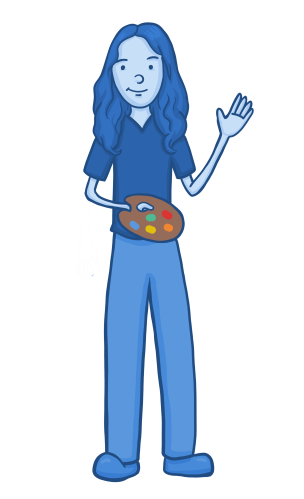
Art therapy uses creative nonverbal expression as a healing modality, and is especially useful for patients who have trouble expressing their inner thoughts and feelings. Instead of articulating their emotions verbally, they’re able to process them through drawing, painting, or sculpture. Those living with the effects of trauma and difficult emotions often find art therapy beneficial.
Next, let’s discuss Humanistic therapy, which focuses on empowering patients to reach self-actualization by making rational choices and self-healing. Therapists offer positivity and empathy to encourage patients to express their emotions and work towards becoming the best version of themselves.
This therapy is valuable in treating:
- Panic disorders
- Personality disorders
- Schizophrenia
- Depression
- Anxiety
- Substance use
- Interpersonal relationship issues
As noted earlier, Holistic therapy is the integrated treatment of the mind, body, and spirit. This approach is beneficial for a variety of common mental health conditions and concerns, such as depression, anxiety, stress, trauma, and other medical conditions. Getting a complete picture of the patient’s needs is key to crafting a well-rounded treatment plan.
Clinical Considerations for Using Complementary and Alternative Therapies
Now that we have a clear understanding of the various CAM therapies, let’s take a look at how clinicians can assess and support patients who are interested in these approaches. As with any patient, clinicians need to conduct a thorough medical history, physical exam, and review the patient’s medical records to get a clear picture of what’s been discussed and tried, as well as which options the patient has refused, to gain an understanding of the patient’s treatment suitability and preferences. Doing this also allows clinicians to determine if a complementary or alternative therapy is a safe option, if it will interfere with the current treatment, or if it’s completely contraindicated.
When necessary, clinicians can also refer the patient for further evaluation and treatment by a licensed practitioner of CAM therapy. Though an interdisciplinary team is helpful, the referring clinician is still responsible for monitoring results and confirming that the patient is making progress. Clinicians should also maintain complete records of the medical history, physical exam, lab results, treatment objectives, informed consent, medications, agreements, and reviews of progress.
Practical Strategies for Incorporating Therapies into Clinical Practice
There’s a wide variety of clinical education and training opportunities for clinicians interested in incorporating complementary and alternative therapies into clinical practice. (Check out this list of fellowships in integrative medicine.) Several universities also offer certificates in CAM.
In addition to training, establishing referral networks with complementary and alternative therapy practitioners is another great way to incorporate these therapies into your practice. Creating an interdisciplinary team to treat your patient as a whole person will allow you to provide holistic care.
Case Examples
Curious about the evidence surrounding these therapies? Take a look at some studies that highlight success in incorporating CAM into treatment plans:
Challenges and Limitations
Although complementary and alternative therapies are gaining popularity among patients, there remains a need for further research to examine their effectiveness and provide evidence-based alternatives. Additionally, addressing patient and clinician skepticism should foster greater acceptance. These practices are not a part of the traditional medicine model and are often excluded from medical education curricula, which can lead some patients to hesitate in trying them. However, increasing knowledge, research, and access can help reduce skepticism, boost interest, and promote their incorporation into clinical practice.
Expanding clinician mental health resources that include discussions on CAM therapy would also benefit training efforts. In terms of accessibility, patients may face challenges in securing insurance coverage for these CAM therapies, as well as finding clinicians trained in these modalities. While there’s still a lot of work to do to improve access and establish effectiveness, CAM treatments represent a promising area for growth that stands to benefit patients in the long run.
Conclusion
As you can see, there’s a wide variety of mental health therapy options available for patients, which can be challenging for clinicians who want to learn more about CAM therapies in the mental health arena. We hope that you’re open to learning more about these therapeutic options, since they’re gaining popularity with patients and, consequently, the science behind them is being reviewed more closely. Understanding these therapies can foster collaborative discussions between patients and providers, helping ensure that people using these therapies are doing so in a safe and supervised manner. Remember, being a well-rounded clinician truly benefits your patients and allows you to provide the best care possible!
Key Takeaways
- Complementary therapies include psychological, physical, nutritional, and mind-body methods.
- Many patients use complementary and alternative therapies (CAM) alongside standard treatments to manage symptoms.
- Clinicians must assess safety, efficacy, and patient preferences for CAM.
- Collaboration with CAM practitioners enhances holistic patient care.
- Research on CAM effectiveness is growing but still limited in scope.
References
- https://www.who.int/health-topics/mental-health#tab=tab_2
- https://www.nami.org/about-mental-illness/treatments/complementary-health-approaches/
- https://pmc.ncbi.nlm.nih.gov/articles/PMC7011222/
- https://www.mind.org.uk/information-support/drugs-and-treatments/complementary-and-alternative-therapies/about-complementary-and-alternative-therapies/
- https://mhanational.org/treatment-options/complementary-alternative-medicine/
- https://www.nccih.nih.gov/health/complementary-alternative-or-integrative-health-whats-in-a-name
- https://www.camh.ca/en/health-info/mental-illness-and-addiction-index/complementary-and-alternative-therapies
- https://pmc.ncbi.nlm.nih.gov/articles/PMC10684695/
- https://www.rethink.org/advice-and-information/living-with-mental-illness/treatment-and-support/complementary-and-alternative-treatments-for-mental-health/
- https://www.healthline.com/health/mental-health/holistic-therapy#benefits
- https://www.healthline.com/health/mental-health/what-is-bibliotherapy#benefits
- https://www.verywellmind.com/what-is-bibliotherapy-4687157#toc-understanding-bibliotherapy
- https://www.psychologytoday.com/us/therapy-types/animal-assisted-therapy#how-it-works
- https://www.nami.org/about-mental-illness/treatments/complementary-health-approaches/
- https://my.clevelandclinic.org/health/articles/16883-complementary-therapy
- https://www.rcpsych.ac.uk/mental-health/treatments-and-wellbeing/complementary-and-alternative-medicines
- https://www.hopkinsmedicine.org/health/wellness-and-prevention/acupuncture
- https://my.clevelandclinic.org/health/treatments/13354-biofeedback
- https://mindrxgroup.com/complementary-therapies-that-enhance-psychiatric-treatment/
- https://www.psychologytoday.com/us/therapy-types/humanistic-therapy#when-its-used
- https://www.healthline.com/health/mental-health/holistic-therapy#benefits
- https://www.ncbi.nlm.nih.gov/books/NBK83798/
- https://www.abpsus.org/integrative-medicine-fellowships/
- https://drexel.edu/cnhp/academics/certificates/Certificate-PB-Advanced-Study-Complementary-and-Integrative-Therapies/
- https://www.sciencedirect.com/science/article/abs/pii/S0890856709604548
- https://pmc.ncbi.nlm.nih.gov/articles/PMC10986847/#s4
- https://www.ncbi.nlm.nih.gov/books/NBK279641/
- https://pmc.ncbi.nlm.nih.gov/articles/PMC10684695/#sec20
- https://pmc.ncbi.nlm.nih.gov/articles/PMC6296392/#abstract1
- https://www.nccih.nih.gov/health/paying-for-complementary-and-integrative-health-approaches
Try Osmosis by Elsevier today! Access your free trial and discover why millions of current and future clinicians and caregivers love learning with us.
Leave a Reply