-
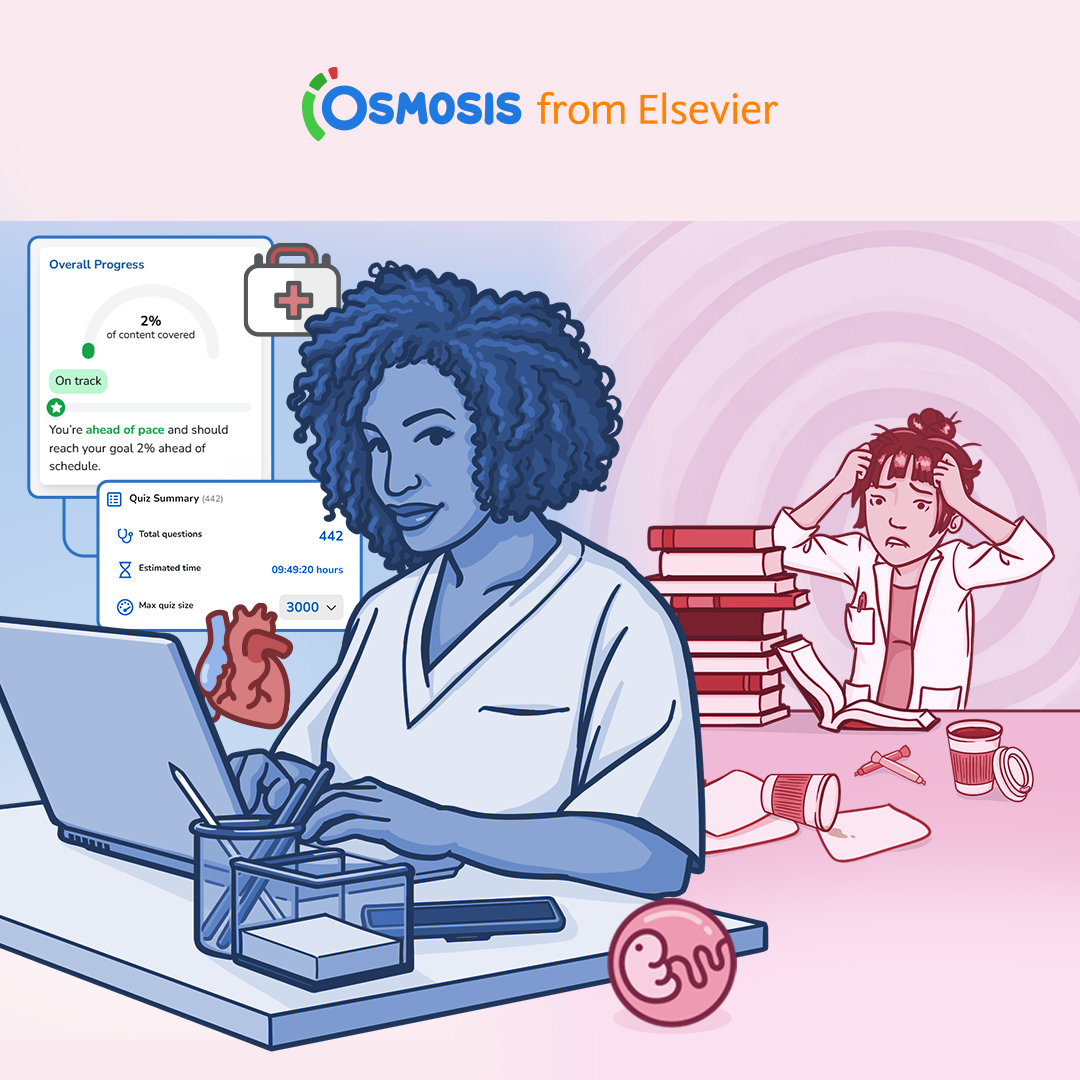
5 Ways to Reduce Overwhelm in New Healthcare Students
— Updated:
—
The transition into healthcare education is demanding, but it doesn’t have to be overwhelming. Learn five practical, evidence-based strategies educators can use to build confidence, improve study habits, and support student success from the very first weeks.
-
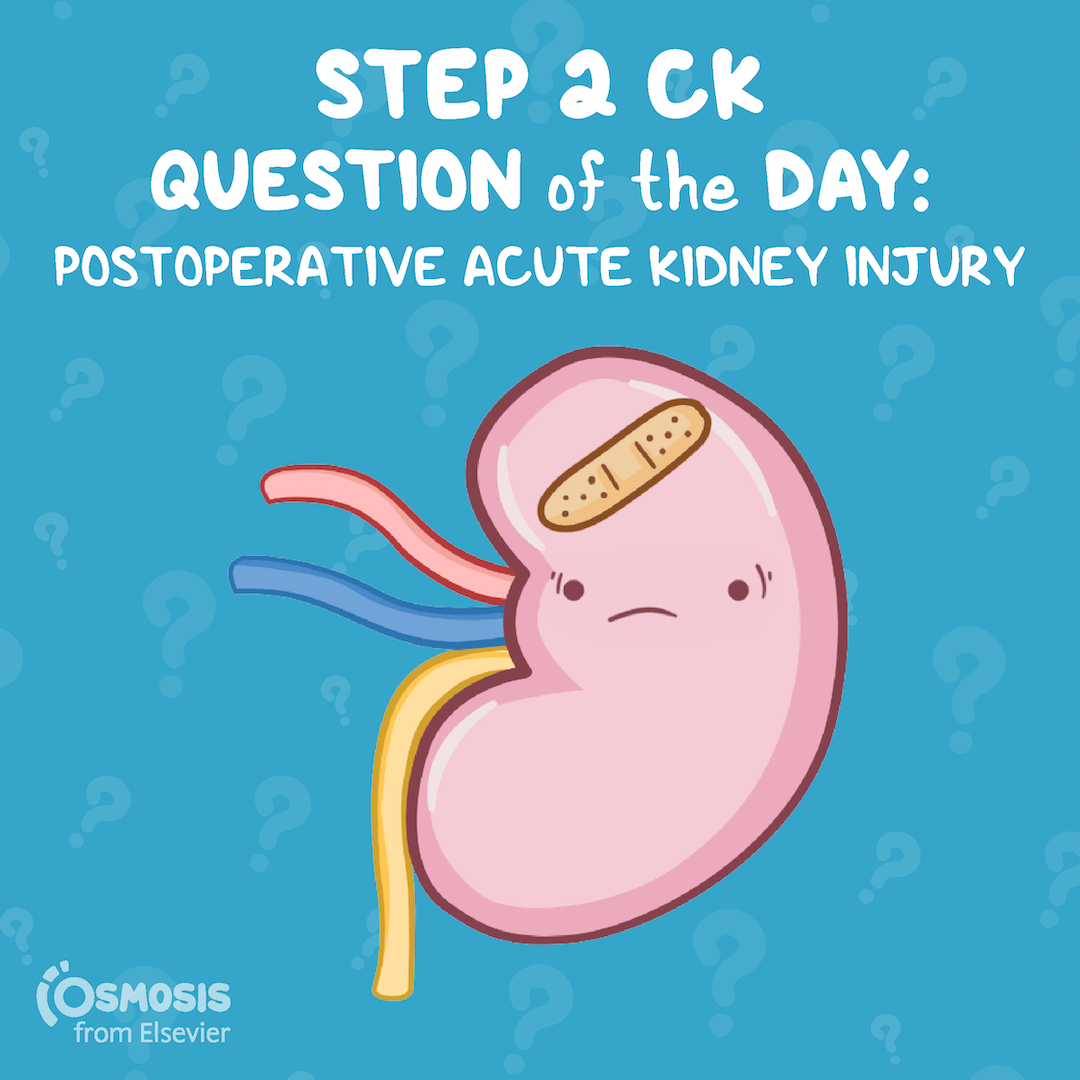
USMLE® Step 2 CK Question of the Day: Postoperative acute kidney injury
— Updated:
—
A postoperative patient develops worsening kidney function after surgery. Can you identify the most likely cause of acute kidney injury in this high-yield USMLE-style clinical scenario?
-
NCLEX-RN® Question of the Day: Health-related misinformation
— Updated:
—
Health misinformation can influence treatment decisions and patient outcomes in powerful ways. Explore this NCLEX-style question on evidence-based care, patient education, and the nurse’s role in combating misinformation.
-
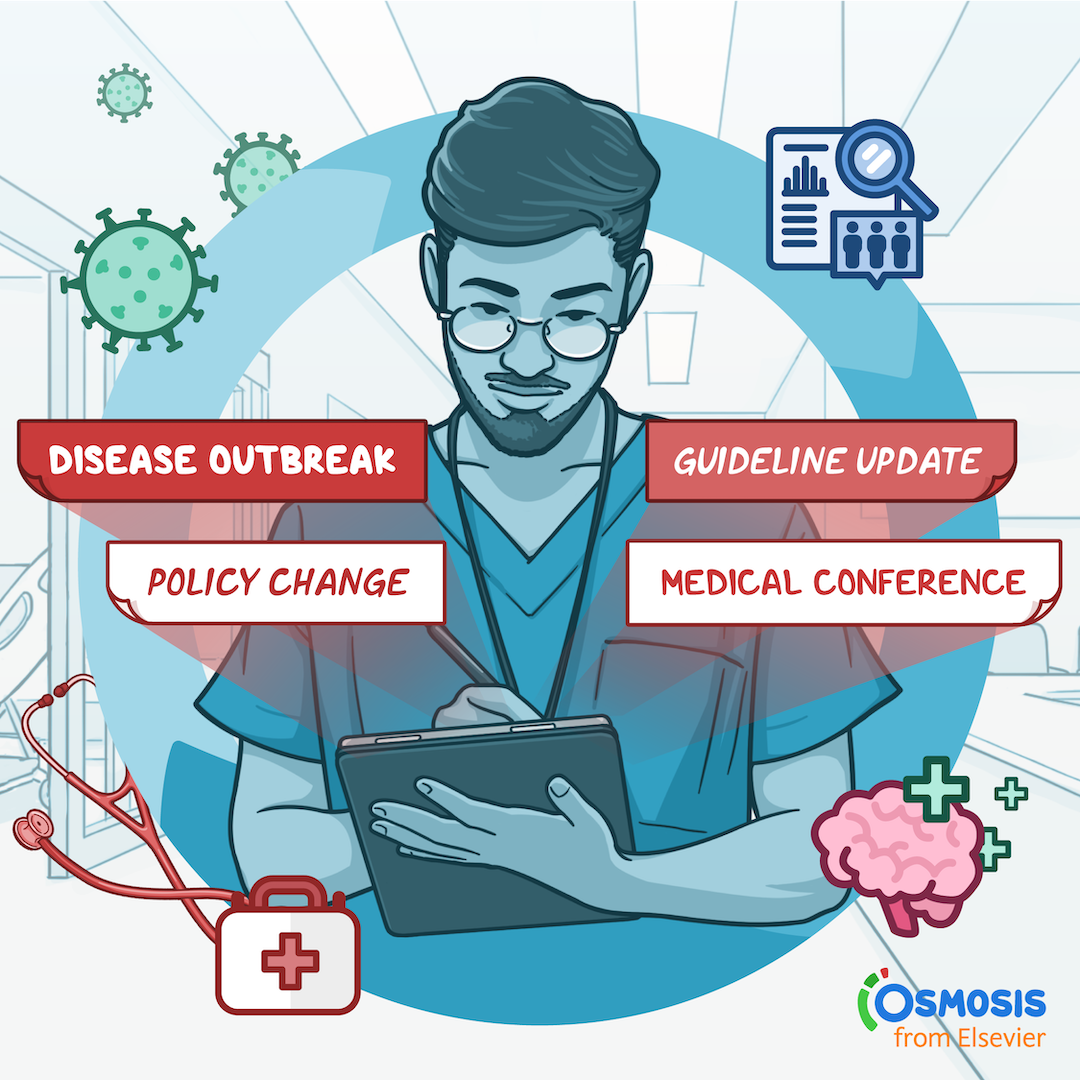
The Healthcare Learning Effect No One Talks About
— Updated:
—
How do healthcare events shape what clinicians and students learn? Explore how outbreaks, guideline updates, policy changes, and major medical conferences influenced learning activity on the Osmosis platform and what these patterns reveal about medical education.
-
USMLE® Step 1 Question of the Day: Low back pain
— Updated:
—
A young athlete develops persistent low back pain during gymnastics training. Can you identify the underlying pathology behind this common sports-related spinal condition?
-
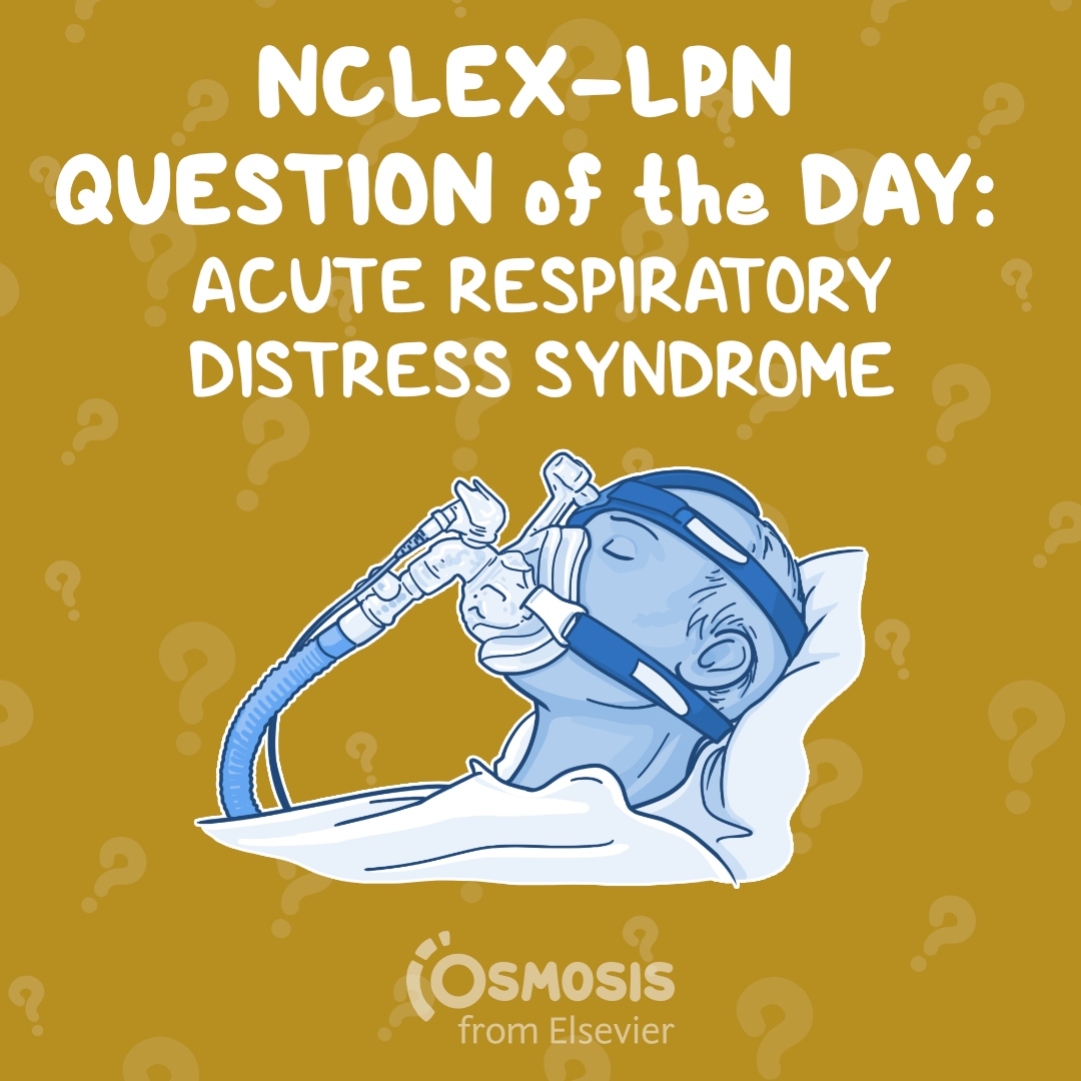
NCLEX® LPN Question of the Day: Acute respiratory distress syndrome
— Updated:
—
Can you accurately explain Acute Respiratory Distress Syndrome (ARDS) to a patient? Explore this NCLEX-style question covering the pathophysiology and key characteristics of this life-threatening respiratory condition.
-
How to Smash Your Neurology Rotation (What Really Matters)
— Updated:
—
Neurology rotations challenge students to connect physical exam findings with neuroanatomy and clinical reasoning. Learn the practical habits, study strategies, and localization skills that help you excel without burning out.
-
USMLE® Step 2 CK Question of the Day: Scout CT
— Updated:
—
A patient develops worsening abdominal pain, distension, and obstipation after recent treatment for an injury. Can you identify the most likely underlying cause in this USMLE-style clinical scenario?
-
NCLEX-RN® Question of the Day: Increased intracranial pressure
— Updated:
—
Can you distinguish between the different causes of cerebral edema? Challenge your understanding of increased intracranial pressure (ICP) and neuro pathophysiology with this NCLEX-RN style question.
-
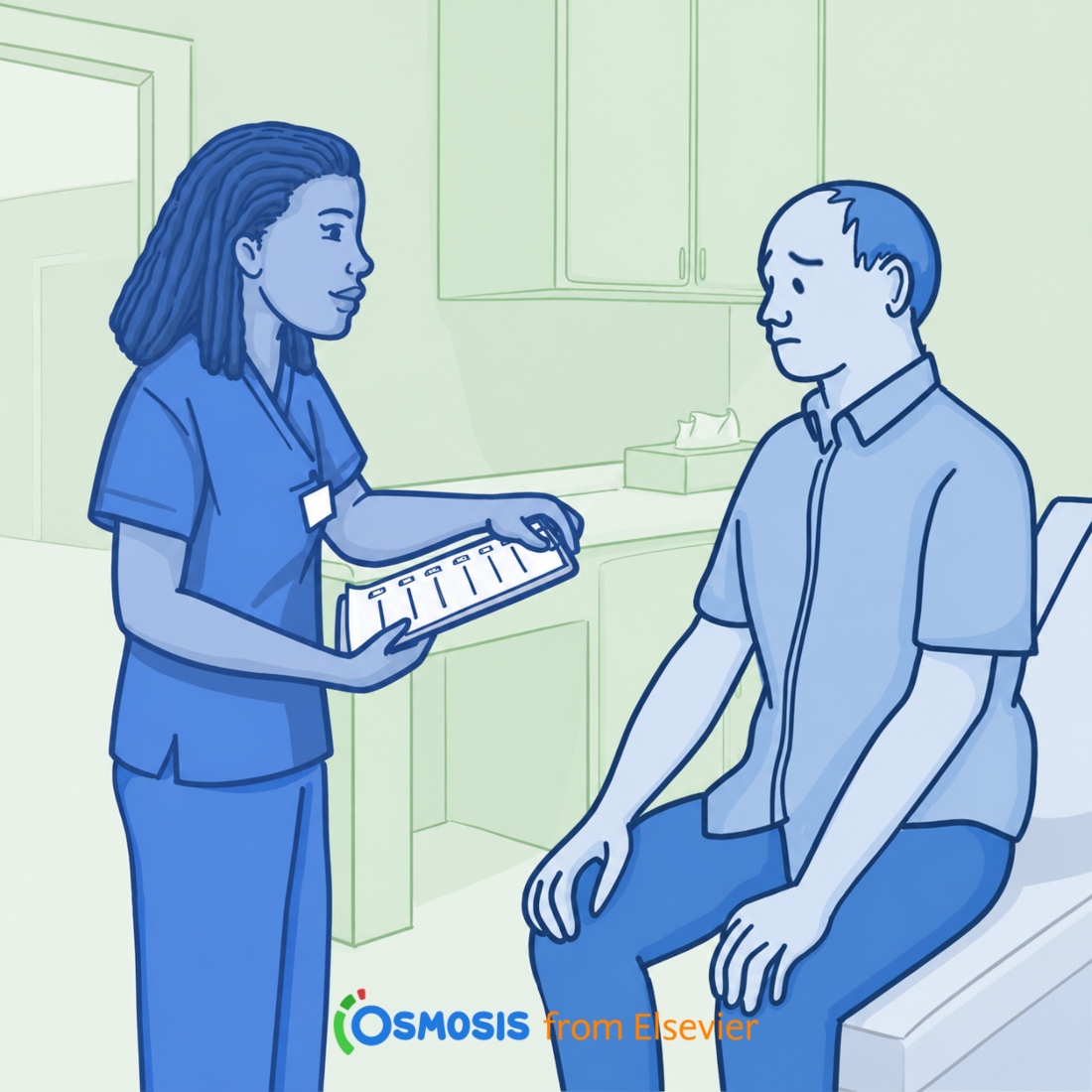
Consejos de prácticas clínicas: cómo aplicar una Examinación de Estado Mental
— Updated:
—
El examen del estado mental es una herramienta esencial para evaluar el funcionamiento psicológico y cognitivo de un paciente. Descubre cómo realizarlo paso a paso, interpretar sus componentes y aplicarlo con confianza en la práctica clínica.
-
PANCE® Question of the Day: Bloody nose
— Updated:
—
A patient presents with fever, hypotension, rash, and signs of systemic illness after a recent nasal procedure. Can you identify the diagnosis and the laboratory abnormality most consistent with this life-threatening condition?
-
NCLEX® LPN Question of the Day: Pulse rate
— Updated:
—
Can you identify which pediatric patient has an abnormal pulse rate? Challenge your understanding of age-specific vital signs with this NCLEX-LPN style nursing question.
-
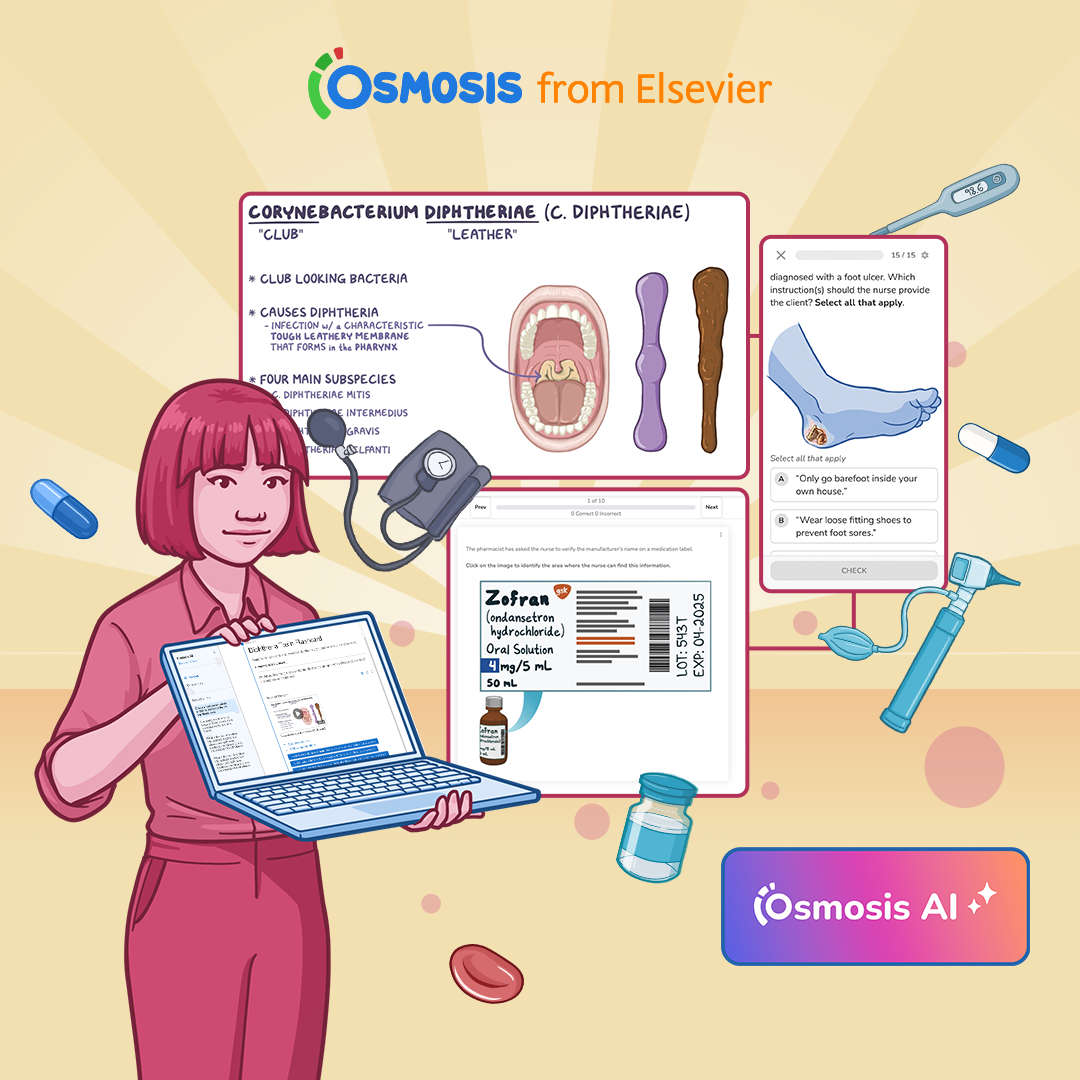
How to Support Evidence-Based Learning with Osmosis AI
— Updated:
—
Students don’t just need faster answers; they need deeper understanding. Learn how Osmosis AI supports evidence-based learning by reinforcing clinical reasoning, active learning, and trusted educational content within a seamless study experience.
-
USMLE® Step 1 Question of the Day: Abdominal discomfort
— Updated:
—
A patient with signs of advanced liver disease develops complications related to increased portal pressure. Can you identify the consequence most closely associated with this high-yield USMLE-style case?
-
NCLEX-RN® Question of the Day: Meconium aspiration syndrome
— Updated:
—
A newborn is suspected of having meconium aspiration syndrome. Can you identify the diagnostic test most commonly used to support the diagnosis in this NCLEX-RN scenario?
-
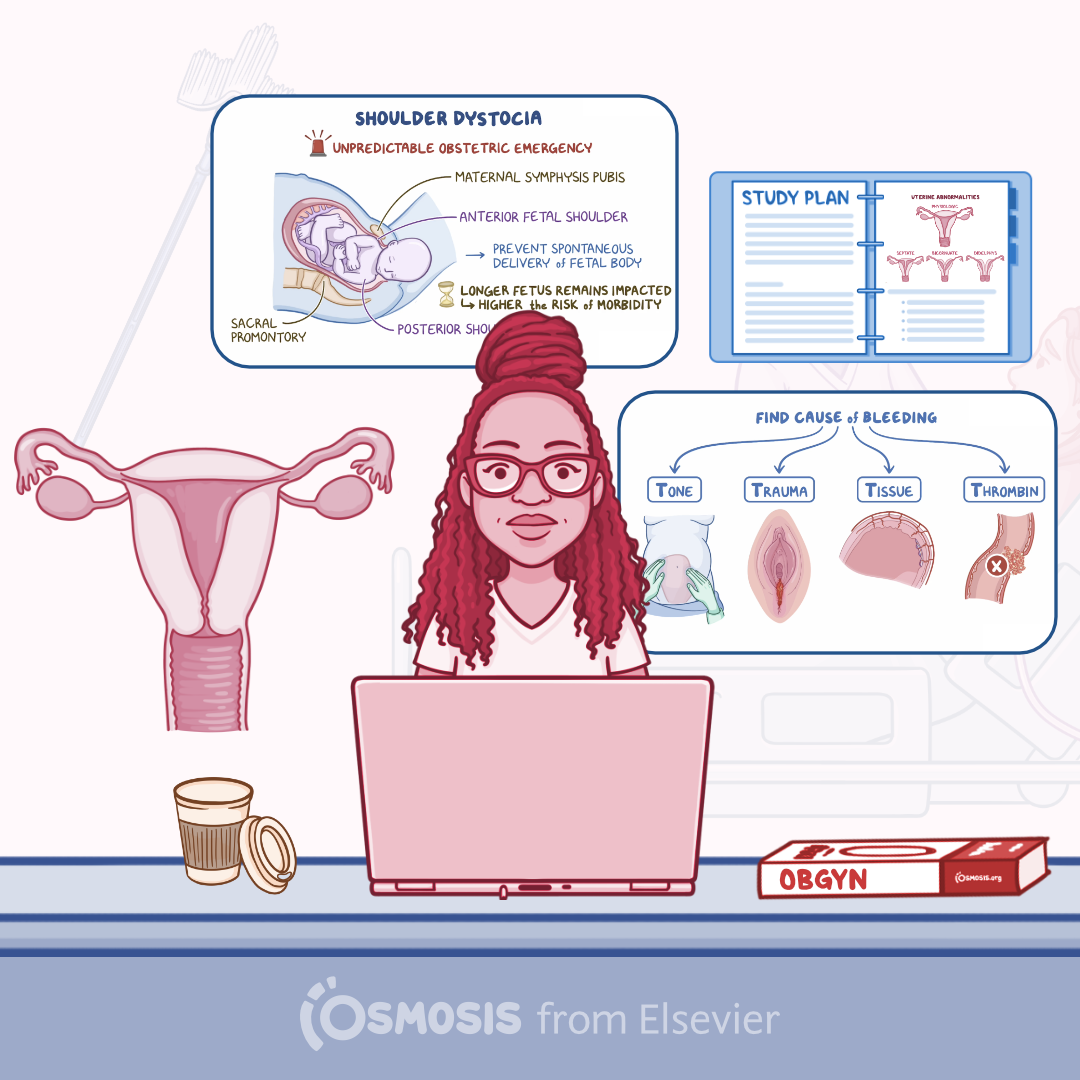
OB/GYN Shelf Exam: How to Study Less and Score Better
— Updated:
—
The OB/GYN shelf exam tests more than diagnoses; it challenges your ability to make safe, time-sensitive clinical decisions. Learn the high-yield topics and study strategies that help you score higher while avoiding burnout.
-
USMLE® Step 2 CK Question of the Day: Influenza medications
— Updated:
—
An older patient develops worsening respiratory symptoms and concerning clinical findings. Can you identify the most appropriate treatment strategy in this high-yield USMLE-style case?
-
NCLEX-RN® Question of the Day: Altered mental status
— Updated:
—
A patient presents with altered mental status and suspected substance intoxication. Can you identify the most appropriate next diagnostic step in this NCLEX-RN style clinical scenario?
-
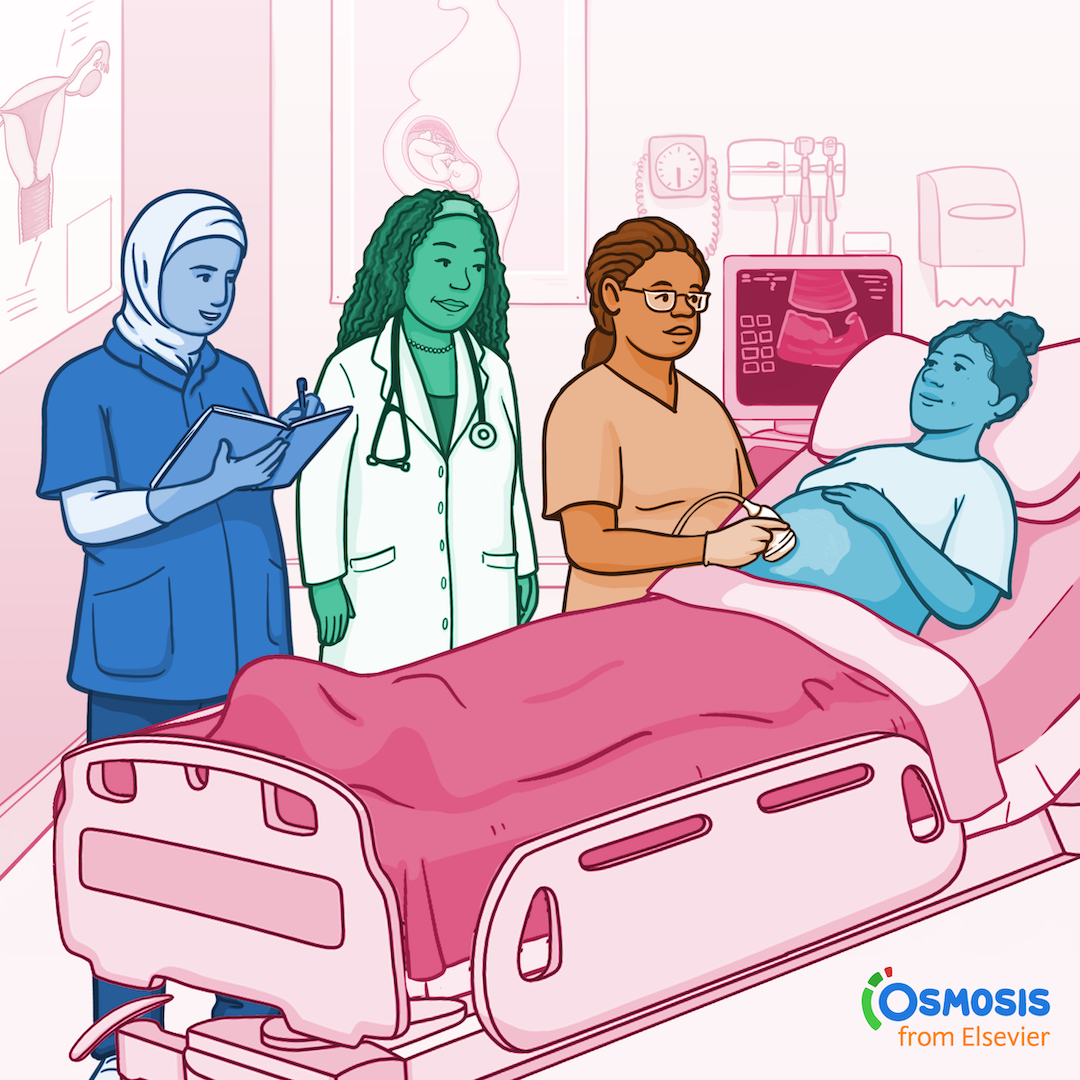
How to Combat Racial Disparities in Maternal Health: 6 Key Strategies
— Updated:
—
Black women in the US experience significantly higher rates of pregnancy-related complications and death than other groups. Explore the factors driving these disparities and the evidence-based strategies that can help improve maternal health equity.
-
PANCE® Question of the Day: Diabetic ketoacidosis
— Updated:
—
A patient with diabetic ketoacidosis improves clinically but remains acidotic and hypotensive. Can you identify the next best management step in this high-yield PANCE-style scenario?
-
NCLEX® LPN Question of the Day: Hospital discharge
— Updated:
—
Do you know what truly defines a hospital discharge? Challenge your understanding of care transitions and discharge planning with this quick LPN-focused question.
-
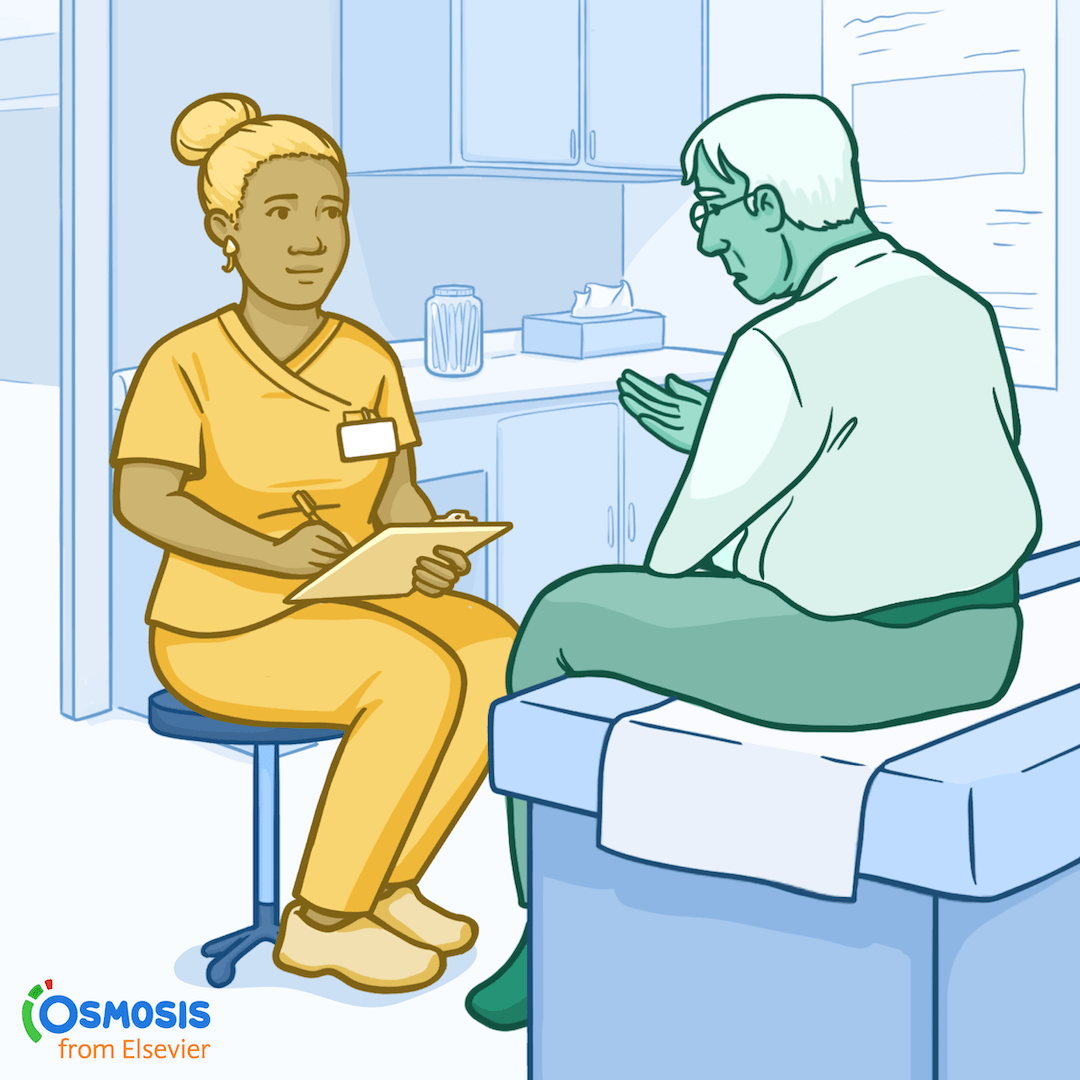
How to Smash Your Psychiatry Rotation (What Actually Matters)
— Updated:
—
Psychiatry rotations challenge students in ways no other clerkship does. Learn the mindset, communication skills, and clinical strategies that help you build confidence, connect with patients, and excel on the rotation.
-
USMLE® Step 1 Question of the Day: Vortioxetine interaction
— Updated:
—
A young patient develops rapid-onset agitation, hyperthermia, and rigidity after a medication change. Can you identify the underlying mechanism behind this high-yield clinical scenario?
-
NCLEX-RN® Question of the Day: Reverse isolation
— Updated:
—
Why are some patients placed in reverse isolation? Explore this NCLEX-RN style question on infection prevention, protective precautions, and caring for immunocompromised patients.
-
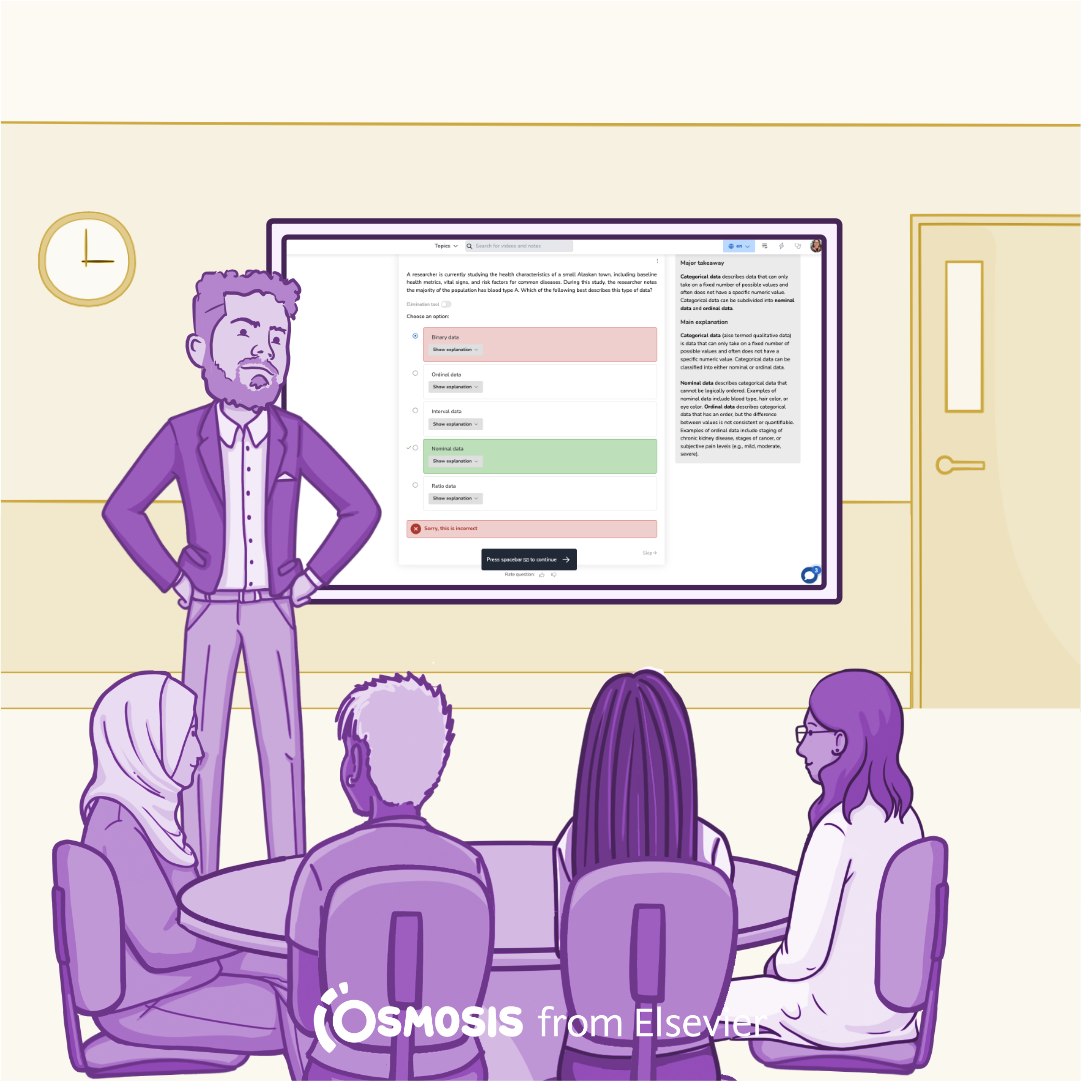
Conociendo Osmosis: consejos y trucos para usar la plataforma
— Updated:
—
¿Nuevo en Osmosis o quieres aprovechar mejor la plataforma? Aprende cómo crear planes de estudio efectivos, utilizar la repetición espaciada y organizar tus recursos para estudiar de forma más inteligente y eficiente.
-
USMLE® Step 2 CK Question of the Day: Withdrawal symptoms
— Updated:
—
A young woman presents with anxiety and tremors after binge drinking. Can you determine the appropriate next step in managing this common but nuanced clinical scenario?
-
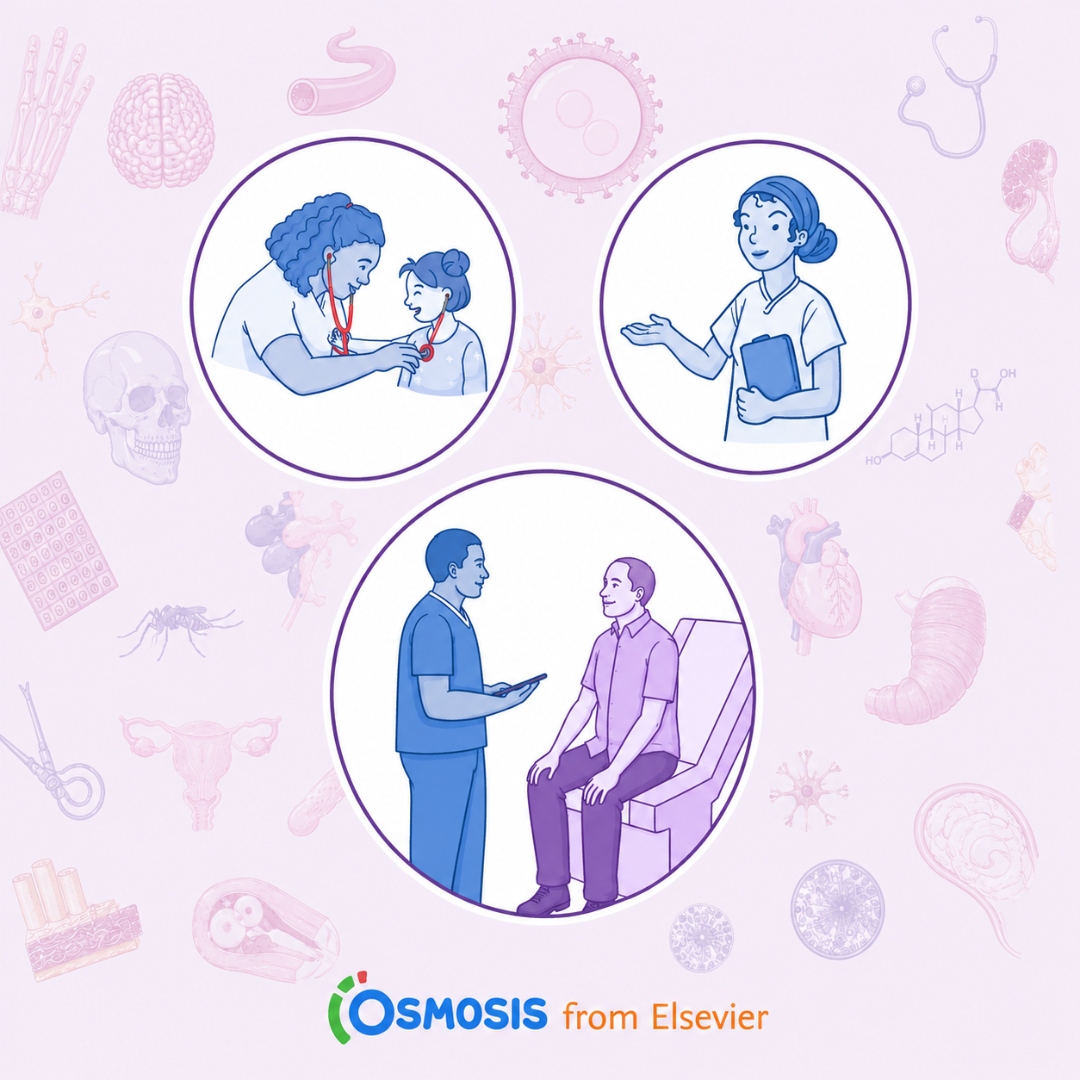
Small Communication Choices That Improve Patient Care
— Updated:
—
Small communication choices can have a lasting impact on patient trust, understanding, and care experiences. Discover practical strategies for creating more respectful, empathetic, and patient-centered interactions.
-

NCLEX-RN® Question of the Day: Newborn attachment
— Updated:
—
Can you identify the behavior that best reflects healthy infant attachment? Explore this NCLEX-RN style pediatric question on newborn development, bonding, and caregiver relationships.
-
How to Design and Deliver High-Impact Team-Based Learning Activities
— Updated:
—
Team-Based Learning transforms students from passive listeners into active problem-solvers. Discover practical strategies for designing high-impact TBL activities that strengthen clinical reasoning, collaboration, and learner engagement.
-
USMLE® Step 1 Question of the Day: Thromboprophylaxis medication
— Updated:
—
A postoperative patient develops a concerning drop in platelets after starting thromboprophylaxis. Can you identify the drug mechanism behind this clinical scenario?
-
NCLEX-RN® Question of the Day: Therapeutic communication
— Updated:
—
Therapeutic communication may sound simple, but many get it wrong. Can you identify the best response? Explore common misconceptions, real-world communication pitfalls, and how nurses build trust in this question of the day.
-

A Hidden History of Medicine: Unethical Experiments on Black Communities
— Updated:
—
Medicine’s history isn’t just a story of discovery and innovation. Many major medical advances were shaped by racism, exploitation, and unethical experimentation on Black communities. Understanding this history and its lasting impact is essential to building a more ethical, equitable, and trustworthy healthcare system today.