-

PANCE® Question of the Day: Blue extremities
— Updated:
—
Learn how to perform a newborn’s rapid assessment, obtain vital signs, and use a structured scoring approach to guide clinical decisions and determine appropriate next steps in care and disposition for optimal newborn outcomes.
-
NCLEX® LPN Question of the Day: Mental health crisis
— Updated:
—
Do you know what suicidal ideation actually means? Sharpen your understanding, avoid common terminology mix-ups, and see how nurses assess mental health in this LPN-focused question of the day.
-
Pediatrics Shelf Exam: How to Study Less and Score Better
— Updated:
—
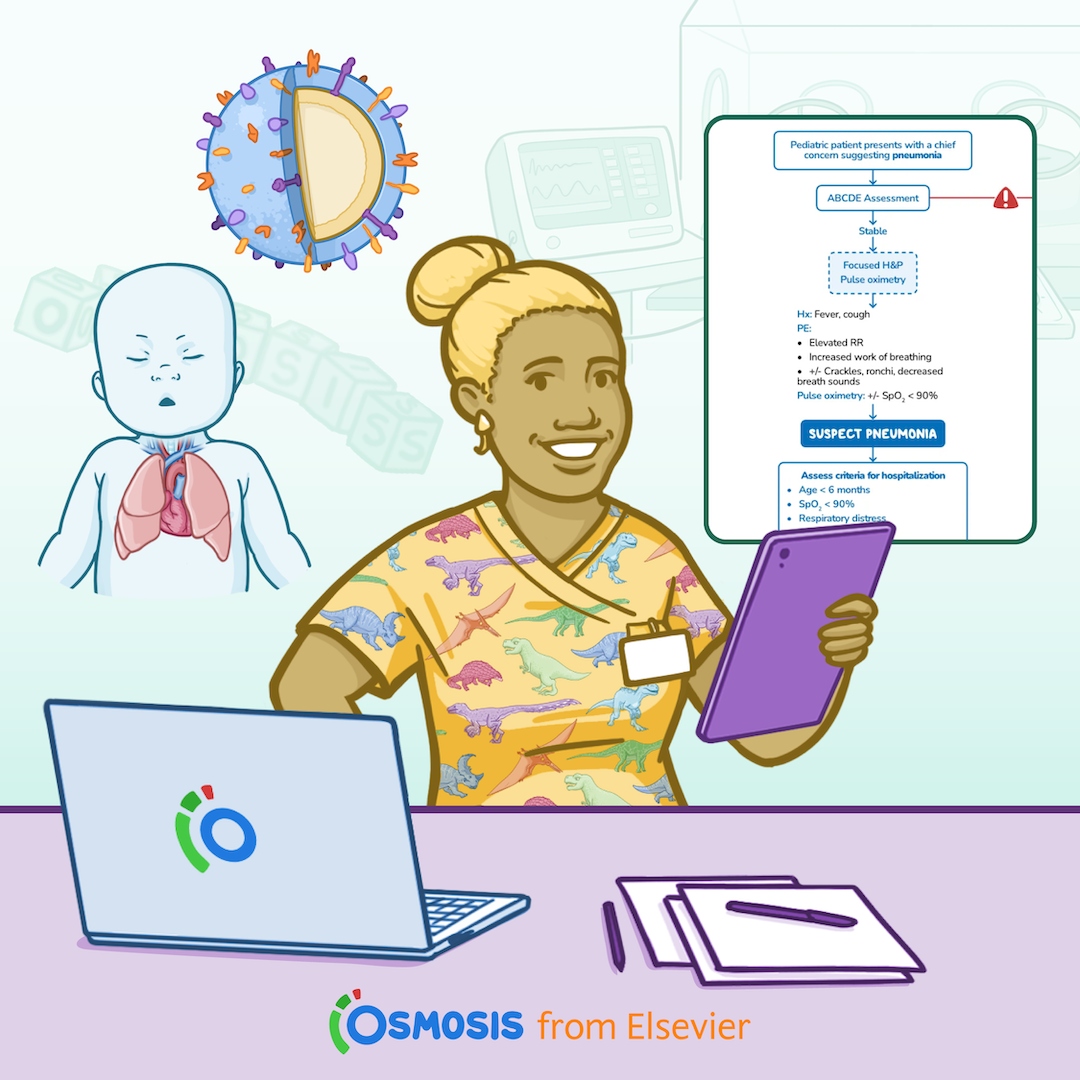
The Pediatrics shelf exam is broader and trickier than many students expect. Learn the high-yield topics, study strategies, and clinical reasoning skills that help you score higher without burning out.
-
USMLE® Step 2 CK Question of the Day: Postpartum mental health
— Updated:
—
A postpartum case explores how anxiety and irritability evolve after delivery, highlighting diagnostic clues, screening tools, and treatment options to differentiate anxiety from blues or depression in the postpartum period.
-
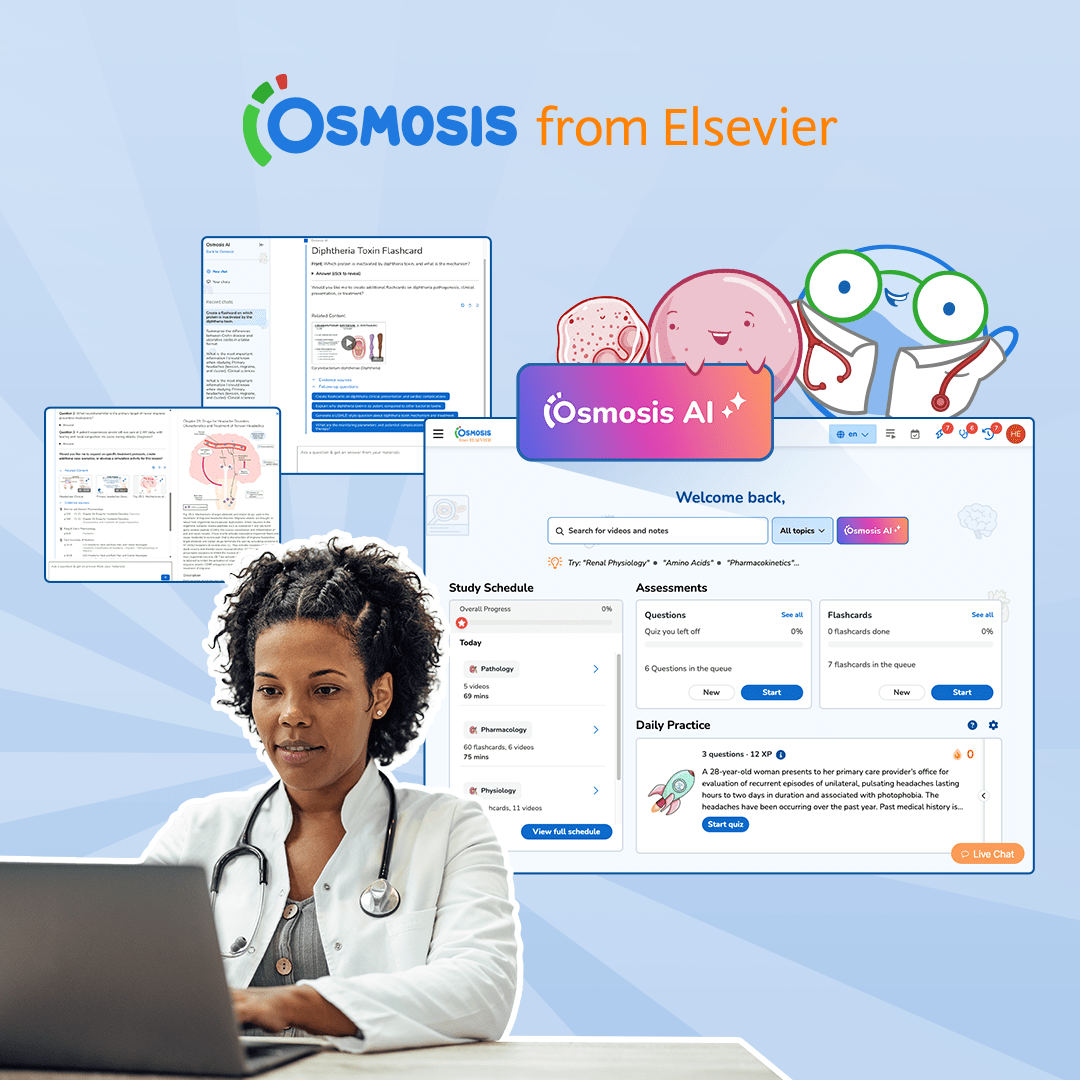
How to Flip Your Classroom with Osmosis AI
— Updated:
—
Flipped classrooms can transform medical education, but building lessons takes time. Learn how Osmosis AI helps educators create engaging, evidence-based learning experiences more efficiently.
-
What an Independent Study Found About Medical Learning Apps
— Updated:
—
A study comparing major medical education apps ranked Osmosis highest for learning usefulness and usability, highlighting the importance of efficient, learner-centered design in healthcare education.
-
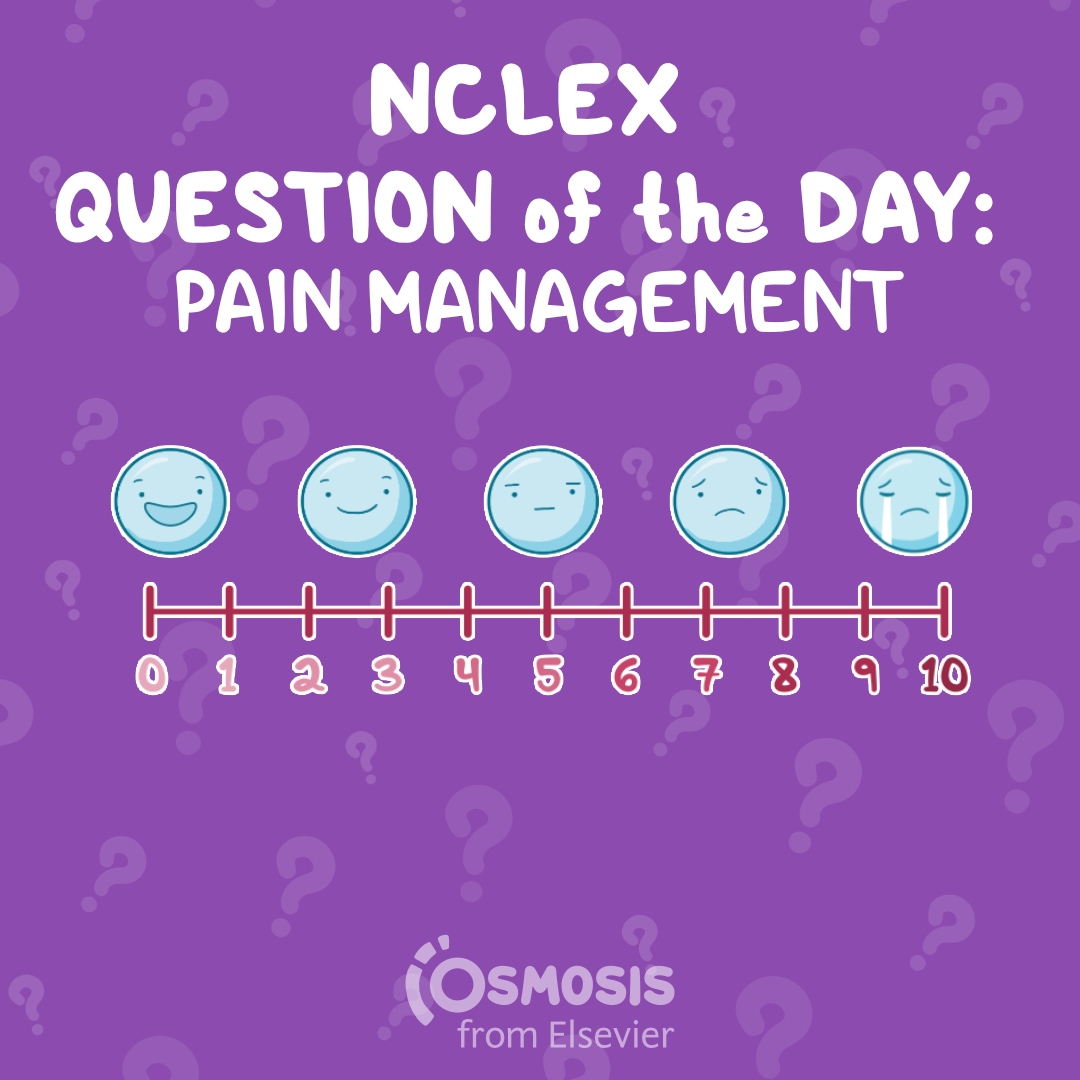
NCLEX-RN® Question of the Day: Pain management
— Updated:
—
A hospitalized patient receives IV morphine after reporting severe pain. What’s the most appropriate way to evaluate if his pain management is working?
-
How to Smash Your OBGYN Rotation (What Actually Matters)
— Updated:
—
OBGYN is fast-paced, unpredictable, and hands-on. Learn the mindset, skills, and strategies that help medical students become reliable, confident contributors during this demanding rotation.
-
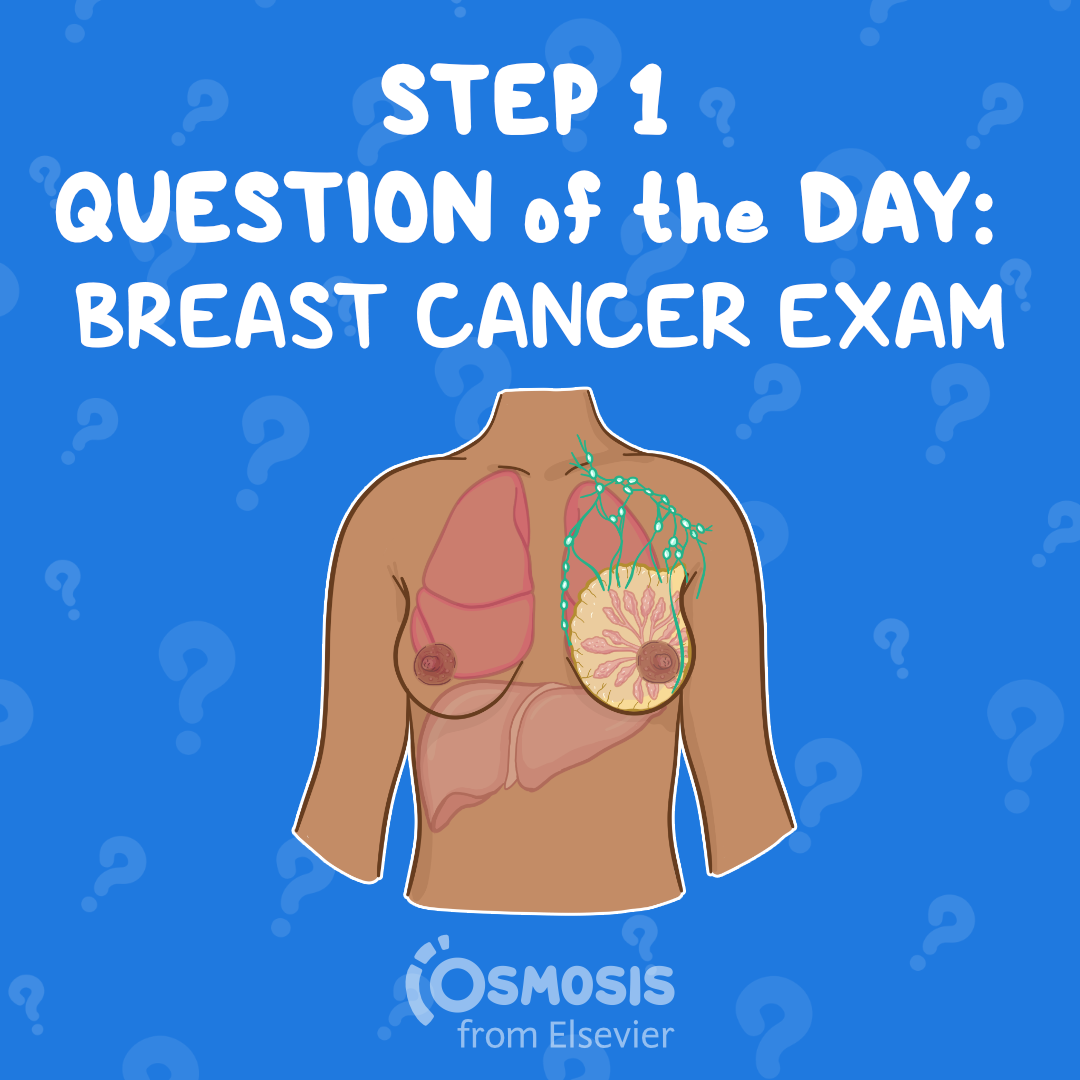
USMLE® Step 1 Question of the Day: Breast cancer exam
— Updated:
—
A 50-year-old woman presents with a persistent itchy breast rash and skin changes, including peau d’orange, dimpling, nipple retraction, and fixation of the breast. What’s the diagnosis?
-
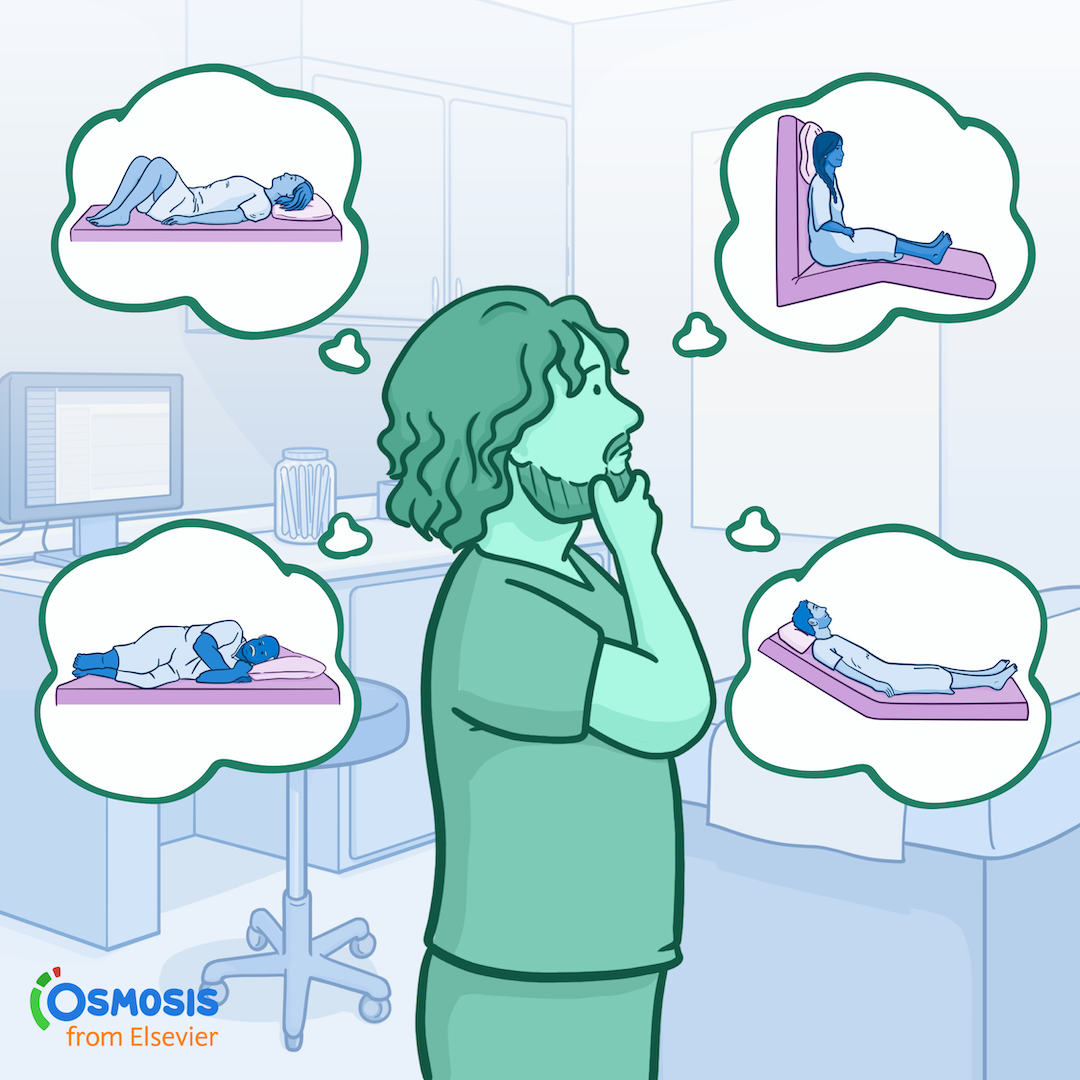
17 Patient Positions Nurses Need to Know & How to Use Them
— Updated:
—
Positioning is about more than comfort; it directly impacts patient safety, breathing, and outcomes. Discover 17 essential nursing positions, when to use them, and critical safety considerations every nurse must know.
-
NCLEX-RN® Question of the Day: Health literacy
— Updated:
—
Review this RN-focused look at promoting health literacy through plain-language materials, visuals, and timely follow-up, with practical tips for effective patient education.
-
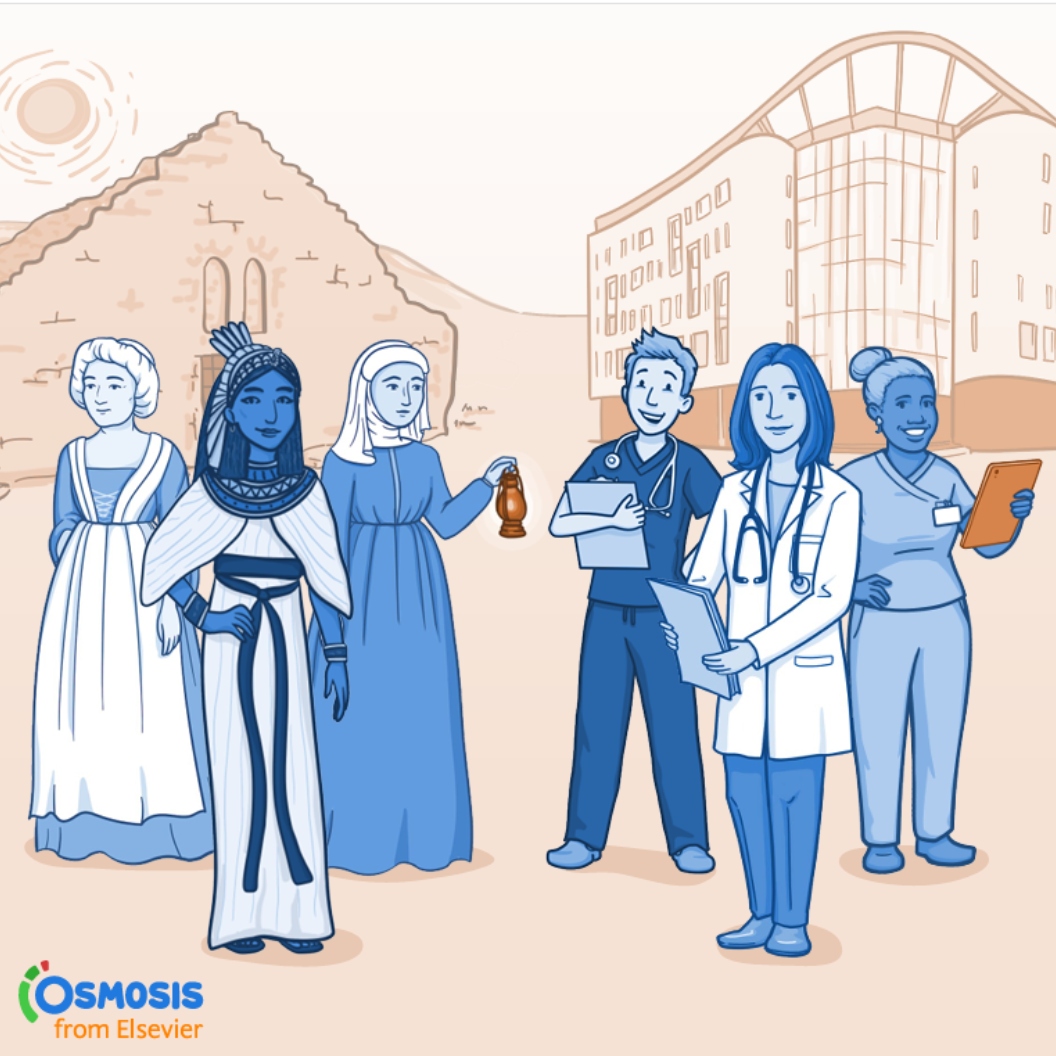
The History of Nursing: From Early Caregiving to Professional Practice
— Updated:
—
From ancient healers to modern healthcare leaders, nursing has transformed medicine through compassion, science, and innovation. Explore how this essential profession continues to shape the future of care.
-
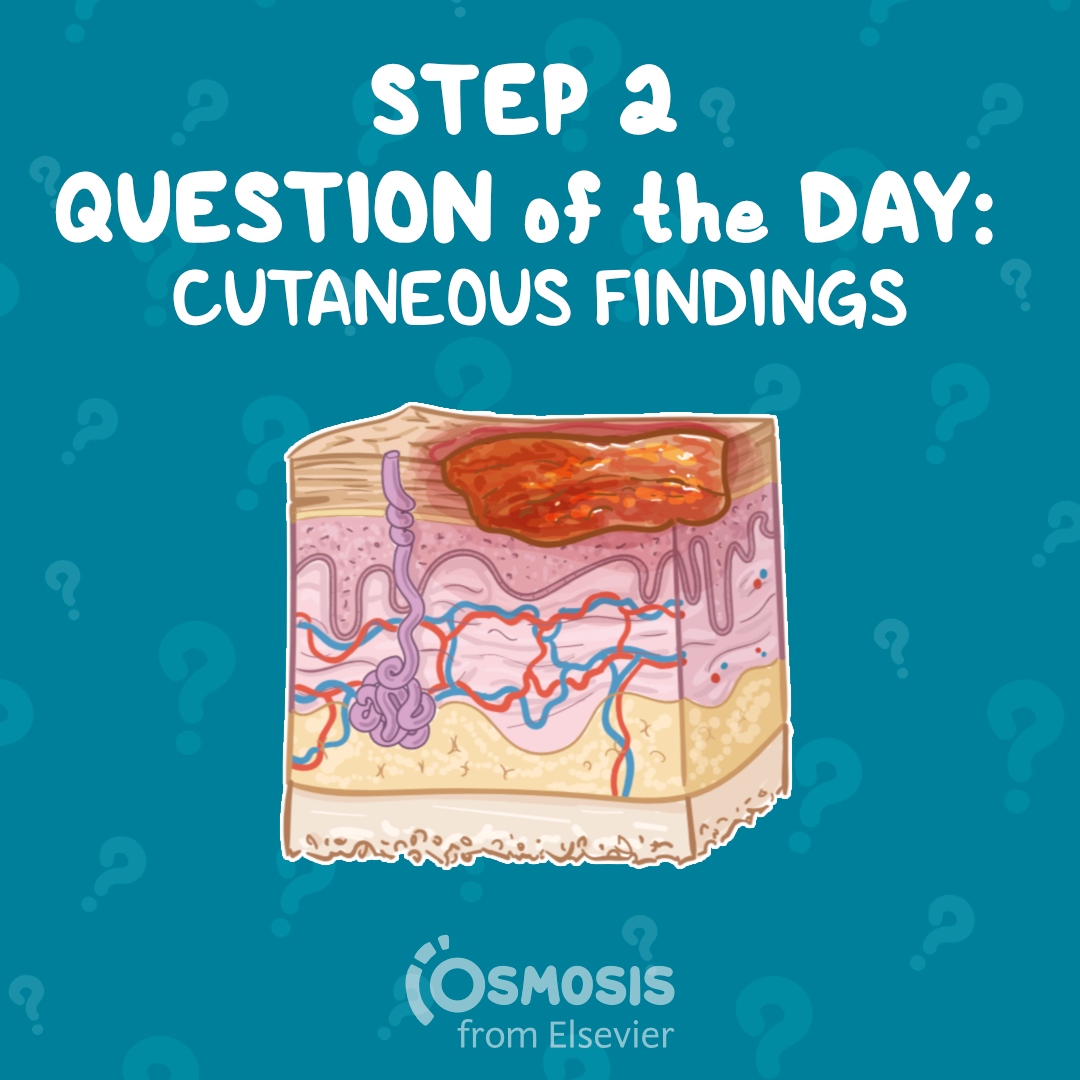
USMLE® Step 2 CK Question of the Day: Cutaneous findings
— Updated:
—
Review this clinical case of a cutaneous wound in an elderly patient with limited mobility, highlighting how pressure ulcer staging guides management decisions and care plans. What’s next in patient management?
-
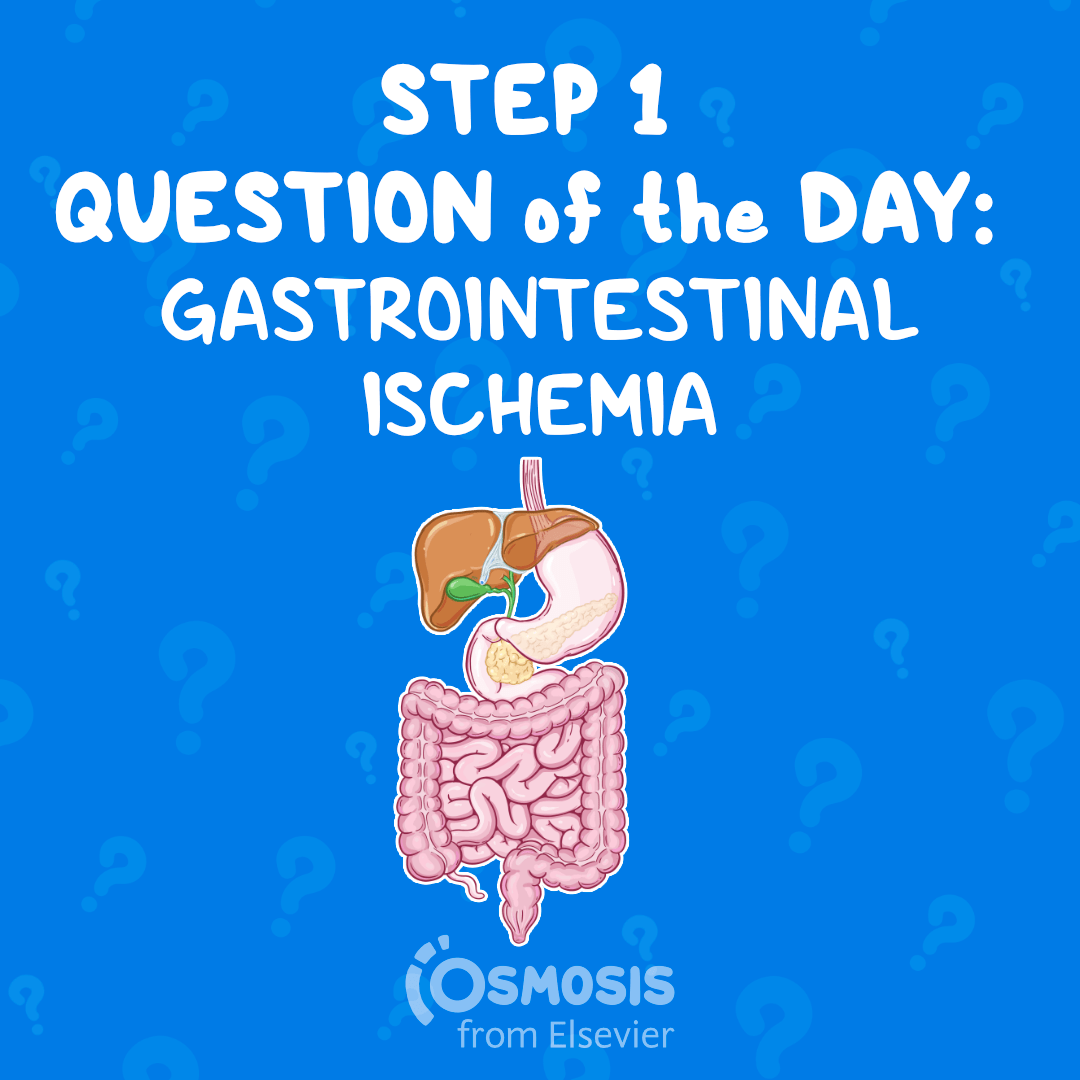
USMLE® Step 1 Question of the Day: Gastrointestinal ischemia
— Updated:
—
Learn from this clinical case highlighting why certain gut regions are more vulnerable when perfusion drops, how watershed zones operate, and how clinicians use pathophysiology and reasoning to treat the issue.
-

How to Smash Your Pediatric Rotation (What Actually Matters)
— Updated:
—
Pediatric rotations can feel overwhelming, but the real challenge isn’t what you think. Learn the mindset, skills, and strategies that separate stressed students from confident, high-performing clinicians.
-
NCLEX-RN® Question of the Day: Culturally competent care
— Updated:
—
When culturally competent care situations arise in diverse patient populations, a practical approach matters. Learn how nurses structure history, apply key cultural clues, and design respectful care plans that honor beliefs while ensuring safe, effective treatment and clear communication.
-
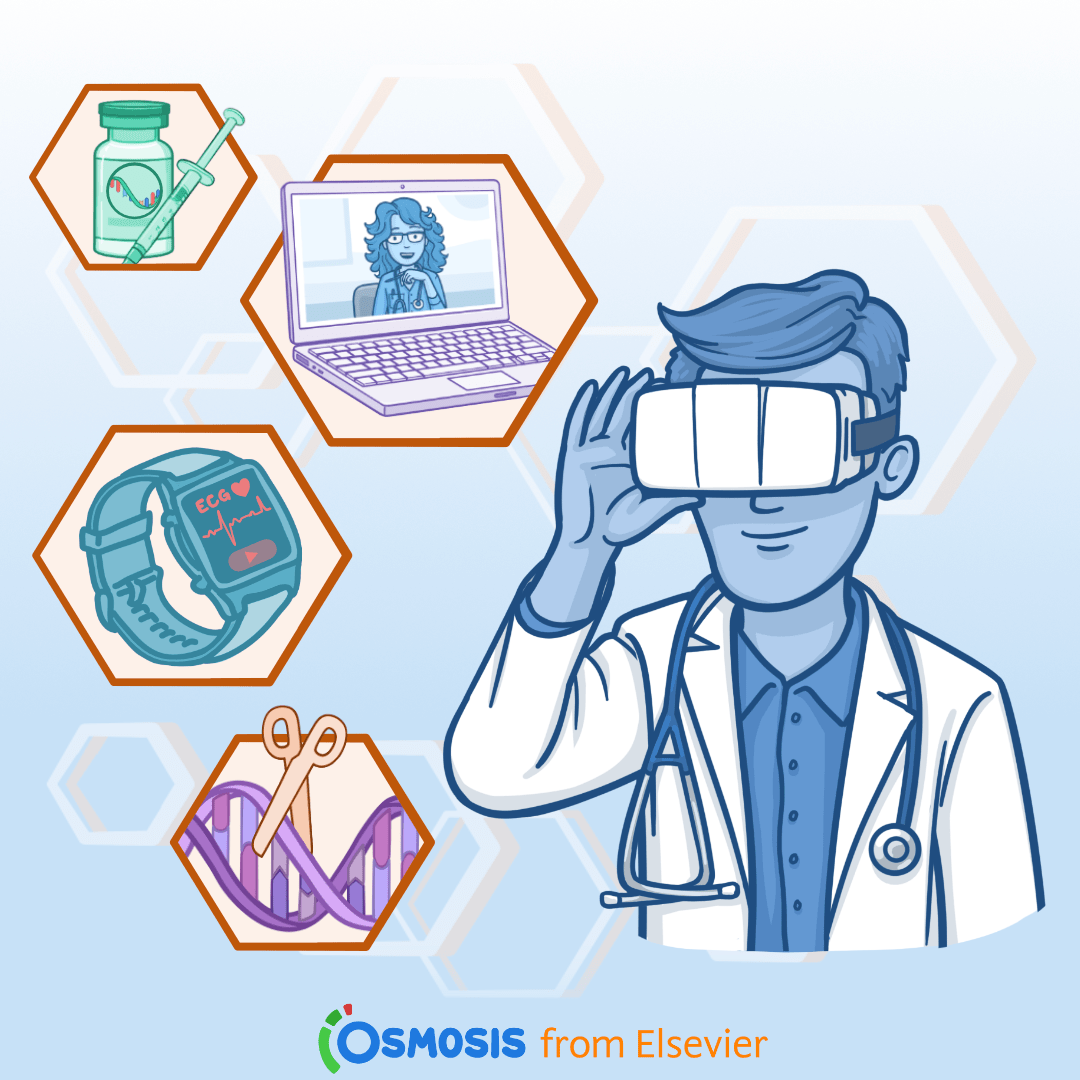
10 Remarkable Medical Breakthroughs from the Last Decade
— Updated:
—
Healthcare is entering a transformative era driven by biotechnology, AI, and digital health. Discover the innovations reshaping diagnosis, treatment, and prevention, along with what they signal for the future of medicine.
-
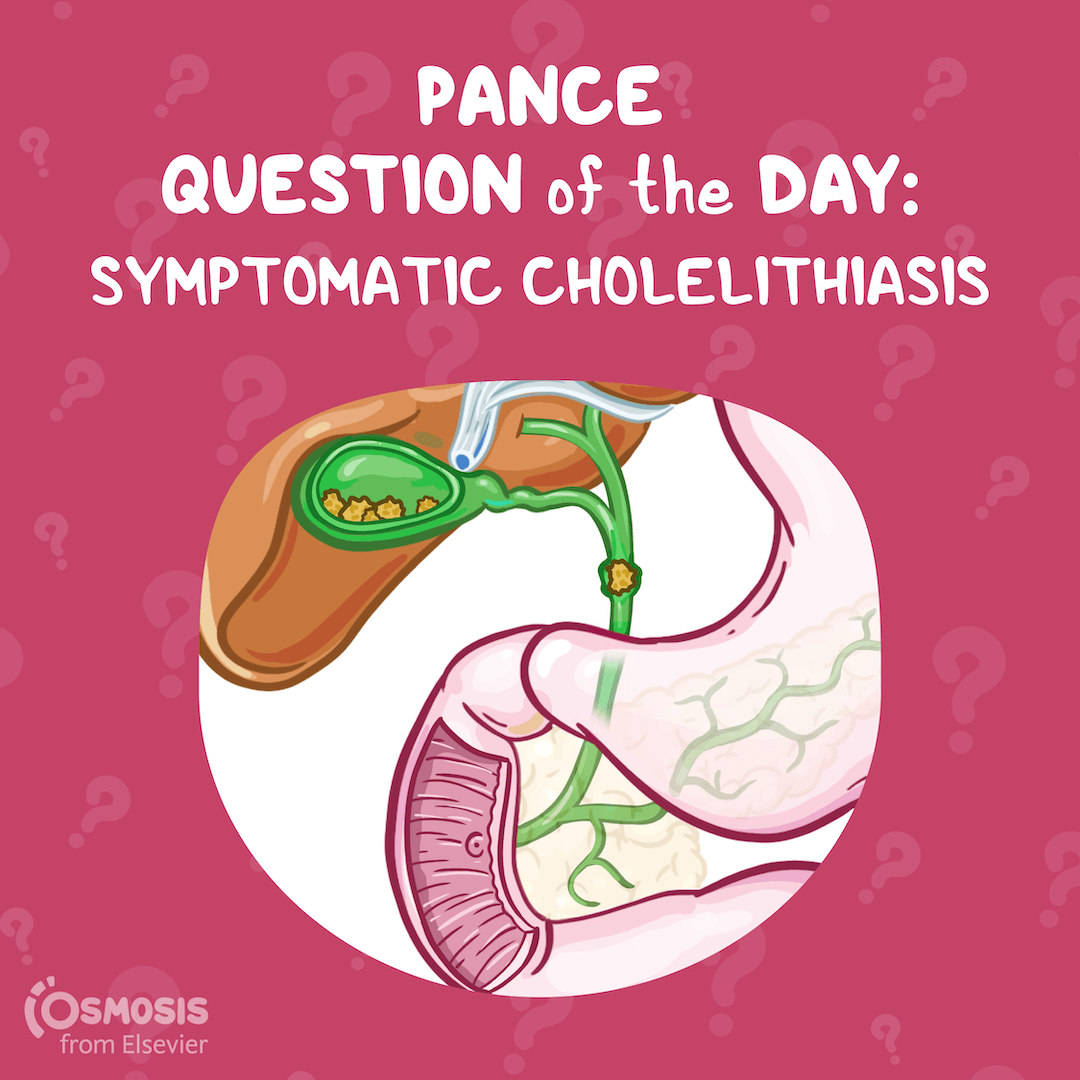
PANCE® Question of the Day: Symptomatic cholelithiasis
— Updated:
—
A postoperative patient develops shortness of breath after laparoscopic cholecystectomy. Learn practical, evidence-based strategies to prevent atelectasis during the recovery period, focusing on movement, breathing support, and monitoring.
-
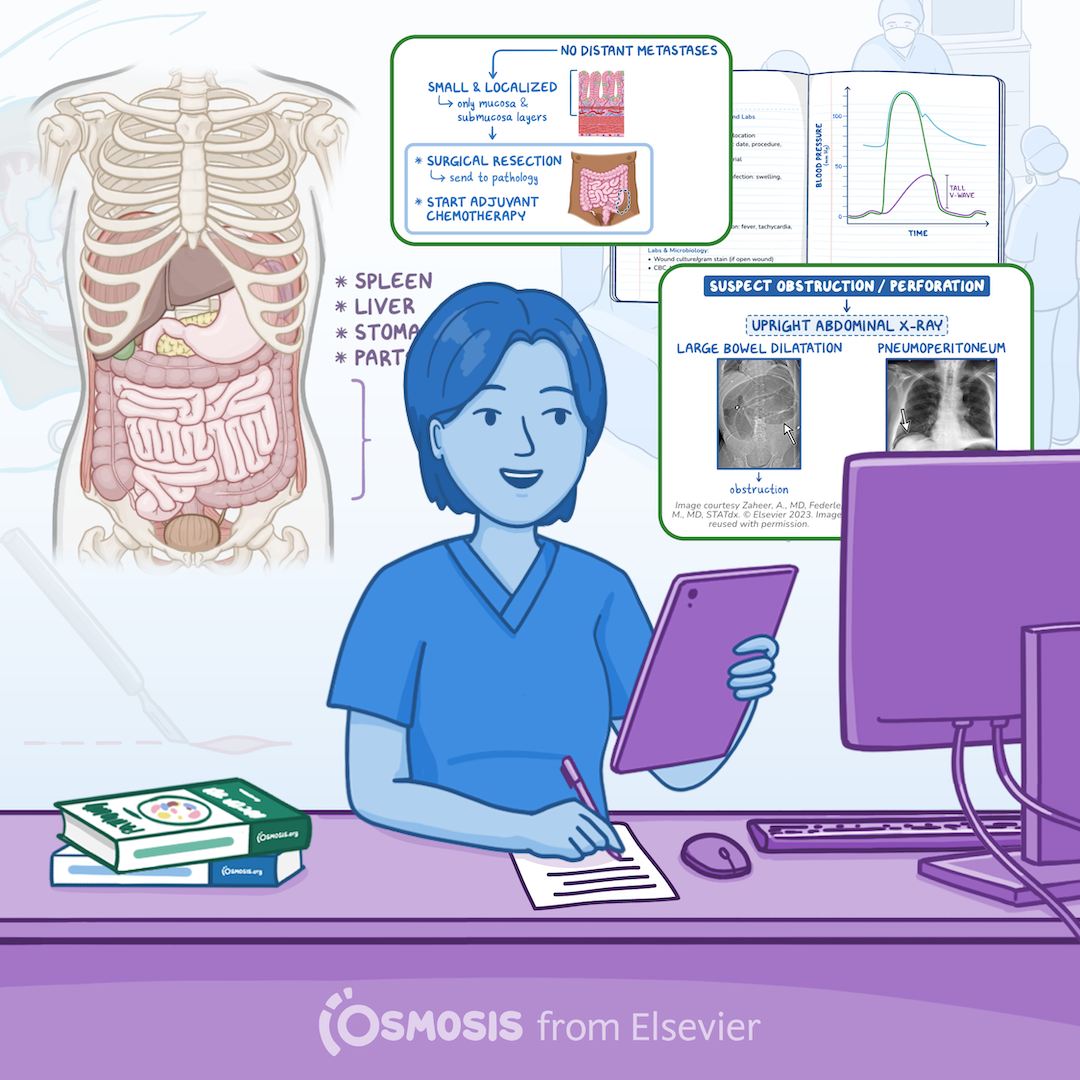
Surgery Shelf Exam: How to Study Less and Score Better
— Updated:
—
Learn how to study efficiently for the Surgery shelf exam by focusing on high-yield topics, and avoiding the biggest mistakes students make during their surgical rotation.
-
NCLEX-RN® Question of the Day: Depression
— Updated:
—
This NCLEX-RN® question of the day explores how nurses evaluate and implement a plan of care for a patient with depression, emphasizing pharmacologic and psychotherapeutic strategies, patient participation, and the therapeutic nurse-patient relationship.
-
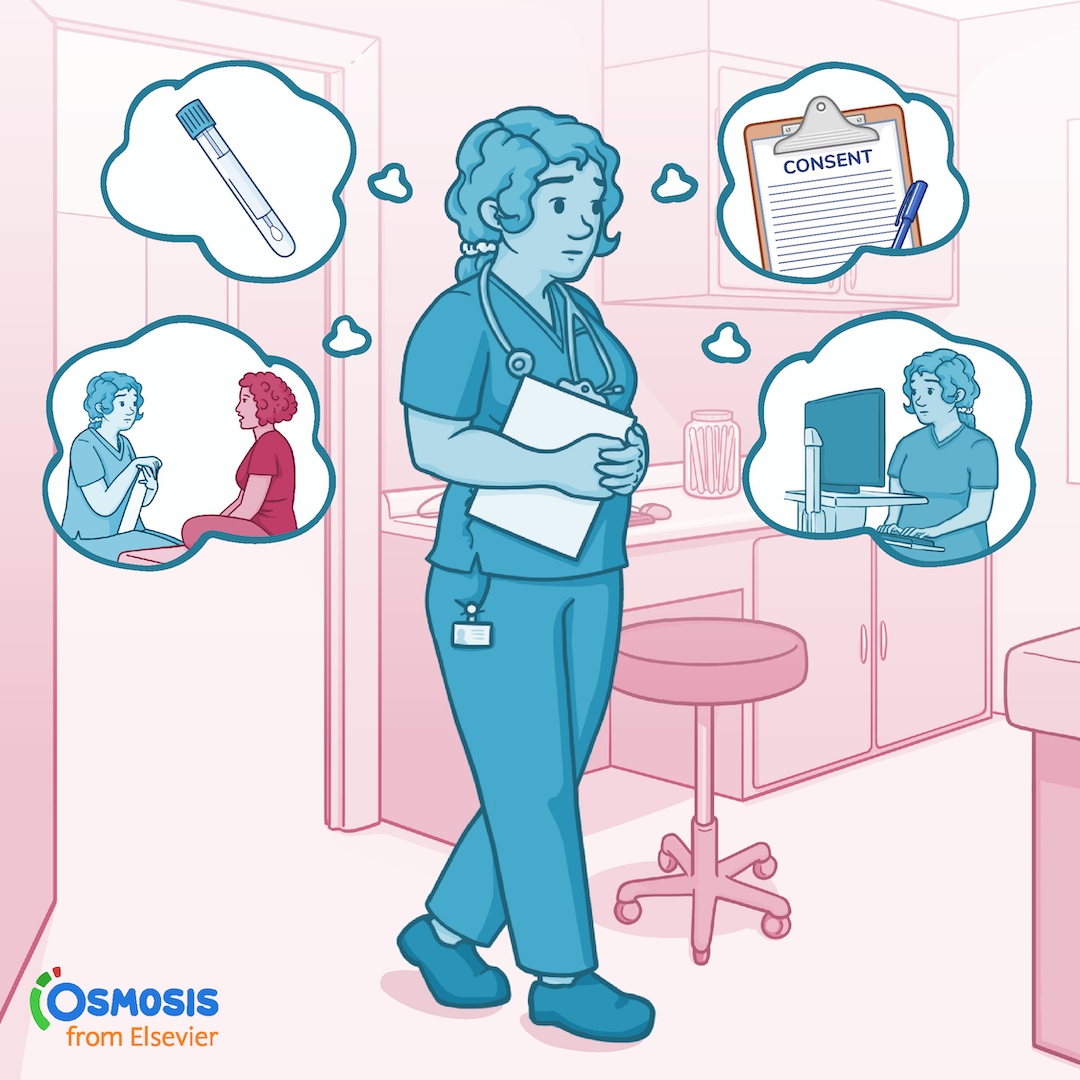
How to Become a Sexual Assault Nurse Examiner (SANE)
— Updated:
—
Find out what it takes to become a Sexual Assault Nurse Examiner (SANE), from RN licensure to specialized forensic training. Explore certification pathways, essential skills, and the critical role SANEs play in trauma-informed care and evidence collection.
-
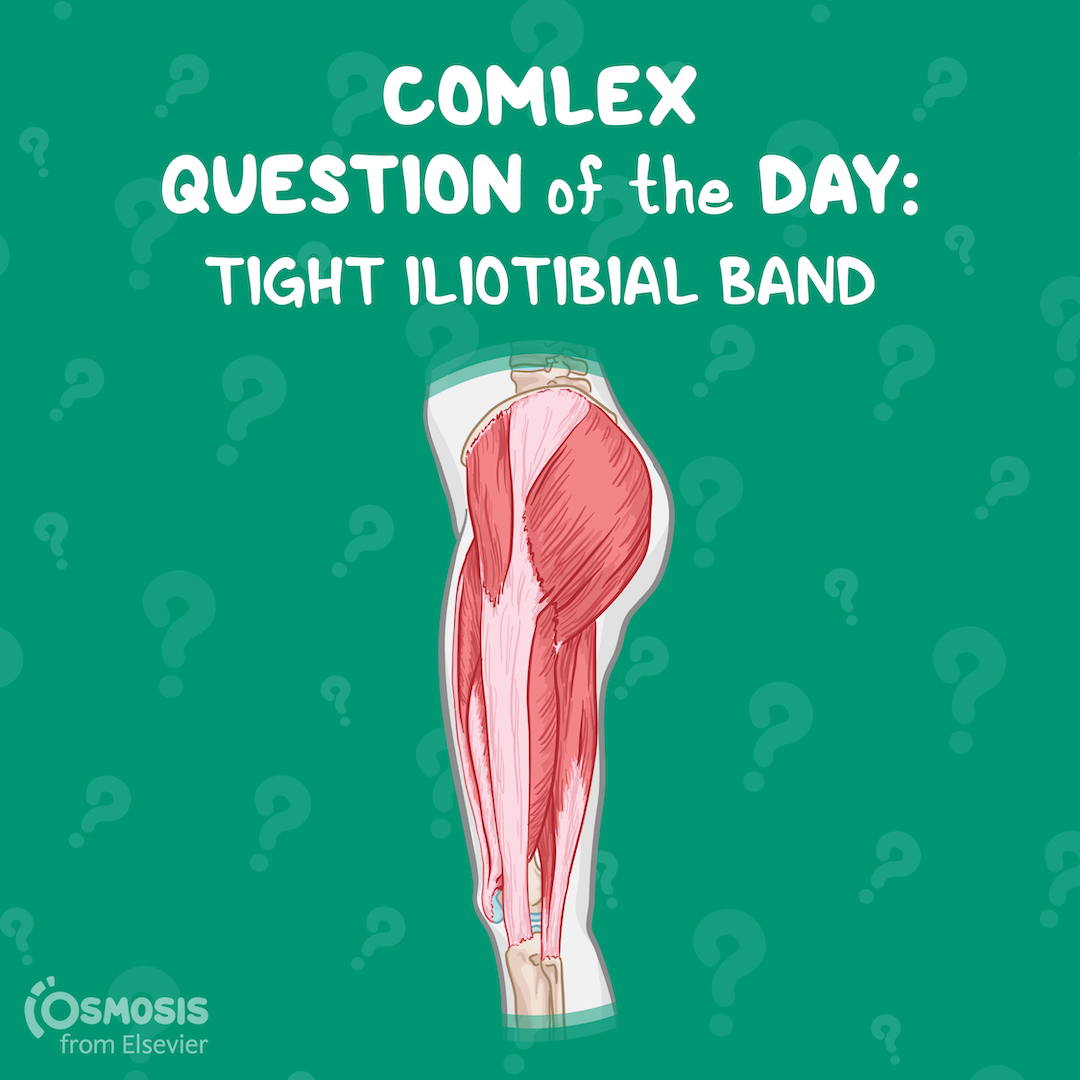
COMLEX® Question of the Day: Tight iliotibial band
— Updated:
—
When IT band pain crops up in runners, a practical approach matters. Learn how DO clinicians structure history, apply key exam clues, and design conservative treatment plans that help athletes recover without unnecessary downtime.
-
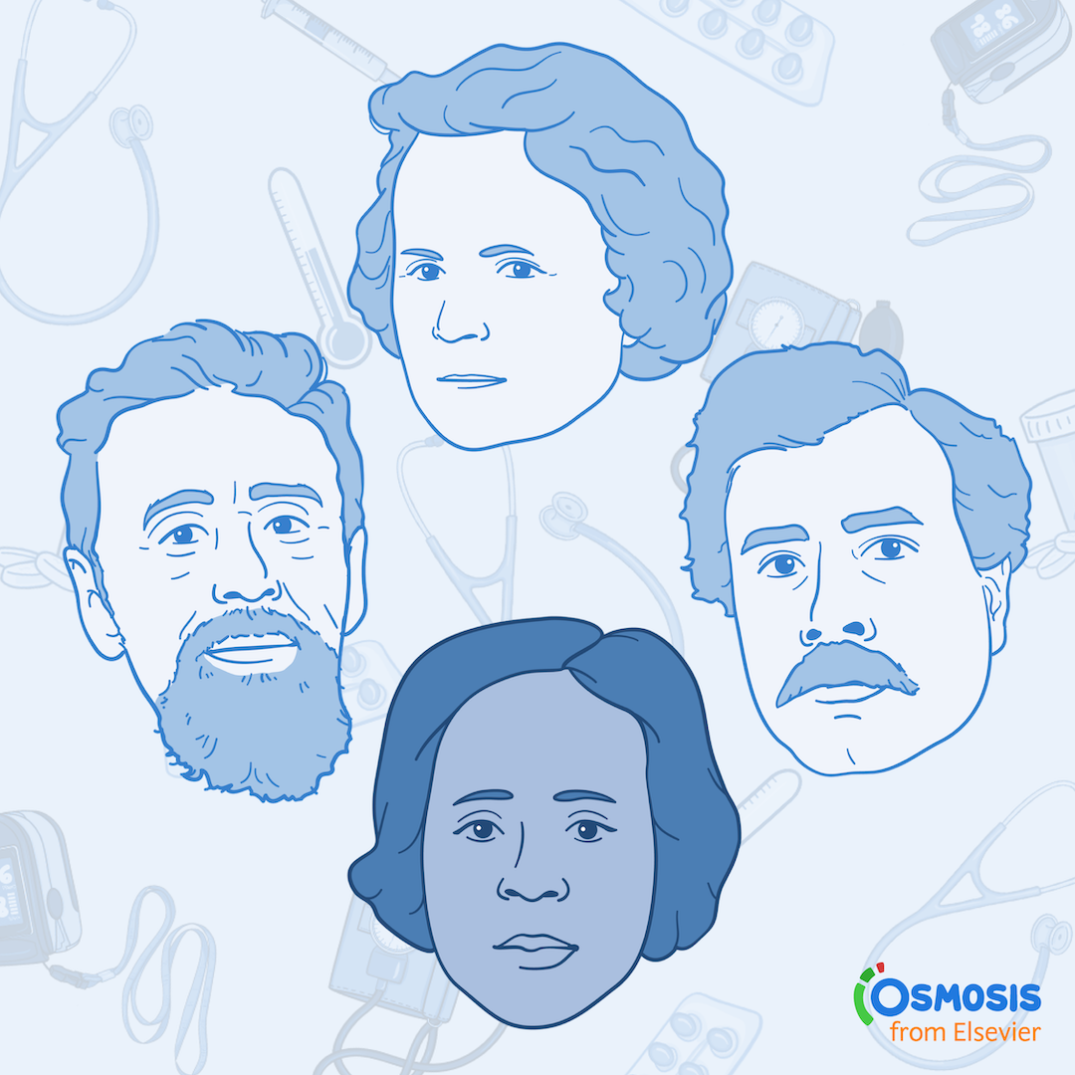
Before You Wear the White Coat: The Powerful History of DOs
— Updated:
—
Trace the emergence of osteopathic medicine from 19th-century reform to a modern, nationwide profession. Learn how DOs integrate hands-on osteopathic manipulation with a holistic, patient-centered approach that complements traditional medical training.
-
NCLEX® LPN Question of the Day: Type II diabetes mellitus
— Updated:
—
When risk factors for type 2 diabetes crop up in an EHR, a practical approach matters. Find out how nurses structure a patient history, apply key risk indicators, and design preventive strategies to help patients reduce risk and improve outcomes in today’s NCLEX LPN question of the day.
-
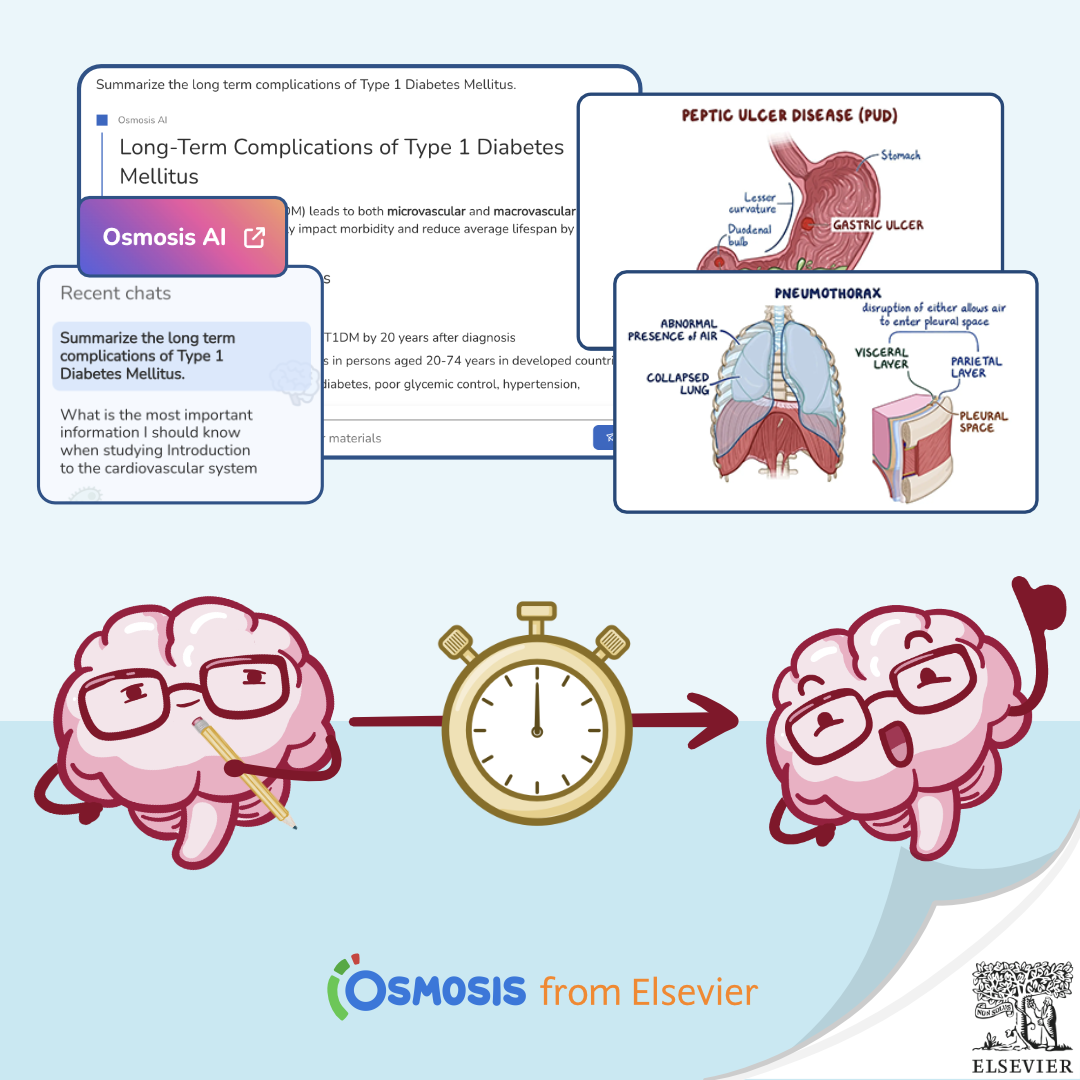
How to Go from Question to Clarity in Seconds with Osmosis AI
— Updated:
—
Osmosis AI delivers clear, structured explanations from trusted Elsevier content, keeps you focused, and guides your next steps to build clinical judgment and exam readiness without compromising accuracy or critical thinking.
-
USMLE® Step 2 CK Question of the Day: Head trauma
— Updated:
—
A child arrives after a sledding accident with head trauma. The next steps hinge on a structured neuro exam and objective severity assessment. What’s next?
-
NCLEX-RN® Question of the Day: Diabetic ketoacidosis
— Updated:
—
This nursing question of the day examines how gastroenteritis affects diabetes care and patient outcomes, highlighting symptoms, adherence, and access to care in shaping management decisions.
-
Lista final de consejos de estudio por Osmosis de Elsevier
— Updated:
—
Una guía práctica en español sobre cómo Osmosis de Elsevier reúne consejos y técnicas de aprendizaje para destacarte en salud, prepararte para exámenes USMLE/NCLEX y triunfar en prácticas clínicas y rotaciones. Aprenderás a adaptar métodos a tu estilo, priorizar lo esencial y mantener la motivación a lo largo del programa.
-
NCLEX-RN® Question of the Day: Nursing care plan
— Updated:
—
Learn how RNs structure conversations, identify ethical cues, and design patient-centered care plans that empower patients to express their goals and preferences, guiding compassionate and safe care.
-
USMLE® Step 1 Question of the Day: Chronic cough
— Updated:
—
A histology image reveals a granulomatous lesion with central necrosis. Learn how caseating granulomas develop, how to distinguish infectious etiologies from other causes, and how to integrate histology with clinical context to sharpen differential diagnosis and clinical reasoning.
-
10 Educator Tips for Identifying and Addressing Learning Gaps
— Updated:
—
Educators learn to spot learning gaps early, tailor targeted supports, and reduce stigma, empowering medical trainees with momentum and confidence. This evidence-based approach blends formative assessment, precise feedback, and collaborative strategies to foster growth, resilience, and lifelong learning in a demanding training environment.
-
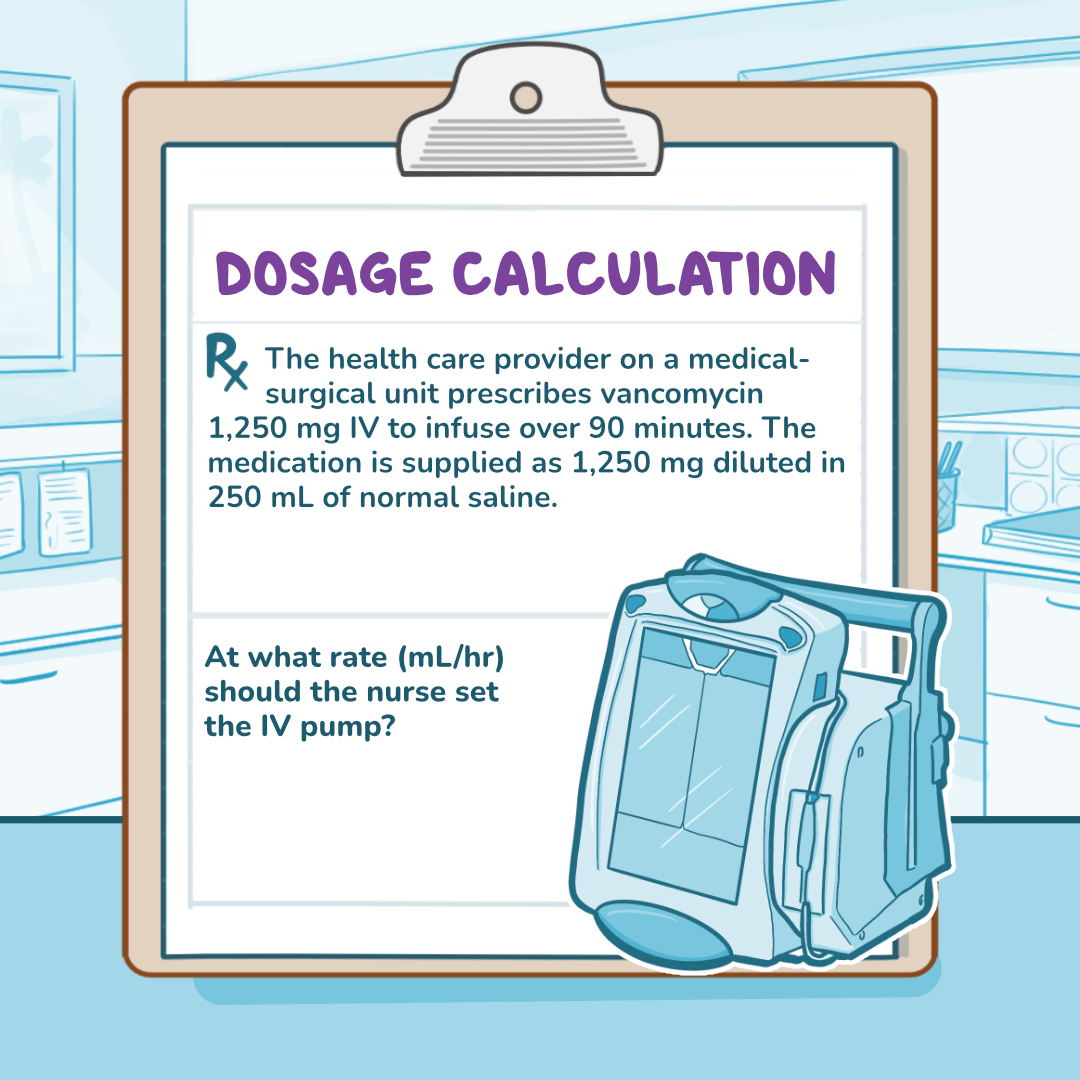
Dosage Calculation: Vancomycin
— Updated:
—
Tackle this IV infusion rate problem and learn a reliable method for accurate, safe medication administration in a busy clinical setting.